





June 29, 2026
How Many AV Technicians Do You Need for an Event?
Quick Answer: The number of AV technicians needed for an event depends on event size, complexity, and duration. Small meetings require 1-2 technicians, medium conferences need 3-8 technicians, and large conventions or multi-day events typically require 10-50+ technicians across different specialties.
Key Takeaways
What Factors Determine How Many AV Technicians You Need for an Event?
Event size serves as the primary factor, but technical complexity, venue requirements, and event duration all influence final staffing numbers. A 100-person corporate meeting with basic presentation needs requires vastly different support than a 100-person product launch with live streaming and interactive displays.
Event Size Guidelines:
Technical Complexity Multipliers:
Venue Considerations:
Large venues with multiple rooms, outdoor spaces, or challenging acoustics require additional technicians for equipment distribution and monitoring. Convention centers often mandate specific crew ratios and certified technicians for trade shows based on local regulations.
How Do You Calculate AV Staffing for Different Event Types?
Corporate meetings, conferences, and live entertainment events each follow different staffing formulas based on their unique technical requirements and audience expectations.
Corporate Meetings and Presentations:
Trade Shows and Conventions:
Live Entertainment and Galas:
For events in major markets like Las Vegas, experienced crews can handle larger ratios due to venue familiarity and established workflows.
What Specialized AV Roles Do You Need for Your Event?
Modern events require specialized technicians beyond general AV support, with each role serving critical functions that can't be easily combined or eliminated.
Essential Specialized Positions:
Audio Engineers handle sound system design, mixing, and troubleshooting. They're mandatory for events over 200 people or any event with live music, speeches, or complex audio requirements.
Video Operators manage cameras, switching, and display content. Required for any event with live video production, recording, or multi-screen presentations.
Lighting Designers create atmosphere and ensure proper illumination for cameras and audience visibility. Essential for evening events, galas, and any event with theatrical elements.
Broadcast Technicians handle live streaming, encoding, and remote production integration. Necessary for hybrid events or any content requiring real-time distribution.
System Engineers oversee technical infrastructure and integration between different equipment systems. Critical for complex multi-vendor setups or mission-critical presentations.
Common Staffing Mistake: Assuming one technician can handle multiple specialized roles effectively. While possible for small events, quality suffers when technicians are stretched across incompatible responsibilities.
Professional AV specialists in markets like Orlando and Dallas often specialize in specific event types, making role-specific hiring more efficient.
How Many AV Technicians Do You Need for Multi-Day Events?
Multi-day events require careful crew rotation planning to maintain quality while managing fatigue and budget constraints. The total technician count often exceeds single-day events by 40-60% due to extended coverage needs.
Shift Planning Considerations:
Crew Rotation Strategies:
For events longer than 12 hours daily, plan for two-shift coverage with 25% overlap between shifts. Critical positions like audio engineers and video directors should have designated backup personnel ready to step in.
Extended Event Staffing Formula:
Budget Impact: Multi-day events in cities like Chicago or New York may require hotel accommodations for out-of-town specialists, adding 15-30% to labor costs.
What's the Difference Between Setup and Live Event Staffing?
Setup and breakdown phases typically require 150-200% more technicians than live event operations due to the physical demands of equipment installation and the compressed timeframes involved.
Setup Phase Requirements:
Live Event Operations:
Breakdown Considerations:
Breakdown crews can often work with 75% of setup staffing since equipment removal is generally faster than installation. However, tight venue schedules may require full setup crew levels to meet load-out deadlines.
Timeline Planning: Allow 2-4 hours of setup time per hour of event duration for complex productions. Simple presentations may only need 1:1 setup-to-event ratios.
How Do Venue Size and Layout Affect AV Technician Requirements?
Venue characteristics directly impact staffing needs through equipment distribution challenges, acoustic requirements, and sight line considerations that can double or triple technician requirements compared to simpler spaces.
Large Convention Centers:
Outdoor Venues:
Historic or Unusual Venues:
Multi-Building Events:
Events spanning multiple buildings or floors need dedicated crews for each location plus coordination staff. A corporate event across three hotel floors might need 40% more technicians than the same event in a single ballroom.
Venues in markets like Miami and San Diego often have unique architectural challenges requiring experienced local crews.
What Budget Should You Allocate for AV Technician Staffing?
AV labor costs typically represent 15-25% of total event production budgets, with technician rates varying significantly by market, skill level, and event timing.
Market Rate Ranges (2026):
Geographic Variations:
Major event markets command premium rates due to demand and cost of living. AV technicians in San Francisco and Los Angeles typically cost 20-40% more than smaller markets.
Additional Cost Factors:
Budget Planning Formula:
(Base hourly rate × estimated hours × number of technicians × 1.2 buffer) + overtime premiums + travel costs = total labor budget
How Do You Plan for Backup Coverage and Contingencies?
Equipment failures and last-minute changes are inevitable in live events, making backup staffing and contingency planning essential for professional productions.
Backup Staffing Guidelines:
Equipment Redundancy Staffing:
Backup equipment requires additional technicians to monitor and deploy when needed. Complex productions should include dedicated technicians solely for troubleshooting and equipment swapping.
Common Contingency Scenarios:
Emergency Response Planning:
Establish clear communication protocols and decision-making authority. Designate specific technicians for emergency equipment runs and vendor coordination.
Working with experienced AV staffing providers ensures access to backup personnel and established emergency procedures across multiple markets.
Frequently Asked Questions
How many AV technicians do I need for a 500-person conference?
A 500-person conference typically requires 6-12 AV technicians depending on complexity. Basic presentations need 6-8 technicians, while multi-camera production with breakout rooms requires 10-12 technicians across specialized roles.
Can one technician handle multiple event rooms simultaneously?
One technician can monitor 2-3 simple breakout rooms with basic presentation setups, but complex sessions requiring live mixing or troubleshooting need dedicated coverage. Plan for 1 technician per room for mission-critical presentations.
What's the minimum crew size for a professional event?
Even small events need at least 2 technicians for safety and backup coverage. One technician alone cannot safely handle equipment issues, emergency situations, or simultaneous technical problems.
How far in advance should I book AV technicians?
Book experienced technicians 4-8 weeks in advance for major markets and peak seasons. Last-minute bookings often cost 50-100% more and may compromise quality due to limited availability.
Do I need union technicians for my event?
Union requirements vary by venue and location. Many convention centers and hotels require union labor for certain tasks. Check venue contracts and local regulations during initial planning phases.
How do I verify technician qualifications and experience?
Request resumes, references, and certifications for key positions. Experienced providers maintain detailed technician profiles including specialties, equipment expertise, and client feedback from previous events.
What happens if a key technician doesn't show up?
Professional staffing companies maintain backup rosters and emergency response procedures. However, communicate critical positions and timing requirements clearly to ensure appropriate contingency planning.
Should I hire local technicians or bring in specialists from other markets?
Local technicians offer venue familiarity and cost advantages, while specialists from other markets bring unique expertise. Balance based on event complexity and budget constraints.
How do overtime costs affect my budget planning?
Plan for overtime on setup and breakdown days. Events exceeding 8-hour days trigger time-and-a-half rates, with double-time after 12 hours. Factor 20-30% overtime buffer into labor budgets.
Can I reduce costs by using fewer, more experienced technicians?
Experienced technicians work more efficiently but cannot replace necessary headcount for physical tasks or simultaneous operations. Focus cost savings on optimizing crew mix rather than reducing total numbers.
What insurance and liability considerations apply to AV technicians?
Verify that technicians carry appropriate insurance and certifications for your venue requirements. Professional staffing companies typically provide comprehensive coverage and handle liability issues.
How do I coordinate between multiple AV vendors and their crews?
Designate a single technical director to coordinate between vendor crews. Establish clear communication protocols and equipment responsibility boundaries before load-in begins.
Conclusion
Determining how many AV technicians you need for an event requires careful analysis of event size, technical complexity, venue characteristics, and duration. Start with basic ratios of 1 technician per 100-150 attendees for simple events, then adjust for specialized requirements like live streaming, multi-room setups, and interactive displays.
Remember that quality events require specialized roles including audio engineers, video operators, and lighting designers who cannot be easily combined. Plan for 15-20% additional staff beyond minimum requirements to handle contingencies and equipment issues.
Budget 15-25% of your total production costs for AV labor, accounting for market rates, overtime, and potential emergency staffing needs. Book experienced technicians 4-8 weeks in advance to ensure availability and avoid premium last-minute rates.
For your next event, create a detailed technical requirements list and consult with experienced AV professionals who understand your specific market and venue requirements. Proper staffing planning ensures smooth execution and protects your event's professional reputation.
Key Takeaways
- Event size determines base staffing: 50-person meetings need 1-2 techs, while 1,000+ attendee events require 10+ technicians
- Technical complexity multiplies requirements: Live streaming, multi-room setups, and interactive displays increase staffing needs by 50-100%
- Event duration affects total headcount: Multi-day events need additional crews for setup, breakdown, and shift coverage
- Specialized roles require dedicated staff: Audio engineers, lighting designers, video operators, and broadcast technicians each serve specific functions
- Backup coverage is essential: Plan for 10-20% additional staff to handle equipment failures and last-minute changes
- Local market availability impacts planning: Major event cities like Las Vegas and Orlando have deeper talent pools than smaller markets
- Budget allocation should be 15-25%: AV labor typically represents 15-25% of total event production costs
What Factors Determine How Many AV Technicians You Need for an Event?
Event size serves as the primary factor, but technical complexity, venue requirements, and event duration all influence final staffing numbers. A 100-person corporate meeting with basic presentation needs requires vastly different support than a 100-person product launch with live streaming and interactive displays.
Event Size Guidelines:
- Small events (50-200 attendees): 1-3 technicians
- Medium events (200-500 attendees): 3-8 technicians
- Large events (500-1,500 attendees): 8-20 technicians
- Major events (1,500+ attendees): 20-50+ technicians
Technical Complexity Multipliers:
- Basic presentation setup: Base staffing
- Multi-camera video production: +2-4 technicians
- Live streaming with graphics: +3-5 technicians
- Interactive displays and demos: +1-2 per station
- Simultaneous interpretation: +2-3 audio specialists
Venue Considerations:
Large venues with multiple rooms, outdoor spaces, or challenging acoustics require additional technicians for equipment distribution and monitoring. Convention centers often mandate specific crew ratios and certified technicians for trade shows based on local regulations.
How Do You Calculate AV Staffing for Different Event Types?
Corporate meetings, conferences, and live entertainment events each follow different staffing formulas based on their unique technical requirements and audience expectations.
Corporate Meetings and Presentations:
- Basic setup: 1 technician per 100-150 attendees
- Hybrid meetings: Add 2-3 technicians for streaming and remote integration
- Executive presentations: Include 1 dedicated audio engineer for critical sessions
Trade Shows and Conventions:
- Booth support: 1 technician per 3-5 exhibitor booths requiring AV
- Main stage events: 6-12 technicians depending on production complexity
- Breakout rooms: 1-2 technicians per simultaneous session
Live Entertainment and Galas:
- Concert-style events: 8-15 technicians for full production
- Award ceremonies: 10-20 technicians for broadcast-quality output
- Outdoor festivals: Add 25% more staff for weather contingencies
For events in major markets like Las Vegas, experienced crews can handle larger ratios due to venue familiarity and established workflows.
What Specialized AV Roles Do You Need for Your Event?
Modern events require specialized technicians beyond general AV support, with each role serving critical functions that can't be easily combined or eliminated.
Essential Specialized Positions:
Audio Engineers handle sound system design, mixing, and troubleshooting. They're mandatory for events over 200 people or any event with live music, speeches, or complex audio requirements.
Video Operators manage cameras, switching, and display content. Required for any event with live video production, recording, or multi-screen presentations.
Lighting Designers create atmosphere and ensure proper illumination for cameras and audience visibility. Essential for evening events, galas, and any event with theatrical elements.
Broadcast Technicians handle live streaming, encoding, and remote production integration. Necessary for hybrid events or any content requiring real-time distribution.
System Engineers oversee technical infrastructure and integration between different equipment systems. Critical for complex multi-vendor setups or mission-critical presentations.
Common Staffing Mistake: Assuming one technician can handle multiple specialized roles effectively. While possible for small events, quality suffers when technicians are stretched across incompatible responsibilities.
Professional AV specialists in markets like Orlando and Dallas often specialize in specific event types, making role-specific hiring more efficient.
How Many AV Technicians Do You Need for Multi-Day Events?
Multi-day events require careful crew rotation planning to maintain quality while managing fatigue and budget constraints. The total technician count often exceeds single-day events by 40-60% due to extended coverage needs.
Shift Planning Considerations:
- Setup crews: 2-3 days before event start
- Show crews: Daily operation coverage
- Breakdown crews: 1-2 days after event conclusion
- Overnight security: Equipment monitoring between event days
Crew Rotation Strategies:
For events longer than 12 hours daily, plan for two-shift coverage with 25% overlap between shifts. Critical positions like audio engineers and video directors should have designated backup personnel ready to step in.
Extended Event Staffing Formula:
- Base daily crew × number of event days × 1.4 (fatigue factor) = total technician requirement
- Add 20% buffer for equipment issues and schedule changes
- Include dedicated setup/breakdown crews separate from show operations
Budget Impact: Multi-day events in cities like Chicago or New York may require hotel accommodations for out-of-town specialists, adding 15-30% to labor costs.
What's the Difference Between Setup and Live Event Staffing?
Setup and breakdown phases typically require 150-200% more technicians than live event operations due to the physical demands of equipment installation and the compressed timeframes involved.
Setup Phase Requirements:
- Rigging crews: Install lighting, video walls, and suspended equipment
- Audio crews: Deploy sound systems, run cables, and conduct testing
- Video crews: Position cameras, configure switching, and align displays
- General labor: Move equipment, organize staging areas, and assist specialists
Live Event Operations:
- Reduced headcount: Focus shifts to operation rather than installation
- Specialized roles: Audio engineers, video operators, and lighting designers take primary responsibility
- Support staff: Fewer general technicians needed for troubleshooting and minor adjustments
Breakdown Considerations:
Breakdown crews can often work with 75% of setup staffing since equipment removal is generally faster than installation. However, tight venue schedules may require full setup crew levels to meet load-out deadlines.
Timeline Planning: Allow 2-4 hours of setup time per hour of event duration for complex productions. Simple presentations may only need 1:1 setup-to-event ratios.
How Do Venue Size and Layout Affect AV Technician Requirements?
Venue characteristics directly impact staffing needs through equipment distribution challenges, acoustic requirements, and sight line considerations that can double or triple technician requirements compared to simpler spaces.
Large Convention Centers:
- Multiple zones: Each major area needs dedicated monitoring
- Cable runs: Longer distances require additional installation time and crew
- Load-in logistics: Coordination between multiple vendor crews increases complexity
Outdoor Venues:
- Weather protection: Equipment covering and monitoring requires additional staff
- Power distribution: Temporary electrical systems need specialized oversight
- Backup systems: Redundant equipment and crews for critical functions
Historic or Unusual Venues:
- Access limitations: Narrow doorways and stairs slow equipment movement
- Structural restrictions: Limited rigging points require creative solutions and additional engineering
- Acoustic challenges: Difficult spaces may need extra audio technicians and equipment
Multi-Building Events:
Events spanning multiple buildings or floors need dedicated crews for each location plus coordination staff. A corporate event across three hotel floors might need 40% more technicians than the same event in a single ballroom.
Venues in markets like Miami and San Diego often have unique architectural challenges requiring experienced local crews.
What Budget Should You Allocate for AV Technician Staffing?
AV labor costs typically represent 15-25% of total event production budgets, with technician rates varying significantly by market, skill level, and event timing.
Market Rate Ranges (2026):
- General AV technicians: $25-45 per hour
- Specialized engineers: $45-75 per hour
- Lead technicians/supervisors: $55-85 per hour
- Emergency/last-minute rates: 150-200% of standard rates
Geographic Variations:
Major event markets command premium rates due to demand and cost of living. AV technicians in San Francisco and Los Angeles typically cost 20-40% more than smaller markets.
Additional Cost Factors:
- Overtime rates: Time-and-a-half after 8 hours, double-time after 12 hours
- Weekend premiums: 10-25% upcharge for Saturday/Sunday events
- Holiday rates: 50-100% premium for major holidays
- Travel expenses: Hotel, meals, and transportation for out-of-market talent
Budget Planning Formula:
(Base hourly rate × estimated hours × number of technicians × 1.2 buffer) + overtime premiums + travel costs = total labor budget
How Do You Plan for Backup Coverage and Contingencies?
Equipment failures and last-minute changes are inevitable in live events, making backup staffing and contingency planning essential for professional productions.
Backup Staffing Guidelines:
- Critical positions: Have backup personnel identified for audio engineers, video directors, and lighting operators
- General crew buffer: Plan for 15-20% additional technicians beyond minimum requirements
- On-call specialists: Maintain relationships with experienced freelancers for emergency situations
Equipment Redundancy Staffing:
Backup equipment requires additional technicians to monitor and deploy when needed. Complex productions should include dedicated technicians solely for troubleshooting and equipment swapping.
Common Contingency Scenarios:
- Key technician illness: Cross-train multiple crew members on critical systems
- Equipment failure: Rapid replacement requires additional hands and expertise
- Schedule changes: Compressed timelines may need overtime or additional crew
- Weather issues: Outdoor events need crews ready for rapid equipment protection
Emergency Response Planning:
Establish clear communication protocols and decision-making authority. Designate specific technicians for emergency equipment runs and vendor coordination.
Working with experienced AV staffing providers ensures access to backup personnel and established emergency procedures across multiple markets.
Frequently Asked Questions
How many AV technicians do I need for a 500-person conference?
A 500-person conference typically requires 6-12 AV technicians depending on complexity. Basic presentations need 6-8 technicians, while multi-camera production with breakout rooms requires 10-12 technicians across specialized roles.
Can one technician handle multiple event rooms simultaneously?
One technician can monitor 2-3 simple breakout rooms with basic presentation setups, but complex sessions requiring live mixing or troubleshooting need dedicated coverage. Plan for 1 technician per room for mission-critical presentations.
What's the minimum crew size for a professional event?
Even small events need at least 2 technicians for safety and backup coverage. One technician alone cannot safely handle equipment issues, emergency situations, or simultaneous technical problems.
How far in advance should I book AV technicians?
Book experienced technicians 4-8 weeks in advance for major markets and peak seasons. Last-minute bookings often cost 50-100% more and may compromise quality due to limited availability.
Do I need union technicians for my event?
Union requirements vary by venue and location. Many convention centers and hotels require union labor for certain tasks. Check venue contracts and local regulations during initial planning phases.
How do I verify technician qualifications and experience?
Request resumes, references, and certifications for key positions. Experienced providers maintain detailed technician profiles including specialties, equipment expertise, and client feedback from previous events.
What happens if a key technician doesn't show up?
Professional staffing companies maintain backup rosters and emergency response procedures. However, communicate critical positions and timing requirements clearly to ensure appropriate contingency planning.
Should I hire local technicians or bring in specialists from other markets?
Local technicians offer venue familiarity and cost advantages, while specialists from other markets bring unique expertise. Balance based on event complexity and budget constraints.
How do overtime costs affect my budget planning?
Plan for overtime on setup and breakdown days. Events exceeding 8-hour days trigger time-and-a-half rates, with double-time after 12 hours. Factor 20-30% overtime buffer into labor budgets.
Can I reduce costs by using fewer, more experienced technicians?
Experienced technicians work more efficiently but cannot replace necessary headcount for physical tasks or simultaneous operations. Focus cost savings on optimizing crew mix rather than reducing total numbers.
What insurance and liability considerations apply to AV technicians?
Verify that technicians carry appropriate insurance and certifications for your venue requirements. Professional staffing companies typically provide comprehensive coverage and handle liability issues.
How do I coordinate between multiple AV vendors and their crews?
Designate a single technical director to coordinate between vendor crews. Establish clear communication protocols and equipment responsibility boundaries before load-in begins.
Conclusion
Determining how many AV technicians you need for an event requires careful analysis of event size, technical complexity, venue characteristics, and duration. Start with basic ratios of 1 technician per 100-150 attendees for simple events, then adjust for specialized requirements like live streaming, multi-room setups, and interactive displays.
Remember that quality events require specialized roles including audio engineers, video operators, and lighting designers who cannot be easily combined. Plan for 15-20% additional staff beyond minimum requirements to handle contingencies and equipment issues.
Budget 15-25% of your total production costs for AV labor, accounting for market rates, overtime, and potential emergency staffing needs. Book experienced technicians 4-8 weeks in advance to ensure availability and avoid premium last-minute rates.
For your next event, create a detailed technical requirements list and consult with experienced AV professionals who understand your specific market and venue requirements. Proper staffing planning ensures smooth execution and protects your event's professional reputation.
AVLS Nationwide Services
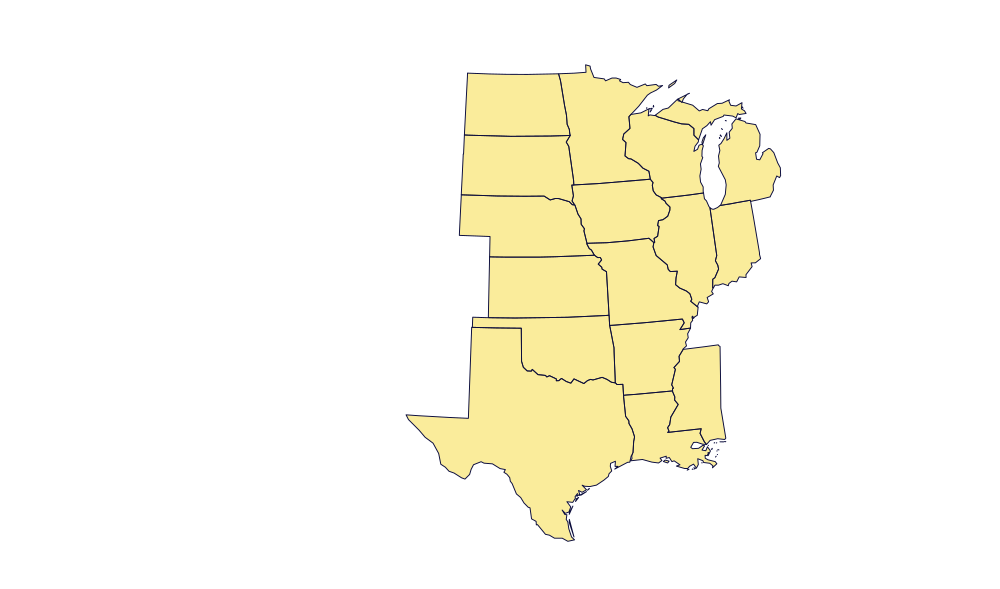
Central States
East Coast
*COMING SOON
West Coast


*COMING SOON
East Coast
Central States
West Coast
AVLS Nationwide Services
CONTACT US
When your event matters, trust your audio visual labor needs to AV Labor Source.
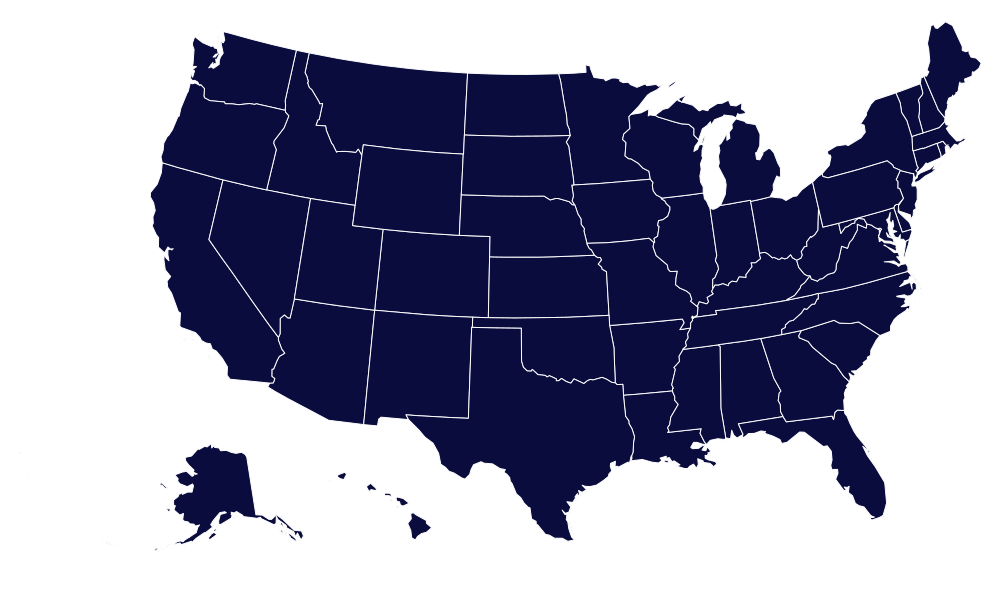
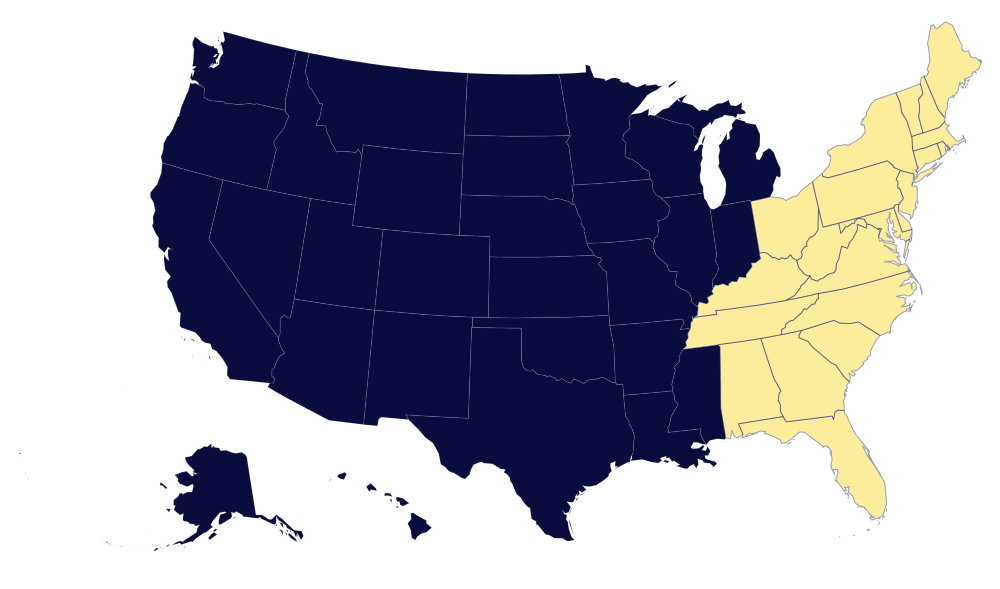
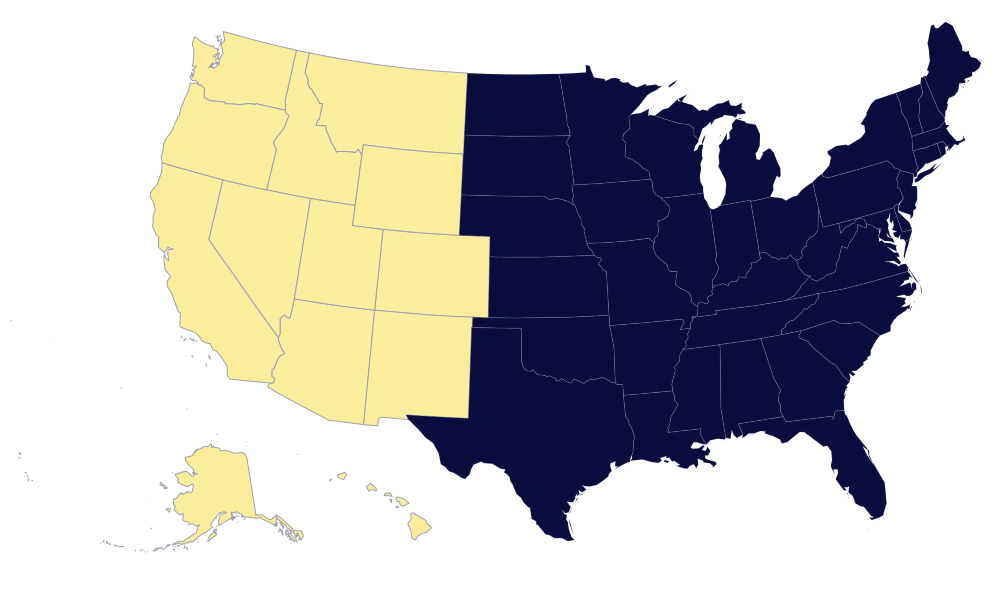
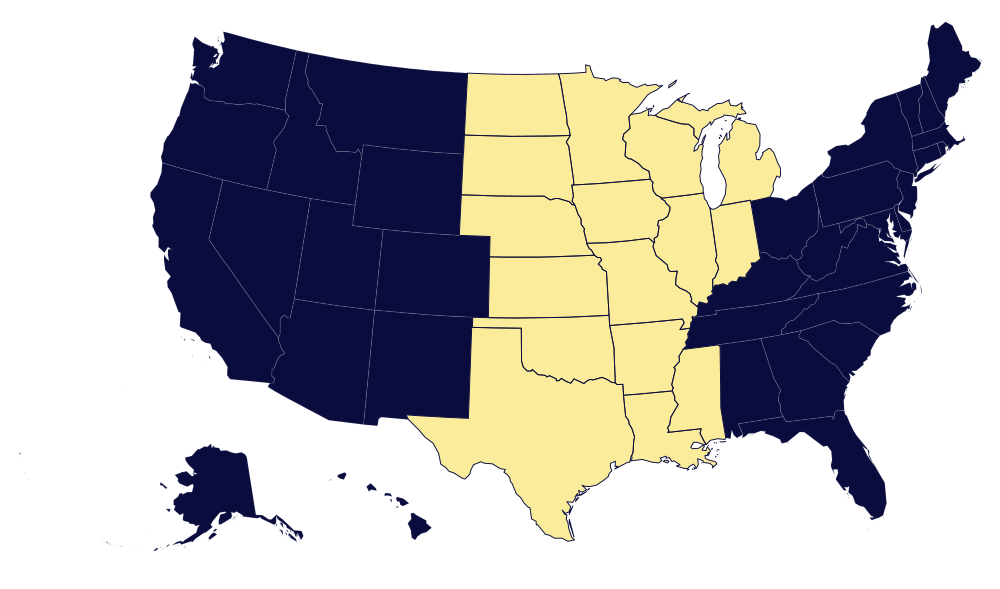
AVLS operate and has proven pool of AV technicians in major cities US Nationwide, such as Las Vegas, Los Angeles, Orlando, Dallas, San Antonio, Austin, Houston, Washington DC, Atlanta, New Orleans, Tennessee and more.
Please complete the form below and we will respond to you as soon as possible. We are available 24 hours a day to assist with your needs. We look forward to showing you what we can do toward the success of your next event.
AVLS operate and has proven pool of AV technicians in major cities US Nationwide, such as Las Vegas, Los Angeles, Orlando, Dallas, San Antonio, Austin, Houston, Washington DC, Atlanta, New Orleans, Tennessee and more.
Please complete the form below and we will respond to you as soon as possible. We are available 24 hours a day to assist with your needs. We look forward to showing you what we can do toward the success of your next event.
EVENT INFORMATION
