





June 29, 2026
Complete AV Labor Staffing Guide for Event Planners
Successful events require an average of one skilled AV technician for every 50-75 attendees, yet 67% of event planners struggle to find qualified technical staff within their budget constraints. This Complete AV Labor Staffing Guide for Event Planners provides the framework to build reliable technical teams that deliver flawless audio-visual experiences while managing costs effectively.
Key Takeaways
What Is AV Labor Staffing and Why Does It Matter?
AV labor staffing involves hiring qualified technicians to handle the technical aspects of event production, from equipment setup to live operation and breakdown. Professional AV staffing directly impacts event success because technical failures can derail even the most well-planned events.
Event planners who understand AV staffing fundamentals avoid common pitfalls like under-staffing complex productions or hiring inexperienced technicians for mission-critical events. The right technical team ensures seamless audio, crystal-clear visuals, and reliable streaming capabilities that keep audiences engaged.
Key components of effective AV staffing include:
Choose specialized AV labor staffing services if your event requires multiple technical disciplines or operates in venues with complex infrastructure requirements.
How to Determine Your AV Staffing Requirements
Start by calculating your baseline staffing needs using event size, equipment complexity, and production timeline. Most events require one lead technician plus additional specialists based on specific technical requirements.
Event Size and Complexity Matrix
Small Events (50-200 attendees):
Medium Events (200-1,000 attendees):
Large Events (1,000+ attendees):
Technical Complexity Factors
Equipment sophistication determines staffing levels more than attendee count. Events using advanced projection mapping require video specialists, while multi-camera live streams need dedicated camera operators and streaming technicians.
Consider these complexity multipliers:
Essential AV Roles for Your Complete Staffing Guide
Every successful AV team includes specific roles that handle distinct technical responsibilities. Understanding these roles helps event planners build balanced teams and avoid skill gaps that cause production delays.
Lead AV Technician
The lead technician oversees system design, coordinates team activities, and serves as the primary technical contact for event planners. Hire leads with 5+ years of event production experience and demonstrated expertise in system integration and troubleshooting.
Key responsibilities:
Audio Engineer
Audio engineers manage sound systems, mixing boards, and acoustic optimization for venues. Professional audio engineers prevent the feedback, dead zones, and volume inconsistencies that distract audiences and disrupt presentations.
Essential qualifications:
Video Technician
Video technicians handle projection systems, LED walls, camera operations, and visual content management. Skilled video operators ensure crisp image quality and seamless content transitions that maintain audience engagement throughout events.
Core competencies include:
For specialized video requirements, consider professional AV specialists with experience in your event's technical demands.
Complete AV Labor Staffing Guide: Budgeting and Cost Management
AV labor typically represents 20-30% of total production costs for professional events. Effective budgeting requires understanding regional rate variations, skill premiums, and scheduling factors that impact final costs.
Regional Rate Variations
Major metropolitan markets command premium rates due to higher demand and living costs. Plan accordingly when staffing events in high-cost markets versus secondary cities.
Cost Optimization Strategies
Bundle services with established AV companies to reduce individual contractor coordination costs. Many AV technician services offer package pricing for complete technical teams.
Effective cost management techniques:
Avoid common budget mistakes like under-estimating setup time requirements or failing to account for overtime rates during extended events.
How to Source and Vet Qualified AV Technicians
Start your technician search 4-6 weeks before major events to ensure availability of qualified professionals. The best technical talent books quickly, especially during peak event seasons and in competitive markets.
Sourcing Strategies
Professional AV staffing agencies provide pre-vetted technicians with verified experience and references. This approach reduces hiring risk compared to individual contractor sourcing, particularly for complex or high-stakes events.
Primary sourcing channels:
Qualification Verification Process
Verify technical certifications and hands-on experience with specific equipment brands and event types. Generic AV experience doesn't guarantee competency with specialized systems or high-pressure live event environments.
Essential verification steps:
Red flags include: Reluctance to provide references, lack of manufacturer certifications for complex systems, or inability to explain technical problem-solving approaches during interviews.
Pre-Event Planning and Technical Coordination
Successful AV productions require detailed technical planning that begins weeks before event day. This Complete AV Labor Staffing Guide emphasizes coordination between technical teams, venue staff, and event planners to prevent last-minute complications.
Site Survey and Technical Assessment
Conduct thorough venue assessments with your lead technician 2-3 weeks before major events. Site surveys identify power requirements, rigging points, equipment access routes, and potential technical challenges that affect staffing decisions.
Critical assessment areas:
Technical Rehearsal Planning
Schedule comprehensive technical rehearsals with full crew participation to identify and resolve issues before live events. Rehearsals reveal coordination gaps, equipment conflicts, and timing issues that could disrupt actual presentations.
Rehearsal timeline recommendations:
Consider event production services that include comprehensive rehearsal coordination as part of their technical management offerings.
Managing AV Teams During Live Events
Effective team management during live events requires clear communication protocols and defined escalation procedures. Technical issues arise unexpectedly, and organized teams respond faster with better outcomes than ad-hoc groups.
Communication Systems
Establish dedicated communication channels between technical team members and event management. Professional headset systems enable instant coordination without disrupting audience experiences or presenter focus.
Communication best practices:
Real-Time Problem Resolution
Empower lead technicians to make immediate technical decisions during live events. Delayed responses to audio feedback, projection failures, or streaming interruptions compound problems and create lasting negative impressions.
Decision-making framework:
Location-Specific Considerations for AV Staffing
Different markets have unique technical requirements, union considerations, and talent availability that impact staffing strategies. Understanding regional factors helps event planners build realistic timelines and budgets.
Union Market Requirements
Major convention centers and hotels in cities like Las Vegas, Chicago, and New York often require union labor for technical work. Union requirements affect crew selection, scheduling flexibility, and cost structures.
Union market considerations:
For union markets, work with experienced AV technicians familiar with local labor agreements and venue-specific requirements.
Regional Talent Pools
Technology hubs and entertainment markets offer deeper talent pools but higher competition for skilled technicians. Secondary markets may require importing specialists for complex productions.
Market-specific advantages:
Quality Assurance and Performance Management
Implement systematic quality control measures to ensure consistent technical performance across all event elements. Quality assurance prevents small issues from escalating into major disruptions that affect attendee experiences.
Pre-Event Quality Checks
Create standardized checklists for equipment testing and system verification before each event day. Systematic testing identifies potential failures during controlled conditions rather than live presentations.
Essential quality checkpoints:
Performance Monitoring
Track technical performance metrics and crew efficiency to improve future event planning. Documentation helps identify patterns, optimize staffing levels, and build relationships with consistently high-performing technicians.
Key performance indicators:
Frequently Asked Questions
How far in advance should I book AV technicians for my event?
Book skilled AV technicians 4-6 weeks in advance for major events and 2-3 weeks minimum for smaller productions. Peak seasons and popular venues require longer lead times due to limited availability of qualified professionals.
What's the typical cost range for professional AV labor?
Professional AV labor ranges from $25-75 per hour depending on specialization, location, and experience level. Lead technicians command premium rates ($50-85/hour), while general support staff costs $25-50/hour in most markets.
How many technicians do I need for a 500-person conference?
A 500-person conference typically requires 4-6 technicians including a lead technician, audio engineer, video operator, and 1-2 support staff. Complex productions with live streaming or multiple breakout rooms may need additional specialists.
Should I hire individual contractors or work with an AV staffing company?
AV staffing companies provide pre-vetted technicians, backup coverage, and coordinated teams that reduce management overhead. Individual contractors may offer cost savings but require more extensive vetting and coordination effort.
What certifications should I look for in AV technicians?
Look for manufacturer certifications from companies like Crestron, QSC, Extron, or d&b audiotechnik depending on your equipment requirements. Industry certifications from CTS (Certified Technology Specialist) also indicate professional competency.
How do I handle technical emergencies during live events?
Establish clear escalation procedures with your lead technician having immediate authority for equipment adjustments. Maintain backup systems and spare equipment, and ensure all staff know emergency communication protocols.
What's included in typical AV labor contracts?
Standard contracts should specify hourly rates, minimum booking periods, overtime policies, travel expenses, equipment familiarity requirements, and backup technician provisions for multi-day events.
How do union requirements affect AV staffing in major cities?
Union markets like Las Vegas and Chicago have specific crew size minimums, work rules, and jurisdictional requirements that affect scheduling and costs. Work with experienced local providers familiar with union agreements.
When should I schedule technical rehearsals?
Schedule full technical rehearsals 24-48 hours before your event, with presenter tech checks 2-4 hours before the first session. Allow additional time for complex productions or first-time venue usage.
How do I verify the quality of AV technicians before hiring?
Request recent client references, verify manufacturer certifications, confirm hands-on experience with your specific equipment types, and conduct brief technical interviews to assess problem-solving capabilities.
Key Takeaways
- Budget allocation: Plan 15-25% of total event budget for AV labor costs depending on event complexity
- Lead time requirements: Book skilled AV technicians 4-6 weeks in advance for major events, 2-3 weeks minimum for smaller productions
- Crew sizing formula: Calculate 1 lead technician per 3-4 support staff, with ratios adjusted based on equipment complexity
- Skill verification: Require certifications from manufacturers like Crestron, Extron, or QSC for complex installations
- Contract essentials: Include specific equipment experience, setup/strike times, and backup technician clauses
- Cost management: Understand that skilled AV labor ranges from $25-75 per hour depending on specialization and location
- Quality assurance: Implement pre-event technical rehearsals to identify potential issues before go-live
What Is AV Labor Staffing and Why Does It Matter?
AV labor staffing involves hiring qualified technicians to handle the technical aspects of event production, from equipment setup to live operation and breakdown. Professional AV staffing directly impacts event success because technical failures can derail even the most well-planned events.
Event planners who understand AV staffing fundamentals avoid common pitfalls like under-staffing complex productions or hiring inexperienced technicians for mission-critical events. The right technical team ensures seamless audio, crystal-clear visuals, and reliable streaming capabilities that keep audiences engaged.
Key components of effective AV staffing include:
- Lead technicians with system design experience
- Audio engineers for sound mixing and troubleshooting
- Video operators for camera work and projection management
- Lighting technicians for stage and ambient lighting control
- Streaming specialists for live broadcast and recording
Choose specialized AV labor staffing services if your event requires multiple technical disciplines or operates in venues with complex infrastructure requirements.
How to Determine Your AV Staffing Requirements
Start by calculating your baseline staffing needs using event size, equipment complexity, and production timeline. Most events require one lead technician plus additional specialists based on specific technical requirements.
Event Size and Complexity Matrix
Small Events (50-200 attendees):
- 1-2 technicians for basic audio/visual setup
- Single-day events with standard presentation equipment
- Budget allocation: $500-1,500 for technical staff
Medium Events (200-1,000 attendees):
- 3-5 technicians including audio, video, and lighting specialists
- Multi-day conferences with breakout sessions
- Budget allocation: $2,000-8,000 for technical staff
Large Events (1,000+ attendees):
- 6-12+ technicians with specialized roles and backup coverage
- Complex productions with live streaming, recording, and interactive elements
- Budget allocation: $10,000+ for comprehensive technical teams
Technical Complexity Factors
Equipment sophistication determines staffing levels more than attendee count. Events using advanced projection mapping require video specialists, while multi-camera live streams need dedicated camera operators and streaming technicians.
Consider these complexity multipliers:
- Live streaming adds 2-3 additional technicians for camera operation, encoding, and broadcast management
- Interactive presentations require specialized operators familiar with audience response systems and real-time graphics
- Multi-venue events need coordination specialists to manage technical communication between locations
Essential AV Roles for Your Complete Staffing Guide
Every successful AV team includes specific roles that handle distinct technical responsibilities. Understanding these roles helps event planners build balanced teams and avoid skill gaps that cause production delays.
Lead AV Technician
The lead technician oversees system design, coordinates team activities, and serves as the primary technical contact for event planners. Hire leads with 5+ years of event production experience and demonstrated expertise in system integration and troubleshooting.
Key responsibilities:
- Pre-event site surveys and equipment planning
- Team coordination and task delegation during setup
- Real-time problem solving during live events
- Client communication and technical decision-making
Audio Engineer
Audio engineers manage sound systems, mixing boards, and acoustic optimization for venues. Professional audio engineers prevent the feedback, dead zones, and volume inconsistencies that distract audiences and disrupt presentations.
Essential qualifications:
- Experience with digital mixing consoles (Yamaha, Allen & Heath, Behringer)
- Understanding of acoustic principles and room treatment
- Microphone selection and placement expertise
- Live sound mixing and monitoring capabilities
Video Technician
Video technicians handle projection systems, LED walls, camera operations, and visual content management. Skilled video operators ensure crisp image quality and seamless content transitions that maintain audience engagement throughout events.
Core competencies include:
- Projector setup, calibration, and color correction
- Camera operation for IMAG (image magnification) and recording
- Video switching and graphics integration
- Content playback system management
For specialized video requirements, consider professional AV specialists with experience in your event's technical demands.
Complete AV Labor Staffing Guide: Budgeting and Cost Management
AV labor typically represents 20-30% of total production costs for professional events. Effective budgeting requires understanding regional rate variations, skill premiums, and scheduling factors that impact final costs.
Regional Rate Variations
Major metropolitan markets command premium rates due to higher demand and living costs. Plan accordingly when staffing events in high-cost markets versus secondary cities.
Market Tier | Lead Technician | Audio Engineer | Video Operator | General Tech |
Tier 1 (NYC, LA, SF) | $65-85/hour | $55-75/hour | $50-70/hour | $35-50/hour |
Tier 2 (Chicago, Atlanta, Denver) | $50-70/hour | $45-60/hour | $40-55/hour | $28-40/hour |
Tier 3 (Secondary markets) | $40-55/hour | $35-50/hour | $30-45/hour | $25-35/hour |
Cost Optimization Strategies
Bundle services with established AV companies to reduce individual contractor coordination costs. Many AV technician services offer package pricing for complete technical teams.
Effective cost management techniques:
- Book technicians for full days rather than hourly to reduce travel charges
- Schedule setup and breakdown during standard business hours when possible
- Negotiate package rates for multi-day events or recurring programs
- Consider hybrid staffing with core team plus on-call specialists
Avoid common budget mistakes like under-estimating setup time requirements or failing to account for overtime rates during extended events.
How to Source and Vet Qualified AV Technicians
Start your technician search 4-6 weeks before major events to ensure availability of qualified professionals. The best technical talent books quickly, especially during peak event seasons and in competitive markets.
Sourcing Strategies
Professional AV staffing agencies provide pre-vetted technicians with verified experience and references. This approach reduces hiring risk compared to individual contractor sourcing, particularly for complex or high-stakes events.
Primary sourcing channels:
- Established AV labor companies with national networks
- Industry associations and certification programs
- Referrals from venue technical managers
- Previous event production partners and suppliers
Qualification Verification Process
Verify technical certifications and hands-on experience with specific equipment brands and event types. Generic AV experience doesn't guarantee competency with specialized systems or high-pressure live event environments.
Essential verification steps:
- Request equipment-specific certifications (Crestron, QSC, d&b audiotechnik, etc.)
- Confirm recent experience with similar event scales and technical requirements
- Check references from recent event production clients
- Assess communication skills through pre-event phone or video interviews
- Review insurance coverage and professional liability protection
Red flags include: Reluctance to provide references, lack of manufacturer certifications for complex systems, or inability to explain technical problem-solving approaches during interviews.
Pre-Event Planning and Technical Coordination
Successful AV productions require detailed technical planning that begins weeks before event day. This Complete AV Labor Staffing Guide emphasizes coordination between technical teams, venue staff, and event planners to prevent last-minute complications.
Site Survey and Technical Assessment
Conduct thorough venue assessments with your lead technician 2-3 weeks before major events. Site surveys identify power requirements, rigging points, equipment access routes, and potential technical challenges that affect staffing decisions.
Critical assessment areas:
- Power distribution and circuit capacity
- Network infrastructure and internet bandwidth
- Acoustic characteristics and ambient noise levels
- Lighting control systems and dimming capabilities
- Load-in/load-out access and equipment storage
Technical Rehearsal Planning
Schedule comprehensive technical rehearsals with full crew participation to identify and resolve issues before live events. Rehearsals reveal coordination gaps, equipment conflicts, and timing issues that could disrupt actual presentations.
Rehearsal timeline recommendations:
- Full technical rehearsal: 24-48 hours before event start
- Presenter tech checks: 2-4 hours before first session
- Final systems check: 30 minutes before audience arrival
Consider event production services that include comprehensive rehearsal coordination as part of their technical management offerings.
Managing AV Teams During Live Events
Effective team management during live events requires clear communication protocols and defined escalation procedures. Technical issues arise unexpectedly, and organized teams respond faster with better outcomes than ad-hoc groups.
Communication Systems
Establish dedicated communication channels between technical team members and event management. Professional headset systems enable instant coordination without disrupting audience experiences or presenter focus.
Communication best practices:
- Assign specific radio channels for different technical disciplines
- Designate a single technical coordinator for client communication
- Create backup communication methods for critical system failures
- Brief all staff on emergency procedures and contact protocols
Real-Time Problem Resolution
Empower lead technicians to make immediate technical decisions during live events. Delayed responses to audio feedback, projection failures, or streaming interruptions compound problems and create lasting negative impressions.
Decision-making framework:
- Immediate response authority for technical staff on equipment adjustments
- Escalation protocols for decisions affecting event content or timing
- Backup system activation without requiring approval for critical failures
- Post-event documentation of issues and resolution methods for future improvement
Location-Specific Considerations for AV Staffing
Different markets have unique technical requirements, union considerations, and talent availability that impact staffing strategies. Understanding regional factors helps event planners build realistic timelines and budgets.
Union Market Requirements
Major convention centers and hotels in cities like Las Vegas, Chicago, and New York often require union labor for technical work. Union requirements affect crew selection, scheduling flexibility, and cost structures.
Union market considerations:
- Minimum crew sizes and break requirements
- Specific work rules for equipment handling and setup
- Premium rates for overtime and holiday work
- Jurisdictional requirements for different technical trades
For union markets, work with experienced AV technicians familiar with local labor agreements and venue-specific requirements.
Regional Talent Pools
Technology hubs and entertainment markets offer deeper talent pools but higher competition for skilled technicians. Secondary markets may require importing specialists for complex productions.
Market-specific advantages:
- Las Vegas: Extensive convention and entertainment experience
- Orlando: Theme park and large-scale event expertise
- Nashville: Live music and broadcast production skills
- Chicago: Corporate event and trade show specialization
Quality Assurance and Performance Management
Implement systematic quality control measures to ensure consistent technical performance across all event elements. Quality assurance prevents small issues from escalating into major disruptions that affect attendee experiences.
Pre-Event Quality Checks
Create standardized checklists for equipment testing and system verification before each event day. Systematic testing identifies potential failures during controlled conditions rather than live presentations.
Essential quality checkpoints:
- Audio system functionality and level setting
- Video projection alignment and color calibration
- Lighting programming and scene transitions
- Network connectivity and streaming stability
- Backup system readiness and switching procedures
Performance Monitoring
Track technical performance metrics and crew efficiency to improve future event planning. Documentation helps identify patterns, optimize staffing levels, and build relationships with consistently high-performing technicians.
Key performance indicators:
- Setup completion time versus planned schedule
- Technical issue frequency and resolution speed
- Client satisfaction scores for technical aspects
- Equipment failure rates and backup system usage
Frequently Asked Questions
How far in advance should I book AV technicians for my event?
Book skilled AV technicians 4-6 weeks in advance for major events and 2-3 weeks minimum for smaller productions. Peak seasons and popular venues require longer lead times due to limited availability of qualified professionals.
What's the typical cost range for professional AV labor?
Professional AV labor ranges from $25-75 per hour depending on specialization, location, and experience level. Lead technicians command premium rates ($50-85/hour), while general support staff costs $25-50/hour in most markets.
How many technicians do I need for a 500-person conference?
A 500-person conference typically requires 4-6 technicians including a lead technician, audio engineer, video operator, and 1-2 support staff. Complex productions with live streaming or multiple breakout rooms may need additional specialists.
Should I hire individual contractors or work with an AV staffing company?
AV staffing companies provide pre-vetted technicians, backup coverage, and coordinated teams that reduce management overhead. Individual contractors may offer cost savings but require more extensive vetting and coordination effort.
What certifications should I look for in AV technicians?
Look for manufacturer certifications from companies like Crestron, QSC, Extron, or d&b audiotechnik depending on your equipment requirements. Industry certifications from CTS (Certified Technology Specialist) also indicate professional competency.
How do I handle technical emergencies during live events?
Establish clear escalation procedures with your lead technician having immediate authority for equipment adjustments. Maintain backup systems and spare equipment, and ensure all staff know emergency communication protocols.
What's included in typical AV labor contracts?
Standard contracts should specify hourly rates, minimum booking periods, overtime policies, travel expenses, equipment familiarity requirements, and backup technician provisions for multi-day events.
How do union requirements affect AV staffing in major cities?
Union markets like Las Vegas and Chicago have specific crew size minimums, work rules, and jurisdictional requirements that affect scheduling and costs. Work with experienced local providers familiar with union agreements.
When should I schedule technical rehearsals?
Schedule full technical rehearsals 24-48 hours before your event, with presenter tech checks 2-4 hours before the first session. Allow additional time for complex productions or first-time venue usage.
How do I verify the quality of AV technicians before hiring?
Request recent client references, verify manufacturer certifications, confirm hands-on experience with your specific equipment types, and conduct brief technical interviews to assess problem-solving capabilities.
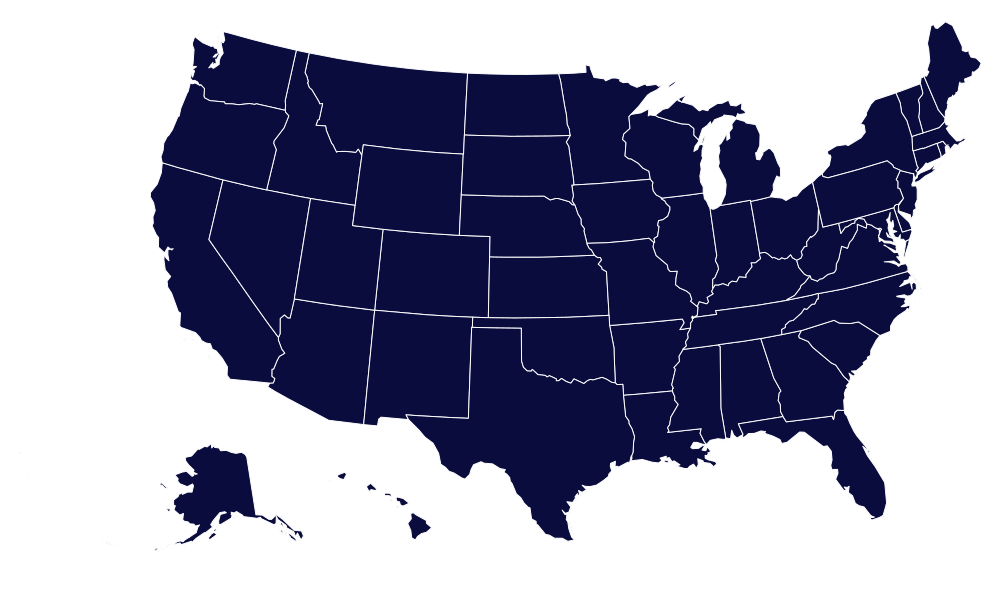
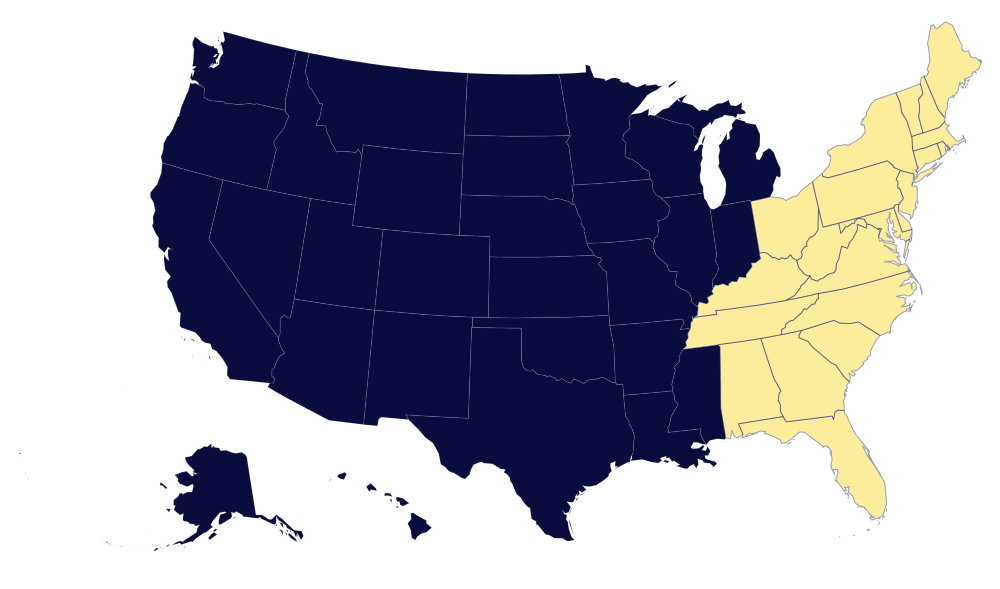
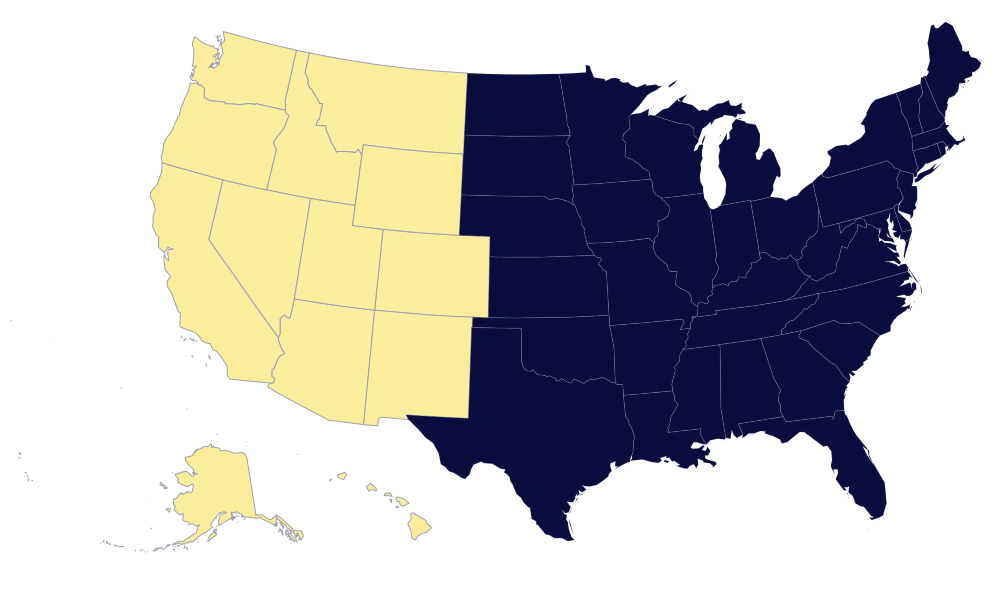
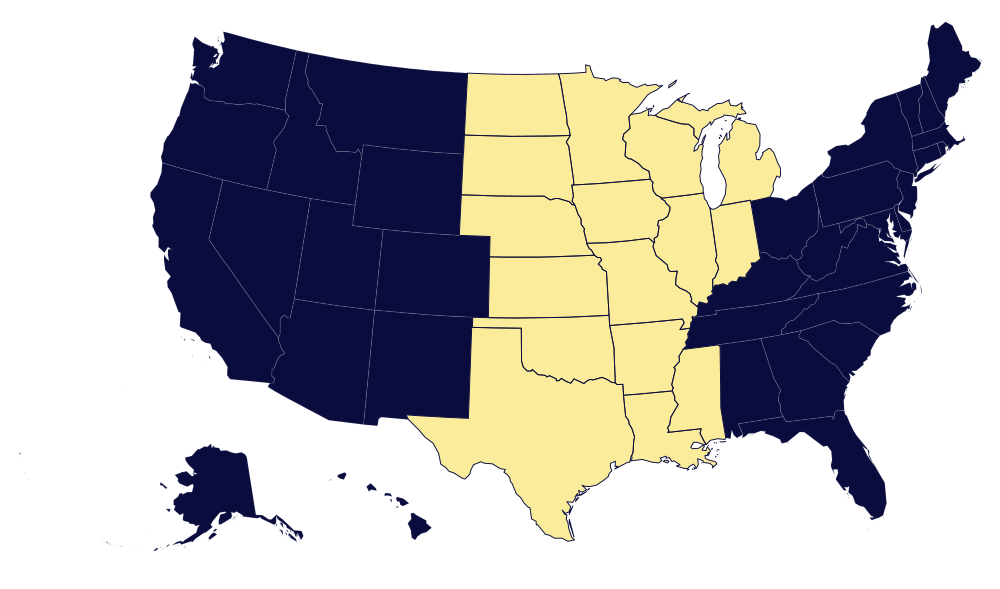
AVLS Nationwide Services
Central States
East Coast
*COMING SOON
West Coast



*COMING SOON
East Coast
Central States
West Coast
AVLS Nationwide Services
CONTACT US
When your event matters, trust your audio visual labor needs to AV Labor Source.
AVLS operate and has proven pool of AV technicians in major cities US Nationwide, such as Las Vegas, Los Angeles, Orlando, Dallas, San Antonio, Austin, Houston, Washington DC, Atlanta, New Orleans, Tennessee and more.
Please complete the form below and we will respond to you as soon as possible. We are available 24 hours a day to assist with your needs. We look forward to showing you what we can do toward the success of your next event.
AVLS operate and has proven pool of AV technicians in major cities US Nationwide, such as Las Vegas, Los Angeles, Orlando, Dallas, San Antonio, Austin, Houston, Washington DC, Atlanta, New Orleans, Tennessee and more.
Please complete the form below and we will respond to you as soon as possible. We are available 24 hours a day to assist with your needs. We look forward to showing you what we can do toward the success of your next event.
EVENT INFORMATION
