





July 6, 2026
How Audio Engineers Support Corporate Meetings and Conferences
A single audio failure during a Fortune 500 board meeting can cost companies millions in lost deals and damaged credibility. Yet most executives never realize that behind every seamless corporate presentation lies the expertise of skilled audio engineers who ensure crystal-clear communication reaches every participant, whether they're in the boardroom or joining virtually from across the globe.
Understanding how audio engineers support corporate meetings and conferences reveals the critical infrastructure that enables modern business communication. These technical professionals work behind the scenes to eliminate feedback, balance sound levels, manage wireless microphone systems, and integrate complex audio-visual setups that make high-stakes business discussions possible.
Key Takeaways
The Critical Role of Audio Engineering in Modern Corporate Events
Corporate meetings have evolved far beyond simple conference room discussions. Today's business environment demands sophisticated audio solutions that support everything from intimate executive briefings to large-scale shareholder meetings with thousands of participants.
Professional audio engineers bring specialized knowledge that transforms ordinary meeting spaces into communication hubs. They understand acoustics, signal processing, and the complex interplay between different audio components that create optimal listening environments.
The financial impact of poor audio quality extends beyond immediate meeting disruptions. Research shows that technical difficulties during virtual presentations can reduce audience retention by up to 40%, directly affecting business outcomes and decision-making processes.
Essential Audio Systems in Corporate Settings
Modern corporate audio systems encompass multiple interconnected components that require expert coordination:
How Audio Engineers Support Corporate Meetings Through Technical Expertise
The technical demands of corporate audio engineering require deep understanding of both equipment capabilities and meeting dynamics. Professional audio engineers assess room acoustics, participant count, and presentation requirements to design optimal sound systems.
Signal flow management represents one of the most critical aspects of corporate audio support. Engineers must route audio from multiple sources - podium microphones, laptop presentations, video conference feeds, and audience response systems - through mixing consoles that maintain consistent levels and quality.
Wireless frequency coordination becomes particularly complex in urban corporate environments where multiple companies operate simultaneous events. Experienced audio engineers use spectrum analyzers to identify clear frequencies and prevent interference that could disrupt important presentations.
Pre-Event Planning and System Design
Successful corporate audio support begins long before participants enter the meeting room. Audio engineers conduct site surveys to evaluate:
Acoustic characteristics of the venue, including reverberation times and potential noise sources that could interfere with speech intelligibility.
Power infrastructure requirements for amplifiers, mixing consoles, and wireless receiver systems that support extended meeting durations.
Integration needs with existing corporate AV systems, video conferencing platforms, and recording equipment already installed in the facility.
Many corporations work with specialized AV technicians in major business centers to ensure consistent audio quality across their meeting facilities nationwide.
Real-Time Audio Management During Corporate Events
Live event audio engineering requires constant attention and immediate problem-solving capabilities. Corporate meetings often involve multiple speakers with varying vocal characteristics, presentation styles, and technical comfort levels that audio engineers must accommodate seamlessly.
Dynamic range management ensures that quiet speakers remain audible while preventing loud presenters from overwhelming the audience. Professional engineers use compressors and limiters to maintain consistent audio levels without obvious processing artifacts.
Feedback elimination represents another critical real-time responsibility. Corporate meeting rooms often feature challenging acoustic environments with hard surfaces and complex geometries that can create feedback loops. Experienced audio engineers use graphic equalizers and automatic feedback suppressors to maintain system stability.
Managing Hybrid Meeting Audio Challenges
The rise of hybrid corporate meetings has created new technical challenges that require specialized audio engineering solutions. Remote participants need to hear in-room discussions clearly while their contributions must be audible to local attendees without echo or delay.
Echo cancellation systems process audio signals to prevent remote participants from hearing their own voices delayed through the meeting room speakers. This technology requires careful calibration and ongoing adjustment throughout the meeting.
Automatic mixing algorithms help balance audio levels between multiple microphones in the corporate meeting space, ensuring that remote participants can follow conversations naturally without manual intervention from meeting facilitators.
Professional corporate event AV technicians understand these hybrid meeting requirements and implement solutions that create seamless communication experiences.
Advanced Audio Technologies in Corporate Conference Support
Modern corporate conferences leverage sophisticated audio technologies that require specialized engineering expertise to implement effectively. Digital signal processing platforms offer unprecedented control over audio quality and system flexibility.
Networked audio systems allow engineers to route signals between multiple rooms and remote locations using standard network infrastructure. These systems support large corporate conferences with breakout sessions, simultaneous translation, and distributed presentation areas.
Artificial intelligence-powered audio processing automatically adjusts microphone levels, suppresses background noise, and enhances speech clarity without manual intervention. These systems learn from meeting patterns to optimize audio quality continuously.
Wireless Audio Innovation
Corporate meetings increasingly rely on wireless audio solutions that provide speakers with freedom of movement while maintaining professional sound quality. Modern wireless systems operate across multiple frequency bands and include advanced features like automatic frequency selection and diversity reception.
Digital wireless technology offers superior audio quality compared to traditional analog systems while providing encrypted transmission for sensitive corporate discussions. Battery life management and real-time monitoring capabilities ensure reliable operation throughout extended meeting sessions.
Beamforming microphone arrays capture audio from specific directions while rejecting background noise and room acoustics. These systems work particularly well in corporate boardrooms where participants remain seated in predictable locations.
Quality Assurance and Troubleshooting in Corporate Audio
Professional audio engineers implement comprehensive quality assurance protocols that prevent technical failures during critical corporate meetings. These procedures include equipment redundancy, backup power systems, and rapid response troubleshooting capabilities.
System monitoring tools provide real-time feedback on audio levels, wireless signal strength, and equipment status throughout corporate events. Engineers can identify and resolve potential issues before they affect meeting participants.
Backup equipment strategies ensure that critical audio components have immediate replacements available. This includes spare wireless microphones, backup mixing consoles, and redundant amplification systems that can be activated within seconds.
Corporate clients in major business centers often rely on experienced AV teams in cities like San Francisco and Washington DC for mission-critical meeting support.
Preventive Maintenance and System Optimization
Regular maintenance schedules keep corporate audio systems operating at peak performance levels. Audio engineers perform systematic testing of all components, update firmware, and calibrate equipment to maintain consistent quality standards.
Performance optimization involves ongoing analysis of system capabilities and incremental improvements based on user feedback and technological advances. This process ensures that corporate audio systems continue meeting evolving business communication requirements.
Training and Collaboration with Corporate Teams
Effective corporate audio support extends beyond technical implementation to include training and collaboration with internal teams. Audio engineers work closely with corporate event planners, IT departments, and executive assistants to ensure smooth meeting operations.
Operator training programs teach corporate staff basic audio system operation, including microphone activation, volume adjustment, and emergency procedures. This knowledge enables quick response to minor issues without requiring immediate engineering support.
Integration with corporate workflows ensures that audio systems complement existing meeting processes and technology platforms. Engineers configure systems to work seamlessly with calendar applications, video conferencing software, and corporate communication tools.
Many organizations benefit from partnerships with comprehensive AV staffing services that provide both technical expertise and training support for internal teams.
Measuring Success in Corporate Audio Engineering
Professional audio engineers use specific metrics to evaluate the success of corporate meeting support. These measurements help identify areas for improvement and demonstrate the value of professional audio services.
Audio quality metrics include speech intelligibility scores, background noise levels, and frequency response measurements that quantify the listening experience for meeting participants.
Reliability statistics track system uptime, equipment failures, and response times for technical issues that arise during corporate events. These data points help optimize maintenance schedules and equipment selection.
User satisfaction surveys gather feedback from meeting participants about audio quality, ease of use, and overall communication effectiveness. This information guides future system improvements and service enhancements.
Future Trends in Corporate Meeting Audio Support
The corporate audio engineering field continues evolving with new technologies and changing business communication patterns. Artificial intelligence integration, immersive audio experiences, and enhanced remote collaboration tools represent significant growth areas.
Spatial audio technologies create more natural listening experiences for remote meeting participants by simulating the acoustic environment of the corporate meeting room. These systems help remote attendees feel more connected to in-person discussions.
Voice recognition integration enables automatic meeting transcription, real-time translation, and intelligent audio routing based on speaker identification. These capabilities enhance meeting productivity and accessibility for diverse corporate audiences.
Professional audio engineers must stay current with these technological advances while maintaining expertise in fundamental audio principles that ensure reliable corporate communication support.
Conclusion
Understanding how audio engineers support corporate meetings and conferences reveals the sophisticated technical infrastructure required for modern business communication. These professionals combine deep technical knowledge with real-time problem-solving skills to create seamless audio experiences that enable effective corporate collaboration.
The investment in professional audio engineering pays dividends through improved meeting productivity, enhanced participant engagement, and reduced technical disruptions that can derail important business discussions. As corporate communication continues evolving toward hybrid and remote formats, the expertise of skilled audio engineers becomes increasingly valuable.
Organizations planning corporate meetings and conferences should prioritize professional audio support to ensure their important messages reach audiences clearly and effectively. The technical complexity of modern corporate audio systems requires specialized knowledge that only experienced engineers can provide.
For comprehensive audio engineering support for your next corporate meeting or conference, contact our experienced team of AV professionals. We provide skilled technicians and complete audio solutions nationwide to ensure your business communications achieve maximum impact. Get in touch with our experts today to discuss your corporate audio requirements.
Understanding how audio engineers support corporate meetings and conferences reveals the critical infrastructure that enables modern business communication. These technical professionals work behind the scenes to eliminate feedback, balance sound levels, manage wireless microphone systems, and integrate complex audio-visual setups that make high-stakes business discussions possible.
Key Takeaways
- Audio engineers prevent costly communication failures that can derail important business meetings and presentations
- Professional sound management ensures equal participation for both in-person and remote attendees in hybrid meetings
- Technical expertise in wireless systems, mixing consoles, and digital audio processing creates seamless corporate experiences
- Real-time troubleshooting capabilities minimize disruptions during critical business discussions
- Strategic audio design enhances message clarity and audience engagement across various meeting formats
The Critical Role of Audio Engineering in Modern Corporate Events
Corporate meetings have evolved far beyond simple conference room discussions. Today's business environment demands sophisticated audio solutions that support everything from intimate executive briefings to large-scale shareholder meetings with thousands of participants.
Professional audio engineers bring specialized knowledge that transforms ordinary meeting spaces into communication hubs. They understand acoustics, signal processing, and the complex interplay between different audio components that create optimal listening environments.
The financial impact of poor audio quality extends beyond immediate meeting disruptions. Research shows that technical difficulties during virtual presentations can reduce audience retention by up to 40%, directly affecting business outcomes and decision-making processes.
Essential Audio Systems in Corporate Settings
Modern corporate audio systems encompass multiple interconnected components that require expert coordination:
- Wireless microphone networks for speaker mobility and audience interaction
- Digital mixing consoles that balance multiple audio sources simultaneously
- Audio processing equipment that eliminates echo and background noise
- Integration platforms connecting in-person and remote participants
- Recording systems for documentation and future reference
How Audio Engineers Support Corporate Meetings Through Technical Expertise
The technical demands of corporate audio engineering require deep understanding of both equipment capabilities and meeting dynamics. Professional audio engineers assess room acoustics, participant count, and presentation requirements to design optimal sound systems.
Signal flow management represents one of the most critical aspects of corporate audio support. Engineers must route audio from multiple sources - podium microphones, laptop presentations, video conference feeds, and audience response systems - through mixing consoles that maintain consistent levels and quality.
Wireless frequency coordination becomes particularly complex in urban corporate environments where multiple companies operate simultaneous events. Experienced audio engineers use spectrum analyzers to identify clear frequencies and prevent interference that could disrupt important presentations.
Pre-Event Planning and System Design
Successful corporate audio support begins long before participants enter the meeting room. Audio engineers conduct site surveys to evaluate:
Acoustic characteristics of the venue, including reverberation times and potential noise sources that could interfere with speech intelligibility.
Power infrastructure requirements for amplifiers, mixing consoles, and wireless receiver systems that support extended meeting durations.
Integration needs with existing corporate AV systems, video conferencing platforms, and recording equipment already installed in the facility.
Many corporations work with specialized AV technicians in major business centers to ensure consistent audio quality across their meeting facilities nationwide.
Real-Time Audio Management During Corporate Events
Live event audio engineering requires constant attention and immediate problem-solving capabilities. Corporate meetings often involve multiple speakers with varying vocal characteristics, presentation styles, and technical comfort levels that audio engineers must accommodate seamlessly.
Dynamic range management ensures that quiet speakers remain audible while preventing loud presenters from overwhelming the audience. Professional engineers use compressors and limiters to maintain consistent audio levels without obvious processing artifacts.
Feedback elimination represents another critical real-time responsibility. Corporate meeting rooms often feature challenging acoustic environments with hard surfaces and complex geometries that can create feedback loops. Experienced audio engineers use graphic equalizers and automatic feedback suppressors to maintain system stability.
Managing Hybrid Meeting Audio Challenges
The rise of hybrid corporate meetings has created new technical challenges that require specialized audio engineering solutions. Remote participants need to hear in-room discussions clearly while their contributions must be audible to local attendees without echo or delay.
Echo cancellation systems process audio signals to prevent remote participants from hearing their own voices delayed through the meeting room speakers. This technology requires careful calibration and ongoing adjustment throughout the meeting.
Automatic mixing algorithms help balance audio levels between multiple microphones in the corporate meeting space, ensuring that remote participants can follow conversations naturally without manual intervention from meeting facilitators.
Professional corporate event AV technicians understand these hybrid meeting requirements and implement solutions that create seamless communication experiences.
Advanced Audio Technologies in Corporate Conference Support
Modern corporate conferences leverage sophisticated audio technologies that require specialized engineering expertise to implement effectively. Digital signal processing platforms offer unprecedented control over audio quality and system flexibility.
Networked audio systems allow engineers to route signals between multiple rooms and remote locations using standard network infrastructure. These systems support large corporate conferences with breakout sessions, simultaneous translation, and distributed presentation areas.
Artificial intelligence-powered audio processing automatically adjusts microphone levels, suppresses background noise, and enhances speech clarity without manual intervention. These systems learn from meeting patterns to optimize audio quality continuously.
Wireless Audio Innovation
Corporate meetings increasingly rely on wireless audio solutions that provide speakers with freedom of movement while maintaining professional sound quality. Modern wireless systems operate across multiple frequency bands and include advanced features like automatic frequency selection and diversity reception.
Digital wireless technology offers superior audio quality compared to traditional analog systems while providing encrypted transmission for sensitive corporate discussions. Battery life management and real-time monitoring capabilities ensure reliable operation throughout extended meeting sessions.
Beamforming microphone arrays capture audio from specific directions while rejecting background noise and room acoustics. These systems work particularly well in corporate boardrooms where participants remain seated in predictable locations.
Quality Assurance and Troubleshooting in Corporate Audio
Professional audio engineers implement comprehensive quality assurance protocols that prevent technical failures during critical corporate meetings. These procedures include equipment redundancy, backup power systems, and rapid response troubleshooting capabilities.
System monitoring tools provide real-time feedback on audio levels, wireless signal strength, and equipment status throughout corporate events. Engineers can identify and resolve potential issues before they affect meeting participants.
Backup equipment strategies ensure that critical audio components have immediate replacements available. This includes spare wireless microphones, backup mixing consoles, and redundant amplification systems that can be activated within seconds.
Corporate clients in major business centers often rely on experienced AV teams in cities like San Francisco and Washington DC for mission-critical meeting support.
Preventive Maintenance and System Optimization
Regular maintenance schedules keep corporate audio systems operating at peak performance levels. Audio engineers perform systematic testing of all components, update firmware, and calibrate equipment to maintain consistent quality standards.
Performance optimization involves ongoing analysis of system capabilities and incremental improvements based on user feedback and technological advances. This process ensures that corporate audio systems continue meeting evolving business communication requirements.
Training and Collaboration with Corporate Teams
Effective corporate audio support extends beyond technical implementation to include training and collaboration with internal teams. Audio engineers work closely with corporate event planners, IT departments, and executive assistants to ensure smooth meeting operations.
Operator training programs teach corporate staff basic audio system operation, including microphone activation, volume adjustment, and emergency procedures. This knowledge enables quick response to minor issues without requiring immediate engineering support.
Integration with corporate workflows ensures that audio systems complement existing meeting processes and technology platforms. Engineers configure systems to work seamlessly with calendar applications, video conferencing software, and corporate communication tools.
Many organizations benefit from partnerships with comprehensive AV staffing services that provide both technical expertise and training support for internal teams.
Measuring Success in Corporate Audio Engineering
Professional audio engineers use specific metrics to evaluate the success of corporate meeting support. These measurements help identify areas for improvement and demonstrate the value of professional audio services.
Audio quality metrics include speech intelligibility scores, background noise levels, and frequency response measurements that quantify the listening experience for meeting participants.
Reliability statistics track system uptime, equipment failures, and response times for technical issues that arise during corporate events. These data points help optimize maintenance schedules and equipment selection.
User satisfaction surveys gather feedback from meeting participants about audio quality, ease of use, and overall communication effectiveness. This information guides future system improvements and service enhancements.
Future Trends in Corporate Meeting Audio Support
The corporate audio engineering field continues evolving with new technologies and changing business communication patterns. Artificial intelligence integration, immersive audio experiences, and enhanced remote collaboration tools represent significant growth areas.
Spatial audio technologies create more natural listening experiences for remote meeting participants by simulating the acoustic environment of the corporate meeting room. These systems help remote attendees feel more connected to in-person discussions.
Voice recognition integration enables automatic meeting transcription, real-time translation, and intelligent audio routing based on speaker identification. These capabilities enhance meeting productivity and accessibility for diverse corporate audiences.
Professional audio engineers must stay current with these technological advances while maintaining expertise in fundamental audio principles that ensure reliable corporate communication support.
Conclusion
Understanding how audio engineers support corporate meetings and conferences reveals the sophisticated technical infrastructure required for modern business communication. These professionals combine deep technical knowledge with real-time problem-solving skills to create seamless audio experiences that enable effective corporate collaboration.
The investment in professional audio engineering pays dividends through improved meeting productivity, enhanced participant engagement, and reduced technical disruptions that can derail important business discussions. As corporate communication continues evolving toward hybrid and remote formats, the expertise of skilled audio engineers becomes increasingly valuable.
Organizations planning corporate meetings and conferences should prioritize professional audio support to ensure their important messages reach audiences clearly and effectively. The technical complexity of modern corporate audio systems requires specialized knowledge that only experienced engineers can provide.
For comprehensive audio engineering support for your next corporate meeting or conference, contact our experienced team of AV professionals. We provide skilled technicians and complete audio solutions nationwide to ensure your business communications achieve maximum impact. Get in touch with our experts today to discuss your corporate audio requirements.


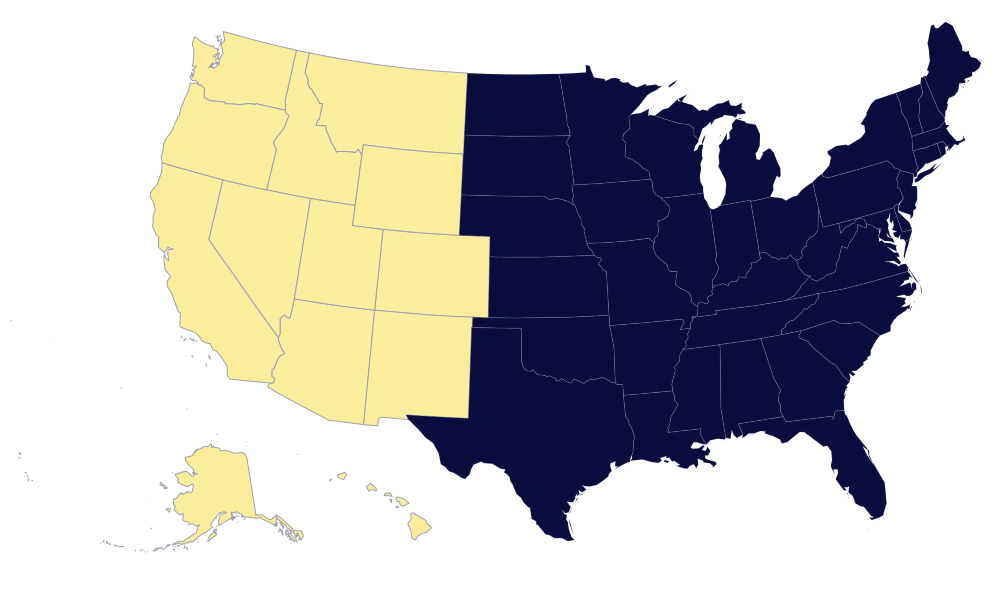
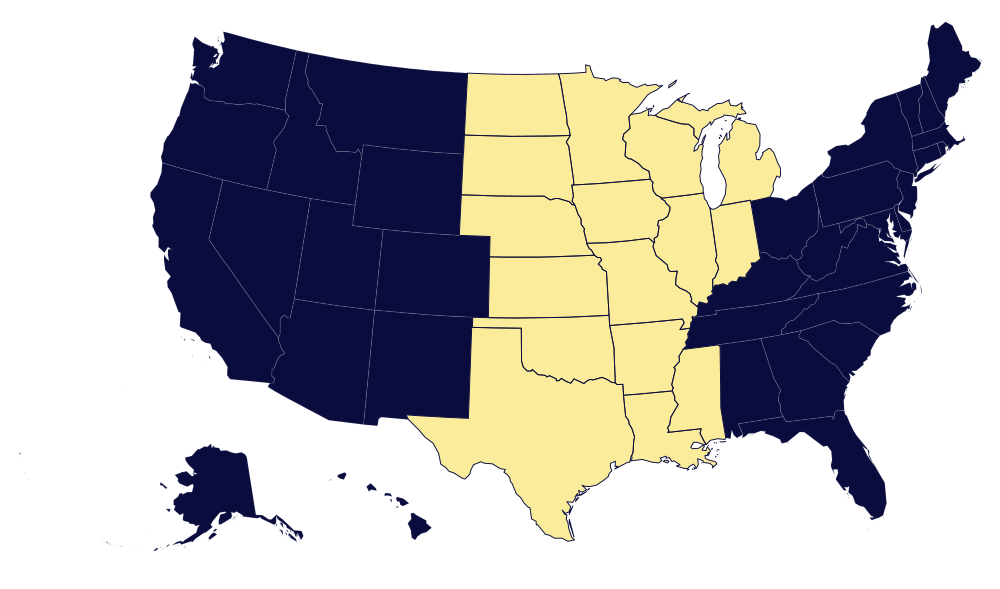
AVLS Nationwide Services
Central States
East Coast
*COMING SOON
West Coast



*COMING SOON
East Coast
Central States
West Coast
AVLS Nationwide Services
CONTACT US
When your event matters, trust your audio visual labor needs to AV Labor Source.
AVLS operate and has proven pool of AV technicians in major cities US Nationwide, such as Las Vegas, Los Angeles, Orlando, Dallas, San Antonio, Austin, Houston, Washington DC, Atlanta, New Orleans, Tennessee and more.
Please complete the form below and we will respond to you as soon as possible. We are available 24 hours a day to assist with your needs. We look forward to showing you what we can do toward the success of your next event.
AVLS operate and has proven pool of AV technicians in major cities US Nationwide, such as Las Vegas, Los Angeles, Orlando, Dallas, San Antonio, Austin, Houston, Washington DC, Atlanta, New Orleans, Tennessee and more.
Please complete the form below and we will respond to you as soon as possible. We are available 24 hours a day to assist with your needs. We look forward to showing you what we can do toward the success of your next event.
EVENT INFORMATION
