





July 20, 2026
Common Event Lighting Mistakes and How to Avoid Them
Quick Answer
Event lighting mistakes can destroy the atmosphere and ruin photos, but they're entirely preventable. The most common issues include using harsh overhead lighting that creates unflattering shadows, choosing the wrong color temperature that makes everything look unnatural, and failing to balance ambient and accent lighting properly. Professional event planners avoid these pitfalls by testing lighting setups beforehand, using multiple light sources at different heights, and matching color temperatures throughout the venue.
Key Takeaways
What Are the Most Common Event Lighting Mistakes
The five most critical lighting errors that plague events are using only overhead fixtures, ignoring color temperature consistency, creating harsh shadows on faces, insufficient lighting for photography, and poor timing of lighting changes. These mistakes occur because planners often treat lighting as an afterthought rather than a foundational element of event design.
Overhead-Only Lighting Problems
Most venues rely on ceiling-mounted fixtures that cast unflattering downward shadows on guests' faces. This creates the "raccoon eye" effect in photos and makes the space feel institutional rather than welcoming. Professional events use uplighting, side lighting, and table-level illumination to create a more flattering and dynamic environment.
Color Temperature Inconsistency
Mixing different types of bulbs creates a patchwork of warm yellow and cool blue light that looks amateurish. Standard incandescent bulbs produce 2700K warm light, while many LED fixtures default to 5000K cool white. The human eye notices these differences immediately, even if guests can't articulate why the lighting feels "off."
Inadequate Photography Lighting
Many events look beautiful to the naked eye but photograph terribly due to insufficient light levels or poor light placement. Cameras need significantly more light than human eyes, and backlighting situations (like speakers standing in front of bright screens) create silhouettes instead of clear images.
How Do I Avoid Harsh Shadows in Event Lighting
Eliminate harsh shadows by using multiple light sources positioned at different angles and heights, rather than relying on single overhead fixtures. The key principle is creating what photographers call "fill lighting" - secondary light sources that soften the hard edges created by primary lights.
Strategic Light Placement Techniques
Position lights at 45-degree angles to faces rather than directly overhead or straight-on. Use uplighting to bounce light off ceilings, creating a soft, diffused glow that fills in shadows naturally. Place table lamps or low-profile LED strips at eye level to provide flattering facial lighting during conversations and dining.
The Three-Point Lighting Method
Adapt this professional technique by creating a key light (primary illumination), fill light (shadow softener), and back light (separation from background). For events, this translates to overhead ambient lighting, side or table-level fill lighting, and accent lights that highlight architectural features or decor elements.
Quick Shadow Test
Have someone stand in your main gathering areas while you observe their face from different angles. If you see deep shadows under their eyes, nose, or chin, add fill lighting from the opposite direction. This simple test prevents the most common shadow problems that ruin event photos.
Understanding Uplighting vs Ambient Lighting Differences
Uplighting directs light upward to bounce off ceilings and walls, creating soft, indirect illumination that fills a space evenly. Ambient lighting refers to the general, overall illumination level in a room, which can come from any combination of sources including overhead fixtures, lamps, and uplights.
When to Use Uplighting
Choose uplighting for venues with white or light-colored ceilings that can effectively reflect light back down. This technique works exceptionally well in ballrooms, tents with fabric ceilings, and spaces where you want to create color washes on walls. Uplighting eliminates harsh shadows and creates a more intimate atmosphere than direct overhead lighting.
Ambient Lighting Applications
Ambient lighting should provide enough general illumination for safe movement and basic activities, typically 10-20 foot-candles for social events. This baseline lighting comes from a combination of sources and should be even throughout the space. Avoid creating bright spots and dark corners that make guests feel uncomfortable or unsafe.
Combining Both Effectively
The most successful events use uplighting to create atmosphere and color, while ambient lighting ensures functionality. Start with sufficient ambient light for your activities, then add uplighting for visual interest and warmth. This layered approach gives you flexibility to adjust the mood throughout the event.
Why Does My Event Lighting Look Washed Out on Camera
Washed-out lighting in photos typically results from insufficient contrast between light and dark areas, overexposure from bright backgrounds, or using lights with poor color rendering properties. Cameras capture light differently than human eyes, requiring more intentional lighting design for good photography results.
Contrast and Dynamic Range Issues
Cameras have limited dynamic range compared to human vision, meaning they can't simultaneously capture detail in very bright and very dark areas. If your lighting is too flat or even, photos will lack depth and visual interest. Create intentional light and shadow patterns to give cameras something to work with.
Background Lighting Problems
Bright windows, projection screens, or uplighting behind speakers create backlighting that forces cameras to choose between exposing for the background (making people silhouettes) or the subject (making backgrounds blindingly bright). Position key subjects away from bright backgrounds or add front lighting to balance the exposure.
Color Rendering Solutions
Use lights with high Color Rendering Index (CRI) ratings above 90 for areas where photography is important. Cheap LED fixtures often have CRI ratings below 70, which makes colors look muddy or unnatural in photos. Professional event lighting uses high-CRI fixtures specifically to ensure good photography results.
Professional Event Lighting Costs and Budget Planning
Professional event lighting typically costs between $500-$5,000 for most events, depending on venue size, complexity, and duration. Budget 10-15% of your total event budget for lighting, or expect to pay $15-50 per person for comprehensive lighting design and installation.
Basic Lighting Package Costs
Simple uplighting for a 100-person event ranges from $800-1,500, including setup and breakdown. This covers 8-12 uplights with color-changing capability and basic ambient lighting adjustments. Add $200-400 for each additional lighting zone or special effect area.
Full Production Lighting Investment
Complex events with multiple rooms, outdoor areas, or entertainment lighting can cost $3,000-15,000 or more. This includes lighting design consultation, equipment rental, professional installation, and on-site technician support throughout the event. Corporate events requiring extensive AV support often fall into this category.
DIY vs Professional Decision Points
Choose DIY lighting for intimate events under 50 people in simple venues with good existing lighting. Hire professionals for events over 100 people, outdoor venues, multiple rooms, or when photography/videography is critical. The cost difference becomes worthwhile when you factor in equipment rental, setup time, and the risk of technical problems during your event.
Can I Use Regular Household Lights for Events
Regular household lights can work for small, intimate gatherings but lack the power, durability, and flexibility needed for most events. Standard table lamps and floor lamps provide only 10-25% of the light output needed for proper event illumination and photography.
Household Lighting Limitations
Standard incandescent and CFL bulbs produce insufficient light levels for events larger than 20 people. They also generate significant heat, have limited dimming capabilities, and can't create the color effects that make events feel special. Extension cords and household fixtures aren't designed for the temporary installations that events require.
When Household Lights Work
Use household lighting for backyard parties, small dinner gatherings, or intimate indoor celebrations where you want a cozy, residential feel. Combine multiple table lamps, floor lamps, and string lights to create adequate coverage. This approach works best when supplementing existing venue lighting rather than replacing it entirely.
Upgrading from Household Solutions
Invest in basic LED par cans or battery-powered uplights for events over 30 people. These provide 5-10 times more light output than household fixtures and offer color-changing capabilities. The equipment pays for itself after 2-3 events compared to repeatedly renting or buying disposable lighting solutions.
Outdoor Wedding Lighting Setup Requirements
Outdoor weddings require completely independent lighting systems since natural venues lack electrical infrastructure and weather protection. Plan for ceremony lighting, reception area illumination, pathway safety lighting, and backup power systems to ensure your event succeeds regardless of conditions.
Ceremony Lighting Essentials
Position lights to illuminate the officiant and couple without creating glare for guests or photographers. Use battery-powered LED fixtures that won't require extension cords across walkways. Plan for golden hour timing when natural light is most flattering, but have artificial lighting ready for overcast conditions or evening ceremonies.
Reception Area Coverage
Outdoor receptions need 3-4 times more artificial light than indoor venues to achieve the same perceived brightness. Use a combination of string lights for ambiance, uplighting for architectural features or trees, and table-level lighting for dining areas. Ensure adequate lighting for band or DJ areas and dance floors.
Weather and Power Considerations
All outdoor lighting must be rated for weather exposure or protected by tents and covers. Plan backup battery systems for critical lighting areas, as generators can be noisy and may fail. Professional AV technicians experienced in outdoor events can help design systems that handle weather challenges and power limitations.
Last-Minute Event Lighting Problem Solutions
When lighting problems arise hours before your event, focus on quick fixes using portable equipment and strategic repositioning rather than complete redesigns. Most last-minute issues can be resolved with battery-powered lights, extension cords, and creative use of existing fixtures.
Emergency Lighting Kit Essentials
Keep battery-powered LED uplights, string lights, and portable spotlights available for quick deployment. These don't require electrical work and can dramatically improve problem areas within minutes. Add reflectors or white fabric panels to redirect existing light into dark corners or shadow areas.
Repositioning Existing Fixtures
Move table lamps, floor lamps, and portable fixtures to eliminate dark spots or harsh shadows. Angle lights toward walls and ceilings for softer, more diffused illumination. Remove or redirect lights that create glare or backlighting problems for speakers or photographers.
Working with Venue Limitations
If venue lighting can't be modified, use strategic decoration to improve the situation. Light-colored linens and decorations reflect more light than dark colors. Mirrors and metallic accents can redirect light into problem areas. Sometimes the solution is adjusting your event layout rather than adding more equipment.
Small Indoor Event Lighting Best Practices
Small indoor events benefit from intimate, layered lighting that creates warmth without overwhelming the space. Use table lamps, candles, and accent lighting to supplement existing fixtures rather than competing with them.
Layered Lighting Approach
Combine three lighting levels: ambient (general room lighting), task (focused areas for activities), and accent (decorative or mood lighting). This creates depth and visual interest while ensuring adequate illumination for all activities. Avoid relying on overhead fixtures alone, which create a flat, institutional feeling.
Intimate Venue Considerations
Small spaces require careful balance - too much lighting feels harsh and commercial, while too little creates an uncomfortable, cave-like atmosphere. Use warm color temperatures (2700K-3000K) to create coziness. Position lights at eye level or below to create a more intimate scale than overhead fixtures.
Flexible Control Systems
Install dimmer switches or use dimmable LED fixtures to adjust lighting throughout the event. Start with brighter lighting for arrival and dining, then dim lights for speeches or entertainment. This flexibility allows you to adapt the atmosphere as your event progresses.
Why Event Spaces Feel Too Dark Despite Having Lights
Event spaces often feel dark because of poor light distribution, insufficient light levels for the space size, or psychological factors like high ceilings and dark colors that absorb light. The solution requires adding more light sources and improving their placement rather than simply increasing wattage.
Light Distribution Problems
Spaces feel dark when lighting is concentrated in small areas, leaving large portions in shadow. This commonly occurs with track lighting or chandeliers that create bright spots but don't illuminate the entire space evenly. Add perimeter lighting and fill lights to eliminate dark corners and create more uniform coverage.
Insufficient Light Levels
Many venues have lighting designed for basic visibility rather than event ambiance. Social events require 10-20 foot-candles of illumination, while dining areas need 20-30 foot-candles for comfortable conversation. Measure your actual light levels with a smartphone app or light meter to determine if you need additional fixtures.
Psychological Lighting Factors
High ceilings, dark walls, and heavy furniture absorb light and create a cave-like feeling even with adequate illumination. Combat this with uplighting to highlight architectural features, light-colored decorations to reflect more light, and multiple light sources at human scale to create a more intimate atmosphere.
DIY vs Professional Lighting Designer Decision Guide
Choose DIY lighting for events under 75 people in venues with good existing lighting and simple layouts. Hire professional lighting designers for complex venues, events over 150 people, outdoor locations, or when photography/videography quality is critical to your event's success.
DIY-Friendly Event Characteristics
Small guest counts, single-room venues, daytime events with natural light, and informal gatherings work well with DIY lighting approaches. If your venue's existing lighting creates a pleasant atmosphere and you only need minor enhancements, basic uplighting and accent lights can achieve professional-looking results.
Professional Designer Benefits
Experienced lighting designers prevent costly mistakes, ensure adequate power distribution, and create cohesive lighting schemes that enhance your event's goals. They have access to professional-grade equipment and can handle complex installations safely. Skilled technical crews bring expertise that's difficult to replicate with DIY approaches.
Hybrid Approach Considerations
Some events benefit from professional consultation with DIY execution. A lighting designer can create a plan and equipment list that you implement yourself, saving labor costs while ensuring professional results. This works well for venues you'll use repeatedly or when you want to learn lighting techniques for future events.
Lighting Mistakes That Ruin Event Photos and Videos
The most devastating photography mistakes include backlighting subjects, creating harsh shadows on faces, using mixed color temperatures, and insufficient overall light levels. These issues make professional photography nearly impossible and result in disappointing documentation of important events.
Backlighting Disasters
Positioning speakers, couples, or key subjects in front of bright windows, screens, or uplighting creates silhouettes instead of clear images. Cameras expose for the bright background, making people appear as dark shapes. Always position key subjects with light sources behind or beside the camera position.
Mixed Color Temperature Problems
Combining tungsten, fluorescent, and LED lights with different color temperatures creates color casts that are difficult to correct in post-production. Stick to consistent color temperatures throughout areas where photography is important, typically 3000K-4000K for the most flattering skin tones.
Insufficient Light Level Issues
Cameras need significantly more light than human eyes to produce sharp, noise-free images. Areas that look adequately lit to guests may be too dark for quality photography. Plan for 50-100 foot-candles in areas where important photos will be taken, such as head tables, altars, or presentation areas.
Choosing the Right Color Temperature for Events
Select 2700K-3000K warm white for intimate, social atmospheres and 3500K-4000K neutral white for business events or areas requiring good photography. Avoid mixing different color temperatures in the same space, as this creates an unprofessional, patchwork appearance that guests notice subconsciously.
Warm vs Cool Temperature Effects
Warm light (2700K-3000K) creates cozy, intimate feelings and flatters skin tones, making it ideal for dining areas, lounges, and social spaces. Cool light (4000K-5000K) appears more energetic and professional but can feel harsh or clinical in social settings. Choose based on the emotional atmosphere you want to create.
Consistency Throughout Spaces
Maintain the same color temperature throughout connected areas that guests can see simultaneously. Dramatic color temperature changes between rooms feel jarring and unprofessional. If you must use different temperatures, create clear visual separation between areas with doorways, curtains, or architectural elements.
Special Effect Considerations
Colored lighting for accent or mood effects should supplement, not replace, your primary white lighting. Use colored uplighting on walls or architectural features while maintaining consistent white light for functional areas. This creates visual interest without compromising the overall lighting quality.
LED vs Traditional Event Lighting Comparison
LED fixtures offer superior energy efficiency, heat reduction, and color-changing capabilities compared to traditional incandescent or halogen lights, but they require higher upfront investment and careful attention to color quality. For most events, LED technology provides better results and lower operating costs.
LED Advantages for Events
LED fixtures consume 80-90% less electricity than incandescent equivalents, reducing power requirements and electrical costs. They generate minimal heat, improving guest comfort and reducing air conditioning loads. Color-changing LEDs eliminate the need for colored gels and allow real-time atmosphere adjustments throughout events.
Traditional Lighting Benefits
Incandescent and halogen fixtures provide excellent color rendering and warm, familiar light quality at lower equipment costs. They're also more familiar to many technicians and easier to troubleshoot when problems occur. For events prioritizing color accuracy over energy efficiency, traditional fixtures may still be preferred.
Cost-Benefit Analysis
LED fixtures cost 2-5 times more initially but save money on power consumption, bulb replacements, and cooling costs. For events lasting more than 6 hours or venues used frequently, LED technology typically pays for itself within the first year. Professional AV equipment specialists can help calculate the break-even point for your specific situation.
FAQ
How much lighting do I need for a 100-person event?
Plan for 12-16 uplights around the perimeter, adequate ambient lighting for 15-20 foot-candles, and accent lighting for key areas. This typically requires 3,000-5,000 watts of total lighting power for indoor venues.
Can I set up event lighting myself without experience?
Basic uplighting and accent lighting can be DIY projects for small events, but hire professionals for complex installations, outdoor venues, or events over 100 people. Safety and power distribution require expertise.
What's the biggest lighting mistake first-time event planners make?
Relying only on venue overhead lighting without adding ambient, accent, or uplighting. This creates harsh shadows and an institutional atmosphere that ruins the event ambiance.
How far in advance should I plan event lighting?
Book professional lighting services 4-6 weeks in advance for popular dates. Plan your lighting design at least 2 weeks before the event to allow time for equipment sourcing and setup coordination.
Do outdoor events always need generators for lighting?
Not always - battery-powered LED fixtures can handle most outdoor lighting needs for 6-8 hours. Generators are necessary for large installations, extended events, or when using traditional lighting equipment.
What lighting works best for event photography?
Use consistent 3000K-4000K color temperature with 50-100 foot-candles in key photo areas. Avoid backlighting situations and ensure even light distribution to eliminate harsh shadows on faces.
How do I prevent lighting equipment theft at outdoor events?
Secure fixtures to structures when possible, use equipment with locking mechanisms, and station security or staff near valuable lighting equipment. Consider insurance coverage for high-value installations.
What's the difference between uplighting and downlighting?
Uplighting directs light toward ceilings and walls for soft, diffused illumination. Downlighting comes from overhead fixtures and creates more direct, task-oriented lighting with potential shadow problems.
Can I use smart home lighting for events?
Smart bulbs work for small, indoor gatherings but lack the power and durability needed for larger events. They're useful for color-changing effects in residential venues but insufficient as primary event lighting.
How do I calculate power requirements for event lighting?
Add up the wattage of all fixtures and multiply by 1.25 for safety margin. Most venues provide 15-20 amp circuits, supporting about 1,800-2,400 watts per circuit safely.
What backup lighting should I have for emergencies?
Keep battery-powered LED fixtures, flashlights, and extension cords available. Plan backup power for critical areas like exits, stages, and food service areas where lighting failure creates safety issues.
How do I make harsh venue lighting more flattering?
Add uplighting and table-level lighting to fill in shadows created by overhead fixtures. Use warm color temperatures and diffusion materials to soften harsh direct lighting.
Conclusion
Avoiding common event lighting mistakes requires planning, proper equipment selection, and understanding how light affects both atmosphere and photography. The most critical steps are testing your lighting setup in advance, using multiple light sources at different heights, maintaining consistent color temperatures, and ensuring adequate illumination for both guests and cameras.
Start your lighting planning early in the event design process rather than treating it as a last-minute detail. Consider hiring professional AV technicians for complex venues or important events where lighting quality directly impacts your success. Remember that good lighting enhances every other aspect of your event, from guest comfort to photography results.
The investment in proper lighting pays dividends in guest satisfaction, photo quality, and overall event success. Whether you choose DIY solutions for intimate gatherings or professional installations for large productions, following these guidelines will help you avoid the most common pitfalls that plague poorly lit events.
Need Professional Event Lighting Support?
Planning a complex event or dealing with challenging lighting requirements? AV Labor Source provides experienced lighting technicians and comprehensive event production support nationwide. Our skilled professionals handle everything from basic uplighting to complex multi-room installations, ensuring your event lighting enhances rather than detracts from your vision.
Contact our team today to discuss your event lighting needs and get expert guidance on creating the perfect atmosphere for your next event.
Event lighting mistakes can destroy the atmosphere and ruin photos, but they're entirely preventable. The most common issues include using harsh overhead lighting that creates unflattering shadows, choosing the wrong color temperature that makes everything look unnatural, and failing to balance ambient and accent lighting properly. Professional event planners avoid these pitfalls by testing lighting setups beforehand, using multiple light sources at different heights, and matching color temperatures throughout the venue.
Key Takeaways
- Test your lighting setup at least 24 hours before the event to identify and fix problems
- Use multiple light sources at varying heights to eliminate harsh shadows and create depth
- Match color temperatures throughout the venue - mixing warm and cool lights creates an unprofessional appearance
- Plan for cameras by ensuring adequate lighting levels and avoiding backlighting situations
- Budget 10-15% of total event costs for professional lighting to ensure quality results
- Hire experienced technicians for events over 100 people or complex venue layouts
- Create lighting zones with different intensities for dining, speaking, and socializing areas
- Always have backup equipment including spare bulbs, cables, and portable lights for emergencies
What Are the Most Common Event Lighting Mistakes
The five most critical lighting errors that plague events are using only overhead fixtures, ignoring color temperature consistency, creating harsh shadows on faces, insufficient lighting for photography, and poor timing of lighting changes. These mistakes occur because planners often treat lighting as an afterthought rather than a foundational element of event design.
Overhead-Only Lighting Problems
Most venues rely on ceiling-mounted fixtures that cast unflattering downward shadows on guests' faces. This creates the "raccoon eye" effect in photos and makes the space feel institutional rather than welcoming. Professional events use uplighting, side lighting, and table-level illumination to create a more flattering and dynamic environment.
Color Temperature Inconsistency
Mixing different types of bulbs creates a patchwork of warm yellow and cool blue light that looks amateurish. Standard incandescent bulbs produce 2700K warm light, while many LED fixtures default to 5000K cool white. The human eye notices these differences immediately, even if guests can't articulate why the lighting feels "off."
Inadequate Photography Lighting
Many events look beautiful to the naked eye but photograph terribly due to insufficient light levels or poor light placement. Cameras need significantly more light than human eyes, and backlighting situations (like speakers standing in front of bright screens) create silhouettes instead of clear images.
How Do I Avoid Harsh Shadows in Event Lighting
Eliminate harsh shadows by using multiple light sources positioned at different angles and heights, rather than relying on single overhead fixtures. The key principle is creating what photographers call "fill lighting" - secondary light sources that soften the hard edges created by primary lights.
Strategic Light Placement Techniques
Position lights at 45-degree angles to faces rather than directly overhead or straight-on. Use uplighting to bounce light off ceilings, creating a soft, diffused glow that fills in shadows naturally. Place table lamps or low-profile LED strips at eye level to provide flattering facial lighting during conversations and dining.
The Three-Point Lighting Method
Adapt this professional technique by creating a key light (primary illumination), fill light (shadow softener), and back light (separation from background). For events, this translates to overhead ambient lighting, side or table-level fill lighting, and accent lights that highlight architectural features or decor elements.
Quick Shadow Test
Have someone stand in your main gathering areas while you observe their face from different angles. If you see deep shadows under their eyes, nose, or chin, add fill lighting from the opposite direction. This simple test prevents the most common shadow problems that ruin event photos.
Understanding Uplighting vs Ambient Lighting Differences
Uplighting directs light upward to bounce off ceilings and walls, creating soft, indirect illumination that fills a space evenly. Ambient lighting refers to the general, overall illumination level in a room, which can come from any combination of sources including overhead fixtures, lamps, and uplights.
When to Use Uplighting
Choose uplighting for venues with white or light-colored ceilings that can effectively reflect light back down. This technique works exceptionally well in ballrooms, tents with fabric ceilings, and spaces where you want to create color washes on walls. Uplighting eliminates harsh shadows and creates a more intimate atmosphere than direct overhead lighting.
Ambient Lighting Applications
Ambient lighting should provide enough general illumination for safe movement and basic activities, typically 10-20 foot-candles for social events. This baseline lighting comes from a combination of sources and should be even throughout the space. Avoid creating bright spots and dark corners that make guests feel uncomfortable or unsafe.
Combining Both Effectively
The most successful events use uplighting to create atmosphere and color, while ambient lighting ensures functionality. Start with sufficient ambient light for your activities, then add uplighting for visual interest and warmth. This layered approach gives you flexibility to adjust the mood throughout the event.
Why Does My Event Lighting Look Washed Out on Camera
Washed-out lighting in photos typically results from insufficient contrast between light and dark areas, overexposure from bright backgrounds, or using lights with poor color rendering properties. Cameras capture light differently than human eyes, requiring more intentional lighting design for good photography results.
Contrast and Dynamic Range Issues
Cameras have limited dynamic range compared to human vision, meaning they can't simultaneously capture detail in very bright and very dark areas. If your lighting is too flat or even, photos will lack depth and visual interest. Create intentional light and shadow patterns to give cameras something to work with.
Background Lighting Problems
Bright windows, projection screens, or uplighting behind speakers create backlighting that forces cameras to choose between exposing for the background (making people silhouettes) or the subject (making backgrounds blindingly bright). Position key subjects away from bright backgrounds or add front lighting to balance the exposure.
Color Rendering Solutions
Use lights with high Color Rendering Index (CRI) ratings above 90 for areas where photography is important. Cheap LED fixtures often have CRI ratings below 70, which makes colors look muddy or unnatural in photos. Professional event lighting uses high-CRI fixtures specifically to ensure good photography results.
Professional Event Lighting Costs and Budget Planning
Professional event lighting typically costs between $500-$5,000 for most events, depending on venue size, complexity, and duration. Budget 10-15% of your total event budget for lighting, or expect to pay $15-50 per person for comprehensive lighting design and installation.
Basic Lighting Package Costs
Simple uplighting for a 100-person event ranges from $800-1,500, including setup and breakdown. This covers 8-12 uplights with color-changing capability and basic ambient lighting adjustments. Add $200-400 for each additional lighting zone or special effect area.
Full Production Lighting Investment
Complex events with multiple rooms, outdoor areas, or entertainment lighting can cost $3,000-15,000 or more. This includes lighting design consultation, equipment rental, professional installation, and on-site technician support throughout the event. Corporate events requiring extensive AV support often fall into this category.
DIY vs Professional Decision Points
Choose DIY lighting for intimate events under 50 people in simple venues with good existing lighting. Hire professionals for events over 100 people, outdoor venues, multiple rooms, or when photography/videography is critical. The cost difference becomes worthwhile when you factor in equipment rental, setup time, and the risk of technical problems during your event.
Can I Use Regular Household Lights for Events
Regular household lights can work for small, intimate gatherings but lack the power, durability, and flexibility needed for most events. Standard table lamps and floor lamps provide only 10-25% of the light output needed for proper event illumination and photography.
Household Lighting Limitations
Standard incandescent and CFL bulbs produce insufficient light levels for events larger than 20 people. They also generate significant heat, have limited dimming capabilities, and can't create the color effects that make events feel special. Extension cords and household fixtures aren't designed for the temporary installations that events require.
When Household Lights Work
Use household lighting for backyard parties, small dinner gatherings, or intimate indoor celebrations where you want a cozy, residential feel. Combine multiple table lamps, floor lamps, and string lights to create adequate coverage. This approach works best when supplementing existing venue lighting rather than replacing it entirely.
Upgrading from Household Solutions
Invest in basic LED par cans or battery-powered uplights for events over 30 people. These provide 5-10 times more light output than household fixtures and offer color-changing capabilities. The equipment pays for itself after 2-3 events compared to repeatedly renting or buying disposable lighting solutions.
Outdoor Wedding Lighting Setup Requirements
Outdoor weddings require completely independent lighting systems since natural venues lack electrical infrastructure and weather protection. Plan for ceremony lighting, reception area illumination, pathway safety lighting, and backup power systems to ensure your event succeeds regardless of conditions.
Ceremony Lighting Essentials
Position lights to illuminate the officiant and couple without creating glare for guests or photographers. Use battery-powered LED fixtures that won't require extension cords across walkways. Plan for golden hour timing when natural light is most flattering, but have artificial lighting ready for overcast conditions or evening ceremonies.
Reception Area Coverage
Outdoor receptions need 3-4 times more artificial light than indoor venues to achieve the same perceived brightness. Use a combination of string lights for ambiance, uplighting for architectural features or trees, and table-level lighting for dining areas. Ensure adequate lighting for band or DJ areas and dance floors.
Weather and Power Considerations
All outdoor lighting must be rated for weather exposure or protected by tents and covers. Plan backup battery systems for critical lighting areas, as generators can be noisy and may fail. Professional AV technicians experienced in outdoor events can help design systems that handle weather challenges and power limitations.
Last-Minute Event Lighting Problem Solutions
When lighting problems arise hours before your event, focus on quick fixes using portable equipment and strategic repositioning rather than complete redesigns. Most last-minute issues can be resolved with battery-powered lights, extension cords, and creative use of existing fixtures.
Emergency Lighting Kit Essentials
Keep battery-powered LED uplights, string lights, and portable spotlights available for quick deployment. These don't require electrical work and can dramatically improve problem areas within minutes. Add reflectors or white fabric panels to redirect existing light into dark corners or shadow areas.
Repositioning Existing Fixtures
Move table lamps, floor lamps, and portable fixtures to eliminate dark spots or harsh shadows. Angle lights toward walls and ceilings for softer, more diffused illumination. Remove or redirect lights that create glare or backlighting problems for speakers or photographers.
Working with Venue Limitations
If venue lighting can't be modified, use strategic decoration to improve the situation. Light-colored linens and decorations reflect more light than dark colors. Mirrors and metallic accents can redirect light into problem areas. Sometimes the solution is adjusting your event layout rather than adding more equipment.
Small Indoor Event Lighting Best Practices
Small indoor events benefit from intimate, layered lighting that creates warmth without overwhelming the space. Use table lamps, candles, and accent lighting to supplement existing fixtures rather than competing with them.
Layered Lighting Approach
Combine three lighting levels: ambient (general room lighting), task (focused areas for activities), and accent (decorative or mood lighting). This creates depth and visual interest while ensuring adequate illumination for all activities. Avoid relying on overhead fixtures alone, which create a flat, institutional feeling.
Intimate Venue Considerations
Small spaces require careful balance - too much lighting feels harsh and commercial, while too little creates an uncomfortable, cave-like atmosphere. Use warm color temperatures (2700K-3000K) to create coziness. Position lights at eye level or below to create a more intimate scale than overhead fixtures.
Flexible Control Systems
Install dimmer switches or use dimmable LED fixtures to adjust lighting throughout the event. Start with brighter lighting for arrival and dining, then dim lights for speeches or entertainment. This flexibility allows you to adapt the atmosphere as your event progresses.
Why Event Spaces Feel Too Dark Despite Having Lights
Event spaces often feel dark because of poor light distribution, insufficient light levels for the space size, or psychological factors like high ceilings and dark colors that absorb light. The solution requires adding more light sources and improving their placement rather than simply increasing wattage.
Light Distribution Problems
Spaces feel dark when lighting is concentrated in small areas, leaving large portions in shadow. This commonly occurs with track lighting or chandeliers that create bright spots but don't illuminate the entire space evenly. Add perimeter lighting and fill lights to eliminate dark corners and create more uniform coverage.
Insufficient Light Levels
Many venues have lighting designed for basic visibility rather than event ambiance. Social events require 10-20 foot-candles of illumination, while dining areas need 20-30 foot-candles for comfortable conversation. Measure your actual light levels with a smartphone app or light meter to determine if you need additional fixtures.
Psychological Lighting Factors
High ceilings, dark walls, and heavy furniture absorb light and create a cave-like feeling even with adequate illumination. Combat this with uplighting to highlight architectural features, light-colored decorations to reflect more light, and multiple light sources at human scale to create a more intimate atmosphere.
DIY vs Professional Lighting Designer Decision Guide
Choose DIY lighting for events under 75 people in venues with good existing lighting and simple layouts. Hire professional lighting designers for complex venues, events over 150 people, outdoor locations, or when photography/videography quality is critical to your event's success.
DIY-Friendly Event Characteristics
Small guest counts, single-room venues, daytime events with natural light, and informal gatherings work well with DIY lighting approaches. If your venue's existing lighting creates a pleasant atmosphere and you only need minor enhancements, basic uplighting and accent lights can achieve professional-looking results.
Professional Designer Benefits
Experienced lighting designers prevent costly mistakes, ensure adequate power distribution, and create cohesive lighting schemes that enhance your event's goals. They have access to professional-grade equipment and can handle complex installations safely. Skilled technical crews bring expertise that's difficult to replicate with DIY approaches.
Hybrid Approach Considerations
Some events benefit from professional consultation with DIY execution. A lighting designer can create a plan and equipment list that you implement yourself, saving labor costs while ensuring professional results. This works well for venues you'll use repeatedly or when you want to learn lighting techniques for future events.
Lighting Mistakes That Ruin Event Photos and Videos
The most devastating photography mistakes include backlighting subjects, creating harsh shadows on faces, using mixed color temperatures, and insufficient overall light levels. These issues make professional photography nearly impossible and result in disappointing documentation of important events.
Backlighting Disasters
Positioning speakers, couples, or key subjects in front of bright windows, screens, or uplighting creates silhouettes instead of clear images. Cameras expose for the bright background, making people appear as dark shapes. Always position key subjects with light sources behind or beside the camera position.
Mixed Color Temperature Problems
Combining tungsten, fluorescent, and LED lights with different color temperatures creates color casts that are difficult to correct in post-production. Stick to consistent color temperatures throughout areas where photography is important, typically 3000K-4000K for the most flattering skin tones.
Insufficient Light Level Issues
Cameras need significantly more light than human eyes to produce sharp, noise-free images. Areas that look adequately lit to guests may be too dark for quality photography. Plan for 50-100 foot-candles in areas where important photos will be taken, such as head tables, altars, or presentation areas.
Choosing the Right Color Temperature for Events
Select 2700K-3000K warm white for intimate, social atmospheres and 3500K-4000K neutral white for business events or areas requiring good photography. Avoid mixing different color temperatures in the same space, as this creates an unprofessional, patchwork appearance that guests notice subconsciously.
Warm vs Cool Temperature Effects
Warm light (2700K-3000K) creates cozy, intimate feelings and flatters skin tones, making it ideal for dining areas, lounges, and social spaces. Cool light (4000K-5000K) appears more energetic and professional but can feel harsh or clinical in social settings. Choose based on the emotional atmosphere you want to create.
Consistency Throughout Spaces
Maintain the same color temperature throughout connected areas that guests can see simultaneously. Dramatic color temperature changes between rooms feel jarring and unprofessional. If you must use different temperatures, create clear visual separation between areas with doorways, curtains, or architectural elements.
Special Effect Considerations
Colored lighting for accent or mood effects should supplement, not replace, your primary white lighting. Use colored uplighting on walls or architectural features while maintaining consistent white light for functional areas. This creates visual interest without compromising the overall lighting quality.
LED vs Traditional Event Lighting Comparison
LED fixtures offer superior energy efficiency, heat reduction, and color-changing capabilities compared to traditional incandescent or halogen lights, but they require higher upfront investment and careful attention to color quality. For most events, LED technology provides better results and lower operating costs.
LED Advantages for Events
LED fixtures consume 80-90% less electricity than incandescent equivalents, reducing power requirements and electrical costs. They generate minimal heat, improving guest comfort and reducing air conditioning loads. Color-changing LEDs eliminate the need for colored gels and allow real-time atmosphere adjustments throughout events.
Traditional Lighting Benefits
Incandescent and halogen fixtures provide excellent color rendering and warm, familiar light quality at lower equipment costs. They're also more familiar to many technicians and easier to troubleshoot when problems occur. For events prioritizing color accuracy over energy efficiency, traditional fixtures may still be preferred.
Cost-Benefit Analysis
LED fixtures cost 2-5 times more initially but save money on power consumption, bulb replacements, and cooling costs. For events lasting more than 6 hours or venues used frequently, LED technology typically pays for itself within the first year. Professional AV equipment specialists can help calculate the break-even point for your specific situation.
FAQ
How much lighting do I need for a 100-person event?
Plan for 12-16 uplights around the perimeter, adequate ambient lighting for 15-20 foot-candles, and accent lighting for key areas. This typically requires 3,000-5,000 watts of total lighting power for indoor venues.
Can I set up event lighting myself without experience?
Basic uplighting and accent lighting can be DIY projects for small events, but hire professionals for complex installations, outdoor venues, or events over 100 people. Safety and power distribution require expertise.
What's the biggest lighting mistake first-time event planners make?
Relying only on venue overhead lighting without adding ambient, accent, or uplighting. This creates harsh shadows and an institutional atmosphere that ruins the event ambiance.
How far in advance should I plan event lighting?
Book professional lighting services 4-6 weeks in advance for popular dates. Plan your lighting design at least 2 weeks before the event to allow time for equipment sourcing and setup coordination.
Do outdoor events always need generators for lighting?
Not always - battery-powered LED fixtures can handle most outdoor lighting needs for 6-8 hours. Generators are necessary for large installations, extended events, or when using traditional lighting equipment.
What lighting works best for event photography?
Use consistent 3000K-4000K color temperature with 50-100 foot-candles in key photo areas. Avoid backlighting situations and ensure even light distribution to eliminate harsh shadows on faces.
How do I prevent lighting equipment theft at outdoor events?
Secure fixtures to structures when possible, use equipment with locking mechanisms, and station security or staff near valuable lighting equipment. Consider insurance coverage for high-value installations.
What's the difference between uplighting and downlighting?
Uplighting directs light toward ceilings and walls for soft, diffused illumination. Downlighting comes from overhead fixtures and creates more direct, task-oriented lighting with potential shadow problems.
Can I use smart home lighting for events?
Smart bulbs work for small, indoor gatherings but lack the power and durability needed for larger events. They're useful for color-changing effects in residential venues but insufficient as primary event lighting.
How do I calculate power requirements for event lighting?
Add up the wattage of all fixtures and multiply by 1.25 for safety margin. Most venues provide 15-20 amp circuits, supporting about 1,800-2,400 watts per circuit safely.
What backup lighting should I have for emergencies?
Keep battery-powered LED fixtures, flashlights, and extension cords available. Plan backup power for critical areas like exits, stages, and food service areas where lighting failure creates safety issues.
How do I make harsh venue lighting more flattering?
Add uplighting and table-level lighting to fill in shadows created by overhead fixtures. Use warm color temperatures and diffusion materials to soften harsh direct lighting.
Conclusion
Avoiding common event lighting mistakes requires planning, proper equipment selection, and understanding how light affects both atmosphere and photography. The most critical steps are testing your lighting setup in advance, using multiple light sources at different heights, maintaining consistent color temperatures, and ensuring adequate illumination for both guests and cameras.
Start your lighting planning early in the event design process rather than treating it as a last-minute detail. Consider hiring professional AV technicians for complex venues or important events where lighting quality directly impacts your success. Remember that good lighting enhances every other aspect of your event, from guest comfort to photography results.
The investment in proper lighting pays dividends in guest satisfaction, photo quality, and overall event success. Whether you choose DIY solutions for intimate gatherings or professional installations for large productions, following these guidelines will help you avoid the most common pitfalls that plague poorly lit events.
Need Professional Event Lighting Support?
Planning a complex event or dealing with challenging lighting requirements? AV Labor Source provides experienced lighting technicians and comprehensive event production support nationwide. Our skilled professionals handle everything from basic uplighting to complex multi-room installations, ensuring your event lighting enhances rather than detracts from your vision.
Contact our team today to discuss your event lighting needs and get expert guidance on creating the perfect atmosphere for your next event.
AVLS Nationwide Services
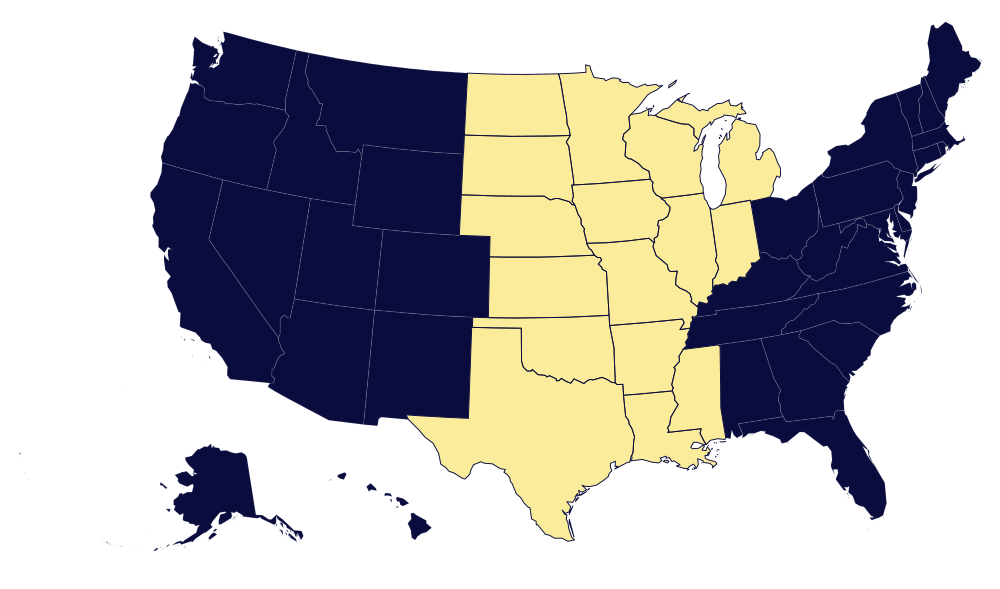
Central States
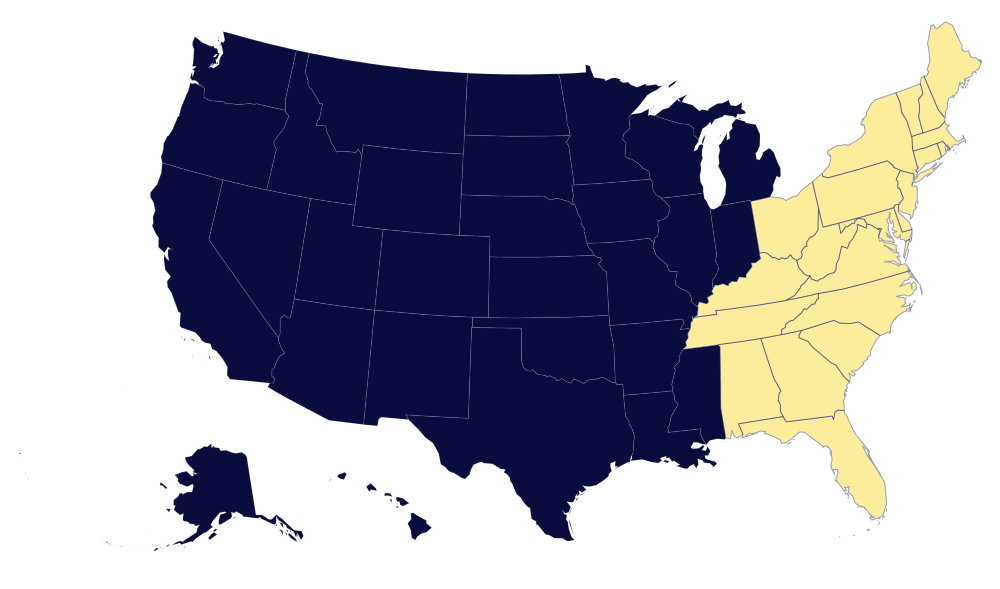
East Coast
*COMING SOON
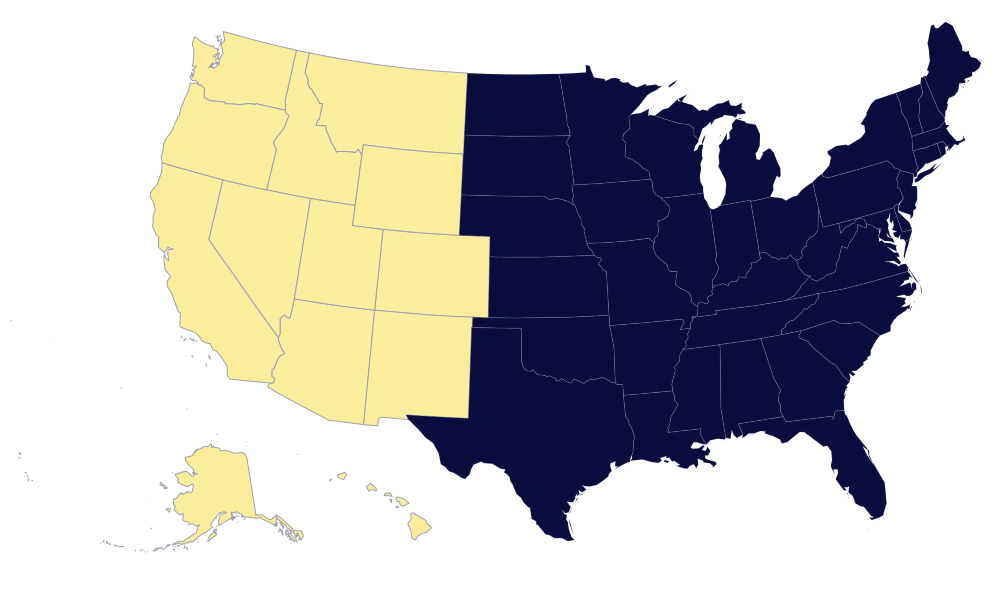
West Coast

*COMING SOON
East Coast
Central States
West Coast
AVLS Nationwide Services
CONTACT US
When your event matters, trust your audio visual labor needs to AV Labor Source.
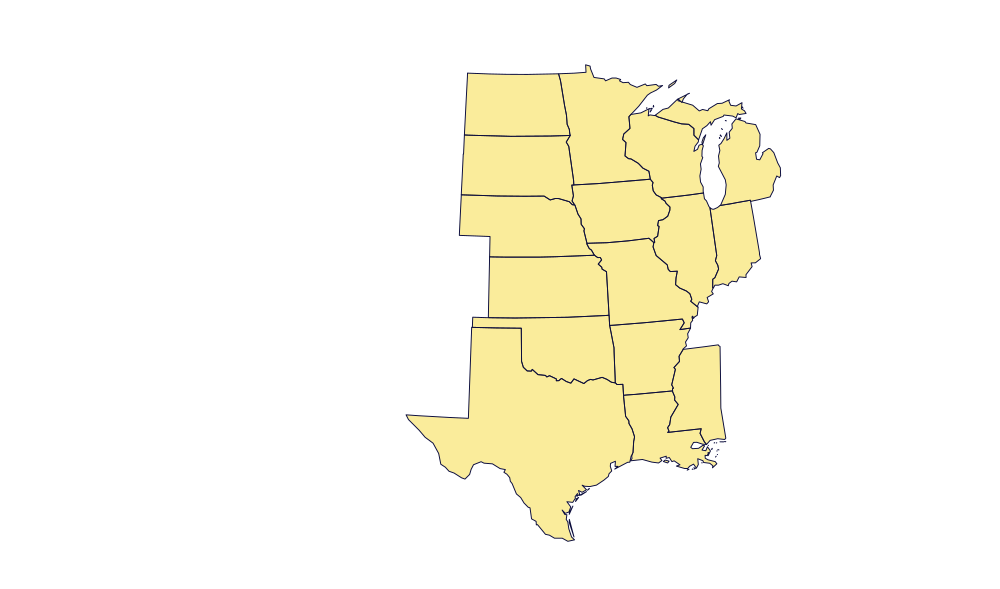
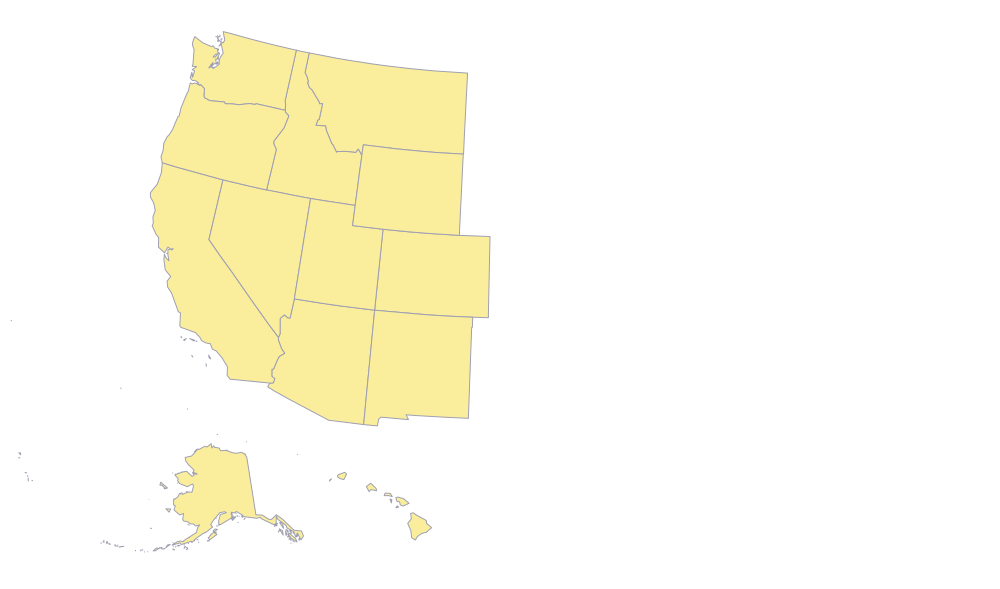
AVLS operate and has proven pool of AV technicians in major cities US Nationwide, such as Las Vegas, Los Angeles, Orlando, Dallas, San Antonio, Austin, Houston, Washington DC, Atlanta, New Orleans, Tennessee and more.
Please complete the form below and we will respond to you as soon as possible. We are available 24 hours a day to assist with your needs. We look forward to showing you what we can do toward the success of your next event.
AVLS operate and has proven pool of AV technicians in major cities US Nationwide, such as Las Vegas, Los Angeles, Orlando, Dallas, San Antonio, Austin, Houston, Washington DC, Atlanta, New Orleans, Tennessee and more.
Please complete the form below and we will respond to you as soon as possible. We are available 24 hours a day to assist with your needs. We look forward to showing you what we can do toward the success of your next event.
EVENT INFORMATION
