





July 1, 2026
How to Build the Right AV Crew for a Conference
Quick Answer: Building the right AV crew for a conference requires identifying specific technical needs, hiring certified technicians with relevant experience, and assembling a team that includes audio engineers, video operators, lighting technicians, and a crew chief. The key is matching crew size and expertise to your event's complexity while ensuring clear communication and backup coverage.
Key Takeaways
What Makes a Conference AV Crew Different from Other Events
Conference AV crews require specialized skills beyond typical event production. These professionals must handle complex multi-room setups, live streaming capabilities, interactive presentations, and real-time troubleshooting while maintaining seamless attendee experiences.
Core differences include:
Conference crews also need strong communication skills since they interact directly with speakers, moderators, and attendees throughout the event. Unlike concerts or theatrical productions, conference AV requires constant adaptability as presentation needs change in real-time.
Essential Roles When Building Your Conference AV Crew
Crew Chief/Technical Director
The crew chief oversees all technical operations and serves as the primary contact for event organizers. This person coordinates between different technical teams, makes real-time decisions, and troubleshoots major issues. Choose someone with at least 5 years of conference experience and strong leadership skills
.
Audio Engineer
Responsible for sound mixing, microphone management, and audio quality across all conference spaces. Look for professionals experienced with wireless microphone systems, audio recording, and live sound reinforcement. They should understand speech intelligibility requirements specific to conference environments.
Video Operators
Handle camera operations, live switching, projection mapping, and visual content management. Conference video operators need experience with presentation software, confidence monitoring, and multi-camera productions. Skilled AV technicians in major markets often specialize in corporate conference production.
Lighting Technician
Manages stage lighting, ambient room lighting, and camera lighting for recordings. Conference lighting differs from entertainment lighting - it prioritizes speaker visibility and camera-friendly illumination over dramatic effects.
Streaming/Recording Specialist
Focuses exclusively on capturing and broadcasting conference content. This role has become critical as hybrid events increase. Look for technicians familiar with streaming platforms, encoding, and multi-camera recording workflows.
How to Determine Your Conference AV Crew Size
Crew size depends on venue complexity, attendee count, and technical requirements. A basic formula helps estimate needs, but always adjust based on specific circumstances.
Small Conferences (50-200 attendees):
Medium Conferences (200-500 attendees):
Large Conferences (500+ attendees):
Additional factors that increase crew needs:
Where to Find Qualified Conference AV Technicians
Professional AV Staffing Companies
Specialized staffing firms provide pre-screened, certified technicians with conference experience. These companies handle payroll, insurance, and equipment familiarity. AV technicians in major cities through staffing agencies often have extensive conference portfolios.
Local IATSE Unions
The International Alliance of Theatrical Stage Employees provides highly skilled union technicians. Union crews offer guaranteed expertise but typically cost 20-30% more than non-union alternatives. They're ideal for large-scale conferences requiring top-tier professionals.
Venue-Recommended Crews
Many conference venues maintain preferred vendor lists of local technicians familiar with their systems. These crews know the venue's equipment, power distribution, and layout limitations. However, verify their conference-specific experience beyond general AV work.
Equipment Rental Company Referrals
AV rental companies often recommend technicians who regularly work with their equipment. This ensures crew familiarity with specific gear brands and models. Equipment and technology specialists can provide both gear and qualified operators.
Industry Networks and Associations
Organizations like InfoComm (now AVIXA) maintain professional directories. Certified CTS (Certified Technology Specialist) technicians demonstrate verified competency in AV systems design and operation.
Key Qualifications to Look for in Conference AV Crew Members
Technical Certifications
Experience Requirements
Soft Skills Assessment
Red flags to avoid:
When interviewing potential crew members, ask specific questions about conference challenges they've solved, their approach to speaker support, and how they handle technical failures during live presentations.
How to Budget for Your Conference AV Crew
Labor typically represents 15-20% of total AV production costs for conferences. However, this percentage can vary significantly based on crew experience level, event duration, and local market rates.
Typical Daily Rates by Role (2026):
Additional Cost Considerations:
Money-saving strategies:
For major conferences in cities like Las Vegas or Orlando, expect premium rates during peak convention seasons.
Common Mistakes When Building Conference AV Crews
Hiring Based on Price Alone
The cheapest crew often costs more in the long run due to equipment damage, poor execution, or attendee dissatisfaction. A single technical failure during a keynote presentation can damage your conference's reputation more than crew savings justify.
Underestimating Load-in Time Requirements
Many organizers budget only for show days, forgetting that complex conference setups require 1-2 full days of preparation. Rushing load-in leads to technical problems and stressed crew members.
Mixing Inexperienced Crew with Complex Requirements
Don't use your conference as training ground for junior technicians unless they're paired with experienced mentors. Conference environments demand immediate problem-solving without learning curves.
Failing to Establish Clear Communication Protocols
Without defined communication channels, crew members may make conflicting decisions or duplicate efforts. Establish radio protocols, chain of command, and emergency procedures before the event starts.
Ignoring Venue-Specific Experience
Each venue has unique power, rigging, and equipment limitations. Crews familiar with your specific venue can prevent costly surprises during setup. City-specific AV guides often highlight venue considerations for major conference destinations.
How to Manage Your AV Crew During the Conference
Pre-Event Coordination
Schedule a crew meeting 24-48 hours before the conference begins. Review the event timeline, discuss potential challenges, and ensure everyone understands their responsibilities. Provide crew members with contact information, venue maps, and emergency procedures.
Daily Operations Management
Performance Monitoring
Watch for signs of crew fatigue, especially during multi-day events. Tired technicians make more mistakes and may damage expensive equipment. Build in adequate break times and consider shift rotations for extended conferences.
Post-Event Evaluation
Conduct brief debriefs with crew chiefs after each day. Document what worked well and what needs improvement for future events. This feedback helps refine your crew selection process and operational procedures.
Successful crew management balances oversight with trust. Experienced conference technicians work best when given clear objectives but allowed flexibility in execution methods.
FAQ
How far in advance should I book my conference AV crew?
Book your crew 4-6 weeks before the event for best selection and rates. Major conferences during peak seasons may require 8-12 weeks advance booking, especially in popular venues like Las Vegas or Orlando.
What's the difference between union and non-union AV crews?
Union crews typically offer higher skill levels and standardized training but cost 20-30% more. Non-union crews provide more flexibility and lower costs but require more careful vetting of individual qualifications.
Should I hire local crew or bring technicians from out of town?
Use local crew when possible to save on travel costs and benefit from venue familiarity. Only bring outside technicians for specialized skills unavailable locally or when you have established relationships with specific professionals.
How many backup crew members should I have on standby?
Maintain contact information for 1-2 backup technicians per critical role. Don't hire them unless needed, but ensure they're available for emergency call-ins during your event dates.
What equipment should my crew be familiar with before the event?
Provide equipment lists and brand specifications during hiring. Crews should have hands-on experience with your specific audio consoles, video switchers, and presentation systems. Consider requiring equipment familiarization sessions for complex setups.
How do I handle crew members who aren't performing well during the event?
Address performance issues immediately through the crew chief rather than confronting technicians directly. Have backup crew contacts ready for emergency replacements if problems can't be resolved quickly.
What insurance coverage do I need for AV crew members?
Verify that crew members carry liability insurance and workers' compensation coverage. Some venues require specific insurance minimums. Staffing companies typically handle insurance requirements automatically.
Should crew members interact directly with conference speakers?
Designate specific crew members for speaker interaction, typically the crew chief and senior audio engineer. Train them on professional communication and establish protocols for handling speaker requests and technical issues.
How do I coordinate crew schedules for multi-day conferences?
Create detailed crew schedules showing load-in, show days, and load-out responsibilities. Build in shift overlaps for continuity and ensure adequate rest periods between long days. Consider split shifts for extended conferences.
What happens if key crew members get sick during the conference?
Maintain emergency contact lists for backup technicians in each role. Cross-train crew members on basic functions of other positions when possible. Professional AV staffing companies often provide emergency replacement services.
How do I evaluate crew performance for future events?
Document crew performance through daily observation notes and post-event evaluations. Track technical issues, response times, and professionalism. Build a database of proven crew members for future conference needs.
What's the typical crew-to-attendee ratio for conferences?
Plan for approximately 1 crew member per 75-100 attendees for standard conferences. Complex events with multiple breakout rooms, streaming, or entertainment may require 1 crew member per 50 attendees.
Conclusion
Building the right AV crew for your conference requires careful planning, proper budgeting, and thorough vetting of technical professionals. Start by assessing your specific technical requirements, then match crew size and expertise to your event's complexity. Focus on hiring certified technicians with proven conference experience rather than choosing based on price alone.
Take these immediate steps:
1.Define your technical requirements - List all audio, video, lighting, and streaming needs
2.Calculate crew size - Use attendee count and venue complexity to determine staffing levels
3.Start recruiting early - Begin crew selection 4-6 weeks before your event
4.Verify qualifications - Check certifications, references, and conference-specific experience
5.Plan communication protocols - Establish clear chains of command and emergency procedures
Remember that your AV crew directly impacts attendee experience and conference success. Invest in qualified professionals who understand the unique demands of conference production. The cost of experienced crew members pays for itself through flawless execution and professional presentation quality.
For your next conference, prioritize crew expertise over cost savings. A skilled team prevents technical disasters, ensures smooth speaker transitions, and creates the professional atmosphere that makes conferences memorable for all the right reasons.
Key Takeaways
- Assess technical requirements first - Determine audio, video, lighting, and streaming needs before hiring
- Hire certified professionals - Look for technicians with industry certifications and conference experience
- Plan crew hierarchy - Include a crew chief, lead technicians, and support staff for smooth operations
- Budget 15-20% of total AV costs for skilled labor to ensure professional execution
- Book crew 4-6 weeks in advance for major conferences to secure top talent
- Require load-in rehearsals - Schedule technical run-throughs before the event starts
- Have backup plans - Cross-train crew members and maintain emergency contact lists
- Consider local vs. travel crews - Balance expertise with budget and logistics
What Makes a Conference AV Crew Different from Other Events
Conference AV crews require specialized skills beyond typical event production. These professionals must handle complex multi-room setups, live streaming capabilities, interactive presentations, and real-time troubleshooting while maintaining seamless attendee experiences.
Core differences include:
- Multi-session management - Coordinating simultaneous breakout rooms and main sessions
- Presentation support - Managing speaker transitions, slide changes, and microphone handoffs
- Recording and streaming - Capturing content for virtual attendees and post-event distribution
- Extended duration expertise - Maintaining equipment performance over multi-day events
Conference crews also need strong communication skills since they interact directly with speakers, moderators, and attendees throughout the event. Unlike concerts or theatrical productions, conference AV requires constant adaptability as presentation needs change in real-time.
Essential Roles When Building Your Conference AV Crew
Crew Chief/Technical Director
The crew chief oversees all technical operations and serves as the primary contact for event organizers. This person coordinates between different technical teams, makes real-time decisions, and troubleshoots major issues. Choose someone with at least 5 years of conference experience and strong leadership skills
.
Audio Engineer
Responsible for sound mixing, microphone management, and audio quality across all conference spaces. Look for professionals experienced with wireless microphone systems, audio recording, and live sound reinforcement. They should understand speech intelligibility requirements specific to conference environments.
Video Operators
Handle camera operations, live switching, projection mapping, and visual content management. Conference video operators need experience with presentation software, confidence monitoring, and multi-camera productions. Skilled AV technicians in major markets often specialize in corporate conference production.
Lighting Technician
Manages stage lighting, ambient room lighting, and camera lighting for recordings. Conference lighting differs from entertainment lighting - it prioritizes speaker visibility and camera-friendly illumination over dramatic effects.
Streaming/Recording Specialist
Focuses exclusively on capturing and broadcasting conference content. This role has become critical as hybrid events increase. Look for technicians familiar with streaming platforms, encoding, and multi-camera recording workflows.
How to Determine Your Conference AV Crew Size
Crew size depends on venue complexity, attendee count, and technical requirements. A basic formula helps estimate needs, but always adjust based on specific circumstances.
Small Conferences (50-200 attendees):
- 1 Crew Chief
- 1 Audio Engineer
- 1 Video Operator
- ·Total: 3-4 crew members
Medium Conferences (200-500 attendees):
- 1 Crew Chief
- 2 Audio Engineers
- 2 Video Operators
- 1 Lighting Technician
- 1 Streaming Specialist
- Total: 6-7 crew members
Large Conferences (500+ attendees):
- 1 Technical Director
- 1 Assistant Technical Director
- 3-4 Audio Engineers
- 3-4 Video Operators
- 2 Lighting Technicians
- 2 Streaming Specialists
- 2-3 General Technicians
- Total: 12-15 crew members
Additional factors that increase crew needs:
- Multiple simultaneous breakout rooms
- Live streaming to multiple platforms
- Complex stage productions or entertainment
- Multi-day events requiring shift coverage
- Outdoor or non-traditional venues
Where to Find Qualified Conference AV Technicians
Professional AV Staffing Companies
Specialized staffing firms provide pre-screened, certified technicians with conference experience. These companies handle payroll, insurance, and equipment familiarity. AV technicians in major cities through staffing agencies often have extensive conference portfolios.
Local IATSE Unions
The International Alliance of Theatrical Stage Employees provides highly skilled union technicians. Union crews offer guaranteed expertise but typically cost 20-30% more than non-union alternatives. They're ideal for large-scale conferences requiring top-tier professionals.
Venue-Recommended Crews
Many conference venues maintain preferred vendor lists of local technicians familiar with their systems. These crews know the venue's equipment, power distribution, and layout limitations. However, verify their conference-specific experience beyond general AV work.
Equipment Rental Company Referrals
AV rental companies often recommend technicians who regularly work with their equipment. This ensures crew familiarity with specific gear brands and models. Equipment and technology specialists can provide both gear and qualified operators.
Industry Networks and Associations
Organizations like InfoComm (now AVIXA) maintain professional directories. Certified CTS (Certified Technology Specialist) technicians demonstrate verified competency in AV systems design and operation.
Key Qualifications to Look for in Conference AV Crew Members
Technical Certifications
- CTS (Certified Technology Specialist) - Industry-standard certification for AV professionals
- Dante Audio Certification - Essential for networked audio systems
- Manufacturer-specific training - Certification on equipment brands you'll be using
- Streaming platform certifications - YouTube Live, Facebook Live, or enterprise platforms
Experience Requirements
- Minimum 2-3 years in corporate conference production
- Portfolio of similar-sized events in comparable venues
- References from recent conference clients
- Demonstrated problem-solving abilities under pressure
Soft Skills Assessment
- Professional appearance and communication
- Ability to work with non-technical speakers and organizers
- Flexibility to adapt to last-minute changes
- Team collaboration and hierarchy respect
Red flags to avoid:
- Technicians who only list concert or theatrical experience
- Inability to provide recent conference references
- Lack of familiarity with presentation software and business applications
- Poor communication during initial interviews
When interviewing potential crew members, ask specific questions about conference challenges they've solved, their approach to speaker support, and how they handle technical failures during live presentations.
How to Budget for Your Conference AV Crew
Labor typically represents 15-20% of total AV production costs for conferences. However, this percentage can vary significantly based on crew experience level, event duration, and local market rates.
Typical Daily Rates by Role (2026):
- Crew Chief/Technical Director: $600-900/day
- Senior Audio Engineer: $450-650/day
- Video Operator: $400-600/day
- Lighting Technician: $350-500/day
- General AV Technician: $300-450/day
- Streaming Specialist: $500-700/day
Additional Cost Considerations:
- Load-in/Load-out time - Often charged at 50% of show rate
- Overtime rates - Time and a half after 8-10 hours
- Travel and accommodation - For out-of-town crew members
- Meal allowances - $50-75/day for long events
- Equipment insurance - Some crews require additional coverage
Money-saving strategies:
- Book crew 4-6 weeks in advance to avoid rush charges
- Use local technicians to eliminate travel costs
- Negotiate package rates for multi-day events
- Consider hybrid local/travel crew for specialized roles only
For major conferences in cities like Las Vegas or Orlando, expect premium rates during peak convention seasons.
Common Mistakes When Building Conference AV Crews
Hiring Based on Price Alone
The cheapest crew often costs more in the long run due to equipment damage, poor execution, or attendee dissatisfaction. A single technical failure during a keynote presentation can damage your conference's reputation more than crew savings justify.
Underestimating Load-in Time Requirements
Many organizers budget only for show days, forgetting that complex conference setups require 1-2 full days of preparation. Rushing load-in leads to technical problems and stressed crew members.
Mixing Inexperienced Crew with Complex Requirements
Don't use your conference as training ground for junior technicians unless they're paired with experienced mentors. Conference environments demand immediate problem-solving without learning curves.
Failing to Establish Clear Communication Protocols
Without defined communication channels, crew members may make conflicting decisions or duplicate efforts. Establish radio protocols, chain of command, and emergency procedures before the event starts.
Ignoring Venue-Specific Experience
Each venue has unique power, rigging, and equipment limitations. Crews familiar with your specific venue can prevent costly surprises during setup. City-specific AV guides often highlight venue considerations for major conference destinations.
How to Manage Your AV Crew During the Conference
Pre-Event Coordination
Schedule a crew meeting 24-48 hours before the conference begins. Review the event timeline, discuss potential challenges, and ensure everyone understands their responsibilities. Provide crew members with contact information, venue maps, and emergency procedures.
Daily Operations Management
- Morning briefings - Review the day's schedule and any changes
- Real-time communication - Use headsets or radio systems for instant coordination
- Break scheduling - Ensure continuous coverage during all sessions
- Problem escalation - Define when crew should involve organizers vs. handle issues independently
Performance Monitoring
Watch for signs of crew fatigue, especially during multi-day events. Tired technicians make more mistakes and may damage expensive equipment. Build in adequate break times and consider shift rotations for extended conferences.
Post-Event Evaluation
Conduct brief debriefs with crew chiefs after each day. Document what worked well and what needs improvement for future events. This feedback helps refine your crew selection process and operational procedures.
Successful crew management balances oversight with trust. Experienced conference technicians work best when given clear objectives but allowed flexibility in execution methods.
FAQ
How far in advance should I book my conference AV crew?
Book your crew 4-6 weeks before the event for best selection and rates. Major conferences during peak seasons may require 8-12 weeks advance booking, especially in popular venues like Las Vegas or Orlando.
What's the difference between union and non-union AV crews?
Union crews typically offer higher skill levels and standardized training but cost 20-30% more. Non-union crews provide more flexibility and lower costs but require more careful vetting of individual qualifications.
Should I hire local crew or bring technicians from out of town?
Use local crew when possible to save on travel costs and benefit from venue familiarity. Only bring outside technicians for specialized skills unavailable locally or when you have established relationships with specific professionals.
How many backup crew members should I have on standby?
Maintain contact information for 1-2 backup technicians per critical role. Don't hire them unless needed, but ensure they're available for emergency call-ins during your event dates.
What equipment should my crew be familiar with before the event?
Provide equipment lists and brand specifications during hiring. Crews should have hands-on experience with your specific audio consoles, video switchers, and presentation systems. Consider requiring equipment familiarization sessions for complex setups.
How do I handle crew members who aren't performing well during the event?
Address performance issues immediately through the crew chief rather than confronting technicians directly. Have backup crew contacts ready for emergency replacements if problems can't be resolved quickly.
What insurance coverage do I need for AV crew members?
Verify that crew members carry liability insurance and workers' compensation coverage. Some venues require specific insurance minimums. Staffing companies typically handle insurance requirements automatically.
Should crew members interact directly with conference speakers?
Designate specific crew members for speaker interaction, typically the crew chief and senior audio engineer. Train them on professional communication and establish protocols for handling speaker requests and technical issues.
How do I coordinate crew schedules for multi-day conferences?
Create detailed crew schedules showing load-in, show days, and load-out responsibilities. Build in shift overlaps for continuity and ensure adequate rest periods between long days. Consider split shifts for extended conferences.
What happens if key crew members get sick during the conference?
Maintain emergency contact lists for backup technicians in each role. Cross-train crew members on basic functions of other positions when possible. Professional AV staffing companies often provide emergency replacement services.
How do I evaluate crew performance for future events?
Document crew performance through daily observation notes and post-event evaluations. Track technical issues, response times, and professionalism. Build a database of proven crew members for future conference needs.
What's the typical crew-to-attendee ratio for conferences?
Plan for approximately 1 crew member per 75-100 attendees for standard conferences. Complex events with multiple breakout rooms, streaming, or entertainment may require 1 crew member per 50 attendees.
Conclusion
Building the right AV crew for your conference requires careful planning, proper budgeting, and thorough vetting of technical professionals. Start by assessing your specific technical requirements, then match crew size and expertise to your event's complexity. Focus on hiring certified technicians with proven conference experience rather than choosing based on price alone.
Take these immediate steps:
1.Define your technical requirements - List all audio, video, lighting, and streaming needs
2.Calculate crew size - Use attendee count and venue complexity to determine staffing levels
3.Start recruiting early - Begin crew selection 4-6 weeks before your event
4.Verify qualifications - Check certifications, references, and conference-specific experience
5.Plan communication protocols - Establish clear chains of command and emergency procedures
Remember that your AV crew directly impacts attendee experience and conference success. Invest in qualified professionals who understand the unique demands of conference production. The cost of experienced crew members pays for itself through flawless execution and professional presentation quality.
For your next conference, prioritize crew expertise over cost savings. A skilled team prevents technical disasters, ensures smooth speaker transitions, and creates the professional atmosphere that makes conferences memorable for all the right reasons.
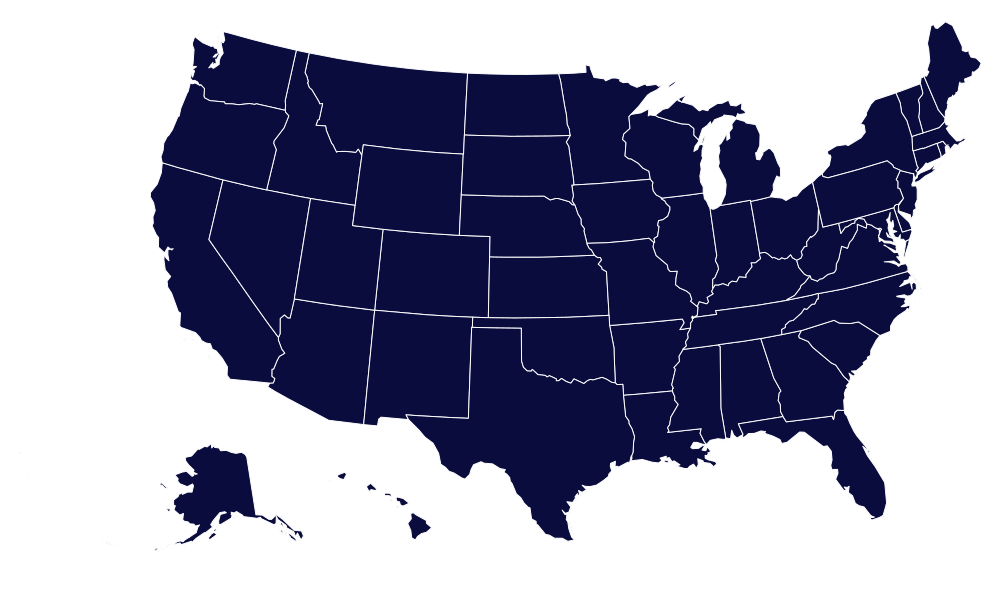
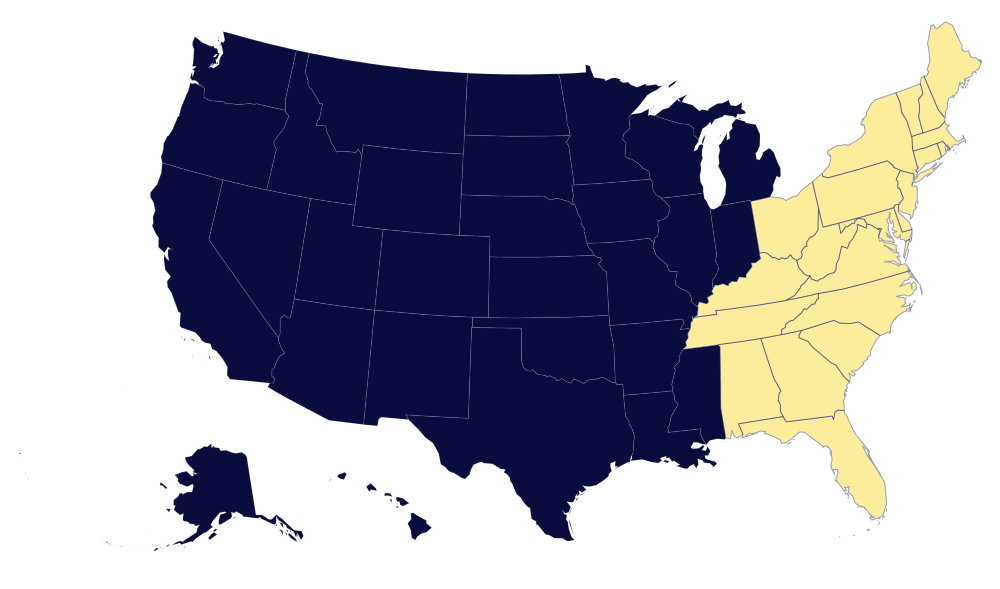
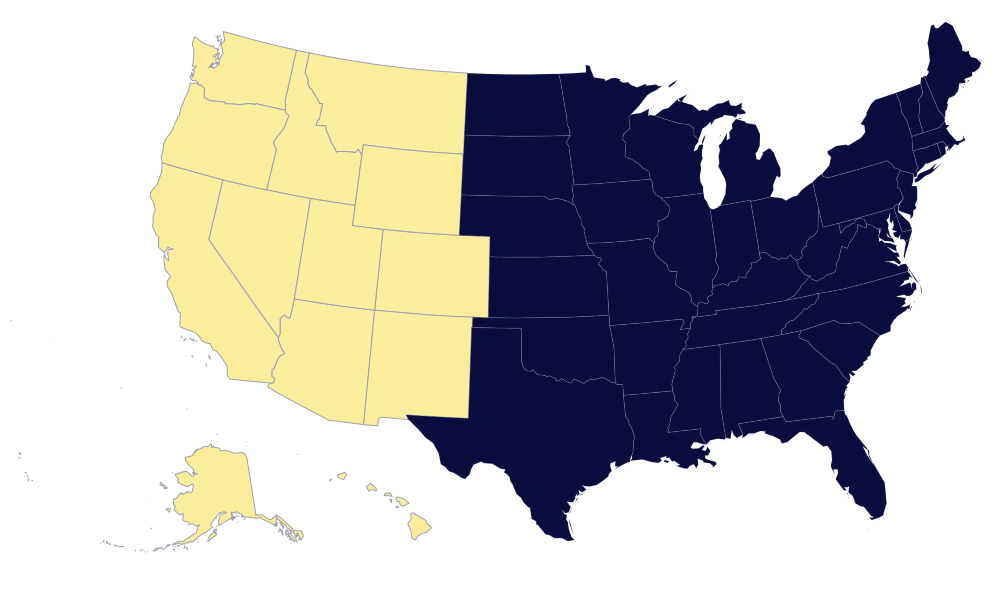
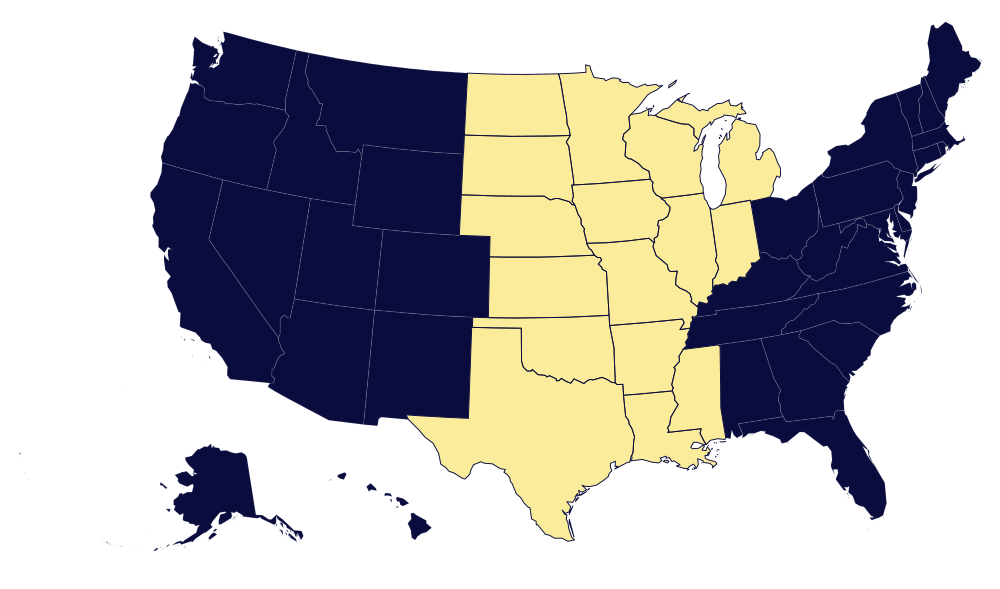
AVLS Nationwide Services
Central States
East Coast
*COMING SOON
West Coast


*COMING SOON
East Coast
Central States
West Coast
AVLS Nationwide Services
CONTACT US
When your event matters, trust your audio visual labor needs to AV Labor Source.
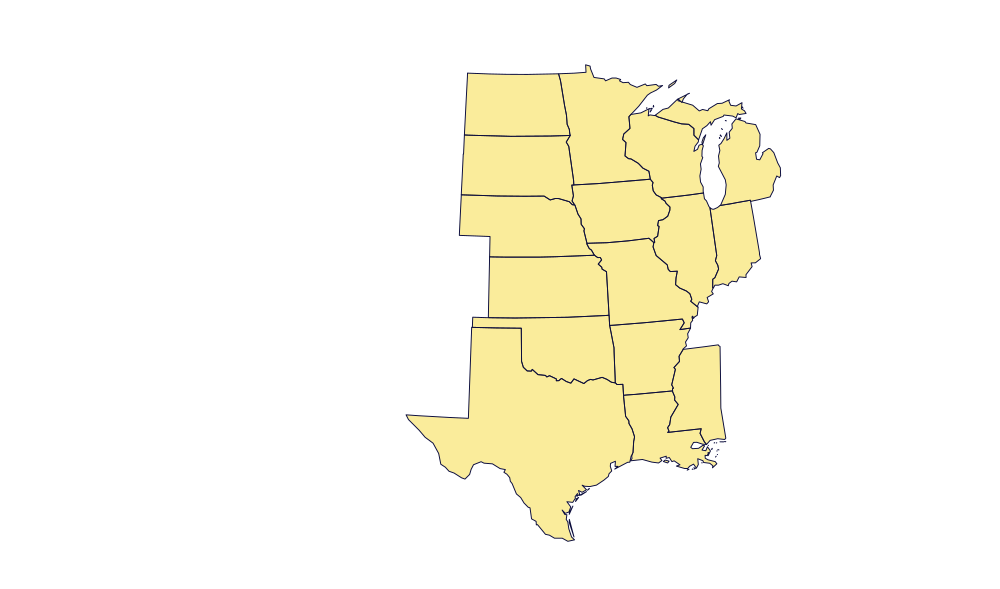
AVLS operate and has proven pool of AV technicians in major cities US Nationwide, such as Las Vegas, Los Angeles, Orlando, Dallas, San Antonio, Austin, Houston, Washington DC, Atlanta, New Orleans, Tennessee and more.
Please complete the form below and we will respond to you as soon as possible. We are available 24 hours a day to assist with your needs. We look forward to showing you what we can do toward the success of your next event.
AVLS operate and has proven pool of AV technicians in major cities US Nationwide, such as Las Vegas, Los Angeles, Orlando, Dallas, San Antonio, Austin, Houston, Washington DC, Atlanta, New Orleans, Tennessee and more.
Please complete the form below and we will respond to you as soon as possible. We are available 24 hours a day to assist with your needs. We look forward to showing you what we can do toward the success of your next event.
EVENT INFORMATION
