





August 5, 2026
Why Large Events Need a Labor Coordinator
Quick Answer
Large events need a labor coordinator because managing hundreds or thousands of workers across multiple vendors, unions, and technical specialties requires dedicated oversight to prevent costly delays, safety violations, and communication breakdowns. A labor coordinator serves as the central hub for all staffing logistics, ensuring the right people with the right skills arrive at the right time and location throughout the event lifecycle.
Key Takeaways
What Does a Labor Coordinator Do at Events
A labor coordinator manages all aspects of event staffing from initial crew planning through load-out completion. They serve as the single point of contact between event planners, venue management, and all technical crews including audio, lighting, staging, and general labor teams.
Core responsibilities include:
The coordinator typically arrives on-site 1-2 days before load-in begins and remains through the entire event cycle. They use specialized software to track crew check-ins, manage time sheets, and communicate schedule changes instantly across large teams.
Choose a labor coordinator if your event involves more than three separate technical disciplines or requires coordination between union and non-union crews.
How Many Staff Do You Need Before Hiring a Labor Coordinator
Events typically need a dedicated labor coordinator when staffing exceeds 50-75 people or involves coordination between 4+ separate vendor companies. However, the complexity of crew specialization matters more than raw headcount.
Staffing thresholds that require coordination:
Event types that always need coordinators regardless of size:
The decision point isn't just about numbers. A 30-person crew building a complex stage with rigging, LED walls, and broadcast integration needs coordination. A 100-person crew doing simple setup tasks might not.
Common mistake: Waiting until crew size reaches 200+ people before hiring a coordinator. By that point, scheduling conflicts and communication breakdowns have already created expensive problems.
Labor Coordinator vs Event Planner Difference
Labor coordinators and event planners handle completely different aspects of event production, though they work closely together. Event planners focus on client needs, logistics, and overall event experience, while labor coordinators manage the technical workforce that builds and operates the event.
Event Planner Responsibilities:
Labor Coordinator Responsibilities:
Key differences in focus:
Many events fail when planners try to handle labor coordination themselves. The technical knowledge required for crew management, union regulations, and safety compliance demands specialized expertise that most event planners don't possess.
Choose separate roles when your event involves complex technical production or union labor requirements.
How Much Does an Event Labor Coordinator Cost
Event labor coordinators typically charge $150-400 per day for on-site coordination, with total project costs ranging from $2,000-15,000 depending on event size and complexity. The investment pays for itself by preventing costly scheduling mistakes and labor inefficiencies.
Typical pricing structure:
Factors affecting cost:
Cost comparison example:
A 3-day corporate conference with 150 technical crew members might pay $3,500 total for coordination services. Without a coordinator, common problems like crew scheduling conflicts, overtime violations, or safety incidents can easily cost $10,000-25,000 in delays and penalties.
Budget planning tip: Allocate 2-4% of total labor budget for coordination services. For events spending $100,000 on technical crews, investing $2,000-4,000 in coordination typically reduces overall labor costs by 15-25% through improved efficiency.
What Happens If You Don't Have a Labor Coordinator at Large Events
Events without proper labor coordination face predictable and expensive problems that compound throughout the production cycle. The larger and more complex the event, the more catastrophic these failures become.
Common coordination failures:
Real-world consequences:
Financial impact: Events commonly see 25-40% cost overruns when coordination fails. A $50,000 labor budget can balloon to $70,000+ through overtime, delays, and emergency crew additions.
Risk mitigation: Even hiring a coordinator just 2-3 days before load-in can prevent the worst coordination failures, though advance planning provides much better results.
Labor Coordinator Responsibilities for Weddings vs Conferences
Wedding and conference labor coordination require different approaches due to varying crew sizes, union requirements, and client expectations. Weddings focus on seamless guest experience, while conferences prioritize technical execution and compliance.
Wedding Labor Coordination:
Conference Labor Coordination:
Key operational differences:
Skill overlap: Experienced coordinators can handle both event types, but the best specialists understand the unique pressures and requirements of each market segment.
How to Find a Good Labor Coordinator Near Me
Finding qualified labor coordinators requires targeting professionals with specific event production experience and local market knowledge. The best coordinators often work through established networks rather than general hiring platforms.
Where to find qualified coordinators:
Vetting criteria:
Interview questions:
Red flags: Coordinators who can't provide recent references, lack local venue experience, or don't understand union regulations for your market.
Booking timeline: Start searching 8-12 weeks before your event, as experienced coordinators book up during peak event seasons.
Labor Coordinator Software Tools and Apps
Modern labor coordination relies on specialized software platforms that handle crew scheduling, communication, time tracking, and real-time updates across large teams. The right tools can make the difference between smooth operations and coordination chaos.
Essential software categories:
Crew Scheduling Platforms:
Communication Systems:
Time and Attendance Tracking:
Specialized Event Production Tools:
Key features to prioritize:
Implementation tip: Choose platforms that work offline or with limited connectivity, as many event venues have poor cell service during setup periods.
Common Mistakes Event Planners Make Without a Labor Coordinator
Event planners attempting to manage technical crews themselves consistently make predictable errors that experienced labor coordinators easily avoid. These mistakes stem from unfamiliarity with technical workflows and crew management best practices.
Top coordination mistakes:
Scheduling Conflicts:
Communication Breakdowns:
Safety and Compliance Oversights:
Budget Management Errors:
Vendor Coordination Problems:
Prevention strategy: Even planners who can't afford full coordination services should hire a coordinator for the critical load-in and setup phases when most problems occur.
Labor Coordinator for Virtual Events and Hybrid Events
Virtual and hybrid events require specialized labor coordination that differs significantly from traditional live event management. Coordinators must manage both on-site technical crews and remote production teams while ensuring seamless integration between physical and digital components.
Virtual event coordination focuses on:
Hybrid event complexity:
Specialized skills required:
Coordination tools: Virtual events rely heavily on cloud-based scheduling, real-time chat systems, and remote monitoring tools that allow coordinators to manage distributed teams effectively.
Cost considerations: Virtual event coordination often costs 30-50% less than traditional events due to smaller crew sizes, but requires specialized technical expertise that commands premium rates.
What Size Event Needs a Labor Coordinator
Event size alone doesn't determine coordination needs - the complexity of technical requirements, venue restrictions, and crew specialization matter more than raw attendance numbers. Some 500-person events need extensive coordination while some 5,000-person events can manage with minimal oversight.
Size-based guidelines:
Small Events (Under 500 attendees):
Medium Events (500-2,500 attendees):
Large Events (2,500+ attendees):
Complexity factors that increase coordination needs:
Decision matrix: A 200-person corporate event in a major convention center typically needs more coordination than a 2,000-person outdoor festival with simple staging requirements.
Budget allocation: Events should budget for coordination when technical labor costs exceed $25,000-50,000, regardless of total event size.
Labor Coordinator Union Requirements and Regulations
Union requirements significantly impact labor coordination complexity and costs, particularly in major metropolitan areas where IATSE and other trade unions control technical event work. Coordinators must understand local labor regulations, certification requirements, and union protocols to avoid costly violations and work stoppages.
Major union considerations:
IATSE (International Alliance of Theatrical Stage Employees):
Teamsters and Operating Engineers:
Electrical Workers (IBEW):
Coordination requirements:
Cost implications:
Non-compliance risks: Union violations can result in work stoppages, financial penalties, and venue restrictions that prevent future bookings.
How Far in Advance Should You Hire a Labor Coordinator
Labor coordinator hiring timelines depend on event size, season, and local market conditions, but most successful events book coordination services 8-12 weeks in advance. Peak event seasons and union requirements often demand even earlier planning.
Optimal hiring timeline:
12+ weeks ahead:
8-10 weeks ahead:
4-6 weeks ahead:
Last-minute hiring (2-4 weeks):
Factors affecting timeline:
Early booking benefits: Better coordinator selection, lower rates, more thorough planning time, and priority access to preferred crew members and vendors.
Late booking risks: Limited coordinator options, higher emergency rates, less preparation time, and potential crew shortages.
Labor Coordinator for Festivals vs Corporate Events
Festival and corporate event coordination require fundamentally different approaches due to varying scales, timelines, regulatory requirements, and operational complexity. Understanding these differences helps event organizers choose coordinators with appropriate experience and expertise.
Festival Labor Coordination:
Scale and Duration:
Unique Challenges:
Corporate Event Coordination:
Precision and Compliance:
Unique Challenges:
Key Operational Differences:
Communication Style:
Safety Requirements:
Budget Management:
Coordinator Selection: Choose specialists with specific experience in your event type, as the skills and vendor relationships don't always transfer between festival and corporate environments.
FAQ
How much does a labor coordinator typically cost for a 3-day conference?
A 3-day conference with 100-200 technical crew members typically costs $2,500-6,000 for labor coordination services, including pre-event planning and on-site management. Union events and complex AV requirements increase costs toward the higher end of this range.
Can event planners handle labor coordination themselves for smaller events?
Event planners can manage coordination for events under 30-50 crew members, but should hire specialists when dealing with union requirements, complex technical setups, or safety-critical work like rigging and electrical installations.
What's the difference between a labor coordinator and a production manager?
Production managers oversee entire event execution including client relations, vendor management, and creative elements. Labor coordinators focus specifically on technical crew scheduling, safety compliance, and workforce management during load-in through strike phases.
Do virtual events need labor coordinators?
Virtual events with multiple camera operators, streaming technicians, and remote production crews benefit from coordination services, though the scope is typically smaller than traditional live events. Hybrid events almost always require coordination due to their complexity.
How do labor coordinators handle last-minute crew changes?
Experienced coordinators maintain backup crew lists, use real-time scheduling software, and have relationships with multiple staffing agencies to quickly replace no-shows or handle unexpected staffing needs during events.
What certifications should I look for in a labor coordinator?
Look for OSHA safety training, experience with local union regulations, and familiarity with venue-specific requirements. Industry certifications from IATSE, PSAV, or specialized event production training programs indicate professional expertise.
Can one coordinator handle multiple events simultaneously?
Coordinators can manage multiple small events or handle pre-planning for several projects, but each event needs dedicated on-site attention during load-in, show, and strike phases. Large events require full-time coordinator presence.
How do coordinators manage union and non-union crews together?
Experienced coordinators understand jurisdictional boundaries and ensure union and non-union crews work on separate tasks that don't violate labor agreements. This requires careful planning and clear communication with all parties.
What happens if a labor coordinator gets sick during an event?
Professional coordinators have backup plans including assistant coordinators, detailed documentation systems, and relationships with other coordinators who can step in during emergencies. This is why hiring experienced professionals matters.
Do outdoor events require different coordination approaches?
Outdoor events need specialized coordination for weather contingencies, temporary power and infrastructure, equipment protection, and extended setup timelines. Coordinators must also manage larger crew sizes and more complex logistics than indoor venues.
How far in advance do coordinators start planning crew schedules?
Planning typically begins 4-6 weeks before events, with detailed schedules finalized 2-3 weeks ahead. Union events and peak seasons require earlier planning to secure qualified crew members and ensure compliance.
What's the biggest mistake events make when trying to save money on coordination?
The most expensive mistake is hiring inexperienced coordinators or trying to manage complex crews without professional help. Poor coordination commonly increases total labor costs by 25-40% through overtime, delays, and safety issues.
Need Expert Labor Coordination for Your Next Event?
Planning a large event and need professional labor coordination services? AV Labor Source specializes in providing experienced coordinators and skilled technical crews for corporate events, conferences, festivals, and live productions nationwide. Our team understands union requirements, safety protocols, and the complex logistics that make events successful.
Whether you need comprehensive event production support or specialized coordination for your technical crews, we're here to help ensure your event runs smoothly from load-in through strike.
Ready to discuss your event's labor coordination needs? Contact our team today for a consultation and quote tailored to your specific requirements.
Large events need a labor coordinator because managing hundreds or thousands of workers across multiple vendors, unions, and technical specialties requires dedicated oversight to prevent costly delays, safety violations, and communication breakdowns. A labor coordinator serves as the central hub for all staffing logistics, ensuring the right people with the right skills arrive at the right time and location throughout the event lifecycle.
Key Takeaways
- Labor coordinators become essential when events exceed 50-100 staff members or involve multiple specialized crews
- They reduce labor costs by 15-25% through efficient scheduling and preventing overtime violations
- A dedicated coordinator prevents the common mistake of having audio, lighting, and staging crews arrive simultaneously and create bottlenecks
- Corporate events, festivals, and conferences each require different labor coordination approaches based on union requirements and technical complexity
- Hiring a labor coordinator 8-12 weeks before large events ensures proper crew vetting and scheduling
- Labor coordination software helps manage real-time staffing changes and communication across large teams
- The cost of a labor coordinator (typically $150-400 per day) is offset by preventing a single major scheduling mistake
- Events with union requirements absolutely need coordinators who understand local labor regulations and certification requirements
What Does a Labor Coordinator Do at Events
A labor coordinator manages all aspects of event staffing from initial crew planning through load-out completion. They serve as the single point of contact between event planners, venue management, and all technical crews including audio, lighting, staging, and general labor teams.
Core responsibilities include:
- Crew scheduling and deployment - Creating detailed staffing schedules that account for load-in, setup, show time, and strike phases
- Vendor coordination - Managing multiple staffing agencies and ensuring crews don't overlap or conflict
- Safety compliance - Verifying certifications, conducting safety briefings, and maintaining OSHA documentation
- Real-time problem solving - Handling last-minute crew changes, equipment delays, and scheduling conflicts
- Communication hub - Relaying updates between production managers, venue staff, and crew leaders
- Budget management - Tracking labor hours, overtime, and ensuring crews stay within approved budgets
The coordinator typically arrives on-site 1-2 days before load-in begins and remains through the entire event cycle. They use specialized software to track crew check-ins, manage time sheets, and communicate schedule changes instantly across large teams.
Choose a labor coordinator if your event involves more than three separate technical disciplines or requires coordination between union and non-union crews.
How Many Staff Do You Need Before Hiring a Labor Coordinator
Events typically need a dedicated labor coordinator when staffing exceeds 50-75 people or involves coordination between 4+ separate vendor companies. However, the complexity of crew specialization matters more than raw headcount.
Staffing thresholds that require coordination:
- 50-100 total crew members across multiple disciplines
- 15+ audio/visual technicians working simultaneously
- Multiple union crews with different call times and break requirements
- Overnight setup periods requiring 24-hour crew rotations
- Multi-day events with varying daily staffing needs
Event types that always need coordinators regardless of size:
- Festivals with multiple stages and concurrent programming
- Corporate events in convention centers with strict union requirements
- Outdoor events requiring generator, staging, and weather contingency crews
- Broadcast productions mixing live event and television crews
The decision point isn't just about numbers. A 30-person crew building a complex stage with rigging, LED walls, and broadcast integration needs coordination. A 100-person crew doing simple setup tasks might not.
Common mistake: Waiting until crew size reaches 200+ people before hiring a coordinator. By that point, scheduling conflicts and communication breakdowns have already created expensive problems.
Labor Coordinator vs Event Planner Difference
Labor coordinators and event planners handle completely different aspects of event production, though they work closely together. Event planners focus on client needs, logistics, and overall event experience, while labor coordinators manage the technical workforce that builds and operates the event.
Event Planner Responsibilities:
- Client relationship management and vision execution
- Venue selection, catering, and guest experience design
- Timeline creation and vendor contract negotiation
- Budget oversight for all event elements
- Marketing, registration, and attendee communication
Labor Coordinator Responsibilities:
- Technical crew hiring, scheduling, and management
- Safety compliance and certification verification
- Real-time staffing adjustments and problem-solving
- Union relations and labor regulation compliance
- Equipment setup supervision and quality control
Key differences in focus:
- Timeline perspective: Planners work months in advance on big-picture logistics; coordinators work weeks ahead on detailed crew schedules
- Skill requirements: Planners need client management and creative skills; coordinators need technical knowledge and workforce management experience
- Problem-solving scope: Planners handle client changes and vendor issues; coordinators manage crew conflicts and technical execution
Many events fail when planners try to handle labor coordination themselves. The technical knowledge required for crew management, union regulations, and safety compliance demands specialized expertise that most event planners don't possess.
Choose separate roles when your event involves complex technical production or union labor requirements.
How Much Does an Event Labor Coordinator Cost
Event labor coordinators typically charge $150-400 per day for on-site coordination, with total project costs ranging from $2,000-15,000 depending on event size and complexity. The investment pays for itself by preventing costly scheduling mistakes and labor inefficiencies.
Typical pricing structure:
- Daily rate: $150-250 for smaller events (50-150 crew)
- Premium rate: $300-400 for complex events (200+ crew, multiple unions)
- Pre-event planning: $75-125 per hour for 2-4 weeks of advance coordination
- Travel and accommodation: Additional if coordinator travels to event location
Factors affecting cost:
- Event duration and complexity
- Number of crew members and vendors to coordinate
- Union requirements and local labor regulations
- Geographic location and coordinator availability
- Specialized knowledge required (broadcast, rigging, pyrotechnics)
Cost comparison example:
A 3-day corporate conference with 150 technical crew members might pay $3,500 total for coordination services. Without a coordinator, common problems like crew scheduling conflicts, overtime violations, or safety incidents can easily cost $10,000-25,000 in delays and penalties.
Budget planning tip: Allocate 2-4% of total labor budget for coordination services. For events spending $100,000 on technical crews, investing $2,000-4,000 in coordination typically reduces overall labor costs by 15-25% through improved efficiency.
What Happens If You Don't Have a Labor Coordinator at Large Events
Events without proper labor coordination face predictable and expensive problems that compound throughout the production cycle. The larger and more complex the event, the more catastrophic these failures become.
Common coordination failures:
- Crew bottlenecks: Audio, lighting, and staging teams arrive simultaneously with no prioritization plan, creating dangerous congestion and delays
- Overtime violations: Crews work unplanned overtime due to poor scheduling, increasing labor costs by 50-100%
- Safety incidents: Inadequate crew briefings and certification tracking lead to accidents and potential liability
- Communication breakdowns: Critical information doesn't reach crew leaders, causing equipment delays and setup errors
- Union violations: Improper break scheduling or certification issues result in work stoppages and penalties
Real-world consequences:
- Setup delays that push events into expensive overtime periods
- Safety violations that shut down production until compliance is restored
- Crew conflicts between different vendors competing for limited space and resources
- Last-minute staffing gaps when crew members don't receive proper call times or location information
Financial impact: Events commonly see 25-40% cost overruns when coordination fails. A $50,000 labor budget can balloon to $70,000+ through overtime, delays, and emergency crew additions.
Risk mitigation: Even hiring a coordinator just 2-3 days before load-in can prevent the worst coordination failures, though advance planning provides much better results.
Labor Coordinator Responsibilities for Weddings vs Conferences
Wedding and conference labor coordination require different approaches due to varying crew sizes, union requirements, and client expectations. Weddings focus on seamless guest experience, while conferences prioritize technical execution and compliance.
Wedding Labor Coordination:
- Crew size: Typically 10-30 technical staff
- Focus areas: Discrete setup/strike, guest experience protection, vendor coordination
- Timeline: Tight windows with no room for delays or visible crew activity during events
- Specialties: Floral installation, catering coordination, entertainment technical support
- Client interaction: High visibility with wedding parties and families
Conference Labor Coordination:
- Crew size: Often 50-300+ technical staff across multiple days
- Focus areas: Union compliance, safety protocols, complex AV systems, broadcast integration
- Timeline: Extended load-in/load-out periods with 24-hour crew rotations
- Specialties: Rigging, LED walls, broadcast production, simultaneous breakout room setup
- Stakeholder management: Corporate clients, venue management, multiple vendor companies
Key operational differences:
- Union requirements: Conferences in major cities typically require union crews; weddings often use non-union staff
- Safety protocols: Conference rigging and electrical work demands extensive certification tracking
- Communication style: Wedding coordination emphasizes discretion; conference coordination prioritizes efficiency and compliance
Skill overlap: Experienced coordinators can handle both event types, but the best specialists understand the unique pressures and requirements of each market segment.
How to Find a Good Labor Coordinator Near Me
Finding qualified labor coordinators requires targeting professionals with specific event production experience and local market knowledge. The best coordinators often work through established networks rather than general hiring platforms.
Where to find qualified coordinators:
- AV production companies - Many offer coordination services or can recommend freelance specialists
- Event venues - Convention centers and major venues maintain lists of approved coordinators
- Industry associations - IATSE locals, PSAV, and production company networks
- Specialized staffing agencies - Companies like AV Labor Source that focus on event technical crews
- Trade show contractors - General contractors often have coordination specialists on staff
Vetting criteria:
- Local market experience - Understanding of venue requirements and union relationships
- Event type specialization - Corporate, festival, broadcast, or wedding-specific experience
- Safety certification - OSHA training and incident management experience
- Technology proficiency - Experience with crew management software and communication systems
- Reference verification - Recent client contacts and production company relationships
Interview questions:
- How do you handle last-minute crew changes or no-shows?
- What crew management software do you use?
- Describe your experience with local union requirements
- How do you manage safety compliance and certification tracking?
Red flags: Coordinators who can't provide recent references, lack local venue experience, or don't understand union regulations for your market.
Booking timeline: Start searching 8-12 weeks before your event, as experienced coordinators book up during peak event seasons.
Labor Coordinator Software Tools and Apps
Modern labor coordination relies on specialized software platforms that handle crew scheduling, communication, time tracking, and real-time updates across large teams. The right tools can make the difference between smooth operations and coordination chaos.
Essential software categories:
Crew Scheduling Platforms:
- StaffHub - Microsoft's workforce management with shift scheduling and mobile communication
- Deputy - Advanced scheduling with labor law compliance and overtime tracking
- Shiftboard - Enterprise-level crew management with certification tracking
Communication Systems:
- Slack or Microsoft Teams - Channel-based communication with file sharing and integration capabilities
- Zello - Push-to-talk radio communication through smartphones
- GroupMe - Simple group messaging for quick updates and check-ins
Time and Attendance Tracking:
- TSheets - GPS-enabled time tracking with project code integration
- ExakTime - Rugged time clocks for outdoor and industrial environments
- Workforce - Mobile time tracking with photo verification and location services
Specialized Event Production Tools:
- Planning Pod - Event-specific project management with crew scheduling modules
- Cvent - Enterprise event management with workforce coordination features
- EventPro - Production-focused platform with technical crew management
Key features to prioritize:
- Real-time schedule updates and push notifications
- Mobile accessibility for crew members and supervisors
- Integration with payroll and billing systems
- Certification and safety training tracking
- GPS location verification for large venues
Implementation tip: Choose platforms that work offline or with limited connectivity, as many event venues have poor cell service during setup periods.
Common Mistakes Event Planners Make Without a Labor Coordinator
Event planners attempting to manage technical crews themselves consistently make predictable errors that experienced labor coordinators easily avoid. These mistakes stem from unfamiliarity with technical workflows and crew management best practices.
Top coordination mistakes:
Scheduling Conflicts:
- Booking all crews to arrive simultaneously, creating dangerous bottlenecks and equipment conflicts
- Failing to account for venue access restrictions and loading dock limitations
- Not scheduling adequate time for complex technical setups like rigging or LED wall installation
Communication Breakdowns:
- Using email chains instead of real-time communication systems for time-sensitive updates
- Failing to designate clear crew leaders and chain of command structures
- Not providing detailed site maps and load-in instructions to technical crews
Safety and Compliance Oversights:
- Skipping safety briefings and certification verification for technical crews
- Ignoring union break requirements and overtime regulations
- Failing to coordinate with venue safety personnel and emergency procedures
Budget Management Errors:
- Not tracking crew hours in real-time, leading to unexpected overtime costs
- Failing to negotiate clear rates and scope with multiple staffing vendors
- Missing opportunities to cross-utilize crews between setup phases
Vendor Coordination Problems:
- Allowing multiple vendors to compete for limited space and power resources
- Not establishing clear equipment delivery and storage protocols
- Failing to coordinate between technical crews and other event vendors (catering, security, cleaning)
Prevention strategy: Even planners who can't afford full coordination services should hire a coordinator for the critical load-in and setup phases when most problems occur.
Labor Coordinator for Virtual Events and Hybrid Events
Virtual and hybrid events require specialized labor coordination that differs significantly from traditional live event management. Coordinators must manage both on-site technical crews and remote production teams while ensuring seamless integration between physical and digital components.
Virtual event coordination focuses on:
- Remote production crews - Managing camera operators, audio engineers, and streaming technicians across multiple locations
- Technology integration - Coordinating between streaming platforms, AV equipment, and content management systems
- Backup systems - Ensuring redundant internet, power, and equipment coverage for mission-critical broadcasts
- Content coordination - Managing speaker tech checks, presentation uploads, and real-time technical support
Hybrid event complexity:
- Dual crew management - Coordinating both live audience and broadcast production teams
- Equipment sharing - Managing cameras, audio, and lighting that serve both in-person and remote audiences
- Timeline synchronization - Ensuring live and virtual components stay coordinated throughout the event
- Technical rehearsals - Managing complex run-throughs that test both physical and digital systems
Specialized skills required:
- Streaming technology - Understanding of encoding, CDNs, and broadcast-quality streaming
- Remote team management - Coordinating crews who may never meet in person
- Platform expertise - Knowledge of Zoom, Teams, custom streaming platforms, and integration requirements
- Contingency planning - Developing backup plans for internet failures, equipment problems, and remote crew issues
Coordination tools: Virtual events rely heavily on cloud-based scheduling, real-time chat systems, and remote monitoring tools that allow coordinators to manage distributed teams effectively.
Cost considerations: Virtual event coordination often costs 30-50% less than traditional events due to smaller crew sizes, but requires specialized technical expertise that commands premium rates.
What Size Event Needs a Labor Coordinator
Event size alone doesn't determine coordination needs - the complexity of technical requirements, venue restrictions, and crew specialization matter more than raw attendance numbers. Some 500-person events need extensive coordination while some 5,000-person events can manage with minimal oversight.
Size-based guidelines:
Small Events (Under 500 attendees):
- Coordination needed if: Multiple technical vendors, union requirements, or complex AV setups
- Typical crew size: 10-30 technical staff
- Coordination scope: Basic scheduling and vendor communication, often part-time or consultant-based
Medium Events (500-2,500 attendees):
- Usually need coordination: Most events this size involve multiple technical disciplines
- Typical crew size: 30-100 technical staff
- Coordination scope: Full-time coordinator for load-in through strike phases
Large Events (2,500+ attendees):
- Always need coordination: Complex logistics demand dedicated workforce management
- Typical crew size: 100-500+ technical staff
- Coordination scope: Multiple coordinators or coordination team with specialized roles
Complexity factors that increase coordination needs:
- Multiple venues or stages requiring crew coordination across locations
- Broadcast production mixing live event and television crews with different workflows
- Outdoor events with weather contingencies, generators, and temporary infrastructure
- Multi-day festivals with rolling crew schedules and overnight security requirements
- Corporate events in union venues with strict labor regulations and certification requirements
Decision matrix: A 200-person corporate event in a major convention center typically needs more coordination than a 2,000-person outdoor festival with simple staging requirements.
Budget allocation: Events should budget for coordination when technical labor costs exceed $25,000-50,000, regardless of total event size.
Labor Coordinator Union Requirements and Regulations
Union requirements significantly impact labor coordination complexity and costs, particularly in major metropolitan areas where IATSE and other trade unions control technical event work. Coordinators must understand local labor regulations, certification requirements, and union protocols to avoid costly violations and work stoppages.
Major union considerations:
IATSE (International Alliance of Theatrical Stage Employees):
- Controls most technical work in major venues and convention centers
- Requires specific crew ratios, break schedules, and overtime calculations
- Mandates certified crew leaders and safety supervisors for rigging and electrical work
- Enforces strict jurisdictional boundaries between different technical disciplines
Teamsters and Operating Engineers:
- Handle equipment transportation, setup of large staging and structures
- Control forklift and crane operations at most major venues
- Require certified operators for specific equipment types and weight limits
Electrical Workers (IBEW):
- Manage power distribution and electrical connections in many venues
- Require licensed electricians for permanent electrical modifications
- Control LED wall and complex lighting installations in union facilities
Coordination requirements:
- Advance planning: Union crews must be booked 4-8 weeks ahead during peak seasons
- Certification tracking: Coordinators verify union cards, safety training, and specialized certifications
- Schedule compliance: Union breaks, meal periods, and overtime rules vary by local and must be strictly followed
- Jurisdictional management: Ensuring union and non-union crews don't perform overlapping work that violates agreements
Cost implications:
- Union crews typically cost 25-50% more than non-union alternatives
- Overtime rates, pension contributions, and benefit payments add significant costs
- Minimum crew sizes and call times can increase labor expenses for smaller events
Non-compliance risks: Union violations can result in work stoppages, financial penalties, and venue restrictions that prevent future bookings.
How Far in Advance Should You Hire a Labor Coordinator
Labor coordinator hiring timelines depend on event size, season, and local market conditions, but most successful events book coordination services 8-12 weeks in advance. Peak event seasons and union requirements often demand even earlier planning.
Optimal hiring timeline:
12+ weeks ahead:
- Large festivals and conferences (1,000+ attendees) during peak seasons
- Union-heavy events in major markets like New York, Los Angeles, Chicago, Las Vegas
- Outdoor events requiring extensive permitting and safety coordination
- Broadcast productions with complex technical and crew integration requirements
8-10 weeks ahead:
- Medium corporate events (500-1,500 attendees) in convention centers
- Multi-day conferences with complex AV and staging requirements
- Events during busy seasons (spring conference season, summer festivals, holiday parties)
4-6 weeks ahead:
- Smaller corporate events with straightforward technical requirements
- Single-day events with established vendor relationships
- Off-season events when coordinator availability is higher
Last-minute hiring (2-4 weeks):
- Emergency coordination when original plans fall through
- Simple events that suddenly grow in complexity
- Budget-conscious events willing to accept limited coordinator availability
Factors affecting timeline:
- Peak seasons: Spring conference season, summer festivals, and December holiday events book earliest
- Union requirements: Union crews need advance booking, especially for specialized positions
- Venue restrictions: Popular venues may require specific coordinators or have limited access windows
- Coordinator specialization: Broadcast, rigging, and festival specialists have limited availability
Early booking benefits: Better coordinator selection, lower rates, more thorough planning time, and priority access to preferred crew members and vendors.
Late booking risks: Limited coordinator options, higher emergency rates, less preparation time, and potential crew shortages.
Labor Coordinator for Festivals vs Corporate Events
Festival and corporate event coordination require fundamentally different approaches due to varying scales, timelines, regulatory requirements, and operational complexity. Understanding these differences helps event organizers choose coordinators with appropriate experience and expertise.
Festival Labor Coordination:
Scale and Duration:
- Crew sizes: Often 200-1,000+ workers across multiple days or weeks
- Timeline: Extended load-in periods (1-2 weeks) with complex phased construction
- Specialization: Stage construction, sound system installation, security, vendor coordination, and artist technical support
Unique Challenges:
- Weather contingencies: Outdoor events require backup plans for rain, wind, and extreme temperatures
- Temporary infrastructure: Coordinating power generation, water systems, waste management, and temporary structures
- Multiple stages: Managing concurrent programming with overlapping crew schedules and equipment sharing
- Artist requirements: Coordinating technical riders, backline equipment, and specialized crew for headline acts
Corporate Event Coordination:
Precision and Compliance:
- Crew sizes: Typically 50-200 workers with precise scheduling requirements
- Timeline: Compressed load-in windows (12-48 hours) with strict venue access limitations
- Specialization: AV production, broadcast integration, staging, and client presentation support
Unique Challenges:
- Union compliance: Corporate venues often have strict labor regulations and certification requirements
- Client expectations: High-stakes presentations with zero tolerance for technical failures
- Venue restrictions: Convention centers and hotels have strict noise, access, and scheduling limitations
- Broadcast integration: Many corporate events require seamless integration between live and streaming production
Key Operational Differences:
Communication Style:
- Festivals: Radio-based communication across large outdoor areas with backup systems
- Corporate: Professional presentation with discrete crew communication and minimal client visibility
Safety Requirements:
- Festivals: Extensive crowd control, weather monitoring, and emergency evacuation planning
- Corporate: Focus on venue compliance, equipment safety, and professional presentation standards
Budget Management:
- Festivals: Cost control across extended periods with weather and attendance variables
- Corporate: Precise budget adherence with premium service expectations and minimal cost overruns
Coordinator Selection: Choose specialists with specific experience in your event type, as the skills and vendor relationships don't always transfer between festival and corporate environments.
FAQ
How much does a labor coordinator typically cost for a 3-day conference?
A 3-day conference with 100-200 technical crew members typically costs $2,500-6,000 for labor coordination services, including pre-event planning and on-site management. Union events and complex AV requirements increase costs toward the higher end of this range.
Can event planners handle labor coordination themselves for smaller events?
Event planners can manage coordination for events under 30-50 crew members, but should hire specialists when dealing with union requirements, complex technical setups, or safety-critical work like rigging and electrical installations.
What's the difference between a labor coordinator and a production manager?
Production managers oversee entire event execution including client relations, vendor management, and creative elements. Labor coordinators focus specifically on technical crew scheduling, safety compliance, and workforce management during load-in through strike phases.
Do virtual events need labor coordinators?
Virtual events with multiple camera operators, streaming technicians, and remote production crews benefit from coordination services, though the scope is typically smaller than traditional live events. Hybrid events almost always require coordination due to their complexity.
How do labor coordinators handle last-minute crew changes?
Experienced coordinators maintain backup crew lists, use real-time scheduling software, and have relationships with multiple staffing agencies to quickly replace no-shows or handle unexpected staffing needs during events.
What certifications should I look for in a labor coordinator?
Look for OSHA safety training, experience with local union regulations, and familiarity with venue-specific requirements. Industry certifications from IATSE, PSAV, or specialized event production training programs indicate professional expertise.
Can one coordinator handle multiple events simultaneously?
Coordinators can manage multiple small events or handle pre-planning for several projects, but each event needs dedicated on-site attention during load-in, show, and strike phases. Large events require full-time coordinator presence.
How do coordinators manage union and non-union crews together?
Experienced coordinators understand jurisdictional boundaries and ensure union and non-union crews work on separate tasks that don't violate labor agreements. This requires careful planning and clear communication with all parties.
What happens if a labor coordinator gets sick during an event?
Professional coordinators have backup plans including assistant coordinators, detailed documentation systems, and relationships with other coordinators who can step in during emergencies. This is why hiring experienced professionals matters.
Do outdoor events require different coordination approaches?
Outdoor events need specialized coordination for weather contingencies, temporary power and infrastructure, equipment protection, and extended setup timelines. Coordinators must also manage larger crew sizes and more complex logistics than indoor venues.
How far in advance do coordinators start planning crew schedules?
Planning typically begins 4-6 weeks before events, with detailed schedules finalized 2-3 weeks ahead. Union events and peak seasons require earlier planning to secure qualified crew members and ensure compliance.
What's the biggest mistake events make when trying to save money on coordination?
The most expensive mistake is hiring inexperienced coordinators or trying to manage complex crews without professional help. Poor coordination commonly increases total labor costs by 25-40% through overtime, delays, and safety issues.
Need Expert Labor Coordination for Your Next Event?
Planning a large event and need professional labor coordination services? AV Labor Source specializes in providing experienced coordinators and skilled technical crews for corporate events, conferences, festivals, and live productions nationwide. Our team understands union requirements, safety protocols, and the complex logistics that make events successful.
Whether you need comprehensive event production support or specialized coordination for your technical crews, we're here to help ensure your event runs smoothly from load-in through strike.
Ready to discuss your event's labor coordination needs? Contact our team today for a consultation and quote tailored to your specific requirements.
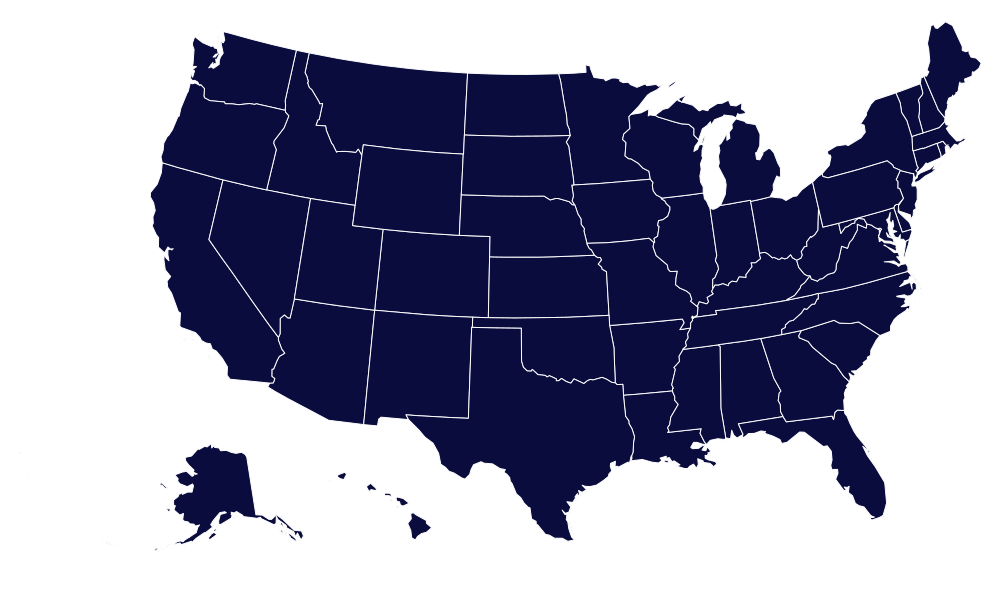
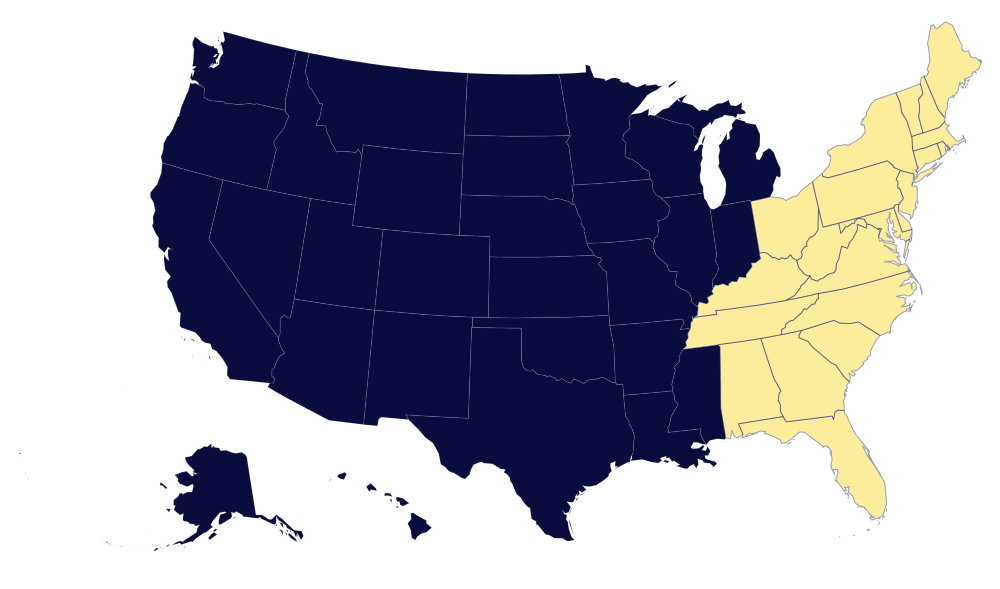
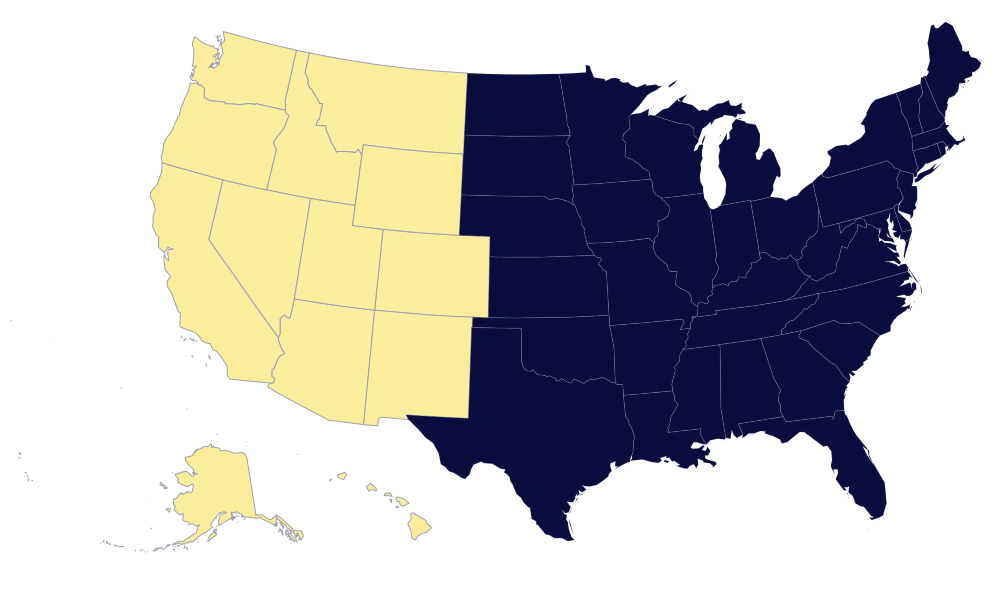
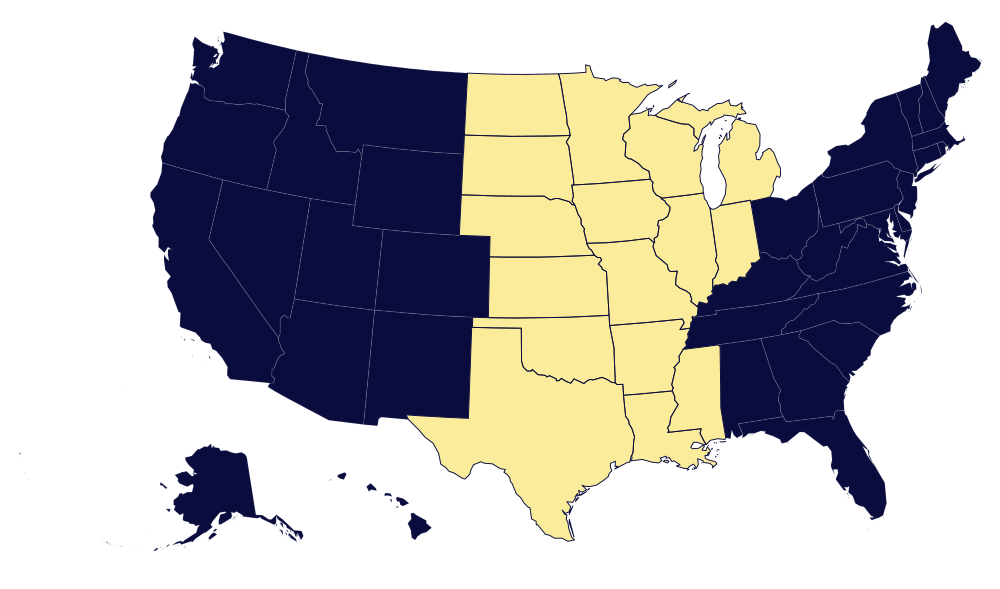
AVLS Nationwide Services
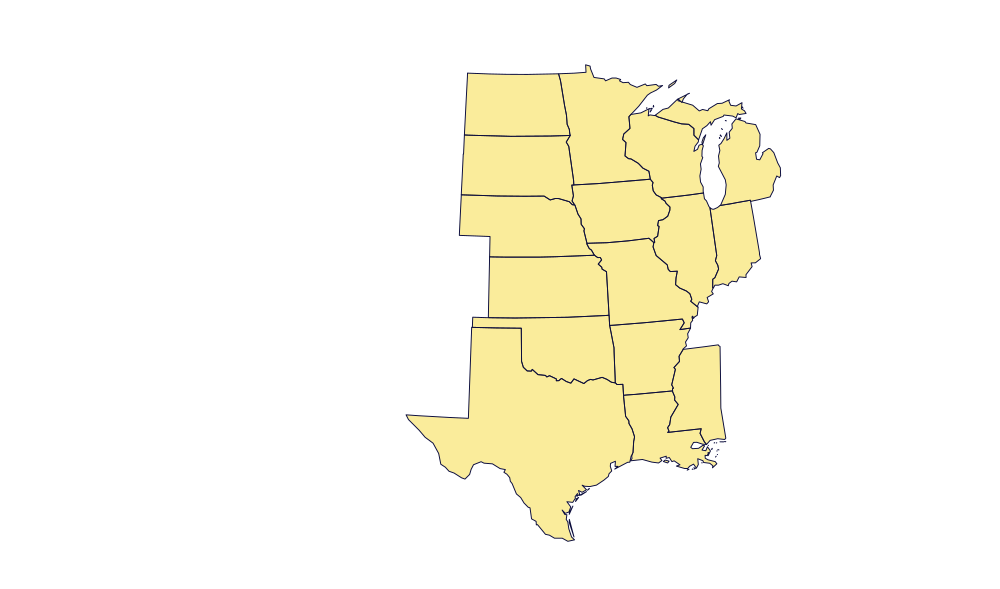
Central States
East Coast
*COMING SOON
West Coast


*COMING SOON
East Coast
Central States
West Coast
AVLS Nationwide Services
CONTACT US
When your event matters, trust your audio visual labor needs to AV Labor Source.
AVLS operate and has proven pool of AV technicians in major cities US Nationwide, such as Las Vegas, Los Angeles, Orlando, Dallas, San Antonio, Austin, Houston, Washington DC, Atlanta, New Orleans, Tennessee and more.
Please complete the form below and we will respond to you as soon as possible. We are available 24 hours a day to assist with your needs. We look forward to showing you what we can do toward the success of your next event.
AVLS operate and has proven pool of AV technicians in major cities US Nationwide, such as Las Vegas, Los Angeles, Orlando, Dallas, San Antonio, Austin, Houston, Washington DC, Atlanta, New Orleans, Tennessee and more.
Please complete the form below and we will respond to you as soon as possible. We are available 24 hours a day to assist with your needs. We look forward to showing you what we can do toward the success of your next event.
EVENT INFORMATION
