





July 18, 2026
Lighting Crew Roles Every Event Planner Should Know
Quick Answer
Understanding lighting crew roles every event planner should know is essential for successful event execution. The core lighting team includes a lighting director who oversees creative vision, lighting technicians who operate equipment, and specialized roles like gaffers for film-style events and best boys for equipment management. Event planners need different crew sizes depending on event scale - small events may require just one lighting technician, while large productions need 5-15 crew members across multiple specialized positions.
Key Takeaways
What Does a Lighting Director Do at Events
A lighting director serves as the creative and technical leader of the entire lighting operation, making all major decisions about lighting design, equipment selection, and crew coordination. They work directly with event planners to translate the event's vision into a comprehensive lighting plan that enhances the atmosphere and ensures proper visibility for all activities.
The lighting director's responsibilities include:
Choose a lighting director if your event involves multiple lighting zones, complex programming sequences, or integration with video and audio systems. Skip this role for simple events with basic uplighting needs.
Common mistake: Event planners often assume one lighting technician can handle director duties, but complex events require dedicated leadership to prevent coordination failures during critical moments.
Understanding the Difference Between Gaffer and Best Boy in Lighting
The gaffer functions as the head electrician and lighting department chief, while the best boy serves as the gaffer's primary assistant and equipment manager. These roles originated in film production but apply to large-scale events requiring extensive electrical work and equipment coordination.
Gaffer responsibilities:
Best Boy responsibilities:
When to hire both roles: Events with 50+ lighting fixtures, multiple power sources, or complex rigging requirements benefit from this traditional hierarchy. Corporate events in convention centers and outdoor festivals commonly use this structure.
Budget consideration: Gaffers typically cost 30-50% more than standard lighting technicians due to their specialized electrical knowledge and leadership responsibilities.
How Much Does a Lighting Crew Cost for an Event
Lighting crew costs range from $300-800 per technician per day, with specialized roles commanding premium rates. Total crew expenses typically represent 15-25% of the overall lighting budget for most events.
Standard rate breakdown:
Factors affecting crew costs:
Budget planning tip: Allocate crew costs early in the planning process, as experienced lighting professionals book 4-8 weeks in advance for peak event seasons.
For comprehensive guidance on hiring skilled technical crews, consider factors beyond base rates including travel expenses and equipment familiarity.
What Qualifications Do Lighting Technicians Need
Professional lighting technicians require a combination of technical certifications, hands-on experience, and safety training to operate complex lighting systems safely and effectively. Most qualified technicians have 2-5 years of experience working with professional lighting equipment.
Essential qualifications:
Experience indicators to verify:
Red flags when hiring:
Verification process: Always request certification copies and contact previous clients to confirm technical competency and professional reliability.
Lighting Crew Roles for Small vs Large Events
Small events (under 200 attendees) typically require 1-2 lighting crew members, while large events (1000+ attendees) need 5-15 specialized professionals across multiple departments. The crew structure scales based on equipment complexity rather than just attendee count.
Small Event Crew Structure:
Large Event Crew Structure:
Scaling decision factors:
Cost efficiency tip: Medium events (200-500 attendees) often achieve the best value by hiring 2-3 experienced technicians rather than a large crew of less experienced workers.
Common Lighting Mistakes Event Planners Make
The most frequent lighting mistake event planners make is underestimating setup time requirements, leading to rushed installations that compromise both safety and visual quality. Proper lighting setup typically requires 2-4 hours per 20 fixtures, depending on complexity.
Critical planning mistakes:
Insufficient power planning: Failing to verify venue electrical capacity before equipment selection, resulting in last-minute power limitations or expensive generator rentals.
Poor communication timing: Not providing detailed event schedules and room layouts to the lighting crew until the day of setup, preventing proper pre-planning and equipment positioning.
Inadequate crew size: Hiring too few technicians to save costs, then facing delays when complex setups require additional hands for safety and efficiency.
Venue coordination gaps: Not arranging proper venue access times or failing to coordinate with other vendors, creating bottlenecks during load-in periods.
Equipment mismatch: Selecting lighting packages based on price rather than venue requirements, leading to insufficient coverage or overly complex systems for the crew's experience level.
Prevention strategies:
Understanding event production efficiency helps prevent these common coordination problems.
Do I Need a Full Lighting Crew or Just One Person
Most events under 300 attendees with basic lighting needs can operate successfully with one experienced lighting technician, while events requiring multiple lighting zones, complex programming, or extensive rigging need a full crew of 3-8 professionals.
Single technician scenarios:
Full crew requirements:
Decision criteria checklist:
Hybrid approach: Some events benefit from one lead technician plus day-of assistants for setup, reducing costs while maintaining proper installation standards.
How Far in Advance Should I Hire Lighting Crew
Event planners should secure lighting crew 4-8 weeks before the event date to ensure availability of qualified professionals and allow proper planning time. Peak event seasons (October-December, May-June) require 8-12 weeks advance booking.
Booking timeline factors:
Event complexity: Simple lighting setups can be arranged 2-3 weeks in advance, while custom installations requiring specialized equipment need 6-10 weeks for proper coordination.
Market demand: Major event markets like Las Vegas, Orlando, and Chicago book faster due to high venue density and limited qualified crew availability.
Seasonal considerations: Wedding season (May-October) and corporate year-end events (November-December) create peak demand periods requiring extended lead times.
Crew specialization: Specialized roles like certified riggers or specific console programmers have limited availability and need early booking.
Last-minute hiring risks:
Optimal booking strategy: Contact lighting crews immediately after venue confirmation, even before final equipment decisions. Experienced crews can provide valuable input on venue-specific requirements and equipment recommendations.
Professional AV technicians for corporate events typically maintain booking calendars 6-8 weeks in advance during busy seasons.
Understanding the Difference Between Lighting Design and Lighting Operation
Lighting design involves the creative planning and technical specification of lighting systems before the event, while lighting operation focuses on real-time control and adjustment of lighting during the actual event. Many events require both skill sets, though smaller events may combine these roles.
Lighting Design responsibilities:
Lighting Operation responsibilities:
When to hire separately: Large events benefit from dedicated designers (pre-event) and operators (during event), while small events often use one technician for both functions.
Cost considerations: Lighting designers typically charge $500-1500 for design work, while operators cost $300-600 per event day. Combined roles offer 20-30% cost savings for smaller events.
Lighting Crew for Outdoor Events vs Indoor Venues
Outdoor events require 30-50% larger lighting crews due to additional challenges including weather protection, extended power distribution, and increased setup complexity compared to indoor venues with existing infrastructure.
Outdoor event crew additions:
Indoor venue advantages:
Outdoor-specific considerations:
Crew size comparison:
Experienced crews familiar with professional AV specialists for live events understand these environmental challenges and plan accordingly.
How Many Lighting Crew Members Do I Actually Need
The optimal lighting crew size depends on three primary factors: total fixture count, setup timeline, and operational complexity. Most events require one technician per 15-25 lighting fixtures, with additional crew for specialized roles and safety requirements.
Crew sizing formula:
Minimum crew requirements by event size:
Additional crew factors:
Cost optimization strategy: Hire experienced lead technicians who can work efficiently with smaller crews rather than large teams of less experienced workers.
What Equipment Does a Lighting Crew Bring
Professional lighting crews typically bring personal tools, safety equipment, and specialized accessories, while event planners or rental companies provide the major lighting fixtures, cables, and control systems. Understanding this division prevents equipment gaps and ensures proper event execution.
Crew-provided equipment:
Event planner/rental company equipment:
Equipment coordination checklist:
Common equipment gaps: Specialized tools for specific fixture brands, adequate ladder access for rigging positions, and proper power testing equipment for venue verification.
Proper AV equipment and technology coordination ensures seamless integration between crew tools and rental equipment.
Lighting Crew Considerations for Weddings vs Corporate Events
Wedding lighting crews focus on creating romantic ambiance and managing intimate moments, while corporate event crews prioritize professional presentation quality and business communication support. These different priorities require distinct crew skills and equipment approaches.
Wedding lighting crew characteristics:
Corporate event crew characteristics:
Key operational differences:
Crew selection criteria: Choose crews with specific experience in your event type, as the operational approaches and client service expectations differ significantly between wedding and corporate environments.
How to Communicate with Your Lighting Team During Setup
Effective communication with lighting crews during setup requires clear protocols, designated contact persons, and structured information sharing to prevent costly mistakes and ensure smooth execution. Establish communication procedures before the event day to avoid confusion during high-pressure setup periods.
Pre-event communication essentials:
Day-of communication structure:
Effective communication practices:
Common communication failures:
Technology tools: Use group messaging apps or project management platforms to maintain clear communication records and ensure all team members receive important updates simultaneously.
Frequently Asked Questions
How much should I budget for lighting crew costs?
Budget 15-25% of your total lighting budget for crew costs. For a $10,000 lighting package, expect $1,500-2,500 in crew expenses depending on event complexity and duration.
Can one lighting technician handle a 500-person corporate event?
One experienced technician can handle most 500-person events with standard lighting needs, but complex setups with multiple zones or live programming require 2-3 crew members for safety and efficiency.
What's the difference between a lighting technician and lighting engineer?
Lighting technicians focus on equipment operation and setup, while lighting engineers have advanced technical training in electrical systems, programming, and design. Engineers typically cost 30-50% more but handle complex installations.
Do I need union lighting crew for my event?
Union requirements depend on venue contracts and local regulations. Many convention centers and hotels require union crews, while private venues often allow non-union professionals. Check venue requirements early in planning.
How long does lighting setup typically take?
Basic lighting setup requires 2-3 hours for simple events, while complex installations need 6-12 hours. Allow extra time for outdoor events, multiple rooms, or extensive programming requirements.
What happens if my lighting crew doesn't show up?
Professional lighting companies maintain backup crew lists and insurance coverage for no-shows. Always hire insured crews and confirm arrival details 24-48 hours before your event.
Can lighting crew work with equipment from different rental companies?
Experienced crews can operate most professional lighting equipment, but provide equipment specifications in advance. Some specialized fixtures require manufacturer-specific training for safe operation.
Should I hire local lighting crew or bring crew from other cities?
Local crews eliminate travel costs and have venue familiarity, but specialized events may require bringing experienced crews from major markets. Factor travel expenses and logistics into your decision.
What safety certifications should lighting crew have?
Look for ETCP certification, OSHA safety training, and current insurance coverage. Rigging work requires additional certifications for working at heights and structural installations.
How do I verify lighting crew experience and qualifications?
Request recent client references, certification copies, and portfolios of similar events. Contact previous clients directly to verify technical competency and professional reliability.
What's included in lighting crew day rates?
Standard day rates cover 8-10 hours of work including setup, event operation, and basic strike. Overtime rates apply beyond standard hours, and travel time may be additional depending on location.
Can lighting crew help with other AV equipment during my event?
Many lighting technicians have cross-training in audio and video systems, but confirm specific capabilities when hiring. Dedicated AV crews may be more efficient for complex multi-system events.
Conclusion
Understanding lighting crew roles every event planner should know directly impacts event success and budget efficiency. The key is matching crew size and expertise to your specific event requirements rather than following generic recommendations.
Start by assessing your event's complexity using the fixture count, venue type, and timeline factors outlined in this guide. Small events under 200 attendees typically succeed with 1-2 experienced technicians, while large productions require specialized roles including lighting directors, gaffers, and dedicated operators.
Immediate action steps:
Budget planning priorities:
The investment in qualified lighting crews pays dividends through professional execution, safety compliance, and the ability to handle unexpected challenges during your event. Experienced crews often suggest cost-saving equipment alternatives and prevent expensive mistakes that inexperienced operators commonly make.
For events requiring multiple technical disciplines, coordinate lighting crews with audio and video teams early in the planning process to ensure seamless integration and avoid scheduling conflicts during critical setup periods.
Need Expert Lighting Crew for Your Next Event?
AV Labor Source connects event planners with certified lighting professionals nationwide. Our experienced crews handle everything from intimate corporate meetings to large-scale productions, ensuring your lighting vision becomes reality.
Get matched with qualified lighting technicians, directors, and specialized crew members who understand your event requirements and venue challenges.
Contact us today for lighting crew quotes and availability: https://avlaborsourceinc.com/#contacts
Understanding lighting crew roles every event planner should know is essential for successful event execution. The core lighting team includes a lighting director who oversees creative vision, lighting technicians who operate equipment, and specialized roles like gaffers for film-style events and best boys for equipment management. Event planners need different crew sizes depending on event scale - small events may require just one lighting technician, while large productions need 5-15 crew members across multiple specialized positions.
Key Takeaways
- Lighting Director leads the creative vision and manages the entire lighting team
- Lighting Technicians handle equipment setup, operation, and troubleshooting during events
- Gaffer serves as head electrician for film-style productions and complex installations
- Best Boy manages equipment inventory and assists the gaffer with crew coordination
- Small events (under 200 people) typically need 1-2 lighting crew members
- Large events (1000+ attendees) require 5-15 specialized lighting professionals
- Outdoor events demand additional crew for weather protection and power management
- Hiring timeline should begin 4-8 weeks before the event date for optimal crew availability
- Budget allocation ranges from $500-2000 per crew member depending on event complexity
- Clear communication protocols prevent costly mistakes during setup and live events
What Does a Lighting Director Do at Events
A lighting director serves as the creative and technical leader of the entire lighting operation, making all major decisions about lighting design, equipment selection, and crew coordination. They work directly with event planners to translate the event's vision into a comprehensive lighting plan that enhances the atmosphere and ensures proper visibility for all activities.
The lighting director's responsibilities include:
- Pre-event planning: Site visits, equipment specifications, and crew scheduling
- Design development: Creating lighting plots and coordinating with other technical departments
- Budget management: Recommending equipment packages within the event's lighting budget
- Crew supervision: Directing technicians during load-in, rehearsals, and live events
- Problem solving: Making real-time adjustments when technical issues arise
Choose a lighting director if your event involves multiple lighting zones, complex programming sequences, or integration with video and audio systems. Skip this role for simple events with basic uplighting needs.
Common mistake: Event planners often assume one lighting technician can handle director duties, but complex events require dedicated leadership to prevent coordination failures during critical moments.
Understanding the Difference Between Gaffer and Best Boy in Lighting
The gaffer functions as the head electrician and lighting department chief, while the best boy serves as the gaffer's primary assistant and equipment manager. These roles originated in film production but apply to large-scale events requiring extensive electrical work and equipment coordination.
Gaffer responsibilities:
- Electrical safety oversight and power distribution planning
- Advanced lighting equipment programming and operation
- Crew scheduling and technical problem resolution
- Direct communication with event producers and venue management
Best Boy responsibilities:
- Equipment inventory management and transportation coordination
- Crew time tracking and basic administrative duties
- Equipment maintenance and troubleshooting support
- Backup operation of lighting systems when needed
When to hire both roles: Events with 50+ lighting fixtures, multiple power sources, or complex rigging requirements benefit from this traditional hierarchy. Corporate events in convention centers and outdoor festivals commonly use this structure.
Budget consideration: Gaffers typically cost 30-50% more than standard lighting technicians due to their specialized electrical knowledge and leadership responsibilities.
How Much Does a Lighting Crew Cost for an Event
Lighting crew costs range from $300-800 per technician per day, with specialized roles commanding premium rates. Total crew expenses typically represent 15-25% of the overall lighting budget for most events.
Standard rate breakdown:
- Lighting Technician: $300-500 per day
- Lighting Director: $600-1200 per day
- Gaffer: $500-800 per day
- Best Boy: $400-600 per day
Factors affecting crew costs:
- Event duration: Multi-day events often negotiate daily rate reductions
- Setup complexity: Extensive rigging adds 20-40% to base rates
- Location: Major markets like New York and Los Angeles cost 25-50% more
- Union requirements: Union crews add 15-30% but provide standardized expertise
- Overtime provisions: Events exceeding 10-12 hour days trigger premium rates
Budget planning tip: Allocate crew costs early in the planning process, as experienced lighting professionals book 4-8 weeks in advance for peak event seasons.
For comprehensive guidance on hiring skilled technical crews, consider factors beyond base rates including travel expenses and equipment familiarity.
What Qualifications Do Lighting Technicians Need
Professional lighting technicians require a combination of technical certifications, hands-on experience, and safety training to operate complex lighting systems safely and effectively. Most qualified technicians have 2-5 years of experience working with professional lighting equipment.
Essential qualifications:
- ETCP (Entertainment Technician Certification Program) certification for rigging and electrical work
- OSHA 10 or 30-hour safety training for workplace safety compliance
- Manufacturer-specific training on major lighting console brands (MA Lighting, ETC, Chamsys)
- Basic electrical knowledge including power distribution and troubleshooting
- Physical requirements: Ability to lift 50+ pounds and work at heights
Experience indicators to verify:
- Previous work with similar event types and venue sizes
- Familiarity with your specific lighting equipment brands
- References from recent event planners or production companies
- Portfolio of completed events with complexity matching your needs
Red flags when hiring:
- Lack of safety certifications or insurance coverage
- Inability to provide recent client references
- Unfamiliarity with industry-standard equipment and protocols
- Unrealistic pricing that suggests inexperience or corner-cutting
Verification process: Always request certification copies and contact previous clients to confirm technical competency and professional reliability.
Lighting Crew Roles for Small vs Large Events
Small events (under 200 attendees) typically require 1-2 lighting crew members, while large events (1000+ attendees) need 5-15 specialized professionals across multiple departments. The crew structure scales based on equipment complexity rather than just attendee count.
Small Event Crew Structure:
- 1 Lighting Technician: Handles setup, operation, and basic programming
- Optional Lighting Director: Added for events with multiple lighting zones or special requirements
- Equipment scope: 10-30 fixtures, basic control console, standard power requirements
Large Event Crew Structure:
- 1 Lighting Director: Overall creative and technical leadership
- 2-4 Lighting Technicians: Equipment setup, focus, and operation
- 1 Gaffer: Electrical distribution and safety oversight
- 1 Best Boy: Equipment management and crew coordination
- 1-2 Followspot Operators: Manual spotlight operation for presentations
- Rigging Crew: Specialized installation for complex hanging positions
Scaling decision factors:
- Venue complexity: Multiple rooms or outdoor areas require additional crew
- Programming requirements: Automated lighting sequences need experienced operators
- Load-in timeline: Tight schedules require larger crews for parallel work
- Safety considerations: Height work and electrical complexity mandate additional oversight
Cost efficiency tip: Medium events (200-500 attendees) often achieve the best value by hiring 2-3 experienced technicians rather than a large crew of less experienced workers.
Common Lighting Mistakes Event Planners Make
The most frequent lighting mistake event planners make is underestimating setup time requirements, leading to rushed installations that compromise both safety and visual quality. Proper lighting setup typically requires 2-4 hours per 20 fixtures, depending on complexity.
Critical planning mistakes:
Insufficient power planning: Failing to verify venue electrical capacity before equipment selection, resulting in last-minute power limitations or expensive generator rentals.
Poor communication timing: Not providing detailed event schedules and room layouts to the lighting crew until the day of setup, preventing proper pre-planning and equipment positioning.
Inadequate crew size: Hiring too few technicians to save costs, then facing delays when complex setups require additional hands for safety and efficiency.
Venue coordination gaps: Not arranging proper venue access times or failing to coordinate with other vendors, creating bottlenecks during load-in periods.
Equipment mismatch: Selecting lighting packages based on price rather than venue requirements, leading to insufficient coverage or overly complex systems for the crew's experience level.
Prevention strategies:
- Schedule lighting crew consultations 4-6 weeks before the event
- Provide detailed venue drawings and event timelines in advance
- Build 25% buffer time into setup schedules for unexpected challenges
- Verify all power, rigging, and access requirements during venue site visits
Understanding event production efficiency helps prevent these common coordination problems.
Do I Need a Full Lighting Crew or Just One Person
Most events under 300 attendees with basic lighting needs can operate successfully with one experienced lighting technician, while events requiring multiple lighting zones, complex programming, or extensive rigging need a full crew of 3-8 professionals.
Single technician scenarios:
- Corporate meetings with standard uplighting and presentation lighting
- Small weddings using pre-programmed lighting sequences
- Retail events with simple accent and ambient lighting
- Indoor venues with existing house lighting systems
- Events under 4 hours with minimal lighting changes
Full crew requirements:
- Multi-room events requiring simultaneous setup and operation
- Outdoor events needing extensive power distribution and weather protection
- Live performances with followspots, moving lights, and real-time operation
- Events over 8 hours where crew rotation prevents fatigue-related mistakes
- Complex rigging requiring certified professionals for safety compliance
Decision criteria checklist:
- Count total lighting fixtures (30+ typically requires multiple technicians)
- Evaluate setup timeline (under 4 hours favors single technician)
- Assess venue complexity (multiple levels or rooms need additional crew)
- Consider safety requirements (height work mandates proper crew size)
- Review budget constraints (single technician costs 60-75% less than full crew)
Hybrid approach: Some events benefit from one lead technician plus day-of assistants for setup, reducing costs while maintaining proper installation standards.
How Far in Advance Should I Hire Lighting Crew
Event planners should secure lighting crew 4-8 weeks before the event date to ensure availability of qualified professionals and allow proper planning time. Peak event seasons (October-December, May-June) require 8-12 weeks advance booking.
Booking timeline factors:
Event complexity: Simple lighting setups can be arranged 2-3 weeks in advance, while custom installations requiring specialized equipment need 6-10 weeks for proper coordination.
Market demand: Major event markets like Las Vegas, Orlando, and Chicago book faster due to high venue density and limited qualified crew availability.
Seasonal considerations: Wedding season (May-October) and corporate year-end events (November-December) create peak demand periods requiring extended lead times.
Crew specialization: Specialized roles like certified riggers or specific console programmers have limited availability and need early booking.
Last-minute hiring risks:
- 50-100% premium rates for rush bookings
- Limited crew availability forcing compromise on experience levels
- Insufficient planning time leading to equipment or logistics problems
- Higher likelihood of crew cancellations due to better opportunities
Optimal booking strategy: Contact lighting crews immediately after venue confirmation, even before final equipment decisions. Experienced crews can provide valuable input on venue-specific requirements and equipment recommendations.
Professional AV technicians for corporate events typically maintain booking calendars 6-8 weeks in advance during busy seasons.
Understanding the Difference Between Lighting Design and Lighting Operation
Lighting design involves the creative planning and technical specification of lighting systems before the event, while lighting operation focuses on real-time control and adjustment of lighting during the actual event. Many events require both skill sets, though smaller events may combine these roles.
Lighting Design responsibilities:
- Pre-event planning: Creating lighting plots, fixture schedules, and power requirements
- Creative development: Selecting colors, intensities, and movement patterns to match event themes
- Technical specifications: Determining equipment needs, rigging positions, and control requirements
- Venue coordination: Working with venues to ensure proper installation capabilities
- Documentation: Providing detailed setup instructions and operational notes
Lighting Operation responsibilities:
- Real-time control: Operating lighting consoles during live events
- Cue execution: Following event scripts and timing for lighting changes
- Problem solving: Addressing technical issues without disrupting the event
- Communication: Coordinating with stage managers and other technical departments
- Equipment monitoring: Ensuring proper function throughout the event duration
When to hire separately: Large events benefit from dedicated designers (pre-event) and operators (during event), while small events often use one technician for both functions.
Cost considerations: Lighting designers typically charge $500-1500 for design work, while operators cost $300-600 per event day. Combined roles offer 20-30% cost savings for smaller events.
Lighting Crew for Outdoor Events vs Indoor Venues
Outdoor events require 30-50% larger lighting crews due to additional challenges including weather protection, extended power distribution, and increased setup complexity compared to indoor venues with existing infrastructure.
Outdoor event crew additions:
- Additional technicians for weather-proofing equipment and cable management
- Power distribution specialists for generator coordination and extensive cable runs
- Rigging crew for temporary structure installation and wind load calculations
- Equipment protection specialists for covering and securing gear against weather
Indoor venue advantages:
- Existing infrastructure: House power, rigging points, and climate control
- Controlled environment: No weather concerns or temperature variations
- Shorter setup times: Reduced cable runs and simplified equipment positioning
- Standard crew sizes: Predictable staffing needs based on venue type
Outdoor-specific considerations:
- Weather contingency planning: Backup equipment and rapid strike procedures
- Extended power requirements: Generators, distribution panels, and ground fault protection
- Increased safety protocols: Wind ratings, water protection, and emergency procedures
- Transportation logistics: Additional vehicles for equipment protection and crew shelter
Crew size comparison:
- Indoor corporate event (500 attendees): 2-3 lighting crew members
- Outdoor corporate event (500 attendees): 4-6 lighting crew members
- Additional costs: 40-60% increase for outdoor events due to complexity and equipment requirements
Experienced crews familiar with professional AV specialists for live events understand these environmental challenges and plan accordingly.
How Many Lighting Crew Members Do I Actually Need
The optimal lighting crew size depends on three primary factors: total fixture count, setup timeline, and operational complexity. Most events require one technician per 15-25 lighting fixtures, with additional crew for specialized roles and safety requirements.
Crew sizing formula:
- Basic calculation: 1 technician per 20 fixtures for standard events
- Complex events: 1 technician per 15 fixtures with moving lights or extensive programming
- Simple events: 1 technician per 30 fixtures for basic uplighting or wash lighting
Minimum crew requirements by event size:
Event Size | Fixtures | Minimum Crew | Recommended Crew |
Small (50-200) | 10-30 | 1 | 1-2 |
Medium (200-500) | 30-80 | 2 | 2-3 |
Large (500-1000) | 80-150 | 3-4 | 4-6 |
Extra Large (1000+) | 150+ | 5-8 | 8-12 |
Additional crew factors:
- Setup timeline: Events with under 4 hours setup time need 25-50% more crew
- Venue complexity: Multi-level or multi-room venues require additional technicians
- Safety requirements: Height work over 10 feet mandates additional crew for safety protocols
- Operational demands: Live events with frequent lighting changes need dedicated operators
Cost optimization strategy: Hire experienced lead technicians who can work efficiently with smaller crews rather than large teams of less experienced workers.
What Equipment Does a Lighting Crew Bring
Professional lighting crews typically bring personal tools, safety equipment, and specialized accessories, while event planners or rental companies provide the major lighting fixtures, cables, and control systems. Understanding this division prevents equipment gaps and ensures proper event execution.
Crew-provided equipment:
- Personal tools: Wrenches, screwdrivers, cable testers, and multimeters
- Safety gear: Harnesses, hard hats, safety glasses, and work gloves
- Programming devices: Laptops, USB drives, and console-specific accessories
- Communication equipment: Headsets, radios, and mobile phones
- Basic consumables: Tape, cable ties, and marking materials
Event planner/rental company equipment:
- Lighting fixtures: LED lights, moving lights, followspots, and specialty effects
- Control systems: Lighting consoles, dimmer racks, and networking equipment
- Infrastructure: Cables, power distribution, rigging hardware, and safety equipment
- Support equipment: Ladders, lifts, and transportation cases
Equipment coordination checklist:
- Confirm equipment delivery timeline with rental companies
- Verify crew tool requirements for specific fixture types
- Arrange proper storage and security for valuable equipment
- Establish clear responsibility for equipment damage or loss
- Provide equipment manuals and specifications to crew in advance
Common equipment gaps: Specialized tools for specific fixture brands, adequate ladder access for rigging positions, and proper power testing equipment for venue verification.
Proper AV equipment and technology coordination ensures seamless integration between crew tools and rental equipment.
Lighting Crew Considerations for Weddings vs Corporate Events
Wedding lighting crews focus on creating romantic ambiance and managing intimate moments, while corporate event crews prioritize professional presentation quality and business communication support. These different priorities require distinct crew skills and equipment approaches.
Wedding lighting crew characteristics:
- Aesthetic focus: Emphasis on warm color temperatures and soft lighting transitions
- Discretion requirements: Quiet operation and minimal visibility during ceremonies
- Flexibility needs: Adapting to timeline changes and emotional moments
- Equipment preferences: Battery-powered uplights and wireless control systems
- Typical crew size: 1-2 technicians for most wedding venues
Corporate event crew characteristics:
- Technical precision: Focus on proper illumination for presentations and branding
- Professional appearance: Uniformed crew with corporate-appropriate behavior
- Schedule adherence: Strict timeline compliance for business agenda requirements
- Equipment reliability: Redundant systems and backup plans for critical moments
- Typical crew size: 2-4 technicians depending on venue complexity
Key operational differences:
- Setup timing: Weddings allow flexible setup around vendor schedules, corporate events demand precise timing
- Client interaction: Wedding crews work with emotional clients, corporate crews interface with professional event managers
- Equipment selection: Weddings prioritize aesthetics, corporate events emphasize functionality and reliability
- Budget considerations: Wedding lighting represents emotional investment, corporate lighting serves business objectives
Crew selection criteria: Choose crews with specific experience in your event type, as the operational approaches and client service expectations differ significantly between wedding and corporate environments.
How to Communicate with Your Lighting Team During Setup
Effective communication with lighting crews during setup requires clear protocols, designated contact persons, and structured information sharing to prevent costly mistakes and ensure smooth execution. Establish communication procedures before the event day to avoid confusion during high-pressure setup periods.
Pre-event communication essentials:
- Detailed event timeline with specific lighting cue times and change requirements
- Venue contact information including load-in procedures and facility management contacts
- Equipment specifications and any last-minute changes to lighting requirements
- Emergency contact protocols for day-of issues or unexpected challenges
Day-of communication structure:
- Single point of contact: Designate one event team member to communicate with the lighting director
- Regular check-ins: Schedule updates every 2 hours during setup to track progress
- Clear decision authority: Establish who can approve changes or modifications during setup
- Documentation requirements: Confirm any changes in writing to prevent misunderstandings
Effective communication practices:
- Be specific: Use exact fixture numbers and locations rather than general descriptions
- Provide context: Explain the reasoning behind requests to help crews suggest solutions
- Respect expertise: Allow crews to recommend technical alternatives when challenges arise
- Stay accessible: Maintain phone availability during critical setup and event periods
Common communication failures:
- Multiple event team members giving conflicting instructions to crew
- Last-minute changes without considering technical feasibility or time requirements
- Inadequate venue information leading to setup delays and equipment problems
- Poor coordination with other vendors creating workspace conflicts
Technology tools: Use group messaging apps or project management platforms to maintain clear communication records and ensure all team members receive important updates simultaneously.
Frequently Asked Questions
How much should I budget for lighting crew costs?
Budget 15-25% of your total lighting budget for crew costs. For a $10,000 lighting package, expect $1,500-2,500 in crew expenses depending on event complexity and duration.
Can one lighting technician handle a 500-person corporate event?
One experienced technician can handle most 500-person events with standard lighting needs, but complex setups with multiple zones or live programming require 2-3 crew members for safety and efficiency.
What's the difference between a lighting technician and lighting engineer?
Lighting technicians focus on equipment operation and setup, while lighting engineers have advanced technical training in electrical systems, programming, and design. Engineers typically cost 30-50% more but handle complex installations.
Do I need union lighting crew for my event?
Union requirements depend on venue contracts and local regulations. Many convention centers and hotels require union crews, while private venues often allow non-union professionals. Check venue requirements early in planning.
How long does lighting setup typically take?
Basic lighting setup requires 2-3 hours for simple events, while complex installations need 6-12 hours. Allow extra time for outdoor events, multiple rooms, or extensive programming requirements.
What happens if my lighting crew doesn't show up?
Professional lighting companies maintain backup crew lists and insurance coverage for no-shows. Always hire insured crews and confirm arrival details 24-48 hours before your event.
Can lighting crew work with equipment from different rental companies?
Experienced crews can operate most professional lighting equipment, but provide equipment specifications in advance. Some specialized fixtures require manufacturer-specific training for safe operation.
Should I hire local lighting crew or bring crew from other cities?
Local crews eliminate travel costs and have venue familiarity, but specialized events may require bringing experienced crews from major markets. Factor travel expenses and logistics into your decision.
What safety certifications should lighting crew have?
Look for ETCP certification, OSHA safety training, and current insurance coverage. Rigging work requires additional certifications for working at heights and structural installations.
How do I verify lighting crew experience and qualifications?
Request recent client references, certification copies, and portfolios of similar events. Contact previous clients directly to verify technical competency and professional reliability.
What's included in lighting crew day rates?
Standard day rates cover 8-10 hours of work including setup, event operation, and basic strike. Overtime rates apply beyond standard hours, and travel time may be additional depending on location.
Can lighting crew help with other AV equipment during my event?
Many lighting technicians have cross-training in audio and video systems, but confirm specific capabilities when hiring. Dedicated AV crews may be more efficient for complex multi-system events.
Conclusion
Understanding lighting crew roles every event planner should know directly impacts event success and budget efficiency. The key is matching crew size and expertise to your specific event requirements rather than following generic recommendations.
Start by assessing your event's complexity using the fixture count, venue type, and timeline factors outlined in this guide. Small events under 200 attendees typically succeed with 1-2 experienced technicians, while large productions require specialized roles including lighting directors, gaffers, and dedicated operators.
Immediate action steps:
- Calculate your lighting fixture count and setup timeline requirements
- Contact qualified crews 4-8 weeks before your event date
- Verify crew certifications and insurance coverage before hiring
- Establish clear communication protocols and emergency contact procedures
- Build 25% buffer time into your lighting setup schedule
Budget planning priorities:
- Allocate 15-25% of lighting budget for professional crew costs
- Factor in overtime rates for events exceeding 10-hour days
- Consider local crew advantages versus specialized expertise needs
- Include travel and accommodation costs for non-local crews
The investment in qualified lighting crews pays dividends through professional execution, safety compliance, and the ability to handle unexpected challenges during your event. Experienced crews often suggest cost-saving equipment alternatives and prevent expensive mistakes that inexperienced operators commonly make.
For events requiring multiple technical disciplines, coordinate lighting crews with audio and video teams early in the planning process to ensure seamless integration and avoid scheduling conflicts during critical setup periods.
Need Expert Lighting Crew for Your Next Event?
AV Labor Source connects event planners with certified lighting professionals nationwide. Our experienced crews handle everything from intimate corporate meetings to large-scale productions, ensuring your lighting vision becomes reality.
Get matched with qualified lighting technicians, directors, and specialized crew members who understand your event requirements and venue challenges.
Contact us today for lighting crew quotes and availability: https://avlaborsourceinc.com/#contacts
AVLS Nationwide Services
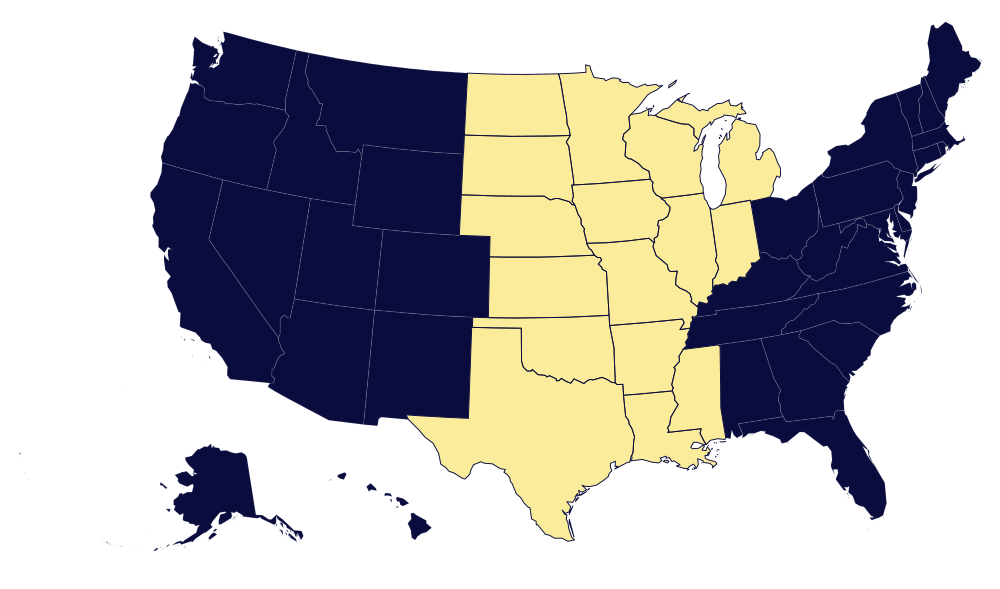
Central States
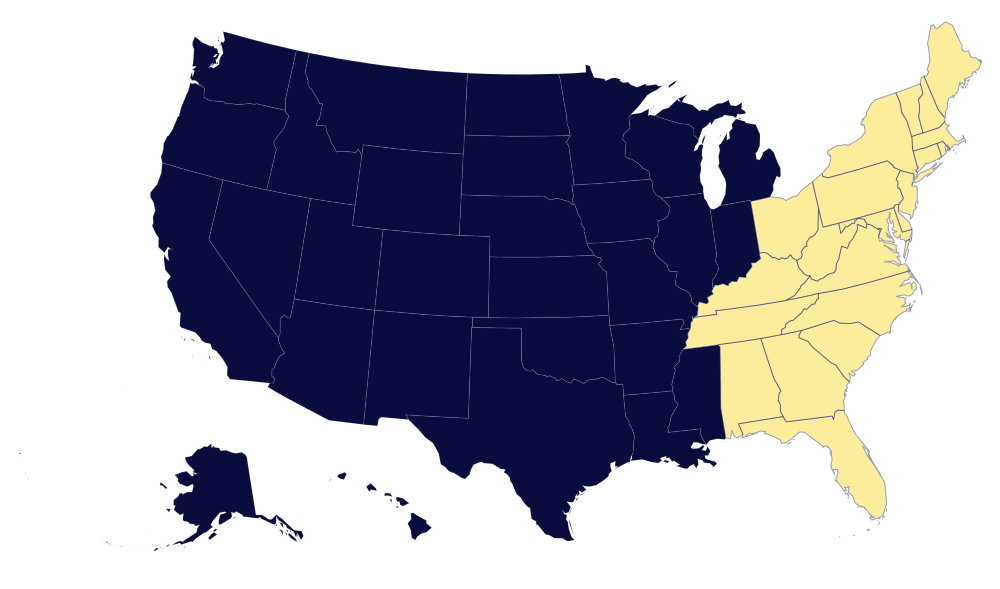
East Coast
*COMING SOON
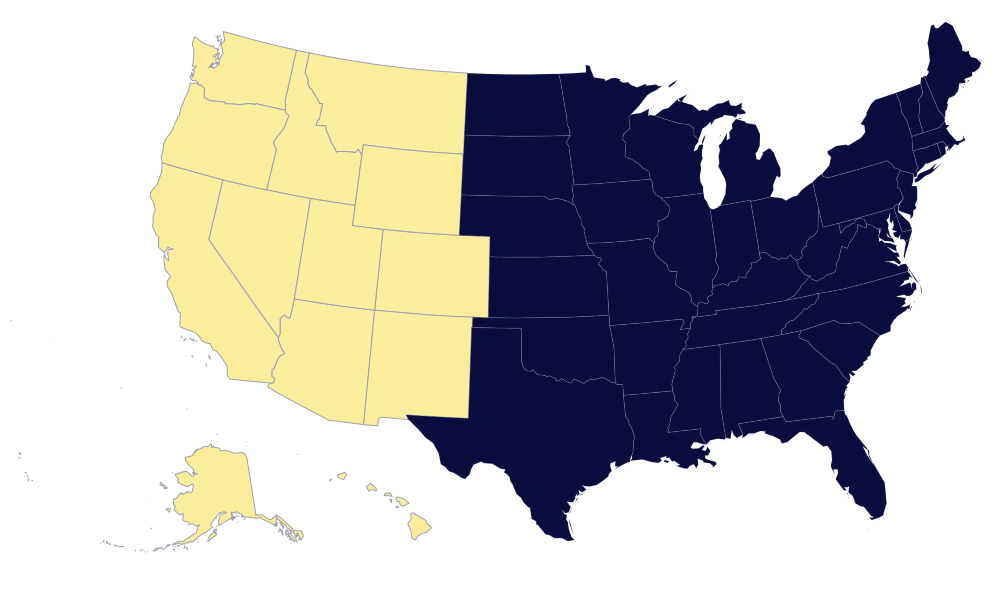
West Coast

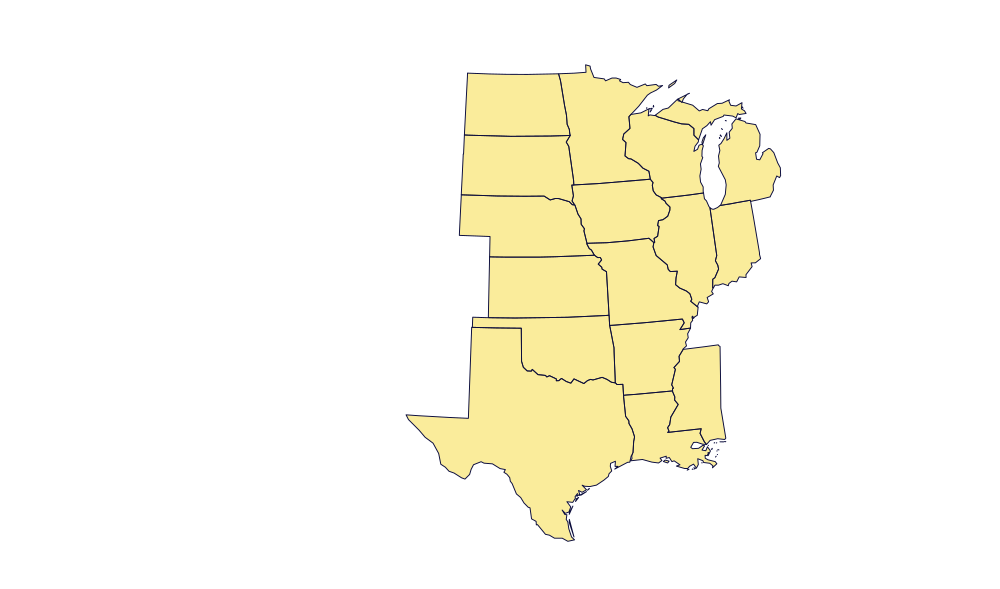

*COMING SOON
East Coast
Central States
West Coast
AVLS Nationwide Services
CONTACT US
When your event matters, trust your audio visual labor needs to AV Labor Source.
AVLS operate and has proven pool of AV technicians in major cities US Nationwide, such as Las Vegas, Los Angeles, Orlando, Dallas, San Antonio, Austin, Houston, Washington DC, Atlanta, New Orleans, Tennessee and more.
Please complete the form below and we will respond to you as soon as possible. We are available 24 hours a day to assist with your needs. We look forward to showing you what we can do toward the success of your next event.
AVLS operate and has proven pool of AV technicians in major cities US Nationwide, such as Las Vegas, Los Angeles, Orlando, Dallas, San Antonio, Austin, Houston, Washington DC, Atlanta, New Orleans, Tennessee and more.
Please complete the form below and we will respond to you as soon as possible. We are available 24 hours a day to assist with your needs. We look forward to showing you what we can do toward the success of your next event.
EVENT INFORMATION
