





Why Professional Audio Engineers Matter for Live Events
Professional audio engineers are essential for live events because they ensure crystal-clear sound quality, prevent technical disasters, and create immersive experiences that keep audiences engaged. Unlike DJs or basic sound operators, certified audio engineers possess specialized training in acoustics, equipment management, and real-time problem-solving that can make or break an event's success.
Key Takeaways
- Professional audio engineers prevent costly sound failures that can ruin corporate presentations, weddings, and concerts
- Certified engineers understand room acoustics and can adapt sound systems to any venue size or layout
- Live sound engineering requires different skills than studio recording, focusing on real-time mixing and crowd dynamics
- Events with 100+ attendees typically require professional sound engineering for optimal audio quality
- Booking qualified engineers 4-6 weeks in advance ensures availability and proper event planning
- Professional engineers bring backup equipment and troubleshooting expertise that amateurs lack
- The cost difference between amateur and professional sound can be recovered through improved audience satisfaction
- Qualified engineers handle complex setups including wireless microphones, monitor systems, and multi-zone audio
- Professional sound engineering directly impacts audience retention and event success metrics
What Does a Live Event Audio Engineer Actually Do
A live event audio engineer manages all aspects of sound production during real-time events, from initial setup through final breakdown. Their primary responsibility is ensuring every audience member hears clear, balanced audio regardless of their seating location.
Core responsibilities include:
- Pre-event planning: Conducting site surveys, calculating speaker placement, and designing audio layouts based on venue acoustics
- Equipment setup: Installing mixing consoles, speakers, microphones, and monitoring systems while running cables safely
- Sound check coordination: Testing all audio sources, adjusting levels, and eliminating feedback before the event begins
- Real-time mixing: Balancing multiple audio sources simultaneously while monitoring audience areas for sound quality
- Technical troubleshooting: Quickly resolving equipment failures, connectivity issues, or unexpected audio problems during live events
Professional engineers also coordinate with event production teams to integrate lighting, video, and staging elements that affect sound quality. They understand how crowd noise, temperature changes, and venue materials impact audio performance throughout an event.
Common mistake: Many event planners assume audio engineering only involves "turning up the volume." Professional engineers actually spend most of their time preventing problems rather than fixing them after they occur.
How Much Does It Cost to Hire a Professional Sound Engineer for an Event
Professional audio engineer costs typically range from $500 to $2,500 per day depending on event complexity, location, and engineer experience level. Corporate events and weddings usually fall in the $800-1,500 range, while large concerts or multi-day conferences can exceed $3,000 daily.
Pricing factors that affect costs:
- Event duration: Half-day events cost 60-70% of full-day rates, while multi-day bookings often include discounted daily rates
- Equipment requirements: Engineers who provide their own mixing boards, speakers, and microphones charge 40-60% more than labor-only contracts
- Venue complexity: Outdoor events, historic buildings, or venues with challenging acoustics command premium rates
- Geographic location: Major markets like Las Vegas, Los Angeles, and New York City typically cost 20-30% more than smaller markets
Budget considerations: While professional engineering represents 8-12% of total event costs, it directly impacts the success of presentations, speeches, and entertainment that often comprise 60-80% of event value.
Most qualified AV technicians require 50% deposits for bookings, with final payment due within 30 days of event completion. Rush bookings (less than two weeks notice) often include 25-50% surcharges.
What's the Difference Between a DJ and a Professional Audio Engineer
DJs focus on music playback and crowd entertainment, while professional audio engineers specialize in comprehensive sound system management for diverse audio sources. The skill sets, equipment knowledge, and responsibilities differ significantly between these roles.
Key differences:
Aspect | DJ | Professional Audio Engineer |
Primary focus | Music mixing and crowd engagement | Sound quality and technical management |
Equipment expertise | DJ controllers, turntables, basic PA systems | Mixing consoles, line arrays, wireless systems |
Audio sources | Pre-recorded music, microphone announcements | Live instruments, speeches, presentations, multimedia |
Training background | Music knowledge, crowd reading | Acoustics, electronics, signal processing |
Problem-solving scope | Basic connectivity and volume issues | Complex troubleshooting, system design, feedback elimination |
Professional engineers understand signal flow, impedance matching, and frequency response curves that enable them to optimize sound for speaking voices, live instruments, and recorded content simultaneously. DJs typically excel at reading crowds and maintaining energy but lack the technical depth for complex audio challenges.
When to choose each: Hire DJs for dance parties, casual celebrations, or music-focused events. Choose professional engineers for corporate presentations, live performances, weddings with speeches, or any event requiring multiple microphones and audio sources.
Many successful events combine both professionals, with engineers handling technical setup and DJs managing entertainment portions.
Can You Do Live Event Sound Without a Professional Engineer
Small, informal gatherings of 25-50 people can sometimes manage with basic portable PA systems, but events requiring clear speech, multiple microphones, or professional presentations benefit significantly from trained engineers. The risk of audio failure increases dramatically without professional expertise.
Scenarios where DIY audio might work:
- Backyard parties: Single wireless microphone for announcements with background music
- Small meetings: Conference rooms with built-in AV systems and minimal technical requirements
- Casual celebrations: Pre-recorded music through portable speakers without live microphones
Situations requiring professional engineers:
- Corporate presentations: PowerPoint audio, wireless presenters, Q&A sessions
- Wedding ceremonies: Multiple microphones for officiant, vows, and music coordination
- Live performances: Bands, speakers, or entertainment requiring real-time mixing
- Outdoor events: Weather considerations, power distribution, and acoustic challenges
Common DIY mistakes: Feedback loops during speeches, dead zones where audiences can't hear, equipment failures without backup solutions, and improper microphone techniques that create audio distortion.
The cost of professional engineering often proves worthwhile when considering the potential embarrassment and lost audience engagement from poor audio quality. Experienced AV specialists bring backup equipment and troubleshooting skills that prevent disasters rather than react to them.
What Equipment Do Professional Audio Engineers Use at Live Events
Professional audio engineers deploy sophisticated mixing consoles, line array speakers, wireless microphone systems, and digital signal processors that far exceed consumer-grade equipment capabilities. Their equipment selection depends on venue size, audience count, and audio source complexity.
Essential professional equipment:
- Digital mixing consoles: 16-32 channel boards with built-in effects, EQ, and routing capabilities for managing multiple audio sources simultaneously
- Line array speakers: Modular speaker systems that provide even coverage across large audiences without volume drop-off
- Wireless microphone systems: Professional UHF systems with diversity receivers that prevent dropouts and interference
- Monitor systems: Stage speakers that allow performers and speakers to hear themselves clearly
- Signal processors: Compressors, limiters, and feedback suppressors that maintain consistent audio quality
- Power distribution: Isolated electrical systems that prevent ground loops and electrical noise
Backup equipment standards: Professional setups include redundant microphones, spare cables, backup mixing boards, and emergency power supplies. This redundancy prevents single-point failures that could disrupt entire events.
Setup complexity: Large events may require 4-6 hours of setup time, with engineers calculating speaker delays, adjusting crossover frequencies, and calibrating monitor mixes before guests arrive.
Professional engineers also bring specialized tools like spectrum analyzers, SPL meters, and cable testers that ensure optimal performance. Consumer equipment lacks the reliability, power handling, and flexibility required for professional event production.
How Do I Find a Good Audio Engineer for My Wedding or Conference
Start by requesting referrals from your venue, wedding planner, or corporate event coordinator, as they work regularly with qualified engineers and understand local market standards. Verify credentials, review recent client testimonials, and confirm equipment inventory before making final selections.
Vetting process steps:
- Check certifications: Look for AVIXA CTS (Certified Technology Specialist) credentials or equivalent professional training
- Review portfolio: Request audio samples, client references, and photos from similar events
- Verify insurance: Confirm liability coverage and equipment insurance for venue protection
- Equipment inspection: Ask for detailed equipment lists and backup plans for critical components
- Contract clarity: Ensure agreements specify setup times, overtime rates, and cancellation policies
Red flags to avoid:
- Engineers who can't explain their equipment or setup process clearly
- Quotes significantly below market rates without clear justification
- Lack of backup equipment or contingency planning
- Poor communication or delayed responses during initial contact
- No verifiable references from recent similar events
Booking timeline: Reserve qualified engineers 4-6 weeks in advance for optimal selection, especially during peak wedding season (May-October) or busy conference periods. Professional AV technicians in major markets book quickly for weekend events.
Consider hiring from established AV labor staffing services that pre-screen technicians and provide backup coverage if primary engineers become unavailable.
What Mistakes Do People Make When Skipping Professional Sound
The most common mistake is underestimating how quickly audio problems escalate during live events, creating embarrassing situations that damage professional reputations and guest experiences. Amateur sound management often results in feedback, dead zones, and equipment failures that disrupt entire programs.
Frequent DIY audio disasters:
- Feedback loops: Microphones too close to speakers create piercing squeals that interrupt speeches and presentations
- Uneven coverage: Audiences in back rows or side areas can't hear clearly, leading to disengagement and complaints
- Equipment failures: Consumer-grade equipment overheats, loses connectivity, or fails without warning during critical moments
- Poor microphone technique: Speakers don't know proper distances, angles, or handling methods for clear audio
- Volume inconsistencies: Recorded music, live voices, and presentation audio at dramatically different levels
Financial consequences: Corporate events with poor audio often require follow-up meetings or re-presentations, multiplying costs beyond initial engineering savings. Wedding couples frequently regret audio quality when reviewing ceremony recordings or receiving guest feedback.
Recovery impossibility: Unlike visual elements that can be adjusted or repeated, audio problems during live speeches, vows, or presentations cannot be "fixed" after they occur. The moment is lost permanently.
Professional engineers prevent these issues through proper planning, equipment redundancy, and real-time monitoring that amateur operators cannot provide. The insurance value of professional expertise often exceeds the cost difference.
How Far in Advance Should I Book an Audio Engineer
Book professional audio engineers 4-6 weeks in advance for standard events, with 8-12 weeks recommended for peak seasons, large productions, or specialized requirements. Last-minute bookings often result in limited options, higher costs, or settling for less experienced technicians.
Booking timeline considerations:
- Peak seasons: Wedding season (May-October) and corporate conference periods (September-November, February-April) require earlier booking
- Weekend events: Saturday bookings fill fastest, followed by Friday and Sunday events
- Holiday periods: Events near major holidays need 8+ weeks advance notice due to limited availability
- Large productions: Multi-day conferences, concerts, or complex setups require extended planning periods
Benefits of early booking:
- Better selection: Access to top-tier engineers with proven track records
- Cost savings: Early bookings often avoid rush charges and premium pricing
- Planning time: Engineers can conduct site visits, create detailed setups, and coordinate with other vendors
- Backup options: Time to arrange alternative coverage if primary engineers become unavailable
Rush booking consequences: Engineers available on short notice may lack experience, charge 25-50% premiums, or have limited equipment availability. Quality engineers typically maintain full booking schedules weeks in advance.
Consider establishing relationships with reliable AV technicians for recurring events or multiple annual programs. Regular clients often receive priority booking and preferred pricing.
What's the Difference Between Live Sound and Studio Recording
Live sound engineering prioritizes real-time mixing and audience experience over perfectionist audio capture, requiring different skills, equipment, and approaches than studio recording. Live engineers must make instant decisions without the luxury of multiple takes or post-production editing.
Key operational differences:
Aspect | Live Sound | Studio Recording |
Time pressure | Real-time decisions, no retakes | Multiple takes, unlimited editing time |
Audience focus | Crowd engagement and clarity | Artistic perfection and detail |
Equipment priority | Reliability and backup systems | Precision and sound quality |
Mixing approach | Broad strokes, crowd-pleasing | Detailed, nuanced, artistic |
Problem solving | Instant fixes during performance | Stop, analyze, and perfect |
Live sound challenges: Engineers must balance multiple competing audio sources while monitoring audience reactions, managing performer needs, and preventing technical failures. Studio engineers can focus on single elements and perfect them through repetition.
Skill set variations: Live engineers excel at quick problem-solving, crowd psychology, and equipment troubleshooting. Studio engineers specialize in detailed audio analysis, artistic mixing, and technical precision.
Equipment differences: Live setups prioritize durability, portability, and backup systems over absolute audio fidelity. Studio equipment emphasizes precision monitoring, detailed control, and optimal acoustic environments.
Many audio professionals specialize in one area, though some work both environments. For live events, prioritize engineers with extensive live experience over studio specialists.
Why Does My Event Sound Bad Even With Expensive Speakers
Expensive speakers without proper acoustic design, room analysis, and professional setup often perform worse than modest equipment installed correctly. Room acoustics, speaker placement, and system tuning matter more than individual component quality for live event success.
Common expensive equipment failures:
- Poor placement: High-end speakers in wrong locations create dead zones, echo, or uneven coverage
- Room acoustics: Hard surfaces, high ceilings, or irregular shapes cause reflections that muddy sound regardless of speaker quality
- Improper tuning: Expensive systems without EQ adjustment and crossover optimization sound harsh or boomy
- Power mismatching: Underpowered amplifiers or incorrect impedance matching reduces performance dramatically
- Signal chain issues: Poor cables, incorrect connections, or inadequate mixing boards bottleneck expensive speakers
Professional setup advantages: Qualified engineers analyze room characteristics, calculate speaker angles, and tune systems for specific venue acoustics. They understand how audience absorption, temperature, and humidity affect sound propagation.
Equipment hierarchy: A $5,000 speaker system installed professionally typically outperforms $20,000 equipment set up incorrectly. The engineering expertise adds more value than component upgrades alone.
Venue-specific challenges: Each room has unique acoustic properties that require different approaches. Cookie-cutter setups fail because they don't account for individual venue characteristics.
Professional engineers bring measurement tools, acoustic knowledge, and tuning expertise that maximize any equipment investment. The setup and optimization often matter more than the equipment brand or cost.
How Do Professional Engineers Handle Feedback and Audio Problems During Events
Professional engineers prevent feedback through proper microphone placement, monitor positioning, and real-time EQ adjustments rather than simply reacting after problems occur. They use specialized equipment and techniques to identify potential issues before they become audible to audiences.
Feedback prevention strategies:
- Microphone positioning: Maintaining proper distances and angles between microphones and speakers to prevent acoustic coupling
- Monitor placement: Positioning stage monitors to provide performer audio without interfering with main speakers
- EQ ring-out: Pre-event frequency analysis to identify and reduce problematic frequencies before they cause feedback
- Gain structure: Proper level setting throughout the signal chain to maximize headroom and minimize noise
- Real-time monitoring: Constant audio analysis using spectrum analyzers and professional headphones
Emergency problem-solving techniques:
- Instant muting: Quick access to individual channel controls for immediate feedback elimination
- Backup systems: Redundant microphones, cables, and signal paths for seamless switching during failures
- Frequency notching: Surgical EQ cuts to eliminate specific feedback frequencies without affecting overall sound quality
- Power management: Isolated electrical systems and backup power to prevent system-wide failures
Professional tools: Engineers use feedback suppressors, automatic gain controls, and digital signal processors that consumer equipment lacks. These tools provide surgical precision for problem resolution without affecting overall audio quality.
Communication protocols: Experienced engineers establish hand signals and communication methods with performers and event staff for coordinating solutions without disrupting programs.
The goal is invisible operation where audiences never notice technical interventions or problem resolution.
What Size Events Actually Need a Professional Sound Engineer
Events with 100+ attendees, multiple microphones, or presentation requirements typically benefit from professional sound engineering, though smaller gatherings with critical audio needs may also require expert assistance. The complexity of audio sources matters more than raw attendance numbers.
Professional engineering recommended for:
- Corporate presentations: Any business event with PowerPoint, multiple speakers, or Q&A sessions
- Wedding ceremonies: Outdoor weddings, large guest counts, or venues with challenging acoustics
- Live performances: Musical acts, keynote speakers, or entertainment requiring real-time mixing
- Conferences and seminars: Multi-session events with various presenters and audio/visual integration
- Outdoor events: Any external venue regardless of size due to acoustic challenges and weather considerations
Size-based guidelines:
- 50-100 guests: Professional engineering recommended for formal presentations or challenging venues
- 100-300 guests: Professional engineering strongly recommended for speech clarity and coverage
- 300+ guests: Professional engineering essential for adequate sound distribution and quality
Venue factors that require professional help:
- High ceilings, hard surfaces, or irregular room shapes that create acoustic challenges
- Outdoor locations with ambient noise, wind, or weather considerations
- Historic buildings or unique venues with unusual acoustic properties
- Multi-room events requiring synchronized audio distribution
Audio complexity indicators: Events with wireless microphones, live music, presentation integration, or recording requirements need professional expertise regardless of audience size.
Small intimate gatherings can sometimes manage with basic equipment, but any event where clear communication is essential benefits from professional engineering expertise.
How Do I Know if an Audio Engineer is Actually Qualified
Verify professional qualifications through industry certifications, client references, and technical knowledge demonstrations rather than relying solely on marketing claims or low pricing. Qualified engineers can explain their processes clearly and provide verifiable credentials.
Professional certification standards:
- AVIXA CTS certification: Industry-standard credential demonstrating technical competency and continuing education
- Manufacturer training: Certifications from major audio equipment manufacturers like QSC, Meyer Sound, or Shure
- Union membership: IATSE or similar professional organization membership indicating industry recognition
- Insurance coverage: Professional liability and equipment insurance demonstrating business legitimacy
Technical competency indicators:
- Equipment knowledge: Ability to explain signal flow, impedance matching, and acoustic principles clearly
- Problem-solving approach: Systematic troubleshooting methods rather than trial-and-error fixes
- Setup planning: Detailed advance planning including site surveys, equipment lists, and backup procedures
- Professional communication: Clear contracts, timely responses, and organized project management
Reference verification process:
- Contact recent clients for similar event types and sizes
- Request audio samples or recordings from previous events
- Verify venue relationships and repeat client bookings
- Check online reviews and professional network recommendations
Red flag warnings:
- Inability to explain technical processes or equipment choices
- Significantly below-market pricing without clear justification
- Lack of backup equipment or contingency planning
- Poor communication, unprofessional contracts, or payment irregularities
Consider working with established AV labor services that pre-screen technicians and provide quality guarantees for additional security.
What Should I Expect From a Professional Audio Engineer Before the Event
Professional audio engineers should conduct thorough pre-event planning including site visits, equipment specifications, and detailed setup timelines communicated clearly before event day. This preparation phase often determines event success more than day-of execution.
Pre-event deliverables:
- Site survey report: Venue analysis including power availability, acoustic characteristics, and setup constraints
- Equipment specification: Detailed lists of speakers, microphones, mixing boards, and backup systems
- Setup timeline: Hour-by-hour schedule including load-in, sound check, and breakdown procedures
- Contact protocols: Emergency numbers, communication methods, and coordination with other vendors
- Contract clarity: Detailed agreements covering scope, pricing, overtime rates, and cancellation policies
Planning meeting agenda:
- Audio source identification: Microphones needed, presentation requirements, and music integration
- Venue logistics: Load-in access, power requirements, and setup space allocation
- Timeline coordination: Integration with catering, photography, and other vendor schedules
- Special requirements: Recording needs, live streaming audio, or accessibility considerations
Professional communication standards:
- Prompt responses to questions and planning requests
- Clear explanations of technical requirements in understandable terms
- Proactive identification of potential challenges or limitations
- Flexible problem-solving for venue or schedule constraints
Day-of expectations: Engineers should arrive early for setup, conduct thorough sound checks, and remain available throughout events for real-time adjustments. Professional service includes discrete operation that doesn't distract from event programming.
Quality engineers view pre-event planning as equally important to day-of execution, ensuring smooth operations through thorough preparation rather than reactive problem-solving.
Frequently Asked Questions
How much should I budget for professional audio engineering?
Budget 8-12% of total event costs for professional audio engineering, typically $800-1,500 for weddings and corporate events. This investment protects much larger expenditures in catering, venues, and entertainment that depend on quality audio.
Can audio engineers provide equipment or just labor?
Most professional engineers offer both equipment rental and labor-only services. Equipment-inclusive packages cost 40-60% more but ensure compatibility and reduce coordination complexity. Labor-only arrangements work when venues provide adequate systems.
What happens if audio equipment fails during my event?
Professional engineers bring backup microphones, cables, and often redundant mixing systems to prevent single-point failures. Quality service includes immediate problem resolution without program interruption through proper redundancy planning.
Do I need different engineers for ceremony and reception?
Single qualified engineers can typically handle both ceremony and reception audio with proper equipment and setup planning. Complex events with simultaneous activities may require multiple technicians for optimal coverage.
How early should audio engineers arrive for setup?
Professional setups typically require 2-4 hours before guest arrival, depending on system complexity and venue constraints. Engineers coordinate with other vendors to minimize conflicts during setup periods.
What's the difference between wireless and wired microphones?
Wireless microphones provide mobility and clean aesthetics but require frequency coordination and battery management. Wired systems offer reliability and unlimited operating time but limit movement and require cable management.
Can engineers handle both indoor and outdoor events?
Qualified engineers work both environments but outdoor events require specialized weather-resistant equipment, power distribution, and acoustic considerations that increase complexity and costs.
Do audio engineers stay for the entire event?
Professional service includes attendance throughout events for real-time mixing, problem resolution, and equipment monitoring. Engineers typically remain until breakdown completion unless contracted otherwise.
How do I coordinate audio with other vendors?
Professional engineers communicate directly with photographers, videographers, and entertainment to coordinate equipment placement, power sharing, and timing requirements. Clear vendor communication prevents conflicts.
What if my venue has built-in sound systems?
Venue systems vary widely in quality and capability. Professional engineers assess existing equipment and supplement with additional components as needed for optimal performance and reliability.
Can engineers provide audio for live streaming or recording?
Many engineers offer recording feeds and live streaming audio integration as additional services. These requirements should be discussed during initial planning for proper equipment and setup considerations.
What backup plans do professional engineers have?
Quality engineers maintain spare microphones, backup mixing capabilities, redundant cables, and emergency power options. Comprehensive backup planning prevents equipment failures from disrupting events.
Conclusion
Professional audio engineers provide essential expertise that transforms good events into memorable experiences through crystal-clear sound quality, technical reliability, and seamless execution. Their specialized training in acoustics, equipment management, and real-time problem-solving creates value that far exceeds their cost when considering the total event investment.
The difference between amateur and professional sound management becomes most apparent during critical moments - wedding vows, keynote presentations, or live performances - where audio problems cannot be repeated or corrected. Professional engineers prevent these disasters through proper planning, quality equipment, and expert execution.
When selecting audio engineering services, prioritize verified credentials, client references, and clear communication over lowest pricing. The investment in professional sound engineering protects much larger expenditures in venues, catering, and entertainment while ensuring your message reaches every audience member clearly.
For events requiring 100+ guests, multiple microphones, or presentation integration, professional audio engineering transitions from luxury to necessity. The expertise, equipment, and backup systems that qualified engineers provide create insurance against technical failures that could damage professional reputations or special occasions.
Ready to ensure flawless audio for your next event? AV Labor Source connects you with certified audio engineers and skilled AV technicians nationwide. Our pre-screened professionals bring the expertise, equipment, and reliability your event deserves. Contact us today to discuss your audio engineering needs and receive a customized quote for your upcoming event.




CONTACT US
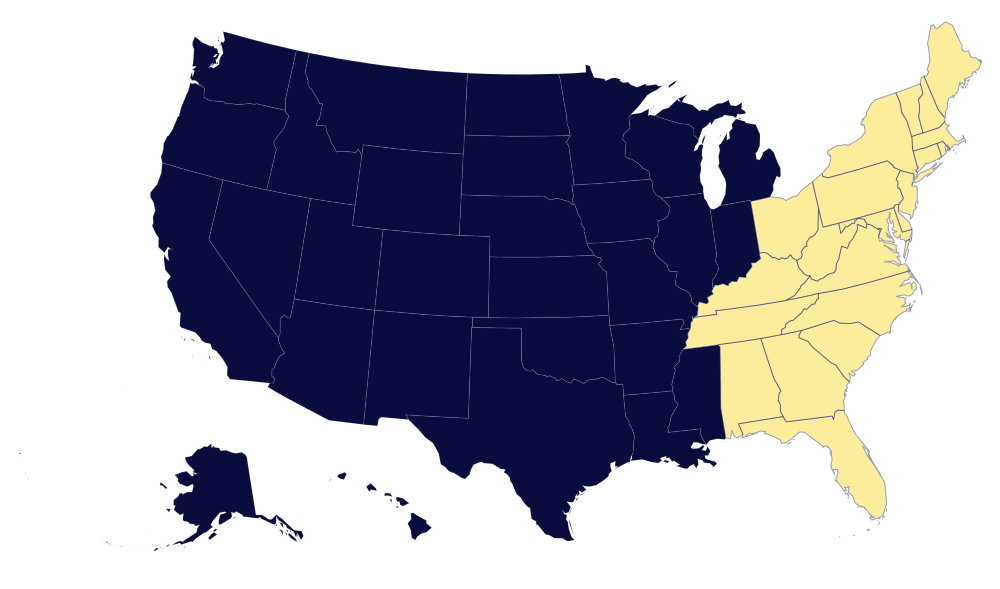
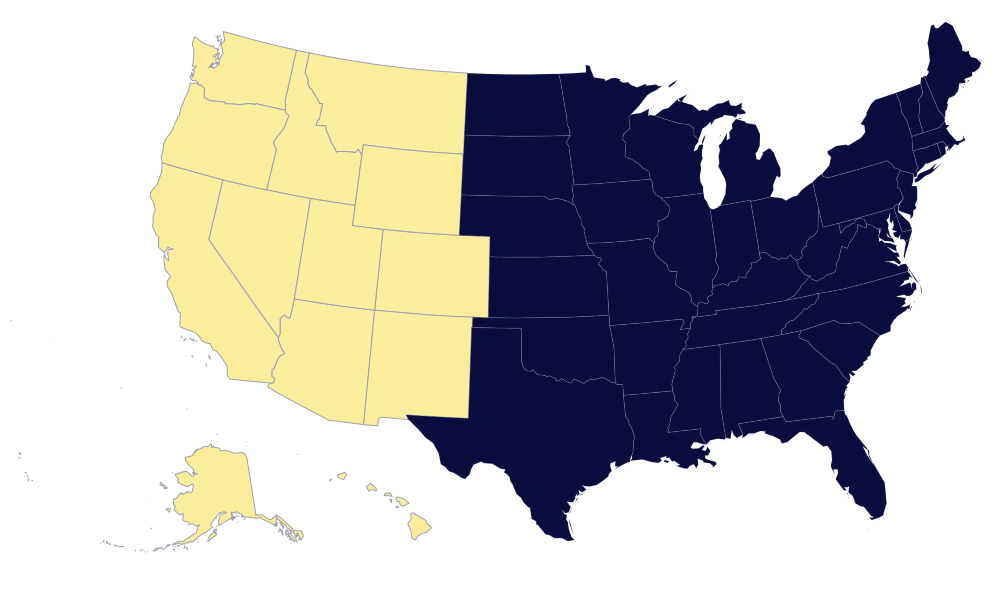
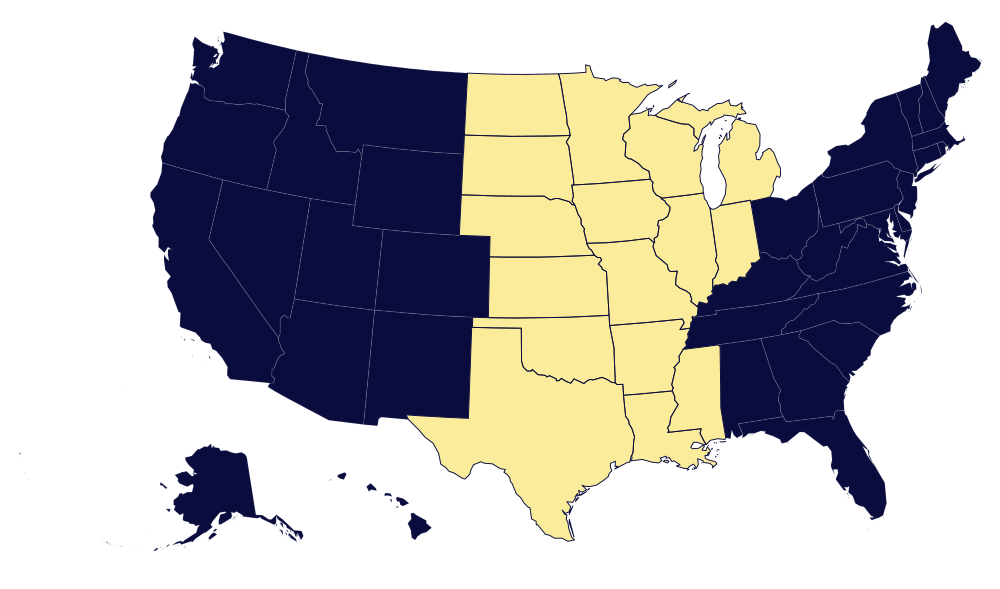
AVLS operate and has proven pool of AV technicians in major cities US Nationwide, such as Las Vegas, Los Angeles, Orlando, Dallas, San Antonio, Austin, Houston, Washington DC, Atlanta, New Orleans, Tennessee and more.
Please complete the form below and we will respond to you as soon as possible. We are available 24 hours a day to assist with your needs. We look forward to showing you what we can do toward the success of your next event.
EVENT INFORMATION
