





July 3, 2026
What to Look for When Hiring Event AV Labor
Quick Answer
When hiring event AV labor, prioritize certified technicians with relevant experience in your event type, verify their insurance and safety credentials, and ensure they have expertise with your specific equipment. Look for professionals who demonstrate strong communication skills, provide detailed project timelines, and offer competitive rates that align with industry standards for your market.
Key Takeaways
How Do You Identify Qualified Event AV Technicians?
Qualified AV technicians possess a combination of formal certifications, hands-on experience, and demonstrated expertise with industry-standard equipment. The most reliable indicators include CTS (Certified Technology Specialist) certification, manufacturer training certificates, and a portfolio of similar events.
Essential qualifications to verify:
Red flags to avoid:
Choose technicians who can discuss your technical requirements in detail and suggest improvements based on their experience with similar events.
What Experience Level Should You Require for Event AV Labor?
The required experience level depends directly on your event's complexity, audience size, and technical demands. Corporate conferences with 500+ attendees require senior-level technicians, while basic meeting room setups can utilize entry-level professionals under supervision.
Experience requirements by event type:
Specific experience markers to evaluate:
For critical events, consider requiring a senior technician as crew chief even if using less experienced team members for basic tasks. This ensures experienced decision-making when problems arise during your event.
What Certifications Matter Most When Hiring Event AV Labor?
Industry certifications provide standardized proof of technical competency and professional development. The most valuable certifications for event AV work include CTS for general competency, ETCP for entertainment applications, and manufacturer-specific training for equipment expertise.
Priority certifications by specialization:
Audio specialists:
Video technicians:
Lighting professionals:
Safety and rigging:
Request copies of current certifications and verify expiration dates. Many certifications require continuing education, so current status indicates ongoing professional development.
How Do You Verify Insurance and Safety Requirements for AV Technicians?
Insurance verification protects your organization from liability related to equipment damage, personal injury, and property damage during event setup and operation. Request certificates of insurance at least two weeks before your event to allow time for any coverage adjustments.
Required insurance coverage:
Safety documentation to request:
Insurance verification process:
1.Request certificate of insurance naming your organization as additional insured
2.Verify coverage amounts meet your venue and organizational requirements
3.Confirm policy effective dates cover your entire event period
4.Contact insurance carrier directly if coverage amounts seem insufficient
Some venues require specific insurance minimums or additional coverage types. Share venue requirements with your AV contractor early in the planning process to avoid last-minute coverage issues.
What Technical Skills Should Event AV Labor Possess?
Technical skills requirements vary significantly based on your event's audio, video, and lighting complexity. Focus on skills directly relevant to your equipment and production requirements rather than general AV knowledge.
Core technical competencies:
Audio engineering:
Video production:
Lighting control:
System integration:
Skill assessment methods:
Prioritize hands-on experience over theoretical knowledge, especially for complex or mission-critical events where equipment failures require immediate solutions.
How Do You Evaluate Communication and Professionalism in AV Staff?
Strong communication skills prevent misunderstandings that can derail event timelines and budgets. Professional AV technicians ask detailed questions about your requirements, provide clear documentation, and maintain regular project updates throughout the planning process.
Communication quality indicators:
Professionalism assessment criteria:
During initial consultation:
Throughout planning process:
Red flags indicating poor communication:
For events with high visibility or executive attendance, prioritize technicians with proven client-facing experience and professional presentation skills.
What Should You Know About Pricing and Contract Terms for Event AV Labor?
AV labor pricing varies significantly by market, event complexity, and technician experience level. Understanding standard rate structures and contract terms helps you evaluate proposals fairly and avoid unexpected costs during your event.
Standard pricing structures:
Hourly rates by skill level:
Common rate modifiers:
Contract terms to negotiate:
Payment structure:
Scope and change management:
Risk allocation:
Compare proposals on total project cost rather than hourly rates alone, as experienced technicians often complete setup faster and with fewer complications than less expensive alternatives.
How Do You Check References and Past Performance for AV Technicians?
Reference checks reveal crucial information about work quality, reliability, and problem-solving abilities that resumes and certifications cannot capture. Contact multiple recent clients with events similar to yours in size and technical complexity.
Reference check process:
Questions for previous clients:
Red flags from references:
Additional verification methods:
Portfolio review:
Industry reputation:
For critical events, consider requesting a site visit to observe the team's work at another event before making your final hiring decision.
What Equipment Compatibility and Technical Requirements Should You Verify?
Equipment compatibility prevents costly delays and technical failures during your event. Verify that your AV team has hands-on experience with your specific equipment brands and models, especially for complex integrated systems.
Equipment expertise to verify:
Audio systems:
Video equipment:
Lighting systems:
Integration systems:
Compatibility verification steps:
Request documentation of any equipment limitations or compatibility concerns that could affect your event timeline or technical quality.
Frequently Asked Questions
How far in advance should I hire event AV labor?
Book AV technicians 4-6 weeks ahead for standard corporate events, 8-12 weeks for large conferences or during peak season. Major conventions and specialized events may require 3-6 months advance booking to secure experienced crews.
What's the difference between hiring freelance technicians vs. AV companies?
Freelance technicians offer lower costs and direct communication but require you to manage insurance, equipment, and crew coordination. AV companies provide complete project management, insurance coverage, and backup resources but at higher overall costs.
Should I require union vs. non-union AV labor?
Union requirements depend on your venue contracts and local labor agreements. Many convention centers and hotels require union labor for AV work. Check venue requirements early in planning as this significantly impacts crew availability and costs.
How do I handle AV labor for multi-day events?
Plan for crew rotation on events longer than 12 hours per day to maintain performance quality. Budget for hotel accommodations if using out-of-town technicians, and establish clear handoff procedures between crew shifts.
What happens if AV technicians don't show up or perform poorly?
Reputable AV companies maintain backup crew lists and replacement procedures. Include performance guarantees and remedy clauses in contracts, such as immediate crew replacement or partial refunds for substandard work.
How do I coordinate AV labor with other event vendors?
Establish a single point of contact for vendor coordination and provide detailed timeline documents showing setup sequences. Schedule pre-event coordination calls with all vendors to discuss space sharing and equipment integration requirements.
What safety training should AV crews have for my venue?
Venue-specific safety requirements vary widely. Common requirements include OSHA general industry training, rigging safety certification, electrical safety awareness, and emergency evacuation procedures. Confirm requirements with your venue manager.
Should I hire local AV technicians or bring in specialists from other markets?
Local technicians offer venue familiarity, lower travel costs, and easier scheduling but may lack specialized skills. Out-of-market specialists provide expertise for complex events but require travel expenses and advance booking. Consider hybrid approaches using local crews supervised by specialist technicians.
How do I evaluate AV labor costs across different proposals?
Compare total project costs including labor, equipment, travel, and additional fees rather than hourly rates alone. Factor in experience levels, insurance coverage, and included services like project management and technical support.
What documentation should I require from AV labor providers?
Request current insurance certificates, technician certification copies, detailed crew assignments, equipment compatibility confirmations, setup timelines, and emergency contact information. Maintain copies of all documentation for venue and organizational compliance requirements.
For comprehensive event production support, consider working with experienced AV labor providers who can handle the complexities of technician sourcing, credential verification, and project management. Professional AV labor staffing services streamline the hiring process while ensuring quality and reliability for your events.
When planning events in major markets, specialized local expertise can make a significant difference. Whether you need AV technicians in Las Vegas for conventions, AV technicians in Orlando for corporate meetings, or AV technicians in Chicago for trade shows, working with established local networks ensures access to qualified professionals who understand venue-specific requirements.
For additional guidance on building effective technical teams, review these essential tips for hiring skilled technical crews and explore strategies for making event production more efficient through proper labor management.
Conclusion
Successfully hiring event AV labor requires careful evaluation of technical expertise, professional credentials, and communication abilities. Focus on technicians with relevant experience for your specific event type, verify insurance and safety certifications, and prioritize clear communication throughout the planning process.
The investment in qualified AV professionals pays dividends through smoother event execution, reduced technical problems, and enhanced attendee experiences. Take time to thoroughly vet candidates, check references, and establish clear contract terms that protect both parties.
Start your hiring process early, especially for complex events or peak season dates. Consider working with established AV labor providers who can handle credential verification, insurance compliance, and backup crew coordination. This approach reduces your administrative burden while ensuring access to qualified professionals who can deliver the technical excellence your event requires.
When hiring event AV labor, prioritize certified technicians with relevant experience in your event type, verify their insurance and safety credentials, and ensure they have expertise with your specific equipment. Look for professionals who demonstrate strong communication skills, provide detailed project timelines, and offer competitive rates that align with industry standards for your market.
Key Takeaways
- Experience matters most: Choose technicians with proven track records in events similar to yours in size, complexity, and technical requirements
- Certifications validate expertise: Look for industry certifications like CTS, ETCP, or manufacturer-specific credentials that demonstrate professional competency
- Insurance protects everyone: Verify general liability and workers' compensation coverage to protect against equipment damage and workplace injuries
- Communication prevents problems: Select professionals who respond promptly, ask detailed questions, and provide clear project documentation
- Local knowledge saves money: Hire technicians familiar with your venue and local regulations to avoid costly delays and compliance issues
- Equipment compatibility is crucial: Ensure technicians have hands-on experience with your specific audio, video, and lighting systems
- Safety training reduces liability: Prioritize crews with current safety certifications and documented training in rigging and electrical work
- References reveal reliability: Contact previous clients to verify work quality, punctuality, and problem-solving abilities under pressure
How Do You Identify Qualified Event AV Technicians?
Qualified AV technicians possess a combination of formal certifications, hands-on experience, and demonstrated expertise with industry-standard equipment. The most reliable indicators include CTS (Certified Technology Specialist) certification, manufacturer training certificates, and a portfolio of similar events.
Essential qualifications to verify:
- Industry certifications: CTS, CTS-I (installation), CTS-D (design), or ETCP (Entertainment Technician Certification Program)
- Manufacturer credentials: Training certificates from major brands like Shure, QSC, Martin Audio, or Barco
- Years of experience: Minimum 3-5 years for complex corporate events, 1-2 years acceptable for basic setups
- Event portfolio: Photos and client references from events matching your scale and technical requirements
- Safety training: OSHA 10 or 30-hour certification, rigging safety, and electrical safety training
Red flags to avoid:
- Inability to provide insurance certificates upon request
- Vague responses about equipment experience or setup procedures
- No verifiable references from recent events
- Significantly below-market pricing without clear explanation
Choose technicians who can discuss your technical requirements in detail and suggest improvements based on their experience with similar events.
What Experience Level Should You Require for Event AV Labor?
The required experience level depends directly on your event's complexity, audience size, and technical demands. Corporate conferences with 500+ attendees require senior-level technicians, while basic meeting room setups can utilize entry-level professionals under supervision.
Experience requirements by event type:
- Basic meetings (under 50 people): 1-2 years experience with simple audio systems and presentation displays
- Corporate conferences (50-500 attendees): 3-5 years with multi-camera production, wireless microphones, and large-format displays
- Major conventions (500+ attendees): 5+ years with complex audio mixing, broadcast-quality video, and integrated lighting systems
- Live entertainment events: 7+ years with concert-level audio, dynamic lighting programming, and live streaming capabilities
Specific experience markers to evaluate:
- Number of similar events completed in the past 12 months
- Familiarity with your venue's technical infrastructure and limitations
- Experience troubleshooting equipment failures during live events
- Knowledge of backup systems and contingency planning
For critical events, consider requiring a senior technician as crew chief even if using less experienced team members for basic tasks. This ensures experienced decision-making when problems arise during your event.
What Certifications Matter Most When Hiring Event AV Labor?
Industry certifications provide standardized proof of technical competency and professional development. The most valuable certifications for event AV work include CTS for general competency, ETCP for entertainment applications, and manufacturer-specific training for equipment expertise.
Priority certifications by specialization:
Audio specialists:
- CTS-I (Certified Technology Specialist - Installation)
- Shure microphone system certification
- QSC or Meyer Sound training certificates
- Dante networking certification for digital audio
Video technicians:
- CTS-D (Certified Technology Specialist - Design)
- Barco or Christie projector certification
- Blackmagic or Panasonic camera operation training
- NDI (Network Device Interface) certification for IP video
Lighting professionals:
- ETCP (Entertainment Technician Certification Program)
- ETC or MA Lighting console programming certification
- OSHA rigging safety certification
- MX networking and troubleshooting credentials
Safety and rigging:
- OSHA 10 or 30-hour general industry training
- ETCP rigging certification
- Electrical safety training (NFPA 70E awareness)
- Venue-specific safety training certificates
Request copies of current certifications and verify expiration dates. Many certifications require continuing education, so current status indicates ongoing professional development.
How Do You Verify Insurance and Safety Requirements for AV Technicians?
Insurance verification protects your organization from liability related to equipment damage, personal injury, and property damage during event setup and operation. Request certificates of insurance at least two weeks before your event to allow time for any coverage adjustments.
Required insurance coverage:
- General liability: Minimum $1 million per occurrence for equipment and property damage
- Workers' compensation: Required in most states for employee injury protection
- Professional liability: Covers errors in technical setup or operation
- Equipment coverage: Protects against damage to rented or owned AV equipment
Safety documentation to request:
- Current OSHA training certificates for all crew members
- Venue-specific safety training completion (if required)
- Equipment-specific safety training (rigging, electrical, confined spaces)
- Emergency response training and CPR certification for crew chiefs
Insurance verification process:
1.Request certificate of insurance naming your organization as additional insured
2.Verify coverage amounts meet your venue and organizational requirements
3.Confirm policy effective dates cover your entire event period
4.Contact insurance carrier directly if coverage amounts seem insufficient
Some venues require specific insurance minimums or additional coverage types. Share venue requirements with your AV contractor early in the planning process to avoid last-minute coverage issues.
What Technical Skills Should Event AV Labor Possess?
Technical skills requirements vary significantly based on your event's audio, video, and lighting complexity. Focus on skills directly relevant to your equipment and production requirements rather than general AV knowledge.
Core technical competencies:
Audio engineering:
- Mixing console operation (analog and digital)
- Microphone selection and placement techniques
- Feedback elimination and system tuning
- Digital audio networking (Dante, AVB, or proprietary systems)
- Wireless frequency coordination and interference management
Video production:
- Multi-camera switching and operation
- Video signal routing and distribution
- Projection system setup and calibration
- Live streaming configuration and monitoring
- Color correction and image optimization
Lighting control:
- DMX programming and troubleshooting
- Lighting console operation (ETC, MA, Chamsys)
- LED fixture configuration and color matching
- Architectural lighting integration
- Emergency lighting and safety protocols
System integration:
- Network configuration for AV over IP systems
- Control system programming (Crestron, AMX, Extron)
- Equipment troubleshooting and repair
- Cable management and signal integrity
- Power distribution and electrical safety
Skill assessment methods:
- Request equipment-specific setup demonstrations
- Ask detailed questions about troubleshooting common problems
- Review portfolio examples showing technical complexity
- Contact references about technical problem-solving abilities
Prioritize hands-on experience over theoretical knowledge, especially for complex or mission-critical events where equipment failures require immediate solutions.
How Do You Evaluate Communication and Professionalism in AV Staff?
Strong communication skills prevent misunderstandings that can derail event timelines and budgets. Professional AV technicians ask detailed questions about your requirements, provide clear documentation, and maintain regular project updates throughout the planning process.
Communication quality indicators:
- Response time: Replies to emails and calls within 24 hours during business days
- Question quality: Asks specific questions about venue, timeline, and technical requirements
- Documentation: Provides detailed proposals, equipment lists, and setup schedules
- Proactive updates: Communicates potential issues and solutions before they become problems
- Client interaction: Professional appearance and communication during client-facing events
Professionalism assessment criteria:
During initial consultation:
- Arrives punctually for meetings and site visits
- Asks about event goals, audience, and success metrics
- Takes detailed notes and follows up with written summaries
- Provides realistic timelines and identifies potential challenges
Throughout planning process:
- Meets agreed-upon deadlines for proposals and documentation
- Responds professionally to changes and additional requests
- Maintains confidentiality about event details and client information
- Coordinates effectively with other vendors and venue staff
Red flags indicating poor communication:
- Delayed responses without explanation
- Vague or incomplete answers to technical questions
- Reluctance to provide detailed written proposals
- Unprofessional appearance or behavior during client meetings
For events with high visibility or executive attendance, prioritize technicians with proven client-facing experience and professional presentation skills.
What Should You Know About Pricing and Contract Terms for Event AV Labor?
AV labor pricing varies significantly by market, event complexity, and technician experience level. Understanding standard rate structures and contract terms helps you evaluate proposals fairly and avoid unexpected costs during your event.
Standard pricing structures:
Hourly rates by skill level:
- Entry-level technicians: $25-40/hour
- Experienced specialists: $40-65/hour
- Senior engineers/crew chiefs: $65-100/hour
- Specialized roles (programmers, designers): $75-150/hour
Common rate modifiers:
- Overtime (after 8-10 hours): 1.5x standard rate
- Weekend/holiday work: 1.25-1.5x standard rate
- Travel time: 50-100% of standard rate
- Minimum call periods: 4-8 hours typical
Contract terms to negotiate:
Payment structure:
- Deposit requirements (typically 25-50% of total)
- Payment schedule tied to project milestones
- Final payment terms (net 15-30 days standard)
- Cancellation policies and refund terms
Scope and change management:
- Detailed equipment and labor specifications
- Change order procedures and approval processes
- Additional hour rates for scope increases
- Force majeure and weather delay policies
Risk allocation:
- Equipment damage responsibility and limits
- Venue damage coverage and exclusions
- Performance guarantees and remedy procedures
- Indemnification and liability limitations
Compare proposals on total project cost rather than hourly rates alone, as experienced technicians often complete setup faster and with fewer complications than less expensive alternatives.
How Do You Check References and Past Performance for AV Technicians?
Reference checks reveal crucial information about work quality, reliability, and problem-solving abilities that resumes and certifications cannot capture. Contact multiple recent clients with events similar to yours in size and technical complexity.
Reference check process:
Questions for previous clients:
- Did the crew arrive on time and complete setup as scheduled?
- How did they handle unexpected technical problems during the event?
- Was the audio/video quality consistent throughout the event?
- Did they work professionally with other vendors and venue staff?
- Would you hire them again for similar events?
- What could they have done better or differently?
Red flags from references:
- Reluctance to provide specific performance examples
- Reports of equipment failures or poor audio/video quality
- Communication problems or unprofessional behavior
- Significant delays or budget overruns
- Difficulty reaching recent clients for reference calls
Additional verification methods:
Portfolio review:
- Request photos/videos from events similar to yours
- Verify claimed experience with specific equipment brands
- Ask about challenges faced and solutions implemented
- Review client testimonials and case studies
Industry reputation:
- Check Better Business Bureau ratings and complaint history
- Review online ratings and social media presence
- Verify membership in professional organizations (AVIXA, IATSE)
- Ask other vendors about their experience working with the company
For critical events, consider requesting a site visit to observe the team's work at another event before making your final hiring decision.
What Equipment Compatibility and Technical Requirements Should You Verify?
Equipment compatibility prevents costly delays and technical failures during your event. Verify that your AV team has hands-on experience with your specific equipment brands and models, especially for complex integrated systems.
Equipment expertise to verify:
Audio systems:
- Mixing console brands and models you'll be using
- Wireless microphone system frequency coordination
- Digital audio networking protocols (Dante, CobraNet, AVB)
- Amplifier and speaker system configuration
- Recording and streaming equipment integration
Video equipment:
- Camera models and lens configurations
- Video switching and routing equipment
- Projection systems and display technologies
- Live streaming platforms and encoding hardware
- Video recording formats and storage systems
Lighting systems:
- Control console programming languages and interfaces
- LED fixture protocols and color management
- Conventional lighting dimming systems
- Architectural lighting integration methods
- Emergency and safety lighting requirements
Integration systems:
- Control system programming platforms (Crestron, AMX, Extron)
- Network infrastructure and IP-based systems
- Power distribution and electrical requirements
- Venue-specific technical interfaces and limitations
Compatibility verification steps:
- Equipment inventory review: Provide detailed lists of all equipment to be used
- Setup procedure discussion: Ask technicians to explain their setup approach
- Troubleshooting scenarios: Discuss common problems and solution methods
- Backup system planning: Verify redundancy options for critical components
- Integration testing: Plan time for system testing before event start
Request documentation of any equipment limitations or compatibility concerns that could affect your event timeline or technical quality.
Frequently Asked Questions
How far in advance should I hire event AV labor?
Book AV technicians 4-6 weeks ahead for standard corporate events, 8-12 weeks for large conferences or during peak season. Major conventions and specialized events may require 3-6 months advance booking to secure experienced crews.
What's the difference between hiring freelance technicians vs. AV companies?
Freelance technicians offer lower costs and direct communication but require you to manage insurance, equipment, and crew coordination. AV companies provide complete project management, insurance coverage, and backup resources but at higher overall costs.
Should I require union vs. non-union AV labor?
Union requirements depend on your venue contracts and local labor agreements. Many convention centers and hotels require union labor for AV work. Check venue requirements early in planning as this significantly impacts crew availability and costs.
How do I handle AV labor for multi-day events?
Plan for crew rotation on events longer than 12 hours per day to maintain performance quality. Budget for hotel accommodations if using out-of-town technicians, and establish clear handoff procedures between crew shifts.
What happens if AV technicians don't show up or perform poorly?
Reputable AV companies maintain backup crew lists and replacement procedures. Include performance guarantees and remedy clauses in contracts, such as immediate crew replacement or partial refunds for substandard work.
How do I coordinate AV labor with other event vendors?
Establish a single point of contact for vendor coordination and provide detailed timeline documents showing setup sequences. Schedule pre-event coordination calls with all vendors to discuss space sharing and equipment integration requirements.
What safety training should AV crews have for my venue?
Venue-specific safety requirements vary widely. Common requirements include OSHA general industry training, rigging safety certification, electrical safety awareness, and emergency evacuation procedures. Confirm requirements with your venue manager.
Should I hire local AV technicians or bring in specialists from other markets?
Local technicians offer venue familiarity, lower travel costs, and easier scheduling but may lack specialized skills. Out-of-market specialists provide expertise for complex events but require travel expenses and advance booking. Consider hybrid approaches using local crews supervised by specialist technicians.
How do I evaluate AV labor costs across different proposals?
Compare total project costs including labor, equipment, travel, and additional fees rather than hourly rates alone. Factor in experience levels, insurance coverage, and included services like project management and technical support.
What documentation should I require from AV labor providers?
Request current insurance certificates, technician certification copies, detailed crew assignments, equipment compatibility confirmations, setup timelines, and emergency contact information. Maintain copies of all documentation for venue and organizational compliance requirements.
For comprehensive event production support, consider working with experienced AV labor providers who can handle the complexities of technician sourcing, credential verification, and project management. Professional AV labor staffing services streamline the hiring process while ensuring quality and reliability for your events.
When planning events in major markets, specialized local expertise can make a significant difference. Whether you need AV technicians in Las Vegas for conventions, AV technicians in Orlando for corporate meetings, or AV technicians in Chicago for trade shows, working with established local networks ensures access to qualified professionals who understand venue-specific requirements.
For additional guidance on building effective technical teams, review these essential tips for hiring skilled technical crews and explore strategies for making event production more efficient through proper labor management.
Conclusion
Successfully hiring event AV labor requires careful evaluation of technical expertise, professional credentials, and communication abilities. Focus on technicians with relevant experience for your specific event type, verify insurance and safety certifications, and prioritize clear communication throughout the planning process.
The investment in qualified AV professionals pays dividends through smoother event execution, reduced technical problems, and enhanced attendee experiences. Take time to thoroughly vet candidates, check references, and establish clear contract terms that protect both parties.
Start your hiring process early, especially for complex events or peak season dates. Consider working with established AV labor providers who can handle credential verification, insurance compliance, and backup crew coordination. This approach reduces your administrative burden while ensuring access to qualified professionals who can deliver the technical excellence your event requires.
AVLS Nationwide Services
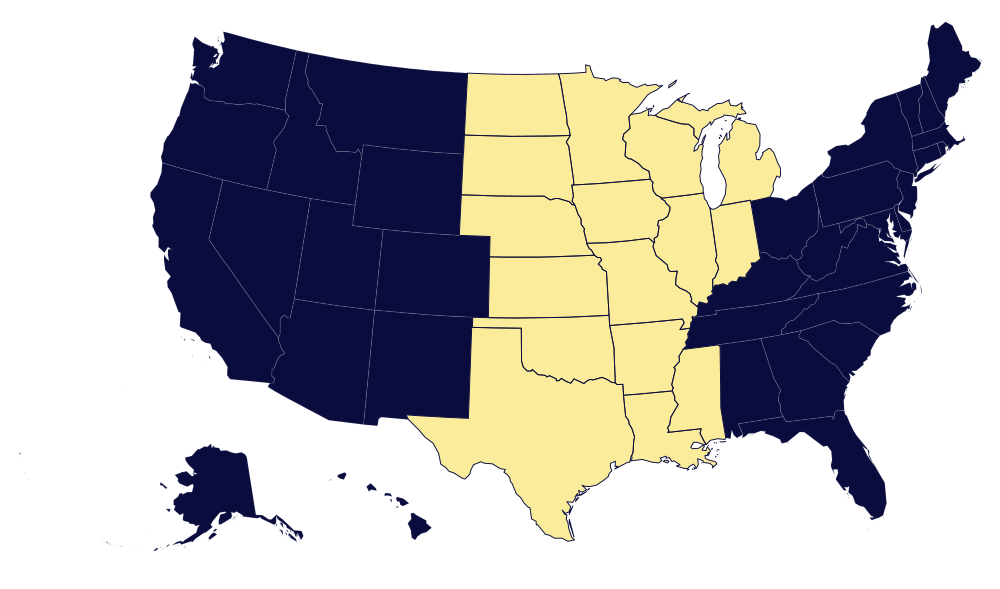
Central States
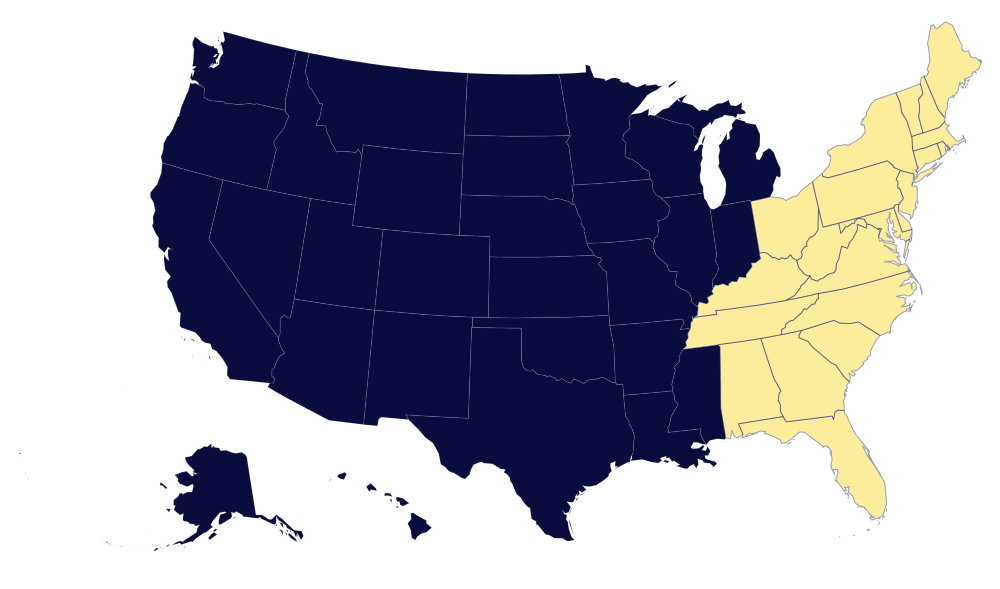
East Coast
*COMING SOON
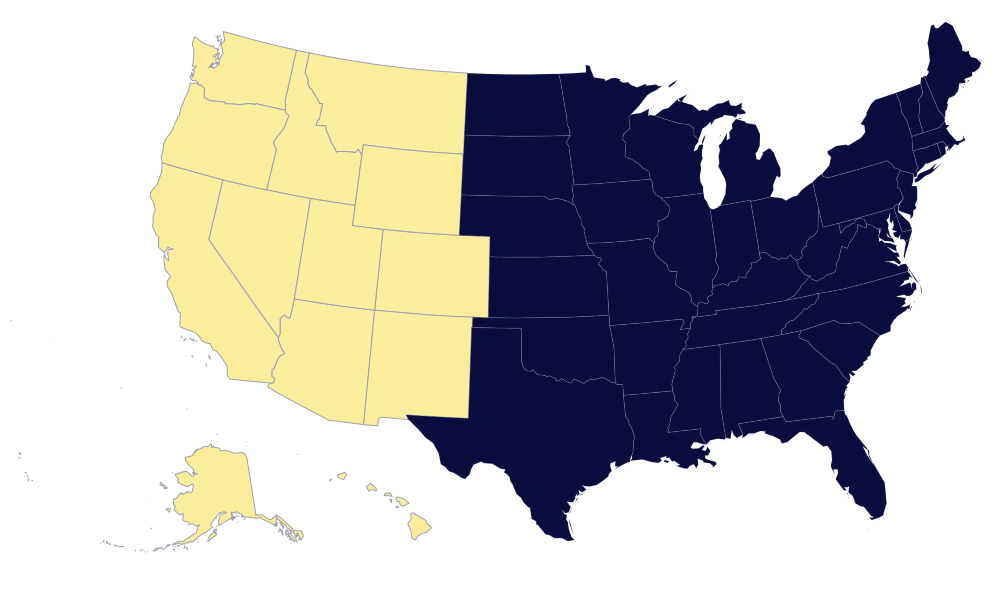
West Coast

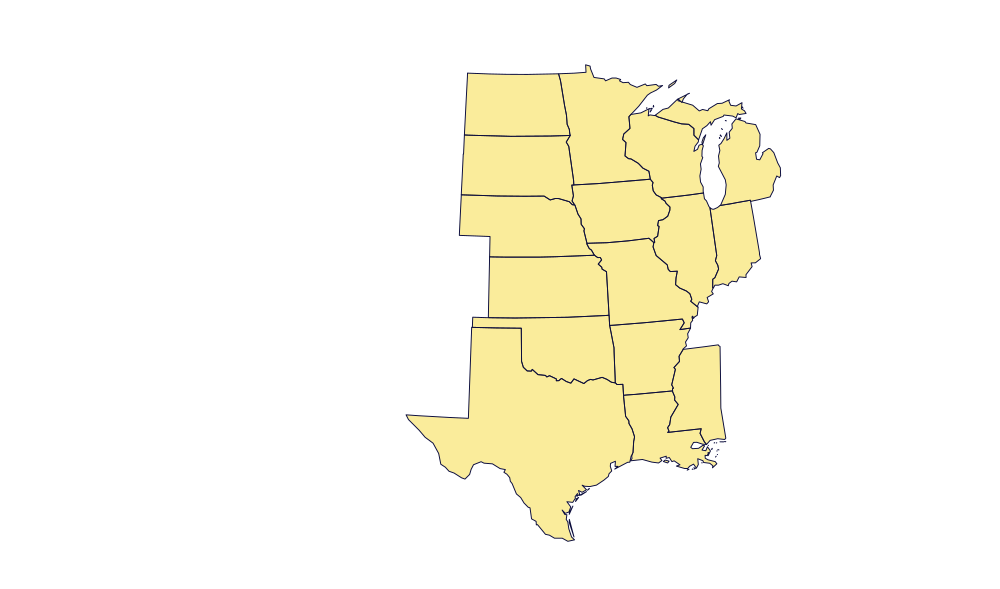

*COMING SOON
East Coast
Central States
West Coast
AVLS Nationwide Services
CONTACT US
When your event matters, trust your audio visual labor needs to AV Labor Source.
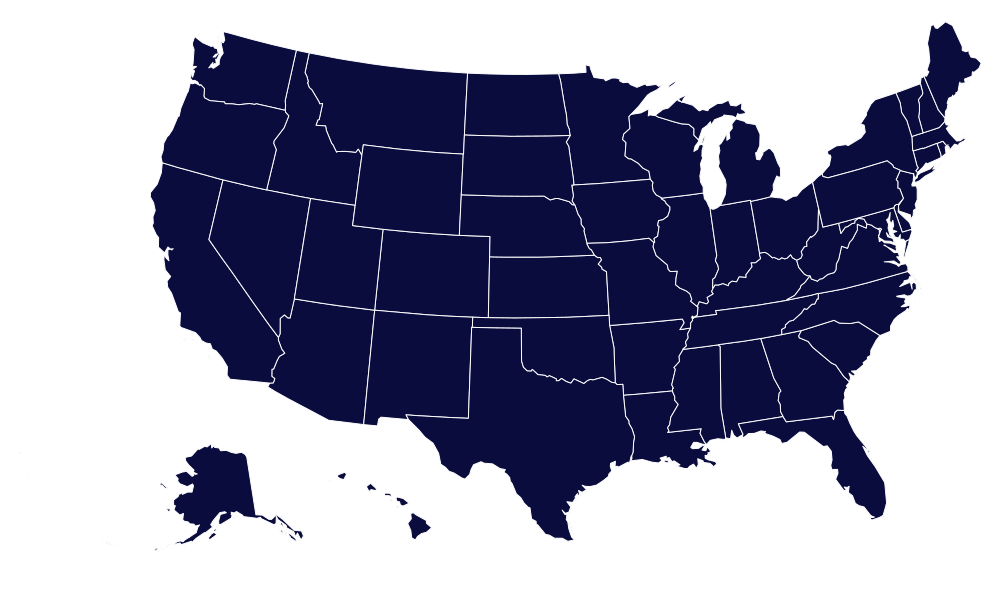
AVLS operate and has proven pool of AV technicians in major cities US Nationwide, such as Las Vegas, Los Angeles, Orlando, Dallas, San Antonio, Austin, Houston, Washington DC, Atlanta, New Orleans, Tennessee and more.
Please complete the form below and we will respond to you as soon as possible. We are available 24 hours a day to assist with your needs. We look forward to showing you what we can do toward the success of your next event.
AVLS operate and has proven pool of AV technicians in major cities US Nationwide, such as Las Vegas, Los Angeles, Orlando, Dallas, San Antonio, Austin, Houston, Washington DC, Atlanta, New Orleans, Tennessee and more.
Please complete the form below and we will respond to you as soon as possible. We are available 24 hours a day to assist with your needs. We look forward to showing you what we can do toward the success of your next event.
EVENT INFORMATION
