





July 6, 2026
Wireless Microphone Management Tips for Live Events | 2026 Guide
Quick Answer: Effective wireless microphone management for live events requires careful frequency coordination, proper signal strength testing, backup planning, and real-time monitoring to prevent interference and dropouts. Success depends on understanding your equipment limitations, venue constraints, and having experienced technicians manage the system throughout the event.
Key Takeaways
What Is Wireless Microphone Management and Why Does It Matter for Live Events
Wireless microphone management involves coordinating frequencies, monitoring signal strength, and maintaining reliable audio transmission throughout live performances or presentations. Poor management leads to audio dropouts, interference, and failed presentations that can damage professional reputations and audience experiences.
Core management responsibilities include:
The stakes are particularly high for live events because audio problems cannot be edited out or retaken. A single microphone failure during a keynote speech or musical performance creates immediate, visible problems that affect audience engagement and event success. Professional event production services recognize wireless audio as a critical technical element requiring dedicated expertise.
Common failure scenarios include:
How to Prevent Wireless Microphone Interference and Dropouts During Performances
Preventing interference requires systematic frequency coordination, proper equipment setup, and continuous monitoring throughout events. The most effective approach combines pre-event planning with real-time adjustments based on actual venue conditions.
Pre-event interference prevention:
Real-time monitoring strategies:
Choose digital over analog systems when possible - Digital wireless microphones offer better interference rejection and more efficient spectrum usage. They also provide clearer audio quality and often include built-in monitoring features that alert operators to potential problems before they cause dropouts.
The most common mistake is assuming that expensive equipment eliminates the need for proper coordination. Even premium wireless systems fail without adequate frequency planning and venue-specific setup.
Understanding UHF vs VHF Wireless Microphones for Events
UHF (Ultra High Frequency) systems operating in the 470-698 MHz range provide superior performance for professional live events compared to VHF (Very High Frequency) systems in the 174-216 MHz band. UHF offers cleaner spectrum allocation, better range, and more available channels for complex productions.
UHF advantages for live events:
VHF limitations:
Choose UHF systems for:
VHF may work for:
The frequency band choice affects equipment costs, with UHF systems typically 20-40% more expensive than comparable VHF models. However, the reliability difference makes UHF the standard choice for professional live event production.
How Many Wireless Microphones Can You Use Simultaneously Without Issues
The number of simultaneous wireless microphones depends on available spectrum, equipment quality, and venue RF environment. Professional UHF systems typically support 20-40 channels in clean environments, while VHF systems are limited to 6-12 channels in most locations.
Factors limiting channel count:
Realistic channel counts by system type:
Best practices for multiple microphones:
When you need more channels than your system supports, consider hybrid approaches combining wireless and wired microphones. Strategic placement of wired mics for stationary speakers allows wireless systems to focus on mobile performers and presenters.
The most common error is assuming that purchasing more receivers automatically provides more usable channels. Without proper frequency coordination, additional systems often create more interference problems than they solve.
Choosing Wireless Microphone Systems for Small Venues vs Large Conferences
Small venues and large conferences have fundamentally different requirements for wireless microphone systems, affecting equipment selection, setup complexity, and budget considerations. The key differences involve channel count, range requirements, and interference management complexity.
Small venue requirements (50-200 people):
Large conference requirements (500+ people):
Equipment recommendations by venue size:
Small venues should consider:
Large conferences require:
Budget considerations:
Choose rental over purchase when:
The biggest mistake small venues make is under-investing in proper equipment, while large conferences often fail to budget adequately for professional setup and management services.
How to Set Up and Test Wireless Microphones Before Live Events
Proper setup and testing prevents 90% of wireless microphone failures during live events. The process requires systematic frequency coordination, signal testing, and backup preparation completed well before audience arrival.
Pre-event setup checklist:
1. Frequency coordination (2-3 hours before event)
2. Equipment setup and positioning
3. Signal testing protocol
4. Performance testing
Critical testing areas:
Documentation requirements:
Testing should occur 2-4 hours before events begin to allow time for problem resolution. Last-minute testing often reveals issues that cannot be properly addressed before audience arrival.
The most critical error is skipping comprehensive testing due to time constraints. Professional AV technicians always insist on adequate testing time as part of event planning.
Why Wireless Microphones Cut Out and How to Fix Signal Loss
Wireless microphone dropouts result from interference, weak signals, battery problems, or equipment malfunctions. Understanding the root causes enables quick diagnosis and resolution during live events.
Primary causes of signal loss:
1. RF interference
2. Signal strength issues
3. Battery and power problems
Immediate troubleshooting steps:
For sudden dropouts:
For intermittent problems:
Prevention strategies:
When to switch to backup systems:
Professional wireless microphone management requires having backup solutions ready before problems occur. Waiting until failures happen creates visible disruptions that damage event quality and professional reputation.
Common Wireless Microphone Setup Mistakes to Avoid
Setup mistakes cause more wireless microphone failures than equipment defects or interference problems. These errors are preventable with proper planning and adherence to professional best practices.
Frequency coordination errors:
Mistake: Using factory preset frequencies without venue-specific coordination
Problem: Presets often conflict with local TV stations, cell towers, or other wireless systems
Solution: Always perform RF spectrum analysis and coordinate frequencies for each venue
Mistake: Insufficient channel spacing between frequencies
Problem: Adjacent channels interfere with each other causing dropouts and audio artifacts
Solution: Maintain manufacturer-recommended spacing (typically 200-250 kHz minimum)
Equipment setup problems:
Mistake: Poor antenna placement and positioning
Problem: Antennas mounted behind metal racks, too close together, or without line-of-sight to performance areas
Solution: Position antennas at least 3 feet apart with clear sightlines to transmitters
Mistake: Inadequate power and grounding
Problem: Shared power circuits with lighting or motors cause interference and dropouts
Solution: Use dedicated, isolated power circuits for all RF equipment
Battery management failures:
Mistake: Using partially discharged or old batteries
Problem: Battery voltage drops during events causing transmission power reduction and dropouts
Solution: Install fresh alkaline or lithium batteries before every event, regardless of apparent charge level
Mistake: No battery monitoring or replacement schedule
Problem: Batteries fail during critical moments without warning
Solution: Check battery levels every 2 hours and replace proactively based on usage time
Testing and backup oversights:
Mistake: Insufficient pre-event testing time
Problem: Problems discovered during events cannot be properly resolved
Solution: Complete all setup and testing 2-4 hours before audience arrival
Mistake: No backup equipment or frequencies prepared
Problem: Equipment failures create extended disruptions while alternatives are configured
Solution: Have backup microphones programmed and ready for immediate deployment
The most expensive mistake is assuming that premium equipment eliminates the need for proper setup procedures. Even professional-grade systems fail without adequate coordination and preparation.
Wireless Microphone Range and Factors That Affect Transmission Distance
Wireless microphone range varies from 100-500 feet depending on equipment quality, frequency band, venue characteristics, and environmental factors. Understanding these variables helps set realistic expectations and plan appropriate equipment placement.
Typical range specifications:
Factors that reduce range:
Physical obstructions:
RF interference:
Environmental conditions:
Equipment factors:
Maximizing effective range:
Plan for worst-case scenarios by testing range at maximum expected distances during setup. Don't rely on manufacturer specifications, which assume optimal conditions rarely found in real venues.
When range requirements exceed equipment capabilities, consider antenna distribution systems or additional receiver locations to extend coverage areas effectively.
When You Need a Frequency Coordinator for Wireless Microphone Events
Frequency coordination becomes essential for events using 8+ wireless microphones, complex venues, or locations with heavy RF traffic. Professional coordinators prevent interference problems that can destroy event audio quality and create expensive technical failures.
Events requiring professional frequency coordination:
Coordination services provided:
Cost considerations:
When to hire professional coordinators:
Always required for:
Often beneficial for:
May not be necessary for:
The coordination process typically requires 2-4 hours on-site before events begin, plus advance planning based on venue characteristics and equipment specifications.
Many professional AV specialists include frequency coordination as part of comprehensive event services, recognizing it as essential for reliable wireless audio performance.
Battery Management Strategies for Multiple Wireless Microphones During Events
Effective battery management prevents 80% of wireless microphone failures during live events. Professional battery protocols ensure consistent power throughout performances while minimizing disruptions from battery changes.
Pre-event battery preparation:
Battery selection criteria:
Installation best practices:
During-event monitoring:
Battery level tracking:
Replacement scheduling:
Emergency procedures:
Battery life expectations:
Professional battery management systems:
The most critical rule: never assume batteries will last the full event duration. Proactive replacement prevents failures during crucial moments when battery changes would create unacceptable disruptions.
Understanding Wireless Microphone Channels and Frequency Coordination
Wireless microphone channels represent specific radio frequencies assigned to individual transmitter-receiver pairs. Proper channel assignment prevents interference while maximizing the number of simultaneous microphones possible in any venue.
Channel basics:
Frequency coordination process:
1. RF spectrum analysis
2. Mathematical coordination
3. Equipment programming
Intermodulation interference:
When multiple transmitters operate simultaneously, their signals create mathematical combinations that can interfere with desired frequencies. Professional coordination software calculates these interactions and selects frequencies that minimize problems.
Channel capacity limitations:
Best practices for channel management:
Common coordination mistakes:
Professional Wireless Microphone Management Tips for Live Events always include comprehensive frequency coordination as a foundation for reliable audio performance.
Backup Plans for Wireless Microphone Failures During Live Shows
Backup planning prevents wireless microphone failures from destroying live performances. Professional backup strategies include redundant equipment, alternative audio paths, and rapid deployment procedures practiced before events begin.
Essential backup equipment:
Redundant wireless systems:
Wired alternatives:
Backup deployment procedures:
For transmitter failures:
For receiver failures:
For interference problems:
Backup system testing:
Communication protocols:
Risk assessment for backup planning:
Professional events typically budget 15-25% additional equipment costs for adequate backup systems. The investment prevents catastrophic failures that can cost far more in lost reputation and rework expenses.
The key principle: backup systems must be ready for immediate deployment without technical expertise or complex procedures during high-stress live event situations.
Budgeting for Wireless Microphone Equipment: Rental vs Purchase Decisions
The rental versus purchase decision for wireless microphone equipment depends on usage frequency, technical expertise, storage capabilities, and total cost of ownership over time. Most organizations benefit from hybrid approaches combining owned basics with rental systems for larger events.
Purchase makes sense when:
Rental advantages:
Cost comparison analysis:
Purchase costs:
Rental costs:
Break-even analysis:
For a typical 8-channel professional system:
Hybrid approach benefits:
Factors favoring rental:
Budget planning considerations:
Many successful organizations start with rental to understand their actual needs, then purchase core equipment while continuing to rent for peak requirements or specialized applications.
Frequently Asked Questions
How far apart should wireless microphone antennas be positioned?
Antennas should be spaced at least 3 feet apart horizontally and positioned with clear line-of-sight to performance areas. Greater separation (6-10 feet) improves diversity reception and reduces interference between channels.
Can I use wireless microphones near cell phone towers?
Yes, but requires careful frequency coordination to avoid interference. Professional UHF systems can operate near cell towers with proper frequency selection and antenna positioning. VHF systems are more susceptible to cellular interference.
How often should I replace wireless microphone batteries during long events?
Replace batteries every 4-6 hours for alkaline batteries or when levels drop to 50% charge. Lithium batteries can last 8-12 hours but should still be replaced proactively during natural breaks in programming.
What's the difference between diversity and non-diversity wireless receivers?
Diversity receivers use two antennas to automatically select the strongest signal, reducing dropouts from movement or interference. Non-diversity receivers use single antennas and are more susceptible to signal fading and dropouts.
Do I need special licenses to operate wireless microphones?
Most wireless microphones operate in license-free spectrum, but users must avoid interference with licensed services like TV broadcasts. Some professional systems require coordination databases registration for legal operation.
Can wireless microphones interfere with Wi-Fi networks?
Wireless microphones and Wi-Fi operate in different frequency bands and typically don't interfere directly. However, both systems can be affected by common interference sources like lighting equipment and motors.
How many wireless microphones can I use in a small conference room?
Small conference rooms can typically support 4-8 wireless microphones with proper frequency coordination. The exact number depends on local RF environment and equipment quality.
What should I do if a wireless microphone starts cutting out during an event?
First check battery levels and replace if low. If problems continue, switch to a backup frequency or deploy a backup transmitter. Have wired microphones ready as emergency alternatives.
Are digital wireless microphones better than analog systems?
Digital systems offer better audio quality, more efficient spectrum usage, and superior interference rejection. They cost 20-40% more than analog systems but provide significant performance advantages for professional applications.
How do I prevent wireless microphone interference from lighting systems?
Use quality equipment with good RF shielding, maintain adequate distance from lighting controllers, and choose frequencies outside ranges commonly affected by lighting interference (typically around 2.4 GHz).
What's the best way to transport wireless microphone equipment?
Use padded cases designed for RF equipment, remove batteries during transport, and protect antennas from damage. Maintain documentation of frequency settings and equipment pairings for quick setup.
Can weather affect wireless microphone performance?
Extreme temperatures reduce battery life, high humidity can cause equipment malfunctions, and atmospheric conditions can affect RF propagation. Indoor events are generally more reliable than outdoor applications.
Conclusion
Successful wireless microphone management for live events requires systematic planning, proper equipment selection, and professional execution throughout the event lifecycle. The key elements include comprehensive frequency coordination, proactive battery management, adequate backup planning, and continuous monitoring during performances.
Critical success factors:
The investment in proper wireless microphone management pays dividends through improved event quality, reduced technical failures, and enhanced professional reputation. Organizations that treat wireless audio as a critical technical element rather than basic equipment consistently deliver superior event experiences.
Next steps for implementing these wireless microphone management tips:
Remember that wireless microphone technology continues evolving rapidly. Stay current with industry developments, maintain equipment properly, and invest in professional expertise when event success depends on flawless audio performance.
Need Professional Wireless Microphone Management for Your Next Event?
Managing complex wireless microphone systems requires specialized expertise and professional equipment. Whether you're planning a corporate conference, live performance, or large-scale production, our experienced AV technicians provide comprehensive wireless audio solutions including frequency coordination, equipment setup, and real-time monitoring throughout your event.
Contact us today to discuss your wireless microphone requirements and ensure flawless audio performance for your next live event: Get Professional AV Support
Key Takeaways
- Frequency coordination prevents interference between multiple wireless microphones and other RF devices
- UHF systems offer better performance than VHF for professional live events due to cleaner spectrum and longer range
- Battery management requires fresh batteries, spares, and systematic monitoring throughout events
- Signal testing before events identifies dead zones and interference sources in the venue
- Professional events typically require 1-2 backup microphones per 10 active channels
- Venue size and construction materials significantly impact wireless microphone range and reliability
- Digital wireless systems provide better audio quality and spectrum efficiency than analog alternatives
- Wireless Microphone Management Tips for Live Events include proper channel spacing and antenna placement for optimal performance
What Is Wireless Microphone Management and Why Does It Matter for Live Events
Wireless microphone management involves coordinating frequencies, monitoring signal strength, and maintaining reliable audio transmission throughout live performances or presentations. Poor management leads to audio dropouts, interference, and failed presentations that can damage professional reputations and audience experiences.
Core management responsibilities include:
- Frequency planning and coordination with other RF devices
- Real-time signal monitoring and interference detection
- Battery level tracking and replacement scheduling
- Backup system preparation and quick deployment protocols
- Antenna positioning for optimal coverage patterns
The stakes are particularly high for live events because audio problems cannot be edited out or retaken. A single microphone failure during a keynote speech or musical performance creates immediate, visible problems that affect audience engagement and event success. Professional event production services recognize wireless audio as a critical technical element requiring dedicated expertise.
Common failure scenarios include:
- Interference from cell phones, Wi-Fi networks, or other wireless systems
- Battery depletion during extended performances
- Signal dropouts in venue dead zones or when performers move unexpectedly
- Frequency conflicts between multiple microphone systems
How to Prevent Wireless Microphone Interference and Dropouts During Performances
Preventing interference requires systematic frequency coordination, proper equipment setup, and continuous monitoring throughout events. The most effective approach combines pre-event planning with real-time adjustments based on actual venue conditions.
Pre-event interference prevention:
- Conduct RF spectrum analysis - Use spectrum analyzers to identify occupied frequencies and interference sources in the venue
- Coordinate with venue technical staff - Document existing wireless systems, Wi-Fi networks, and broadcast signals
- Plan frequency spacing - Maintain minimum 250 kHz separation between channels for analog systems, 200 kHz for digital
- Test signal paths - Walk through all performance areas with active microphones to identify dead zones
Real-time monitoring strategies:
- Deploy dedicated RF monitoring equipment to track signal strength and interference
- Position antenna systems for optimal coverage of performance areas
- Maintain clear line-of-sight between transmitters and receivers when possible
- Keep backup frequencies programmed and ready for immediate deployment
Choose digital over analog systems when possible - Digital wireless microphones offer better interference rejection and more efficient spectrum usage. They also provide clearer audio quality and often include built-in monitoring features that alert operators to potential problems before they cause dropouts.
The most common mistake is assuming that expensive equipment eliminates the need for proper coordination. Even premium wireless systems fail without adequate frequency planning and venue-specific setup.
Understanding UHF vs VHF Wireless Microphones for Events
UHF (Ultra High Frequency) systems operating in the 470-698 MHz range provide superior performance for professional live events compared to VHF (Very High Frequency) systems in the 174-216 MHz band. UHF offers cleaner spectrum allocation, better range, and more available channels for complex productions.
UHF advantages for live events:
- Longer transmission range - Typically 300-500 feet in open areas versus 150-300 feet for VHF
- Less interference - UHF spectrum has fewer competing services than crowded VHF bands
- More channel capacity - UHF allows 20-40+ simultaneous channels versus 6-12 for VHF in most markets
- Better building penetration - UHF signals handle walls and obstacles more effectively
VHF limitations:
- Shared spectrum with television broadcasts, two-way radios, and other services
- Limited channel availability in urban markets
- Shorter range and more susceptible to interference
- Fewer professional-grade equipment options
Choose UHF systems for:
- Events requiring 8+ wireless microphones
- Large venues or outdoor performances
- Urban locations with heavy RF traffic
- Professional productions where reliability is critical
VHF may work for:
- Small meetings with 2-4 microphones maximum
- Rural venues with minimal RF interference
- Budget-conscious applications where performance requirements are flexible
The frequency band choice affects equipment costs, with UHF systems typically 20-40% more expensive than comparable VHF models. However, the reliability difference makes UHF the standard choice for professional live event production.
How Many Wireless Microphones Can You Use Simultaneously Without Issues
The number of simultaneous wireless microphones depends on available spectrum, equipment quality, and venue RF environment. Professional UHF systems typically support 20-40 channels in clean environments, while VHF systems are limited to 6-12 channels in most locations.
Factors limiting channel count:
- Available spectrum - TV broadcasts, cell towers, and other services reduce usable frequencies
- Intermodulation interference - Multiple transmitters create mathematical combinations that interfere with desired signals
- Venue RF noise - Wi-Fi, lighting systems, and other equipment generate interference
- Equipment quality - Professional systems have better filters and interference rejection
Realistic channel counts by system type:
- Consumer VHF systems: 2-4 channels maximum
- Professional VHF systems: 6-12 channels in good conditions
- Professional UHF systems: 20-40 channels with proper coordination
- Digital UHF systems: 40-60+ channels using advanced spectrum management
Best practices for multiple microphones:
- Use frequency coordination software - Professional tools calculate optimal channel assignments and identify potential conflicts
- Maintain proper spacing - Keep transmitters at least 3 feet apart to reduce interference
- Deploy multiple antenna systems - Distribute receivers across the venue for better coverage
- Monitor all channels continuously - Use RF monitoring equipment to track signal quality
When you need more channels than your system supports, consider hybrid approaches combining wireless and wired microphones. Strategic placement of wired mics for stationary speakers allows wireless systems to focus on mobile performers and presenters.
The most common error is assuming that purchasing more receivers automatically provides more usable channels. Without proper frequency coordination, additional systems often create more interference problems than they solve.
Choosing Wireless Microphone Systems for Small Venues vs Large Conferences
Small venues and large conferences have fundamentally different requirements for wireless microphone systems, affecting equipment selection, setup complexity, and budget considerations. The key differences involve channel count, range requirements, and interference management complexity.
Small venue requirements (50-200 people):
- 2-8 wireless microphones typically sufficient
- Range requirements under 200 feet
- Simple setup with minimal interference sources
- Budget constraints often prioritize basic reliability over advanced features
Large conference requirements (500+ people):
- 15-50+ wireless microphones for multiple sessions and breakout rooms
- Range requirements up to 500 feet or more
- Complex RF environment with multiple competing systems
- Professional reliability requirements justify premium equipment costs
Equipment recommendations by venue size:
Small venues should consider:
- Entry-level UHF systems with 4-8 channel capacity
- Handheld and lavalier microphones for versatility
- Simple diversity receivers for basic reliability
- Battery-powered systems for portable applications
Large conferences require:
- Professional UHF systems with 20+ channel capacity
- Rack-mounted receivers with remote monitoring capabilities
- Dedicated antenna distribution systems
- Professional frequency coordination and skilled AV technicians for setup and management
Budget considerations:
- Small venue systems: $500-3,000 for complete setup
- Large conference systems: $10,000-50,000+ depending on channel count and features
- Rental often makes more sense for large events due to equipment complexity and setup requirements
Choose rental over purchase when:
- Events occur less than 6 times per year
- Channel requirements vary significantly between events
- Technical expertise for setup and management is not available in-house
- Equipment failure during events would create unacceptable risks
The biggest mistake small venues make is under-investing in proper equipment, while large conferences often fail to budget adequately for professional setup and management services.
How to Set Up and Test Wireless Microphones Before Live Events
Proper setup and testing prevents 90% of wireless microphone failures during live events. The process requires systematic frequency coordination, signal testing, and backup preparation completed well before audience arrival.
Pre-event setup checklist:
1. Frequency coordination (2-3 hours before event)
- Scan RF spectrum to identify interference sources
- Program receivers with coordinated frequencies
- Verify channel spacing meets manufacturer requirements
- Document frequency assignments for all equipment
2. Equipment setup and positioning
- Mount receivers in rack systems with proper ventilation
- Position antennas for optimal coverage of performance areas
- Connect audio outputs to mixing console with proper gain staging
- Install fresh batteries in all transmitters
3. Signal testing protocol
- Test each microphone at multiple positions throughout venue
- Identify and document any dead zones or interference areas
- Verify audio quality and signal strength at all critical positions
- Test backup frequencies and confirm they work properly
4. Performance testing
- Conduct full rehearsal with all microphones active simultaneously
- Monitor for interference between channels
- Test battery life under actual usage conditions
- Verify backup deployment procedures work correctly
Critical testing areas:
- All presenter positions and podiums
- Audience seating areas for Q&A sessions
- Backstage and green room areas
- Emergency exits and alternate routes
Documentation requirements:
- Frequency assignments for all channels
- Dead zone locations and workarounds
- Battery replacement schedule and spare locations
- Emergency contact information for technical support
Testing should occur 2-4 hours before events begin to allow time for problem resolution. Last-minute testing often reveals issues that cannot be properly addressed before audience arrival.
The most critical error is skipping comprehensive testing due to time constraints. Professional AV technicians always insist on adequate testing time as part of event planning.
Why Wireless Microphones Cut Out and How to Fix Signal Loss
Wireless microphone dropouts result from interference, weak signals, battery problems, or equipment malfunctions. Understanding the root causes enables quick diagnosis and resolution during live events.
Primary causes of signal loss:
1. RF interference
- Cell phone towers and wireless networks
- Lighting systems and video equipment
- Other wireless microphone systems
- Venue infrastructure like elevators and HVAC systems
2. Signal strength issues
- Distance beyond equipment range limits
- Physical obstructions blocking transmission paths
- Antenna positioning problems
- Receiver sensitivity settings
3. Battery and power problems
- Low battery voltage affecting transmission power
- Corroded battery contacts
- Power supply issues with receivers
- Transmitter hardware malfunctions
Immediate troubleshooting steps:
For sudden dropouts:
- Check battery levels on affected transmitters
- Verify receiver power and antenna connections
- Switch to backup frequency if interference is suspected
- Reposition antennas for better line-of-sight
For intermittent problems:
- Monitor RF spectrum for new interference sources
- Check for loose connections in audio and power cables
- Test transmitter at close range to isolate receiver issues
- Replace batteries even if they show partial charge
Prevention strategies:
- Use diversity receivers with dual antennas for redundancy
- Maintain fresh batteries and replace proactively
- Position backup systems ready for immediate deployment
- Monitor signal strength continuously during events
When to switch to backup systems:
- Signal dropouts occur more than once every 10 minutes
- Battery levels drop below 50% during long events
- New interference sources cannot be quickly eliminated
- Equipment shows signs of hardware malfunction
Professional wireless microphone management requires having backup solutions ready before problems occur. Waiting until failures happen creates visible disruptions that damage event quality and professional reputation.
Common Wireless Microphone Setup Mistakes to Avoid
Setup mistakes cause more wireless microphone failures than equipment defects or interference problems. These errors are preventable with proper planning and adherence to professional best practices.
Frequency coordination errors:
Mistake: Using factory preset frequencies without venue-specific coordination
Problem: Presets often conflict with local TV stations, cell towers, or other wireless systems
Solution: Always perform RF spectrum analysis and coordinate frequencies for each venue
Mistake: Insufficient channel spacing between frequencies
Problem: Adjacent channels interfere with each other causing dropouts and audio artifacts
Solution: Maintain manufacturer-recommended spacing (typically 200-250 kHz minimum)
Equipment setup problems:
Mistake: Poor antenna placement and positioning
Problem: Antennas mounted behind metal racks, too close together, or without line-of-sight to performance areas
Solution: Position antennas at least 3 feet apart with clear sightlines to transmitters
Mistake: Inadequate power and grounding
Problem: Shared power circuits with lighting or motors cause interference and dropouts
Solution: Use dedicated, isolated power circuits for all RF equipment
Battery management failures:
Mistake: Using partially discharged or old batteries
Problem: Battery voltage drops during events causing transmission power reduction and dropouts
Solution: Install fresh alkaline or lithium batteries before every event, regardless of apparent charge level
Mistake: No battery monitoring or replacement schedule
Problem: Batteries fail during critical moments without warning
Solution: Check battery levels every 2 hours and replace proactively based on usage time
Testing and backup oversights:
Mistake: Insufficient pre-event testing time
Problem: Problems discovered during events cannot be properly resolved
Solution: Complete all setup and testing 2-4 hours before audience arrival
Mistake: No backup equipment or frequencies prepared
Problem: Equipment failures create extended disruptions while alternatives are configured
Solution: Have backup microphones programmed and ready for immediate deployment
The most expensive mistake is assuming that premium equipment eliminates the need for proper setup procedures. Even professional-grade systems fail without adequate coordination and preparation.
Wireless Microphone Range and Factors That Affect Transmission Distance
Wireless microphone range varies from 100-500 feet depending on equipment quality, frequency band, venue characteristics, and environmental factors. Understanding these variables helps set realistic expectations and plan appropriate equipment placement.
Typical range specifications:
- Consumer VHF systems: 100-200 feet in optimal conditions
- Professional VHF systems: 150-300 feet with good antennas
- Professional UHF systems: 300-500 feet in open areas
- Premium digital systems: 400-600 feet with advanced antenna systems
Factors that reduce range:
Physical obstructions:
- Metal building structures and reinforced concrete
- Large crowds of people absorbing RF signals
- Stage sets, backdrops, and equipment racks
- Elevation changes between transmitters and receivers
RF interference:
- Cell phone towers and wireless networks
- Other wireless microphone systems
- Venue lighting and video equipment
- Industrial equipment and motors
Environmental conditions:
- Atmospheric pressure and humidity changes
- Temperature variations affecting equipment performance
- Electrical storms and weather-related interference
Equipment factors:
- Transmitter power output (typically 10-50 milliwatts)
- Receiver sensitivity and antenna quality
- Battery voltage levels in transmitters
- Frequency band selection (UHF vs VHF)
Maximizing effective range:
- Use high-quality antennas - Professional antennas provide 3-6 dB improvement over basic models
- Optimize antenna placement - Mount antennas high with clear line-of-sight to performance areas
- Maintain fresh batteries - Low batteries reduce transmission power significantly
- Choose appropriate frequencies - UHF generally provides better range than VHF
Plan for worst-case scenarios by testing range at maximum expected distances during setup. Don't rely on manufacturer specifications, which assume optimal conditions rarely found in real venues.
When range requirements exceed equipment capabilities, consider antenna distribution systems or additional receiver locations to extend coverage areas effectively.
When You Need a Frequency Coordinator for Wireless Microphone Events
Frequency coordination becomes essential for events using 8+ wireless microphones, complex venues, or locations with heavy RF traffic. Professional coordinators prevent interference problems that can destroy event audio quality and create expensive technical failures.
Events requiring professional frequency coordination:
- Large conferences with 15+ wireless microphones
- Multi-room events with simultaneous sessions
- Outdoor festivals with multiple stages
- Urban venues with heavy cell tower and broadcast interference
- Events mixing wireless mics with in-ear monitors and other RF equipment
Coordination services provided:
- RF spectrum analysis and interference identification
- Mathematical frequency calculation to avoid intermodulation
- Equipment programming and configuration
- Real-time monitoring and problem resolution
- Backup frequency planning and deployment
Cost considerations:
- Professional coordination: $500-2,000 per event depending on complexity
- Equipment failure costs: $5,000-50,000+ in lost event value and reputation damage
- Insurance and liability issues from technical failures
- Opportunity costs of internal staff time for complex coordination
When to hire professional coordinators:
Always required for:
- Events with 20+ wireless channels
- Multiple simultaneous stages or rooms
- Urban markets with heavy RF interference
- Events where audio failure creates significant financial or reputational risk
Often beneficial for:
- 8-15 channel events in complex venues
- First-time events in unfamiliar locations
- Events mixing multiple equipment brands or types
- Situations where internal technical expertise is limited
May not be necessary for:
- Simple events with 4 or fewer microphones
- Rural venues with minimal RF interference
- Repeat events in familiar venues with documented frequency plans
- Organizations with experienced internal RF coordination capabilities
The coordination process typically requires 2-4 hours on-site before events begin, plus advance planning based on venue characteristics and equipment specifications.
Many professional AV specialists include frequency coordination as part of comprehensive event services, recognizing it as essential for reliable wireless audio performance.
Battery Management Strategies for Multiple Wireless Microphones During Events
Effective battery management prevents 80% of wireless microphone failures during live events. Professional battery protocols ensure consistent power throughout performances while minimizing disruptions from battery changes.
Pre-event battery preparation:
Battery selection criteria:
- Use only fresh alkaline or lithium batteries, never rechargeable NiMH for critical events
- Lithium batteries provide 2-3x longer life and better cold weather performance
- Purchase batteries from reputable suppliers and check expiration dates
- Test battery voltage before installation (1.5V+ for alkaline, 1.7V+ for lithium)
Installation best practices:
- Install fresh batteries in all transmitters regardless of previous usage
- Clean battery contacts with alcohol to ensure proper connections
- Verify correct polarity and secure battery compartment closure
- Document installation time for each transmitter
During-event monitoring:
Battery level tracking:
- Check battery indicators every 2 hours during extended events
- Replace batteries when levels drop to 50% rather than waiting for low warnings
- Maintain written log of battery installation and replacement times
- Use receivers with remote battery monitoring when available
Replacement scheduling:
- Plan battery changes during natural breaks in programming
- Replace batteries in pairs or groups to minimize disruption frequency
- Have dedicated technician responsible for battery monitoring
- Communicate battery status to event directors and performers
Emergency procedures:
- Keep spare batteries readily accessible near receiver positions
- Practice quick battery replacement procedures during setup
- Have backup transmitters ready when battery changes aren't possible
- Train multiple staff members on battery replacement procedures
Battery life expectations:
- Alkaline batteries: 4-8 hours depending on transmitter power and usage
- Lithium batteries: 8-12 hours under similar conditions
- Cold weather reduces battery life by 20-40%
- High transmitter power settings drain batteries faster
Professional battery management systems:
- Dedicated battery charging and storage stations
- Inventory tracking for battery age and usage history
- Standardized battery types across all wireless equipment
- Regular testing and replacement of aging battery stock
The most critical rule: never assume batteries will last the full event duration. Proactive replacement prevents failures during crucial moments when battery changes would create unacceptable disruptions.
Understanding Wireless Microphone Channels and Frequency Coordination
Wireless microphone channels represent specific radio frequencies assigned to individual transmitter-receiver pairs. Proper channel assignment prevents interference while maximizing the number of simultaneous microphones possible in any venue.
Channel basics:
- Each wireless microphone requires one dedicated frequency channel
- Channels must be spaced apart to prevent interference between systems
- Available channels depend on local RF environment and equipment capabilities
- Professional systems offer 100-200+ selectable frequencies within their operating bands
Frequency coordination process:
1. RF spectrum analysis
- Scan venue for existing wireless systems and interference sources
- Identify TV broadcasts, cell towers, and other occupied frequencies
- Document RF noise levels across the entire operating band
- Note time-varying interference sources like wireless networks
2. Mathematical coordination
- Calculate intermodulation products between proposed frequencies
- Ensure adequate spacing between adjacent channels (200-250 kHz minimum)
- Account for equipment bandwidth and filter characteristics
- Plan backup frequencies for emergency use
3. Equipment programming
- Set transmitters and receivers to coordinated frequencies
- Verify proper pairing between transmitter-receiver sets
- Test all channels simultaneously for interference
- Document final frequency assignments for reference
Intermodulation interference:
When multiple transmitters operate simultaneously, their signals create mathematical combinations that can interfere with desired frequencies. Professional coordination software calculates these interactions and selects frequencies that minimize problems.
Channel capacity limitations:
- Urban venues: Heavy RF traffic limits available channels significantly
- Rural venues: Cleaner spectrum allows more simultaneous channels
- UHF systems: Typically support 20-40 channels with proper coordination
- VHF systems: Limited to 6-12 channels in most locations
Best practices for channel management:
- Use professional coordination software for events with 8+ channels
- Maintain detailed documentation of frequency assignments
- Plan backup channels for critical microphones
- Monitor all channels continuously during events
Common coordination mistakes:
- Using manufacturer preset frequencies without venue-specific analysis
- Insufficient spacing between adjacent channels
- Ignoring intermodulation calculations for multiple transmitters
- Failing to account for local broadcast and cellular interference
Professional Wireless Microphone Management Tips for Live Events always include comprehensive frequency coordination as a foundation for reliable audio performance.
Backup Plans for Wireless Microphone Failures During Live Shows
Backup planning prevents wireless microphone failures from destroying live performances. Professional backup strategies include redundant equipment, alternative audio paths, and rapid deployment procedures practiced before events begin.
Essential backup equipment:
Redundant wireless systems:
- 1-2 spare transmitters per 10 active channels minimum
- Backup receivers programmed with alternate frequencies
- Additional antennas and RF distribution equipment
- Spare batteries and charging systems
Wired alternatives:
- Hardwired microphones for critical presenter positions
- Long XLR cables for emergency connections
- Direct injection boxes for instruments and other sources
- Portable mixing capabilities for backup audio routing
Backup deployment procedures:
For transmitter failures:
- Switch to pre-programmed backup transmitter (30 seconds)
- Deploy wired microphone if wireless backup unavailable (60 seconds)
- Route backup audio through alternate mixing channels
- Continue troubleshooting failed equipment after immediate replacement
For receiver failures:
- Switch to backup receiver on alternate frequency (45 seconds)
- Reroute audio connections to functional equipment
- Adjust antenna connections for optimal backup performance
- Monitor backup system performance continuously
For interference problems:
- Switch affected channels to backup frequencies immediately
- Identify and eliminate interference sources when possible
- Adjust antenna positioning for better signal reception
- Deploy additional receivers in alternate locations if needed
Backup system testing:
- Test all backup equipment during pre-event setup
- Practice deployment procedures with actual event staff
- Verify backup frequencies work properly in venue conditions
- Document backup procedures for quick reference during events
Communication protocols:
- Establish clear signals between technical staff and event directors
- Plan presenter notification procedures for equipment changes
- Coordinate with lighting and camera operators for backup deployments
- Maintain radio communication between technical positions
Risk assessment for backup planning:
- High-risk events: Award shows, live broadcasts, keynote presentations
- Medium-risk events: Corporate meetings, wedding ceremonies, small concerts
- Lower-risk events: Casual presentations, rehearsals, sound checks
Professional events typically budget 15-25% additional equipment costs for adequate backup systems. The investment prevents catastrophic failures that can cost far more in lost reputation and rework expenses.
The key principle: backup systems must be ready for immediate deployment without technical expertise or complex procedures during high-stress live event situations.
Budgeting for Wireless Microphone Equipment: Rental vs Purchase Decisions
The rental versus purchase decision for wireless microphone equipment depends on usage frequency, technical expertise, storage capabilities, and total cost of ownership over time. Most organizations benefit from hybrid approaches combining owned basics with rental systems for larger events.
Purchase makes sense when:
- Events occur 8+ times per year with similar equipment needs
- Internal technical staff can handle setup, coordination, and maintenance
- Adequate storage and security are available for equipment protection
- Equipment requirements are consistent and predictable
Rental advantages:
- Access to latest technology without large capital investments
- Professional setup and frequency coordination included
- No maintenance, storage, or insurance costs
- Ability to scale equipment for different event sizes
Cost comparison analysis:
Purchase costs:
- Equipment: $500-2,000 per wireless channel for professional systems
- Setup training: $1,000-5,000 for staff education
- Maintenance: 5-10% of equipment value annually
- Insurance and storage: $500-2,000 annually
- Technology refresh: 20-30% equipment value every 5-7 years
Rental costs:
- Daily rates: $50-150 per channel depending on equipment quality
- Setup services: $500-2,000 per event for professional coordination
- Delivery and pickup: $200-500 depending on distance and equipment volume
- Damage insurance: 5-10% of rental value
Break-even analysis:
For a typical 8-channel professional system:
- Purchase cost: $12,000-20,000 initial investment
- Annual ownership costs: $2,000-4,000 including maintenance and storage
- Rental cost per event: $1,500-3,000 including setup services
- Break-even point: 3-6 events per year depending on complexity
Hybrid approach benefits:
- Own basic 4-6 channel system for regular meetings
- Rent additional channels and professional services for large events
- Maintain internal expertise while accessing advanced capabilities
- Reduce rental costs through partial equipment ownership
Factors favoring rental:
- Infrequent events (less than 6 times annually)
- Highly variable equipment requirements
- Limited internal technical expertise
- Urban locations with complex RF environments requiring professional coordination
Budget planning considerations:
- Include setup time and technical expertise in total cost calculations
- Factor equipment obsolescence and technology refresh requirements
- Account for backup equipment needs in purchase scenarios
- Consider insurance and liability coverage for owned vs rented equipment
Many successful organizations start with rental to understand their actual needs, then purchase core equipment while continuing to rent for peak requirements or specialized applications.
Frequently Asked Questions
How far apart should wireless microphone antennas be positioned?
Antennas should be spaced at least 3 feet apart horizontally and positioned with clear line-of-sight to performance areas. Greater separation (6-10 feet) improves diversity reception and reduces interference between channels.
Can I use wireless microphones near cell phone towers?
Yes, but requires careful frequency coordination to avoid interference. Professional UHF systems can operate near cell towers with proper frequency selection and antenna positioning. VHF systems are more susceptible to cellular interference.
How often should I replace wireless microphone batteries during long events?
Replace batteries every 4-6 hours for alkaline batteries or when levels drop to 50% charge. Lithium batteries can last 8-12 hours but should still be replaced proactively during natural breaks in programming.
What's the difference between diversity and non-diversity wireless receivers?
Diversity receivers use two antennas to automatically select the strongest signal, reducing dropouts from movement or interference. Non-diversity receivers use single antennas and are more susceptible to signal fading and dropouts.
Do I need special licenses to operate wireless microphones?
Most wireless microphones operate in license-free spectrum, but users must avoid interference with licensed services like TV broadcasts. Some professional systems require coordination databases registration for legal operation.
Can wireless microphones interfere with Wi-Fi networks?
Wireless microphones and Wi-Fi operate in different frequency bands and typically don't interfere directly. However, both systems can be affected by common interference sources like lighting equipment and motors.
How many wireless microphones can I use in a small conference room?
Small conference rooms can typically support 4-8 wireless microphones with proper frequency coordination. The exact number depends on local RF environment and equipment quality.
What should I do if a wireless microphone starts cutting out during an event?
First check battery levels and replace if low. If problems continue, switch to a backup frequency or deploy a backup transmitter. Have wired microphones ready as emergency alternatives.
Are digital wireless microphones better than analog systems?
Digital systems offer better audio quality, more efficient spectrum usage, and superior interference rejection. They cost 20-40% more than analog systems but provide significant performance advantages for professional applications.
How do I prevent wireless microphone interference from lighting systems?
Use quality equipment with good RF shielding, maintain adequate distance from lighting controllers, and choose frequencies outside ranges commonly affected by lighting interference (typically around 2.4 GHz).
What's the best way to transport wireless microphone equipment?
Use padded cases designed for RF equipment, remove batteries during transport, and protect antennas from damage. Maintain documentation of frequency settings and equipment pairings for quick setup.
Can weather affect wireless microphone performance?
Extreme temperatures reduce battery life, high humidity can cause equipment malfunctions, and atmospheric conditions can affect RF propagation. Indoor events are generally more reliable than outdoor applications.
Conclusion
Successful wireless microphone management for live events requires systematic planning, proper equipment selection, and professional execution throughout the event lifecycle. The key elements include comprehensive frequency coordination, proactive battery management, adequate backup planning, and continuous monitoring during performances.
Critical success factors:
- Frequency coordination prevents interference and maximizes channel capacity
- Professional equipment provides reliability and performance needed for live events
- Systematic testing identifies problems before they affect audience experiences
- Backup planning ensures quick recovery from equipment failures
- Experienced technicians manage complex systems and resolve issues rapidly
The investment in proper wireless microphone management pays dividends through improved event quality, reduced technical failures, and enhanced professional reputation. Organizations that treat wireless audio as a critical technical element rather than basic equipment consistently deliver superior event experiences.
Next steps for implementing these wireless microphone management tips:
- Assess current equipment capabilities and identify upgrade needs
- Develop standardized setup and testing procedures for all events
- Train staff on proper frequency coordination and battery management
- Create backup equipment inventory and deployment procedures
- Establish relationships with professional rental companies for complex events
Remember that wireless microphone technology continues evolving rapidly. Stay current with industry developments, maintain equipment properly, and invest in professional expertise when event success depends on flawless audio performance.
Need Professional Wireless Microphone Management for Your Next Event?
Managing complex wireless microphone systems requires specialized expertise and professional equipment. Whether you're planning a corporate conference, live performance, or large-scale production, our experienced AV technicians provide comprehensive wireless audio solutions including frequency coordination, equipment setup, and real-time monitoring throughout your event.
Contact us today to discuss your wireless microphone requirements and ensure flawless audio performance for your next live event: Get Professional AV Support

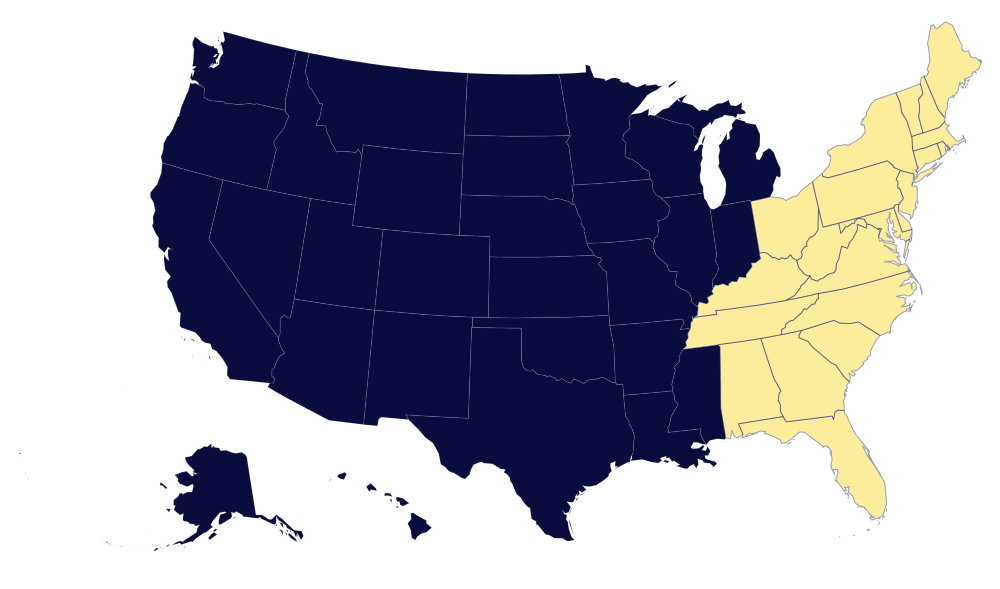
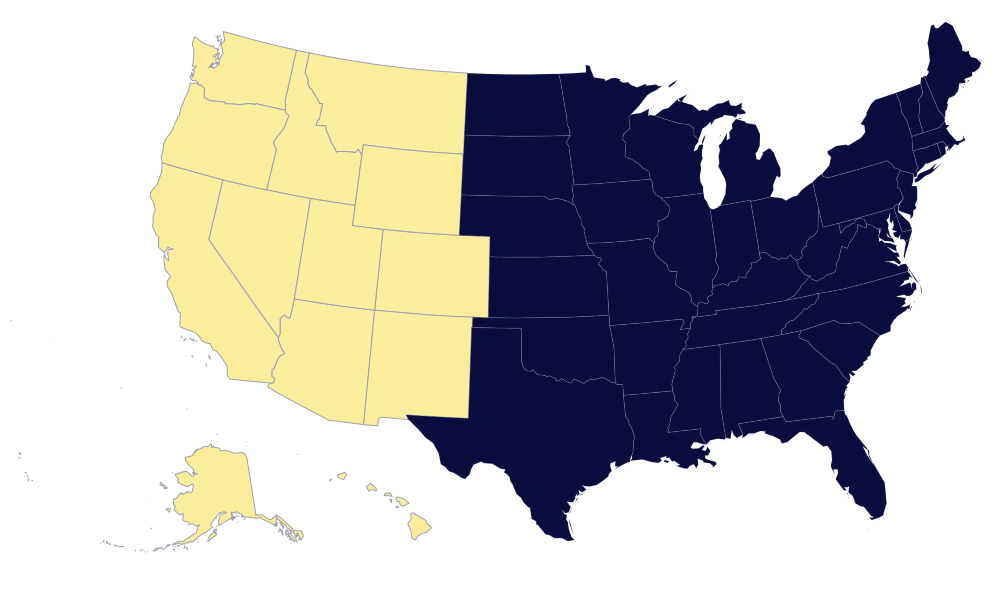
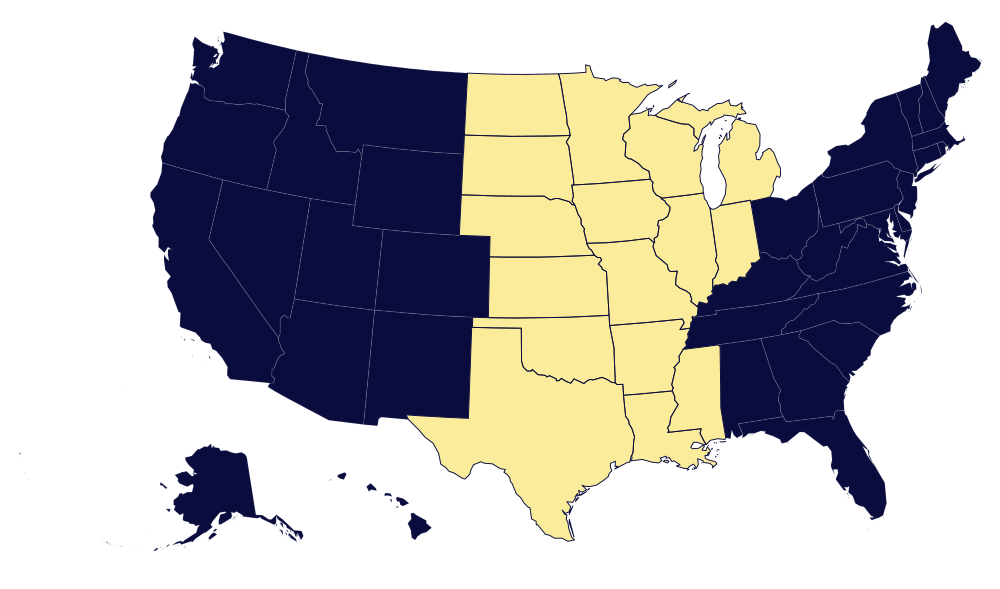
AVLS Nationwide Services
Central States
East Coast
*COMING SOON
West Coast



*COMING SOON
East Coast
Central States
West Coast
AVLS Nationwide Services
CONTACT US
When your event matters, trust your audio visual labor needs to AV Labor Source.
AVLS operate and has proven pool of AV technicians in major cities US Nationwide, such as Las Vegas, Los Angeles, Orlando, Dallas, San Antonio, Austin, Houston, Washington DC, Atlanta, New Orleans, Tennessee and more.
Please complete the form below and we will respond to you as soon as possible. We are available 24 hours a day to assist with your needs. We look forward to showing you what we can do toward the success of your next event.
AVLS operate and has proven pool of AV technicians in major cities US Nationwide, such as Las Vegas, Los Angeles, Orlando, Dallas, San Antonio, Austin, Houston, Washington DC, Atlanta, New Orleans, Tennessee and more.
Please complete the form below and we will respond to you as soon as possible. We are available 24 hours a day to assist with your needs. We look forward to showing you what we can do toward the success of your next event.
EVENT INFORMATION
