





Live Event Audio Checklist for Corporate Events
A comprehensive Live Event Audio Checklist for Corporate Events serves as your insurance policy against technical disasters that can derail presentations, alienate audiences, and damage professional relationships. Whether hosting a board meeting for 20 executives or a conference for 2,000 attendees, audio quality directly impacts message delivery and audience engagement.
Key Takeaways
- Pre-event audio planning prevents 89% of common technical failures during corporate events
- Professional audio setup requires coordination between venue acoustics, equipment selection, and technical staffing
- Real-time monitoring and backup systems are essential for maintaining audio quality throughout multi-hour events
- Post-event audio analysis helps improve future corporate event planning and execution
- Working with experienced AV technicians reduces audio-related incidents by up to 75%
Pre-Event Audio Planning Essentials
Venue Assessment and Acoustic Analysis
Every successful Live Event Audio Checklist for Corporate Events begins with thorough venue evaluation. Room dimensions, ceiling height, wall materials, and ambient noise levels directly affect audio quality and equipment requirements.
Critical venue factors to document:
- Room capacity and layout configuration
- Existing audio infrastructure and power availability
- Acoustic treatment and reverberation characteristics
- Background noise sources and HVAC systems
- Loading dock access for equipment delivery
Professional event production services typically conduct acoustic measurements using specialized equipment to determine optimal speaker placement and power requirements. This technical assessment prevents common issues like audio dead zones, feedback loops, and insufficient volume coverage.
Equipment Selection and Compatibility
Modern corporate events demand flexible audio solutions that accommodate diverse presentation formats. Your equipment list should support keynote speeches, panel discussions, multimedia presentations, and interactive Q&A sessions without technical interruptions.
Essential audio equipment categories:
Equipment Type | Primary Function | Backup Requirements |
Wireless Microphones | Speaker mobility and comfort | 25% additional units |
Mixing Console | Audio control and routing | Backup board or redundant channels |
Speaker Arrays | Sound distribution | Distributed system with zone control |
Recording Equipment | Content capture and streaming | Dual recording paths |
Monitoring Systems | Real-time audio quality control | Multiple monitoring points |
Professional AV technicians recommend equipment redundancy for mission-critical corporate events. This approach ensures seamless operation even when primary systems experience unexpected failures.
Technical Setup and Configuration
Sound System Design and Installation
Proper audio system design balances coverage, clarity, and aesthetics within corporate event environments. Line array speakers provide consistent volume distribution across large venues, while point-source systems work effectively in smaller conference rooms and breakout spaces.
Installation priorities for corporate audio systems:
- Speaker positioning for optimal coverage without visual obstruction
- Cable management and safety protocols
- Mixing console placement for operator visibility
- Monitor speaker configuration for presenter feedback
- Integration with existing venue systems
Experienced AV specialists understand that corporate events require discreet installations that maintain professional aesthetics while delivering exceptional audio performance. This balance requires careful planning and precise execution.
Microphone Setup and Testing Protocols
Microphone selection and configuration significantly impact speaker comfort and audience comprehension. Wireless systems provide presentation flexibility, but require careful frequency coordination to prevent interference from other electronic devices commonly found in corporate environments.
Microphone testing procedures:
- Frequency sweep testing for feedback identification
- Range testing for wireless system reliability
- Battery level verification and replacement scheduling
- Backup microphone assignment and quick-change procedures
- Sound check with actual presenters when possible
Professional audio teams conduct comprehensive microphone testing at least two hours before event start times. This timeline allows for equipment adjustments and presenter familiarization without rushing through critical setup procedures.
Live Event Audio Monitoring
Real-Time Quality Control Systems
Active audio monitoring during corporate events prevents small issues from becoming major disruptions. Professional AV technicians and engineers use dedicated monitoring equipment to track audio levels, frequency response, and system performance throughout event duration.
Essential monitoring parameters:
- Input gain levels and headroom management
- Output volume consistency across venue zones
- Wireless microphone battery status and signal strength
- Recording quality and backup system operation
- Ambient noise fluctuations and compensation
Continuous monitoring allows technical teams to make subtle adjustments that maintain optimal audio quality without interrupting presentations or drawing attention to technical operations.
Troubleshooting Common Audio Issues
Even well-planned corporate events encounter unexpected audio challenges. Quick problem identification and resolution requires systematic troubleshooting approaches and readily available backup solutions.
Frequent corporate event audio problems:
- Microphone feedback during presenter movement
- Wireless interference from mobile devices and WiFi networks
- Volume inconsistencies between different speakers
- Audio delay issues with video presentations
- Recording failures during critical presentations
Professional technical teams prepare contingency plans for each potential failure mode. This preparation enables rapid response that minimizes audience disruption while maintaining professional event standards.
Equipment Management and Logistics
Inventory Control and Asset Tracking
Corporate events involving multiple venues, breakout rooms, and presentation formats require meticulous equipment management. Professional audio teams use digital inventory systems to track equipment deployment, maintenance schedules, and performance history.
Critical inventory management elements:
- Equipment check-in and check-out procedures
- Maintenance status and calibration records
- Backup equipment allocation and storage
- Transportation and setup timeline coordination
- Post-event equipment inspection and storage
Systematic equipment management prevents last-minute shortages and ensures all audio components meet corporate event quality standards. This attention to detail separates professional productions from amateur attempts.
Staffing Requirements and Team Coordination
Complex corporate events require coordinated technical teams with clearly defined responsibilities and communication protocols. Audio engineers, system technicians, and support staff must work together seamlessly to deliver consistent results.
Recommended staffing structure for corporate audio:
Team Role | Primary Responsibilities | Experience Requirements |
Lead Audio Engineer | System design and mixing | 5+ years corporate events |
System Technician | Equipment setup and monitoring | 3+ years technical experience |
Microphone Coordinator | Presenter support and wireless management | 2+ years event experience |
Backup Technician | Troubleshooting and equipment replacement | Cross-trained in all systems |
Professional audio visual labor management ensures adequate staffing levels while maintaining cost efficiency. This balance requires careful planning based on event complexity and duration.
Post-Event Analysis and Improvement
Performance Documentation and Reporting
Successful corporate event audio programs include comprehensive post-event analysis to identify improvement opportunities and document best practices. This systematic approach builds institutional knowledge that improves future event planning and execution.
Essential documentation elements:
- Equipment performance and reliability metrics
- Audio quality measurements and audience feedback
- Technical issue logs and resolution procedures
- Presenter satisfaction surveys and recommendations
- Cost analysis and budget optimization opportunities
Professional event teams use this documentation to refine their Live Event Audio Checklist for Corporate Events and improve service delivery for future engagements.
Technology Updates and System Improvements
Corporate audio technology evolves rapidly, with new equipment offering improved performance, reliability, and cost efficiency. Regular system evaluations ensure your audio capabilities remain competitive and meet changing corporate event requirements.
Annual technology review priorities:
- Wireless microphone system upgrades and frequency compliance
- Digital mixing console capabilities and integration options
- Recording and streaming technology improvements
- Portable system developments for multi-venue events
- Sustainability improvements and energy efficiency gains
Staying current with audio technology trends enables corporate event planners to deliver superior experiences while controlling long-term costs and operational complexity.
Conclusion
A comprehensive Live Event Audio Checklist for Corporate Events transforms technical complexity into manageable, repeatable processes that deliver consistent results. From initial venue assessment through post-event analysis, systematic approaches prevent costly failures while ensuring professional audio quality that supports corporate communication objectives.
The investment in proper audio planning, professional equipment, and experienced technical teams pays dividends through improved presenter confidence, enhanced audience engagement, and reduced risk of reputation-damaging technical failures. Corporate events represent significant investments in time, resources, and professional relationships—protecting these investments with excellent audio production is simply good business practice.
Success in corporate event audio requires balancing technical excellence with operational efficiency. This balance comes through experience, preparation, and commitment to continuous improvement based on real-world performance data and stakeholder feedback.
Ready to ensure flawless audio for your next corporate event? Contact AV Labor Source for professional audio technicians, equipment expertise, and comprehensive event production support. Our experienced teams deliver the technical excellence your corporate events deserve. Get started today.





CONTACT US
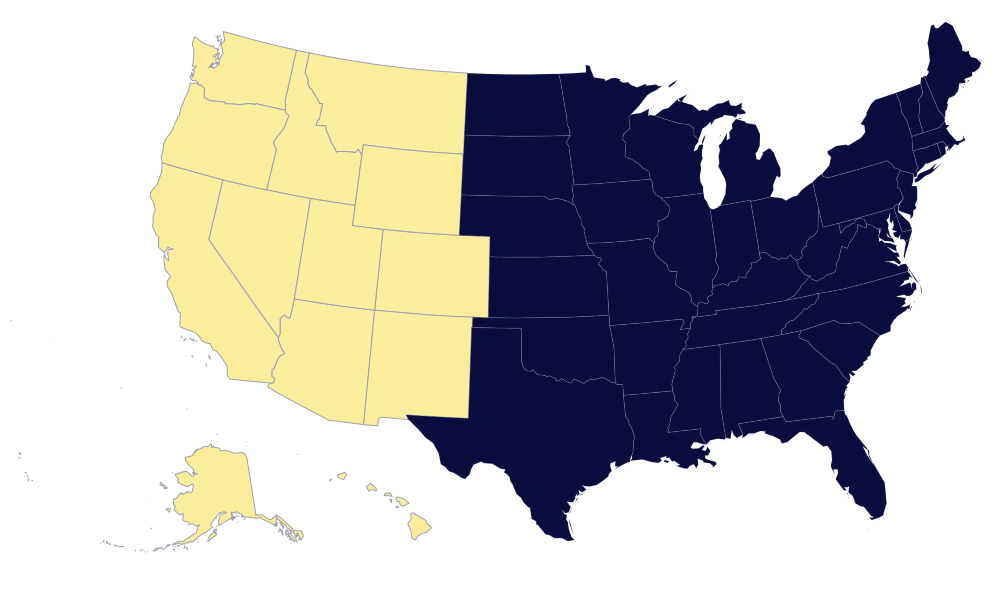
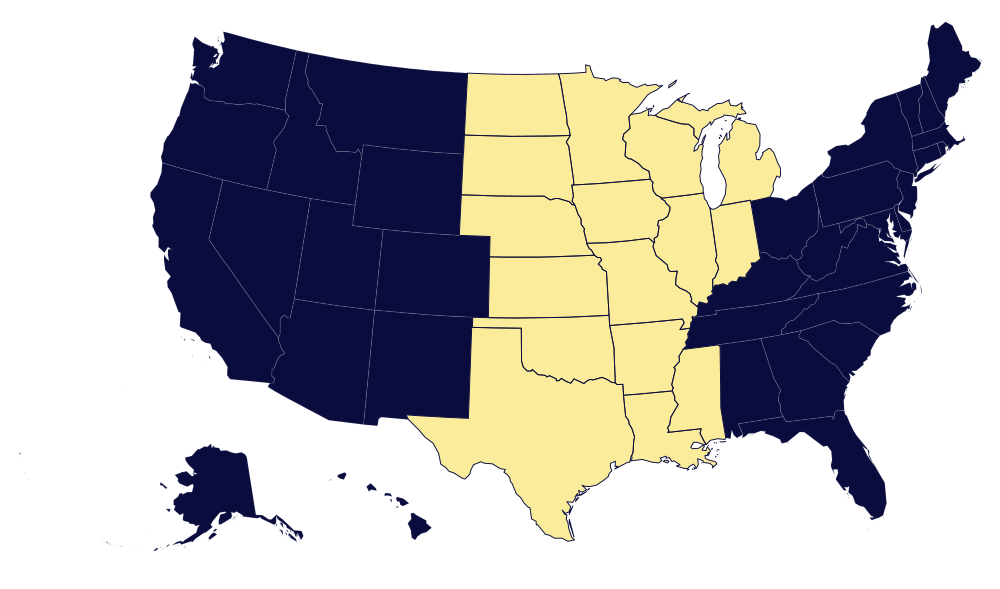
AVLS operate and has proven pool of AV technicians in major cities US Nationwide, such as Las Vegas, Los Angeles, Orlando, Dallas, San Antonio, Austin, Houston, Washington DC, Atlanta, New Orleans, Tennessee and more.
Please complete the form below and we will respond to you as soon as possible. We are available 24 hours a day to assist with your needs. We look forward to showing you what we can do toward the success of your next event.
EVENT INFORMATION
