





August 12, 2026
Expo AV Crew Planning: How to Staff a Successful Show
Quick Answer: Successful expo AV crew planning requires determining your technical needs 6-8 weeks in advance, calculating crew size based on booth count and complexity (typically 1 technician per 3-5 standard booths), and booking qualified local technicians who understand venue specifications and can handle setup, live support, and breakdown efficiently.
Key Takeaways
What Does an AV Crew Do at an Expo or Trade Show
An AV crew handles all technical aspects of audiovisual production during expo setup, live event support, and breakdown. Their primary responsibilities include installing sound systems, setting up projection and LED displays, managing lighting rigs, running cables, conducting technical rehearsals, and providing real-time support during the event.
Core AV crew responsibilities include:
The crew's expertise becomes critical during high-pressure moments like keynote presentations, product launches, and live demonstrations where technical failures can impact your brand reputation and attendee experience.
How Many AV Technicians Do You Need for Your Event
Event size and complexity determine your AV crew requirements, with most standard expos needing 1 technician per 3-5 booths for basic setups. Large-scale expos with complex installations may require 1 technician per 2-3 booths, while simple display-only events can manage with 1 technician per 6-8 booths.
Crew sizing factors:
Sample crew calculations:
Always add 10-15% buffer capacity for unexpected technical challenges, equipment failures, or last-minute client requests that commonly occur during expo setup and live events.
Expo AV Crew Planning: Roles for Small vs Large Events
Small expos (under 100 booths) typically use cross-trained generalist technicians who can handle multiple AV disciplines, while large expos require specialized roles with dedicated audio engineers, lighting designers, video specialists, and crew chiefs managing specific technical areas.
Small expo crew structure:
Large expo crew hierarchy:
Large events also require dedicated roles like broadcast engineers for live streaming, network technicians for complex data requirements, and safety coordinators for rigging operations.
How Much Does It Cost to Hire AV Crew for an Event
AV crew costs typically range from $350-$800 per technician per day, depending on skill level, location, and event complexity. Total crew expenses usually represent 15-25% of your overall AV budget, with specialized roles like audio engineers and lighting designers commanding premium rates.
Typical daily rates by role:
Additional cost factors:
Cost-saving strategies:
What Skills Should You Look for When Hiring AV Technicians
Priority skills for expo AV technicians include hands-on experience with professional audio mixing consoles, projection systems, LED wall installation, cable management, and real-time troubleshooting under pressure. Venue-specific experience and certifications in rigging or broadcast technology provide additional value for complex installations.
Essential technical skills:
Valuable certifications and experience:
Soft skills that matter:
When evaluating candidates, prioritize recent hands-on experience over theoretical knowledge, as expo environments demand practical problem-solving skills and equipment familiarity.
Common Mistakes When Planning AV Crew for Trade Shows
The most frequent mistake is booking crew too late, leaving you with inexperienced technicians or inflated rates when qualified professionals are already committed to other events. Many planners also underestimate crew size requirements, leading to rushed setups, overtime costs, and technical issues during live presentations.
Critical planning mistakes:
Budgeting errors:
Scheduling problems:
The best approach involves detailed planning 6-8 weeks in advance with clear technical specifications, realistic timelines, and built-in contingencies for common expo challenges.
How Far in Advance Should You Book AV Crew
Book your expo AV crew 6-8 weeks before the event to secure experienced technicians at standard rates. Major trade shows and peak expo seasons require 10-12 weeks advance booking, while smaller regional events may allow 4-6 weeks if you're flexible on specific technician qualifications.
Booking timeline by event size:
Benefits of early booking:
Late booking consequences:
When booking early, request crew resumes and references from recent similar events. The best AV technicians for events are often committed to major trade shows months in advance, making early planning essential for quality crew selection.
What Happens If AV Crew Doesn't Show Up on Event Day
No-show crew members create immediate problems requiring backup technician activation, task redistribution among remaining crew, or emergency hiring at premium rates. Professional AV staffing companies maintain replacement crew pools and guarantee coverage, while direct hiring requires your own contingency planning.
Immediate response actions:
Prevention strategies:
Cost implications:
The most reliable approach involves working with professional AV staffing services that maintain backup crew pools and provide guaranteed coverage for critical events.
Do You Need AV Crew for Hybrid or Virtual Expo Events
Hybrid and virtual expos require specialized AV crew with broadcast and streaming expertise, including camera operators, streaming engineers, audio mixers familiar with broadcast standards, and technical directors who can manage live switching between multiple video sources and remote presenters.
Specialized roles for hybrid events:
Technical requirements differ from traditional expos:
Crew size considerations:
Virtual events may require fewer total technicians but need more specialized skills. A 100-booth hybrid expo might need 15-20 crew members instead of 25-30 for traditional setup, but requires higher skill levels and broadcast experience.
The key difference is that hybrid events demand broadcast-quality production standards rather than typical expo AV support, making crew selection and experience levels critical for successful execution.
Typical AV Crew Schedule During Multi-Day Events
Multi-day expo crew schedules typically involve intensive setup days, reduced live support crews during event hours, and full crew breakdown on the final day. Most events use rotating shifts to manage crew fatigue while maintaining technical quality throughout the entire expo duration.
Standard multi-day schedule:
Pre-event setup (1-2 days):
Event days (day 1-3):
Breakdown day:
Crew rotation strategies:
Fatigue management:
Proper scheduling prevents technical mistakes caused by crew fatigue while ensuring adequate coverage for unexpected issues that commonly arise during multi-day expo operations.
Managing AV Crew Communication During Setup and Breakdown
Effective crew communication requires designated crew chiefs with radio systems, clear task assignments with written technical specifications, and regular check-in protocols that prevent coordination problems during high-pressure setup and breakdown periods.
Communication systems:
Setup communication protocols:
Documentation requirements:
Breakdown coordination:
Poor communication during expo setup and breakdown leads to equipment damage, timeline delays, and crew safety issues that can be prevented with structured protocols and clear leadership hierarchy.
AV Crew Planning for Outdoor Expos vs Indoor Venues
Outdoor expos require weather-resistant equipment expertise, generator and power distribution knowledge, and crew experienced with tent structures and environmental challenges. Indoor venues offer predictable conditions but may have specific rigging restrictions, power limitations, and noise regulations that require venue-familiar crew.
Outdoor expo crew requirements:
Indoor venue considerations:
Crew skill differences:
Outdoor events demand more versatile technicians who can adapt to changing conditions, while indoor venues reward crew with specific venue experience who understand facility systems and restrictions.
Planning considerations:
Choose crew based on venue type and prioritize relevant experience - outdoor festival technicians may struggle with convention center protocols, while indoor specialists may lack outdoor power and weather management skills.
Should You Hire Local AV Crew or Bring Your Own Team
Local crew hiring typically reduces costs by 30-40% while providing venue-specific expertise and eliminating travel expenses. Bringing your own team ensures familiar working relationships and consistent quality standards but increases project costs and requires travel logistics management.
Local crew advantages:
Your own team benefits:
Decision factors:
Hybrid approach:
Many successful expos use local crew for general setup and breakdown while bringing key specialists (audio engineers, lighting designers) for technical leadership and quality control.
The best choice depends on balancing cost savings against quality requirements and project complexity. For most standard expos, experienced local crew provides excellent results at substantially lower costs.
Equipment Responsibilities: What AV Crew Brings vs Venue Provides
AV crew typically brings personal tools, basic cables, and testing equipment while venues provide power distribution, rigging points, and basic infrastructure. Equipment rental companies supply major AV gear, with crew responsible for setup, operation, and basic maintenance but not equipment ownership or major repairs.
Crew-provided items:
Venue-provided infrastructure:
Rental company equipment:
Responsibility boundaries:
Crew handles equipment setup, operation, and troubleshooting but contacts rental companies for major failures or replacement needs. Venues provide infrastructure support but crews manage all temporary installations and connections.
Clear equipment responsibility agreements prevent confusion during setup and ensure proper support channels when technical issues arise during your expo.
FAQ
How early should I start planning AV crew for a major trade show?
Start planning 10-12 weeks before major trade shows to secure experienced crew at standard rates. Peak expo seasons require even earlier booking, while smaller regional events may allow 6-8 weeks if you're flexible on crew qualifications.
What's the difference between union and non-union AV crew?
Union crew must be used at certain venues and typically costs 20-30% more but provides standardized training, safety certifications, and guaranteed skill levels. Non-union crew offers more flexibility and lower costs but requires careful vetting of individual qualifications.
Can I use the same crew for setup and breakdown?
Yes, but plan for crew fatigue on multi-day events. Many successful expos use the same crew for setup and breakdown but rotate different technicians for live event support to maintain energy and prevent mistakes.
What happens if my AV equipment fails during the expo?
Professional AV crew should have troubleshooting protocols and direct contacts with equipment rental companies for emergency replacements. Always ensure your crew contract includes equipment failure response procedures and backup equipment access.
Do I need specialized crew for LED wall installations?
Yes, LED walls require technicians with specific training on panel alignment, signal processing, and color calibration. General AV technicians can assist but shouldn't lead LED wall installations without proper experience and manufacturer training.
How do I verify AV crew qualifications before hiring?
Request recent project references, ask for photos/videos of similar work, and verify any claimed certifications. The best approach is working with established AV staffing companies that pre-screen technicians and guarantee replacements.
What's included in typical AV crew overtime rates?
Overtime usually starts after 8-10 hours at time-and-a-half rates, with double-time after 12-14 hours. Some contracts include meal penalties if breaks aren't provided. Always clarify overtime policies before signing crew agreements.
Should I hire crew directly or use a staffing agency?
Staffing agencies provide pre-screened technicians, backup coverage, and handle payroll/insurance but cost 15-25% more. Direct hiring offers cost savings but requires your own vetting, backup planning, and administrative management.
How many crew members do I need for a 200-booth expo?
A 200-booth expo typically requires 40-67 technicians depending on complexity, with additional specialists for audio, lighting, and video systems. Add 10-15% buffer capacity for unexpected technical challenges and equipment issues.
What should I do if crew arrives late or unprepared?
Have backup crew contacts ready and document any performance issues immediately. Professional staffing companies should provide immediate replacements, while direct-hired crew problems may require emergency sourcing at premium rates.
Do virtual events need different types of AV crew?
Yes, virtual and hybrid events require broadcast specialists including streaming engineers, camera operators, and technical directors familiar with live production software. Traditional expo crew may lack the specialized broadcast and streaming expertise needed.
How do I handle crew scheduling for 24-hour setup periods?
Use rotating shifts with overlap periods for continuity, typically 12-hour maximum shifts with mandatory breaks. Assign different crews for day/night shifts and ensure experienced leads are available during both periods for technical decisions.
Ready to staff your next expo with experienced AV professionals? AV Labor Source connects you with qualified technicians nationwide who understand the unique demands of trade show environments. Our pre-screened crew members bring venue-specific expertise and proven track records to ensure your event runs smoothly from setup to breakdown. Contact us today to discuss your expo AV crew requirements and get matched with the right team for your event.
Conclusion
Successful expo AV crew planning starts with early booking, realistic crew sizing, and clear communication protocols that prevent common pitfalls during high-pressure event production. The difference between a smooth expo and technical disasters often comes down to having experienced, venue-familiar crew who can adapt quickly when challenges arise.
Focus on booking qualified local technicians 6-8 weeks in advance, plan for 10-15% backup capacity, and establish clear communication systems between crew chiefs and event organizers. Whether you choose local crew for cost savings or bring your own team for consistency, the key is matching crew experience to your specific technical requirements and venue conditions.
Remember that expo environments demand practical problem-solving skills over theoretical knowledge. Prioritize crew members with hands-on experience at similar events, and always have contingency plans for equipment failures and crew no-shows that commonly occur during complex event production.
Key Takeaways
- Plan AV crew staffing 6-8 weeks before your expo to secure qualified technicians
- Calculate 1 AV technician per 3-5 standard booths for basic setups, more for complex installations
- Local crew hiring typically costs 30-40% less than traveling with your own team
- Different crew roles include audio engineers, lighting technicians, video specialists, and general AV support
- Backup staffing plans prevent disasters when crew members don't show up
- Venue-specific experience significantly reduces setup time and technical issues
- Multi-day events require careful crew scheduling to manage fatigue and maintain quality
- Hybrid and virtual expos need specialized streaming and broadcast technicians
- Indoor venues offer more predictable conditions than outdoor expo environments
- Clear communication protocols during setup and breakdown prevent costly delays
What Does an AV Crew Do at an Expo or Trade Show
An AV crew handles all technical aspects of audiovisual production during expo setup, live event support, and breakdown. Their primary responsibilities include installing sound systems, setting up projection and LED displays, managing lighting rigs, running cables, conducting technical rehearsals, and providing real-time support during the event.
Core AV crew responsibilities include:
- Audio setup and management: Installing microphone systems, speakers, mixing boards, and conducting sound checks
- Video and projection: Setting up projectors, LED walls, screens, and managing video content playback
- Lighting design and operation: Installing stage lighting, ambient lighting, and operating lighting consoles during presentations
- Cable management: Running power, audio, video, and data cables safely throughout the venue
- Technical troubleshooting: Solving equipment failures, connectivity issues, and audio/video problems in real-time
- Equipment maintenance: Monitoring gear performance and making adjustments throughout the event
The crew's expertise becomes critical during high-pressure moments like keynote presentations, product launches, and live demonstrations where technical failures can impact your brand reputation and attendee experience.
How Many AV Technicians Do You Need for Your Event
Event size and complexity determine your AV crew requirements, with most standard expos needing 1 technician per 3-5 booths for basic setups. Large-scale expos with complex installations may require 1 technician per 2-3 booths, while simple display-only events can manage with 1 technician per 6-8 booths.
Crew sizing factors:
- Booth complexity: Simple displays need fewer technicians than interactive demos with multiple screens and audio zones
- Event duration: Multi-day events require larger crews to manage fatigue and provide continuous coverage
- Setup timeline: Compressed load-in schedules demand more technicians to complete installations on time
- Venue size: Larger venues require additional crew for cable runs and equipment positioning
- Simultaneous activities: Concurrent sessions, demonstrations, and presentations increase staffing needs
Sample crew calculations:
- 50-booth expo with standard AV needs: 10-17 technicians
- 100-booth expo with mixed complexity: 20-33 technicians
- 200-booth major trade show: 40-67 technicians
Always add 10-15% buffer capacity for unexpected technical challenges, equipment failures, or last-minute client requests that commonly occur during expo setup and live events.
Expo AV Crew Planning: Roles for Small vs Large Events
Small expos (under 100 booths) typically use cross-trained generalist technicians who can handle multiple AV disciplines, while large expos require specialized roles with dedicated audio engineers, lighting designers, video specialists, and crew chiefs managing specific technical areas.
Small expo crew structure:
- General AV technicians: Handle basic audio, video, and lighting setup across multiple booths
- Lead technician: Coordinates crew activities and handles complex technical issues
- Audio specialist: Manages sound systems and microphone distribution (if needed)
Large expo crew hierarchy:
- Production manager: Oversees entire AV operation and client communication
- Audio engineers: Design and operate sound systems, mixing consoles, and wireless microphone networks
- Lighting designers/operators: Create lighting plots and operate lighting consoles during events
- Video engineers: Manage projection systems, LED walls, cameras, and live streaming setups
- Riggers: Handle overhead installations, truss systems, and safety protocols
- General technicians: Support specialists with cable runs, equipment setup, and basic troubleshooting
- Crew chiefs: Lead teams for specific venue areas or technical disciplines
Large events also require dedicated roles like broadcast engineers for live streaming, network technicians for complex data requirements, and safety coordinators for rigging operations.
How Much Does It Cost to Hire AV Crew for an Event
AV crew costs typically range from $350-$800 per technician per day, depending on skill level, location, and event complexity. Total crew expenses usually represent 15-25% of your overall AV budget, with specialized roles like audio engineers and lighting designers commanding premium rates.
Typical daily rates by role:
- General AV technicians: $350-$500/day
- Audio engineers: $500-$700/day
- Lighting designers: $600-$800/day
- Video specialists: $450-$650/day
- Crew chiefs/leads: $550-$750/day
- Riggers: $400-$600/day
Additional cost factors:
- Overtime rates: Time-and-a-half after 8-10 hours, double-time after 12-14 hours
- Travel expenses: Hotel, meals, and transportation for non-local crew
- Equipment handling: Some crew rates include basic tool usage, others charge separately
- Union requirements: Union venues may require certified technicians at higher rates
Cost-saving strategies:
- Book local crew to eliminate travel expenses
- Plan realistic schedules to minimize overtime
- Use skilled AV labor staffing services that pre-screen technicians
- Bundle crew services with equipment rental for package discounts
What Skills Should You Look for When Hiring AV Technicians
Priority skills for expo AV technicians include hands-on experience with professional audio mixing consoles, projection systems, LED wall installation, cable management, and real-time troubleshooting under pressure. Venue-specific experience and certifications in rigging or broadcast technology provide additional value for complex installations.
Essential technical skills:
- Audio systems: Mixing console operation, wireless microphone management, speaker tuning, and feedback elimination
- Video technology: Projector setup, LED wall configuration, video switching, and signal routing
- Lighting control: Console programming, fixture positioning, and color/intensity management
- Cable management: Proper routing techniques, connector types, and signal flow understanding
- Troubleshooting: Systematic problem-solving for equipment failures and connectivity issues
Valuable certifications and experience:
- Venue familiarity: Previous work at your specific expo center or similar facilities
- Manufacturer training: Certification on major brands like Meyer Sound, Christie projectors, or Martin lighting
- Safety credentials: OSHA certification for rigging work and electrical safety
- Broadcast experience: Live streaming, camera operation, and broadcast mixing for hybrid events
Soft skills that matter:
- Clear communication with clients and team members
- Ability to work efficiently under tight deadlines
- Professional appearance and customer service orientation
- Flexibility to adapt when technical requirements change
When evaluating candidates, prioritize recent hands-on experience over theoretical knowledge, as expo environments demand practical problem-solving skills and equipment familiarity.
Common Mistakes When Planning AV Crew for Trade Shows
The most frequent mistake is booking crew too late, leaving you with inexperienced technicians or inflated rates when qualified professionals are already committed to other events. Many planners also underestimate crew size requirements, leading to rushed setups, overtime costs, and technical issues during live presentations.
Critical planning mistakes:
- Late booking: Waiting until 2-3 weeks before the event when experienced crew is unavailable
- Underestimating complexity: Treating interactive demos and product launches like simple presentation setups
- Ignoring venue requirements: Hiring crew unfamiliar with specific expo center rules, power systems, or rigging points
- No backup plan: Failing to arrange replacement crew when technicians don't show up or equipment fails
- Poor communication: Not providing detailed technical specifications and setup timelines to crew leads
Budgeting errors:
- Forgetting overtime calculations for compressed setup schedules
- Not accounting for travel costs when using non-local crew
- Underestimating specialized role requirements (assuming general technicians can handle complex audio or lighting)
- Skipping crew meals and break coverage, leading to fatigue and mistakes
Scheduling problems:
- Creating unrealistic load-in timelines that guarantee overtime costs
- Not coordinating crew arrival with equipment delivery schedules
- Failing to plan breakdown crew coverage when event staff wants to leave immediately
The best approach involves detailed planning 6-8 weeks in advance with clear technical specifications, realistic timelines, and built-in contingencies for common expo challenges.
How Far in Advance Should You Book AV Crew
Book your expo AV crew 6-8 weeks before the event to secure experienced technicians at standard rates. Major trade shows and peak expo seasons require 10-12 weeks advance booking, while smaller regional events may allow 4-6 weeks if you're flexible on specific technician qualifications.
Booking timeline by event size:
- Major trade shows (500+ booths): 10-12 weeks advance booking
- Regional expos (100-500 booths): 6-8 weeks for optimal crew selection
- Small local shows (under 100 booths): 4-6 weeks minimum
- Peak seasons (September-November, March-May): Add 2-4 weeks to all timelines
Benefits of early booking:
- Access to the most experienced and reliable technicians
- Standard labor rates without rush premiums
- Time to conduct crew interviews and reference checks
- Ability to secure backup crew arrangements
- Better coordination with equipment rental and venue logistics
Late booking consequences:
- 20-40% higher rates for available crew
- Less experienced technicians who may require more supervision
- Limited crew size options that may not match your technical needs
- Higher risk of crew cancellations with no replacement options
When booking early, request crew resumes and references from recent similar events. The best AV technicians for events are often committed to major trade shows months in advance, making early planning essential for quality crew selection.
What Happens If AV Crew Doesn't Show Up on Event Day
No-show crew members create immediate problems requiring backup technician activation, task redistribution among remaining crew, or emergency hiring at premium rates. Professional AV staffing companies maintain replacement crew pools and guarantee coverage, while direct hiring requires your own contingency planning.
Immediate response actions:
- Contact backup crew: Activate pre-arranged replacement technicians from your contingency list
- Redistribute tasks: Reassign critical responsibilities to remaining experienced crew members
- Emergency hiring: Source replacement technicians through local AV companies at rush rates (typically 50-100% premium)
- Simplify setups: Reduce technical complexity to match available crew capacity
- Extend timelines: Add extra setup time to compensate for reduced crew size
Prevention strategies:
- Crew confirmation: Require written confirmation 48-72 hours before the event
- Backup arrangements: Contract 10-15% additional crew capacity for major events
- Professional staffing: Use established AV labor companies that guarantee crew replacement
- Local partnerships: Develop relationships with venue-preferred AV contractors for emergency support
Cost implications:
- Emergency crew typically costs 50-100% more than standard rates
- Overtime expenses increase when reduced crew works longer hours
- Potential client penalties if technical setups are incomplete or delayed
- Equipment rental extensions if setup takes longer than planned
The most reliable approach involves working with professional AV staffing services that maintain backup crew pools and provide guaranteed coverage for critical events.
Do You Need AV Crew for Hybrid or Virtual Expo Events
Hybrid and virtual expos require specialized AV crew with broadcast and streaming expertise, including camera operators, streaming engineers, audio mixers familiar with broadcast standards, and technical directors who can manage live switching between multiple video sources and remote presenters.
Specialized roles for hybrid events:
- Streaming engineers: Manage encoding, bandwidth optimization, and platform integration for live broadcasts
- Camera operators: Handle multiple camera angles, remote-controlled PTZ cameras, and live switching
- Broadcast audio mixers: Balance in-person and remote audio sources while managing streaming audio quality
- Technical directors: Coordinate live video switching, graphics integration, and remote presenter management
- IT specialists: Handle network infrastructure, backup internet connections, and streaming platform troubleshooting
Technical requirements differ from traditional expos:
- Higher audio quality standards for broadcast mixing and remote audience clarity
- Multiple camera feeds requiring experienced operators and video switching expertise
- Streaming platform integration demanding specialized software knowledge
- Network management for reliable internet connectivity and backup systems
- Remote presenter coordination requiring different communication protocols
Crew size considerations:
Virtual events may require fewer total technicians but need more specialized skills. A 100-booth hybrid expo might need 15-20 crew members instead of 25-30 for traditional setup, but requires higher skill levels and broadcast experience.
The key difference is that hybrid events demand broadcast-quality production standards rather than typical expo AV support, making crew selection and experience levels critical for successful execution.
Typical AV Crew Schedule During Multi-Day Events
Multi-day expo crew schedules typically involve intensive setup days, reduced live support crews during event hours, and full crew breakdown on the final day. Most events use rotating shifts to manage crew fatigue while maintaining technical quality throughout the entire expo duration.
Standard multi-day schedule:
Pre-event setup (1-2 days):
- Full crew: 7 AM - 6 PM with meal breaks
- Overtime as needed for complex installations
- All technical rehearsals and system testing
Event days (day 1-3):
- Skeleton crew: 6 AM - 7 AM for system startup and checks
- Live support crew: 8 AM - 6 PM during expo hours
- Maintenance crew: Evening equipment checks and minor repairs
Breakdown day:
- Full crew: 6 PM (after event close) - completion
- Typically 6-12 hours depending on installation complexity
Crew rotation strategies:
- Split shifts: Different technicians handle setup vs. live support to prevent fatigue
- Specialty rotations: Audio and lighting operators alternate for evening events and next-day preparation
- Weekend coverage: Reduced crew for equipment security and basic maintenance
Fatigue management:
- Maximum 12-hour days with mandatory breaks
- Rotate high-stress positions like audio mixing and technical directing
- Maintain backup crew for emergency coverage when primary technicians need rest
Proper scheduling prevents technical mistakes caused by crew fatigue while ensuring adequate coverage for unexpected issues that commonly arise during multi-day expo operations.
Managing AV Crew Communication During Setup and Breakdown
Effective crew communication requires designated crew chiefs with radio systems, clear task assignments with written technical specifications, and regular check-in protocols that prevent coordination problems during high-pressure setup and breakdown periods.
Communication systems:
- Radio networks: Two-way radios with designated channels for different crew teams (audio, video, lighting, general)
- Mobile coordination: Group messaging apps for non-urgent updates and schedule changes
- Central command: Designated production office location where crew chiefs coordinate activities
- Client liaison: Single point of contact between AV crew and event organizers
Setup communication protocols:
- Morning briefings: Daily crew meetings with task assignments and priority updates
- Progress reports: Hourly check-ins from crew chiefs to production manager
- Problem escalation: Clear procedures for reporting equipment failures or timeline issues
- Safety communications: Immediate reporting protocols for rigging, electrical, or safety concerns
Documentation requirements:
- Written technical specifications for each booth or presentation area
- Equipment inventory lists with serial numbers and locations
- Setup completion checklists signed off by crew chiefs
- Issue logs tracking problems and resolutions
Breakdown coordination:
- Systematic approach: Designated order for equipment removal to prevent cable and rigging conflicts
- Inventory management: Real-time tracking of equipment as it's packed and loaded
- Final inspections: Crew chief sign-offs before equipment leaves the venue
Poor communication during expo setup and breakdown leads to equipment damage, timeline delays, and crew safety issues that can be prevented with structured protocols and clear leadership hierarchy.
AV Crew Planning for Outdoor Expos vs Indoor Venues
Outdoor expos require weather-resistant equipment expertise, generator and power distribution knowledge, and crew experienced with tent structures and environmental challenges. Indoor venues offer predictable conditions but may have specific rigging restrictions, power limitations, and noise regulations that require venue-familiar crew.
Outdoor expo crew requirements:
- Weather expertise: Experience with equipment protection, moisture prevention, and wind load calculations
- Power specialists: Generator operation, distribution planning, and electrical safety in outdoor conditions
- Structural knowledge: Tent rigging, ground anchoring systems, and temporary structure safety
- Environmental adaptation: Heat management for equipment, cold weather startup procedures, and rain contingency plans
Indoor venue considerations:
- Rigging restrictions: Venue-specific ceiling load limits, approved rigging points, and safety protocols
- Power systems: Understanding of venue electrical distribution, circuit limitations, and tie-in procedures
- Noise regulations: Sound level restrictions during setup and event hours
- Access logistics: Loading dock procedures, freight elevator capacity, and equipment movement restrictions
Crew skill differences:
Outdoor events demand more versatile technicians who can adapt to changing conditions, while indoor venues reward crew with specific venue experience who understand facility systems and restrictions.
Planning considerations:
- Outdoor crews need 20-30% more setup time for weather protection and power distribution
- Indoor venues may require union crew or venue-certified technicians
- Weather backup plans for outdoor events require additional crew scheduling flexibility
- Equipment protection and environmental monitoring become crew responsibilities for outdoor expos
Choose crew based on venue type and prioritize relevant experience - outdoor festival technicians may struggle with convention center protocols, while indoor specialists may lack outdoor power and weather management skills.
Should You Hire Local AV Crew or Bring Your Own Team
Local crew hiring typically reduces costs by 30-40% while providing venue-specific expertise and eliminating travel expenses. Bringing your own team ensures familiar working relationships and consistent quality standards but increases project costs and requires travel logistics management.
Local crew advantages:
- Cost savings: Eliminate hotel, meal, and travel expenses for crew members
- Venue expertise: Familiarity with specific expo center systems, restrictions, and logistics
- Regulatory knowledge: Understanding of local union requirements, safety codes, and permitting
- Equipment access: Connections with local rental companies and emergency equipment sources
- Availability: Larger pool of available technicians in major expo markets
Your own team benefits:
- Known capabilities: Established working relationships and proven technical skills
- Quality consistency: Predictable performance standards and communication styles
- Complex projects: Better coordination for highly technical or specialized installations
- Brand familiarity: Understanding of your specific equipment, procedures, and client expectations
Decision factors:
- Event complexity: Simple setups favor local crew, complex productions may justify travel costs for your team
- Budget constraints: Local crew provides significant cost advantages for most events
- Timeline pressure: Your own team may work faster due to established workflows
- Quality requirements: Critical events may warrant the premium for known crew performance
Hybrid approach:
Many successful expos use local crew for general setup and breakdown while bringing key specialists (audio engineers, lighting designers) for technical leadership and quality control.
The best choice depends on balancing cost savings against quality requirements and project complexity. For most standard expos, experienced local crew provides excellent results at substantially lower costs.
Equipment Responsibilities: What AV Crew Brings vs Venue Provides
AV crew typically brings personal tools, basic cables, and testing equipment while venues provide power distribution, rigging points, and basic infrastructure. Equipment rental companies supply major AV gear, with crew responsible for setup, operation, and basic maintenance but not equipment ownership or major repairs.
Crew-provided items:
- Personal tools: Screwdrivers, wrenches, cable testers, multimeters, and basic hand tools
- Safety equipment: Hard hats, safety glasses, gloves, and personal protective equipment
- Basic cables: Common audio, video, and power cables for equipment connections
- Testing gear: Signal generators, audio meters, and diagnostic equipment
- Communication: Two-way radios and mobile devices for crew coordination
Venue-provided infrastructure:
- Power distribution: Main electrical service, distribution panels, and basic outlet access
- Rigging points: Certified ceiling attachment points and structural support systems
- Basic lighting: House lighting systems and basic electrical infrastructure
- Loading access: Freight elevators, loading docks, and equipment movement areas
- Internet/data: Basic network connectivity and data distribution points
Rental company equipment:
- Major AV gear: Speakers, projectors, LED walls, mixing consoles, and lighting fixtures
- Support equipment: Truss systems, stands, cases, and mounting hardware
- Specialty items: Cameras, streaming equipment, and broadcast gear
- Backup equipment: Spare components and emergency replacement gear
Responsibility boundaries:
Crew handles equipment setup, operation, and troubleshooting but contacts rental companies for major failures or replacement needs. Venues provide infrastructure support but crews manage all temporary installations and connections.
Clear equipment responsibility agreements prevent confusion during setup and ensure proper support channels when technical issues arise during your expo.
FAQ
How early should I start planning AV crew for a major trade show?
Start planning 10-12 weeks before major trade shows to secure experienced crew at standard rates. Peak expo seasons require even earlier booking, while smaller regional events may allow 6-8 weeks if you're flexible on crew qualifications.
What's the difference between union and non-union AV crew?
Union crew must be used at certain venues and typically costs 20-30% more but provides standardized training, safety certifications, and guaranteed skill levels. Non-union crew offers more flexibility and lower costs but requires careful vetting of individual qualifications.
Can I use the same crew for setup and breakdown?
Yes, but plan for crew fatigue on multi-day events. Many successful expos use the same crew for setup and breakdown but rotate different technicians for live event support to maintain energy and prevent mistakes.
What happens if my AV equipment fails during the expo?
Professional AV crew should have troubleshooting protocols and direct contacts with equipment rental companies for emergency replacements. Always ensure your crew contract includes equipment failure response procedures and backup equipment access.
Do I need specialized crew for LED wall installations?
Yes, LED walls require technicians with specific training on panel alignment, signal processing, and color calibration. General AV technicians can assist but shouldn't lead LED wall installations without proper experience and manufacturer training.
How do I verify AV crew qualifications before hiring?
Request recent project references, ask for photos/videos of similar work, and verify any claimed certifications. The best approach is working with established AV staffing companies that pre-screen technicians and guarantee replacements.
What's included in typical AV crew overtime rates?
Overtime usually starts after 8-10 hours at time-and-a-half rates, with double-time after 12-14 hours. Some contracts include meal penalties if breaks aren't provided. Always clarify overtime policies before signing crew agreements.
Should I hire crew directly or use a staffing agency?
Staffing agencies provide pre-screened technicians, backup coverage, and handle payroll/insurance but cost 15-25% more. Direct hiring offers cost savings but requires your own vetting, backup planning, and administrative management.
How many crew members do I need for a 200-booth expo?
A 200-booth expo typically requires 40-67 technicians depending on complexity, with additional specialists for audio, lighting, and video systems. Add 10-15% buffer capacity for unexpected technical challenges and equipment issues.
What should I do if crew arrives late or unprepared?
Have backup crew contacts ready and document any performance issues immediately. Professional staffing companies should provide immediate replacements, while direct-hired crew problems may require emergency sourcing at premium rates.
Do virtual events need different types of AV crew?
Yes, virtual and hybrid events require broadcast specialists including streaming engineers, camera operators, and technical directors familiar with live production software. Traditional expo crew may lack the specialized broadcast and streaming expertise needed.
How do I handle crew scheduling for 24-hour setup periods?
Use rotating shifts with overlap periods for continuity, typically 12-hour maximum shifts with mandatory breaks. Assign different crews for day/night shifts and ensure experienced leads are available during both periods for technical decisions.
Ready to staff your next expo with experienced AV professionals? AV Labor Source connects you with qualified technicians nationwide who understand the unique demands of trade show environments. Our pre-screened crew members bring venue-specific expertise and proven track records to ensure your event runs smoothly from setup to breakdown. Contact us today to discuss your expo AV crew requirements and get matched with the right team for your event.
Conclusion
Successful expo AV crew planning starts with early booking, realistic crew sizing, and clear communication protocols that prevent common pitfalls during high-pressure event production. The difference between a smooth expo and technical disasters often comes down to having experienced, venue-familiar crew who can adapt quickly when challenges arise.
Focus on booking qualified local technicians 6-8 weeks in advance, plan for 10-15% backup capacity, and establish clear communication systems between crew chiefs and event organizers. Whether you choose local crew for cost savings or bring your own team for consistency, the key is matching crew experience to your specific technical requirements and venue conditions.
Remember that expo environments demand practical problem-solving skills over theoretical knowledge. Prioritize crew members with hands-on experience at similar events, and always have contingency plans for equipment failures and crew no-shows that commonly occur during complex event production.
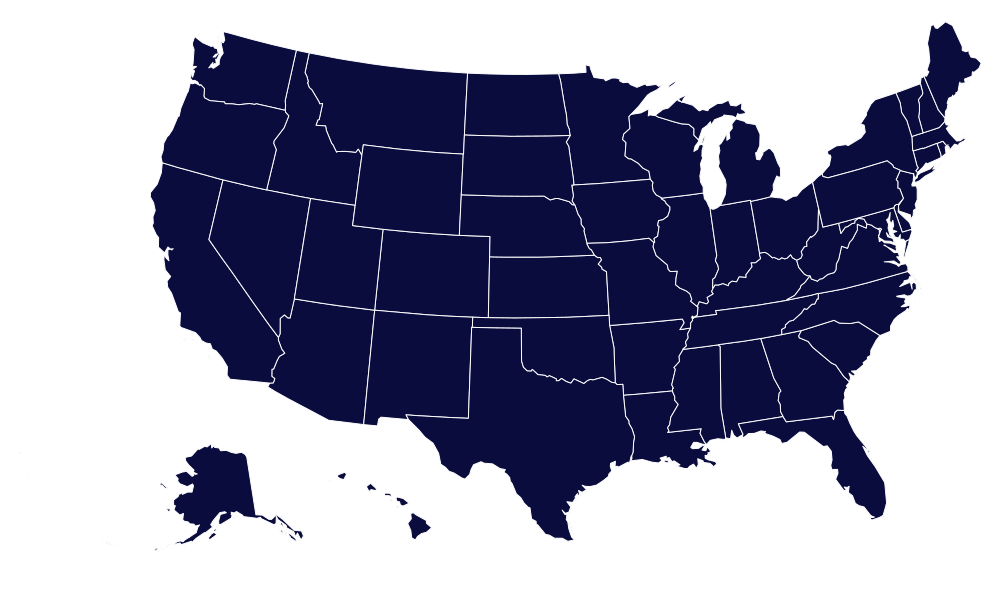
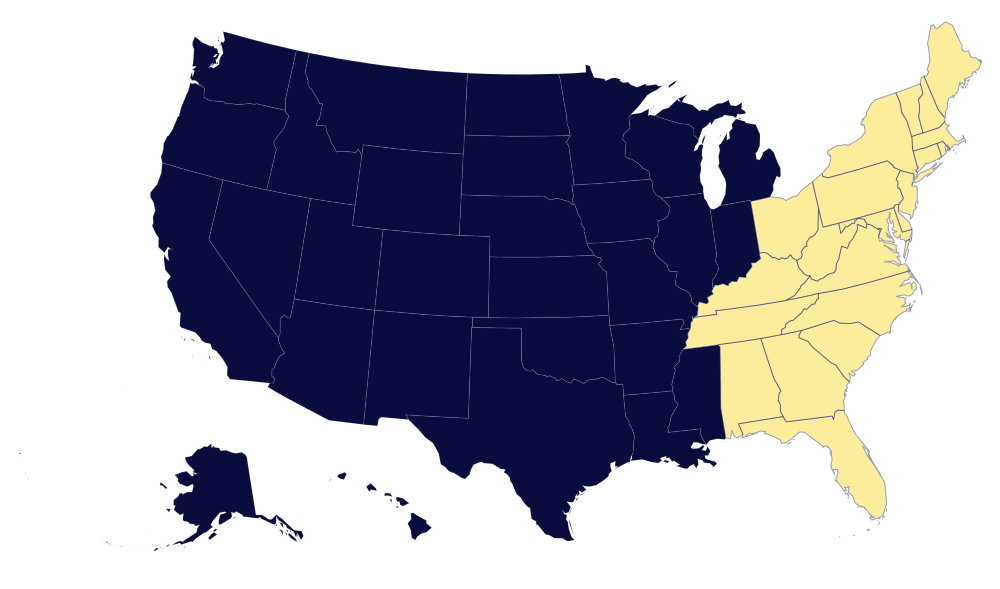
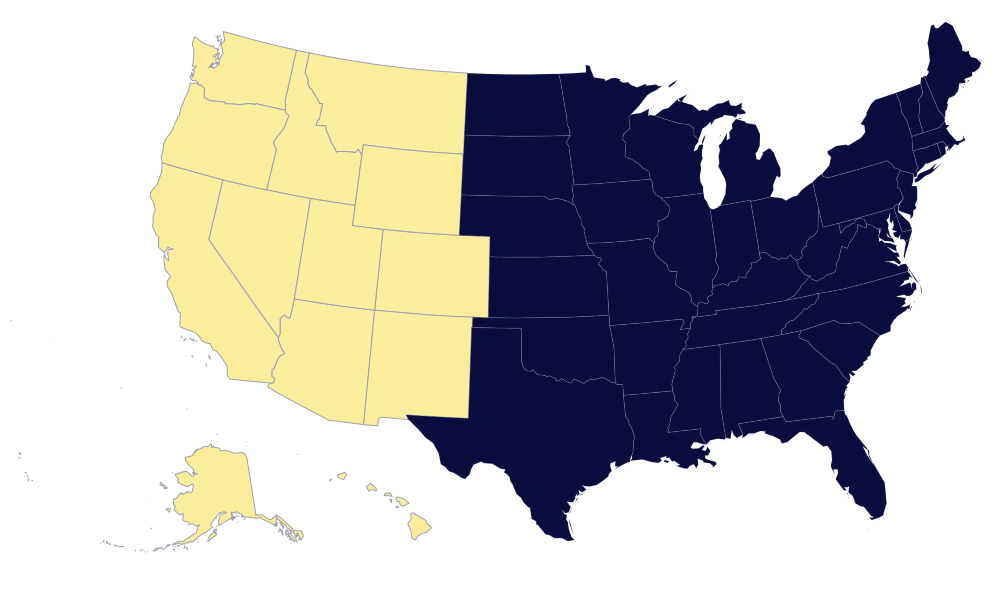
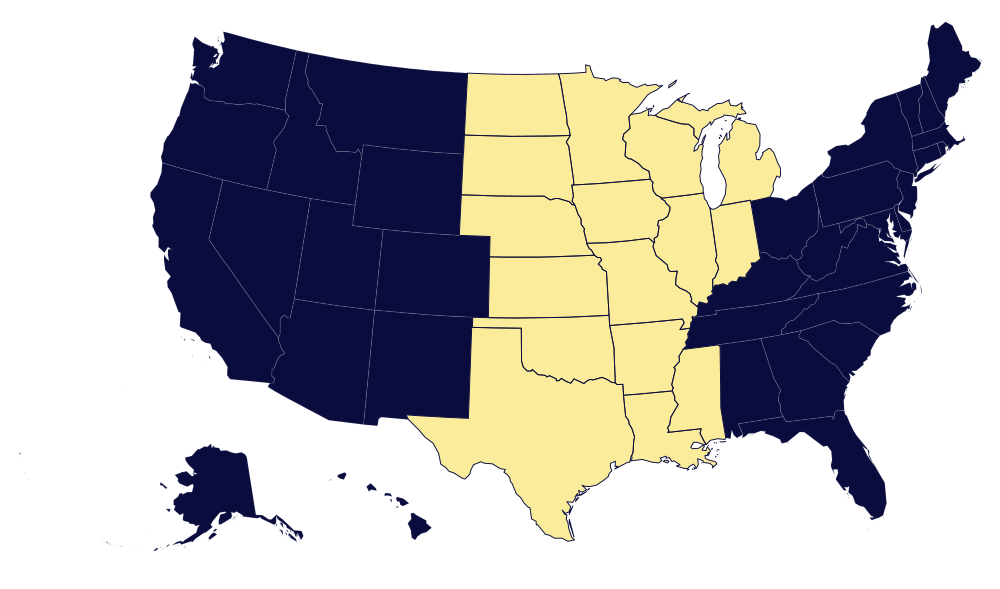
AVLS Nationwide Services
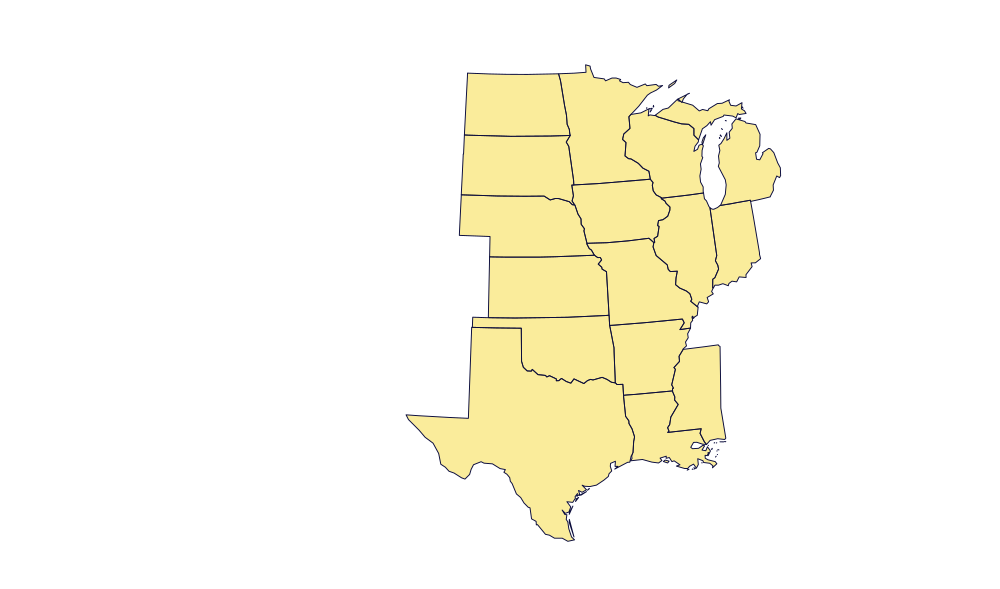
Central States
East Coast
*COMING SOON
West Coast


*COMING SOON
East Coast
Central States
West Coast
AVLS Nationwide Services
CONTACT US
When your event matters, trust your audio visual labor needs to AV Labor Source.
AVLS operate and has proven pool of AV technicians in major cities US Nationwide, such as Las Vegas, Los Angeles, Orlando, Dallas, San Antonio, Austin, Houston, Washington DC, Atlanta, New Orleans, Tennessee and more.
Please complete the form below and we will respond to you as soon as possible. We are available 24 hours a day to assist with your needs. We look forward to showing you what we can do toward the success of your next event.
AVLS operate and has proven pool of AV technicians in major cities US Nationwide, such as Las Vegas, Los Angeles, Orlando, Dallas, San Antonio, Austin, Houston, Washington DC, Atlanta, New Orleans, Tennessee and more.
Please complete the form below and we will respond to you as soon as possible. We are available 24 hours a day to assist with your needs. We look forward to showing you what we can do toward the success of your next event.
EVENT INFORMATION
