





July 14, 2026
How Lighting Designers Improve Corporate Event Experiences
Corporate events with professional lighting design see 40% higher attendee engagement compared to standard venue lighting setups. How lighting designers improve corporate event experiences involves strategic use of ambient, accent, and task lighting to create memorable atmospheres that reinforce brand messaging, guide attendee behavior, and enhance overall event objectives through carefully planned illumination techniques.
Key Takeaways
What Does a Lighting Designer Do at Corporate Events
A lighting designer at corporate events creates comprehensive illumination plans that support the event's objectives through strategic placement of ambient, accent, and task lighting. They analyze venue architecture, brand requirements, and attendee flow patterns to develop lighting schemes that enhance presentations, reinforce corporate messaging, and create appropriate atmospheres for different event segments.
The designer's responsibilities include conducting site surveys to assess existing electrical infrastructure and lighting capabilities. They create detailed lighting plots showing fixture placement, power requirements, and control systems. During setup, they coordinate with skilled AV technicians to ensure proper installation and programming of lighting controls.
Key responsibilities include:
Professional lighting designers also handle equipment sourcing, whether through rental partnerships or working with the client's preferred vendors. They ensure all fixtures meet venue safety requirements and local electrical codes.
How Does Good Lighting Affect Attendee Mood and Engagement
Good lighting directly influences attendee psychology by affecting circadian rhythms, visual comfort, and emotional responses to the environment. Warm lighting (2700K-3000K) creates intimate, welcoming atmospheres ideal for networking and dining, while cooler lighting (4000K-5500K) promotes alertness and focus during presentations and workshops.
Strategic lighting placement guides attendee movement through the venue by creating visual pathways and highlighting key areas like registration desks, sponsor booths, and networking zones. Properly lit spaces reduce eye strain and fatigue, keeping participants engaged throughout longer events.
Psychological impacts of professional lighting design:
Color psychology plays a crucial role in corporate events. Blue lighting conveys trust and professionalism, making it ideal for financial services companies. Green suggests growth and innovation, perfect for technology launches. Red creates urgency and excitement but should be used sparingly to avoid overwhelming attendees.
The contrast between different lighting zones creates visual interest and helps define spaces within larger venues. A well-lit registration area with bright, welcoming light transitions to more dramatic accent lighting in the main event space, creating anticipation and marking the shift from arrival to program content.
Lighting Design for Virtual and Hybrid Corporate Events
Virtual and hybrid corporate events require specialized lighting techniques that prioritize camera quality and on-screen appearance over traditional in-person aesthetics. How lighting designers improve corporate event experiences in virtual formats focuses on creating broadcast-quality lighting that translates well through streaming platforms and video conferencing systems.
Key lighting for virtual events uses a three-point setup: key light (primary illumination), fill light (shadow reduction), and back light (subject separation from background). The key light should be positioned at eye level or slightly above to avoid unflattering shadows under the eyes and nose.
Essential virtual event lighting considerations:
For hybrid events, designers must balance in-person ambiance with camera requirements. This often involves creating separate lighting zones - one optimized for the live audience experience and another specifically for broadcast quality. LED panels with adjustable color temperature allow real-time adjustments as lighting needs change throughout the program.
Background lighting becomes critical in virtual formats, as poorly lit backgrounds can appear distracting or unprofessional on camera. Subtle uplighting or branded gobos projected on walls create visual interest without competing with speakers or presentation content.
How Much Does a Professional Event Lighting Designer Cost
Professional event lighting designer costs typically range from $2,000 to $15,000 for corporate events, depending on venue size, complexity, and duration. Basic lighting design for small corporate meetings (50-100 attendees) starts around $2,000-$4,000, while large-scale conferences or galas can reach $10,000-$15,000 or more.
Pricing factors include designer experience level, equipment requirements, setup complexity, and event duration. Many designers charge day rates between $500-$1,500 plus equipment rental costs, which can add $1,000-$8,000 depending on fixture types and quantities needed.
Cost breakdown for typical corporate events:
Geographic location significantly impacts pricing, with major metropolitan areas commanding higher rates. AV technicians in New York City and Los Angeles typically cost 20-30% more than smaller markets.
Budget-conscious clients can reduce costs by choosing venues with existing professional lighting infrastructure, limiting color-changing fixtures, or focusing lighting design on key areas like stages and networking zones rather than full venue transformation.
Best Lighting Techniques for Conference Rooms and Ballrooms
Conference rooms require task-oriented lighting that supports presentations, note-taking, and video conferencing while minimizing glare on screens and devices. The optimal approach combines ambient lighting at 300-500 lux with adjustable accent lighting for presentations and supplemental task lighting for work surfaces.
Ballrooms present different challenges due to their size and need for atmosphere creation. How lighting designers improve corporate event experiences in ballrooms involves layering multiple lighting types to create depth, visual interest, and appropriate ambiance for different event segments.
Conference room lighting best practices:
Ballroom lighting techniques:
Ballroom lighting design should account for different event phases. Bright, welcoming lighting during cocktail reception transitions to more intimate, focused lighting during dinner service, then shifts to energetic, colorful lighting for dancing or entertainment segments.
The key to successful ballroom lighting lies in creating visual layers that can be independently controlled. This allows event managers to adjust the atmosphere throughout the evening without requiring additional setup or equipment changes.
Common Lighting Mistakes Companies Make at Events
The most common lighting mistake companies make is relying solely on venue house lights, which are typically harsh fluorescent or LED fixtures designed for general illumination rather than creating atmosphere or supporting event objectives. These lights often create unflattering shadows, cause eye strain, and fail to reinforce brand messaging or event themes.
Poor color temperature choices represent another frequent error. Mixing warm and cool light sources creates an unprofessional appearance and can make attendees look tired or unhealthy in photos. Many companies also underestimate the impact of lighting on photography and video quality, resulting in poorly documented events.
Most frequent corporate event lighting mistakes:
Inadequate stage or presentation lighting ranks among the most damaging mistakes. Speakers appearing dim or washed out lose credibility and audience attention. Professional stage lighting should provide even illumination on speakers' faces while avoiding glare or hot spots.
Many companies also fail to consider how lighting affects their event photography and videography. Poor lighting conditions result in grainy, unflattering images that reflect poorly on the organization when shared on social media or used in future marketing materials.
Choose professional lighting design if your event includes presentations, photography/video documentation, brand messaging requirements, or attendance over 100 people. Stick with basic venue lighting if your event is purely functional (like internal training sessions) with no photography needs and minimal brand representation requirements.
How to Choose Between Hiring a Lighting Designer vs DIY
Hire a professional lighting designer when your corporate event includes presentations, photography requirements, brand messaging needs, or attendance over 100 people. Professional designers bring equipment access, technical expertise, and creative vision that significantly impact attendee experience and event success.
DIY lighting works for small, informal corporate meetings under 50 attendees with minimal presentation requirements and no photography needs. Basic portable LED uplighting and adjustable venue lighting can adequately serve simple networking events or internal training sessions.
Hire a professional lighting designer when:
Consider DIY lighting when:
The decision often comes down to risk tolerance and event importance. High-stakes events like product launches, client appreciation galas, or board meetings warrant professional lighting design to ensure optimal outcomes. Internal training sessions or casual team meetings may function adequately with basic lighting adjustments.
Consider hybrid approaches for mid-range events. Rent basic LED uplighting equipment and handle simple color washes yourself, while hiring professionals for complex elements like stage lighting or projection mapping. This approach balances cost control with professional results for key event elements.
Working with experienced event production services can help determine the right balance of professional and DIY elements based on your specific event requirements and budget constraints.
What Equipment Do Event Lighting Designers Use
Event lighting designers use a combination of LED fixtures, traditional tungsten lights, and specialized equipment depending on event requirements and venue constraints. LED technology dominates modern corporate events due to energy efficiency, heat reduction, and color-changing capabilities that allow real-time adjustments throughout events.
The core equipment arsenal includes uplighting fixtures for wall washing and ambient color, pin spots for highlighting specific elements, and wash lights for broad area illumination. Professional designers also utilize gobos (metal or glass templates) to project custom patterns, logos, or textures onto surfaces.
Essential lighting equipment categories:
Specialized corporate event equipment:
Power distribution represents a critical but often overlooked equipment category. Professional designers bring power cables, distribution boxes, and adapters to ensure reliable electrical connections that meet venue safety requirements.
The trend toward wireless and battery-powered equipment continues growing, as these solutions reduce setup time and eliminate trip hazards from power cables. Modern LED fixtures can operate 8-12 hours on battery power, making them ideal for corporate events in venues with limited electrical access.
Professional AV technicians handle equipment setup and operation, ensuring proper installation and programming of complex lighting systems throughout the event.
Lighting Design for Different Types of Corporate Events
How lighting designers improve corporate event experiences varies significantly based on event type, with each format requiring specific lighting approaches to support its unique objectives. Conferences prioritize visibility and professionalism, while galas focus on atmosphere and elegance.
Corporate conferences need bright, even lighting that supports note-taking and reduces eye strain during long presentation sessions. Color temperature should remain consistent at 4000K-5000K to maintain alertness without causing fatigue. Stage lighting must provide excellent visibility for speakers while avoiding glare on projection screens.
Conference lighting requirements:
Gala and awards ceremony lighting:
Product launches require lighting that highlights the featured product while creating excitement and energy. This often involves dramatic reveals using blackouts and sudden illumination, colored lighting that matches brand identity, and specialized lighting to showcase product features effectively.
Trade shows present unique challenges due to shared spaces and competing visual elements.
Effective trade show lighting focuses on booth definition through strategic uplighting, product highlighting with focused spots, and brand reinforcement through consistent color schemes that stand out from neighboring exhibitors.
Team building and networking events benefit from warm, inviting lighting that encourages social interaction. Uplighting in warm tones (2700K-3000K) creates comfortable environments, while accent lighting on food and beverage stations draws people together and facilitates mingling.
How Does Lighting Impact Brand Perception at Corporate Events
Strategic lighting design reinforces brand identity by incorporating corporate colors, creating consistent visual experiences, and supporting brand messaging through environmental design. How lighting designers improve corporate event experiences includes translating brand guidelines into lighting schemes that subconsciously reinforce company values and personality.
Color psychology plays a crucial role in brand perception. Technology companies often use blue lighting to convey innovation and trust, while financial services firms prefer warm whites and golds to suggest stability and prosperity. Healthcare organizations typically choose clean whites and soft blues to communicate cleanliness and care.
Brand reinforcement through lighting design:
Lighting consistency across different event elements creates cohesive brand experiences. Registration areas, networking zones, presentation stages, and dining areas should all reflect the same color palette and lighting approach, creating seamless brand immersion throughout the venue.
The psychological impact of lighting on brand perception extends beyond visual recognition. Warm, inviting lighting makes brands appear more approachable and customer-focused, while dramatic, high-contrast lighting suggests innovation and cutting-edge capabilities. Cool, even lighting conveys professionalism and reliability.
Avoid lighting choices that conflict with brand personality. Conservative financial firms should avoid flashy color-changing effects, while creative agencies might look stodgy with overly traditional warm white lighting. The lighting design should feel authentic to the brand's personality and market position.
Professional lighting designers work with brand guidelines to ensure color accuracy and appropriate mood creation. They understand how different light sources affect color perception and can adjust fixtures to ensure brand colors appear consistent across various viewing conditions and camera systems.
Can Lighting Design Help with Event Photography and Video Quality
Professional lighting design dramatically improves event photography and video quality by providing consistent illumination, eliminating harsh shadows, and ensuring proper color balance across all shooting conditions. How lighting designers improve corporate event experiences includes optimizing lighting specifically for documentation needs, which has become crucial as companies rely heavily on event content for marketing and social media.
Proper event lighting eliminates the need for photographers to use harsh camera flashes, which create unflattering shadows and disrupt the event atmosphere. Instead, strategically placed ambient and accent lighting provides sufficient illumination for high-quality photography without drawing attention to the documentation process.
Photography and video lighting optimization:
Video production benefits significantly from professional lighting design, as cameras are less forgiving than human eyes when dealing with mixed lighting conditions. Properly lit events produce broadcast-quality video content that companies can use for training, marketing, and social media without extensive post-production correction.
The positioning of lighting fixtures affects photography angles and composition opportunities. Professional designers consider photographer sight lines and common shooting positions when planning fixture placement, ensuring optimal lighting from multiple angles throughout the venue.
Key photography considerations in lighting design:
When working with corporate event AV crews, lighting designers coordinate with video production teams to ensure lighting supports both live streaming and recorded content creation without compromising the in-person attendee experience.
Lighting Design Tips for Small Budget Corporate Events
Small budget corporate events can achieve professional lighting results through strategic use of portable LED systems, focusing investment on key areas, and leveraging existing venue infrastructure. How lighting designers improve corporate event experiences on limited budgets involves prioritizing high-impact elements over comprehensive venue transformation.
Battery-powered LED uplighting offers the best value for small budget events, providing dramatic color washes and ambient lighting without requiring electrical infrastructure or professional installation. Modern LED fixtures can operate 8-12 hours on battery power and offer full color-changing capabilities through smartphone apps.
Budget-friendly lighting strategies:
Equipment rental vs. purchase decisions depend on event frequency. Companies hosting quarterly events or more should consider purchasing basic LED uplighting kits, while annual events benefit from rental arrangements that include newer equipment and technical support.
Color gels and diffusion materials represent low-cost ways to modify existing lighting. Colored gels can transform harsh white lights into warm, inviting illumination, while diffusion materials soften hard shadows and create more flattering lighting conditions.
Small budget lighting priorities (in order):
Working with local lighting rental companies often provides better value than national chains for small events. Local vendors may offer package deals or reduced rates for simple setups, and their proximity reduces transportation costs.
Consider partnering with local AV technicians who can provide basic lighting setup services at reduced rates compared to full lighting design packages, while still ensuring professional installation and operation.
How Far in Advance Should You Plan Lighting for Corporate Events
Plan lighting design 4-6 weeks in advance for most corporate events to ensure equipment availability, venue coordination, and adequate time for design development and revisions. Complex events or peak season dates may require 8-12 weeks advance planning to secure preferred equipment and experienced lighting designers.
The planning timeline depends on event complexity, venue requirements, and equipment needs. Simple uplighting installations can be arranged 2-3 weeks in advance, while custom lighting designs with specialized equipment or structural modifications require longer lead times for permitting and coordination.
Lighting planning timeline:
Key planning milestones:
Venue availability for load-in and setup significantly impacts planning timelines. Popular venues may have limited setup windows, requiring early coordination to secure adequate installation time. Some venues require advance approval of lighting plans and electrical load calculations.
Factors requiring extended planning time:
Early planning also allows time for design revisions based on program changes, budget adjustments, or venue modifications. Last-minute lighting arrangements often result in higher costs and limited equipment options, compromising the final result.
When working with comprehensive event production services, lighting planning integrates with overall event timeline management, ensuring coordination with other technical elements like audio, video, and staging requirements.
What's the Difference Between Ambient and Accent Lighting for Events
Ambient lighting provides general illumination throughout the event space, creating the overall brightness level and establishing the basic atmosphere for attendee comfort and navigation. This foundational layer typically uses soft, even light distribution to eliminate harsh shadows and ensure adequate visibility for all event activities.
Accent lighting creates visual interest and highlights specific elements like architectural features, branded displays, centerpieces, or artwork. How lighting designers improve corporate event experiences involves balancing these two lighting types to create layered, professional environments that support both functional needs and aesthetic goals.
Ambient lighting characteristics:
Accent lighting characteristics:
The ratio between ambient and accent lighting affects the overall event atmosphere. Higher ambient lighting with subtle accents creates professional, business-focused environments ideal for conferences and corporate meetings. Lower ambient lighting with dramatic accents produces more intimate, social atmospheres perfect for galas and networking events.
Layering ambient and accent lighting effectively:
Task lighting represents a third category often overlooked in corporate events. This functional lighting supports specific activities like reading, note-taking, or food service. Examples include podium lights for speakers, table lamps for dining, or focused lighting on registration desks.
Professional lighting designers balance all three types - ambient, accent, and task - to create comprehensive lighting schemes that serve both functional and aesthetic purposes throughout corporate events.
FAQ
How much does corporate event lighting typically cost?
Corporate event lighting costs range from $2,000-$4,000 for small events (50-100 people) to $8,000-$15,000 for large galas or conferences. Costs include designer fees ($500-$1,500 per day) plus equipment rental ($1,000-$8,000) depending on complexity and venue size.
Can I do event lighting myself instead of hiring a professional?
DIY lighting works for small, informal corporate meetings under 50 attendees with minimal presentation requirements. Hire professionals when attendance exceeds 100 people, photography is required, presentations are featured, or brand messaging is important to event success.
What's the best lighting color temperature for corporate events?
Use 4000K-5000K for conferences and presentations to maintain alertness, and 2700K-3000K for networking and dining areas to create warmth and encourage social interaction. Maintain consistent color temperature throughout each space to avoid unprofessional mixed lighting appearance.
How far in advance should I book lighting design services?
Book lighting designers 4-6 weeks in advance for standard corporate events, or 8-12 weeks for complex designs or peak season dates. Early booking ensures equipment availability and adequate time for venue coordination and design development.
What lighting equipment works best for small budget events?
Battery-powered LED uplighting offers the best value for small budgets, providing color-changing ambient lighting without electrical infrastructure costs. Focus lighting investment on key areas like stages and registration rather than full venue transformation.
How does lighting affect event photography quality?
Professional lighting eliminates harsh shadows, provides consistent color temperature, and ensures adequate light levels for high-quality photography without camera flash. Proper lighting produces broadcast-quality video content and professional photos for marketing use.
What's the difference between uplighting and pin spotting?
Uplighting provides broad ambient illumination by washing walls and ceilings with color, while pin spotting uses focused beams to highlight specific elements like centerpieces, awards, or architectural features. Both techniques serve different purposes in comprehensive lighting design.
Do venues provide adequate lighting for corporate events?
Most venues provide basic house lighting designed for general illumination rather than atmosphere creation or brand reinforcement. Venue lighting typically uses harsh fluorescent or LED fixtures that create unflattering shadows and lack the flexibility needed for professional corporate events.
How does lighting design support brand messaging?
Lighting reinforces brand identity through corporate color integration, logo projection using gobos, consistent color temperature choices, and environmental storytelling that reflects brand values. Strategic lighting makes brand colors appear accurate in photos and creates appropriate mood associations.
What lighting mistakes should companies avoid?
Avoid relying solely on harsh overhead house lights, mixing warm and cool color temperatures, providing insufficient stage lighting for speakers, ignoring photography needs, and waiting until the last minute to plan lighting design.
Can lighting design work for virtual and hybrid events?
Virtual events require specialized three-point lighting setups optimized for camera quality rather than in-person atmosphere. Hybrid events need balanced lighting that serves both live audiences and broadcast requirements, often using separate lighting zones for each purpose.
What's the ROI of professional event lighting?
Professional lighting increases attendee engagement by up to 40%, improves brand recall by 35%, and produces high-quality photography and video content for ongoing marketing use. The investment pays returns through enhanced attendee experience and valuable content creation.
Conclusion
Professional lighting design transforms corporate events from functional gatherings into memorable experiences that reinforce brand identity and achieve business objectives. The strategic use of ambient, accent, and task lighting creates layered environments that guide attendee behavior, enhance presentations, and provide optimal conditions for photography and video documentation.
The investment in professional lighting design delivers measurable returns through increased attendee engagement, improved brand perception, and high-quality content creation. Whether planning intimate corporate meetings or large-scale conferences, understanding how lighting designers improve corporate event experiences enables better decision-making about when to invest in professional services versus DIY solutions.
Success lies in early planning, clear objective setting, and working with experienced professionals who understand both technical requirements and business goals. By avoiding common lighting mistakes and focusing investment on high-impact areas, companies can create corporate events that leave lasting positive impressions on attendees and stakeholders.
Ready to elevate your next corporate event with professional lighting design? Contact AV Labor Source for expert lighting designers and skilled technicians who understand how to create memorable corporate event experiences. Our team provides comprehensive lighting solutions from concept through execution, ensuring your event achieves its objectives while staying within budget. Get started with your lighting consultation today.
Key Takeaways
- Professional lighting designers use ambient, accent, and task lighting to create layered experiences that support event goals
- Strategic lighting placement can increase attendee engagement by up to 40% and improve brand recall
- Virtual and hybrid events require specialized lighting techniques for optimal camera quality and participant engagement
- Professional event lighting services typically cost between $2,000-$15,000 depending on venue size and complexity
- Common lighting mistakes include harsh overhead fluorescents, inadequate stage lighting, and poor color temperature choices
- Equipment selection varies by event type, from LED uplighting for galas to broadcast-quality lighting for conferences
- Planning lighting design 4-6 weeks in advance ensures proper equipment sourcing and venue coordination
- Small budget events can achieve professional results through strategic use of portable LED systems and color gels
What Does a Lighting Designer Do at Corporate Events
A lighting designer at corporate events creates comprehensive illumination plans that support the event's objectives through strategic placement of ambient, accent, and task lighting. They analyze venue architecture, brand requirements, and attendee flow patterns to develop lighting schemes that enhance presentations, reinforce corporate messaging, and create appropriate atmospheres for different event segments.
The designer's responsibilities include conducting site surveys to assess existing electrical infrastructure and lighting capabilities. They create detailed lighting plots showing fixture placement, power requirements, and control systems. During setup, they coordinate with skilled AV technicians to ensure proper installation and programming of lighting controls.
Key responsibilities include:
- Venue assessment and electrical load calculations
- Lighting plot creation with fixture specifications
- Color temperature selection for brand consistency
- Programming automated lighting systems and controls
- Coordinating with venue staff on power and rigging requirements
- Real-time lighting adjustments during the event
Professional lighting designers also handle equipment sourcing, whether through rental partnerships or working with the client's preferred vendors. They ensure all fixtures meet venue safety requirements and local electrical codes.
How Does Good Lighting Affect Attendee Mood and Engagement
Good lighting directly influences attendee psychology by affecting circadian rhythms, visual comfort, and emotional responses to the environment. Warm lighting (2700K-3000K) creates intimate, welcoming atmospheres ideal for networking and dining, while cooler lighting (4000K-5500K) promotes alertness and focus during presentations and workshops.
Strategic lighting placement guides attendee movement through the venue by creating visual pathways and highlighting key areas like registration desks, sponsor booths, and networking zones. Properly lit spaces reduce eye strain and fatigue, keeping participants engaged throughout longer events.
Psychological impacts of professional lighting design:
- Warm uplighting increases social interaction by 25-30% in networking areas
- Properly balanced stage lighting improves speaker credibility and audience attention
- Dynamic color changes during transitions maintain energy and signal program shifts
- Accent lighting on branded elements increases brand recall by up to 35%
Color psychology plays a crucial role in corporate events. Blue lighting conveys trust and professionalism, making it ideal for financial services companies. Green suggests growth and innovation, perfect for technology launches. Red creates urgency and excitement but should be used sparingly to avoid overwhelming attendees.
The contrast between different lighting zones creates visual interest and helps define spaces within larger venues. A well-lit registration area with bright, welcoming light transitions to more dramatic accent lighting in the main event space, creating anticipation and marking the shift from arrival to program content.
Lighting Design for Virtual and Hybrid Corporate Events
Virtual and hybrid corporate events require specialized lighting techniques that prioritize camera quality and on-screen appearance over traditional in-person aesthetics. How lighting designers improve corporate event experiences in virtual formats focuses on creating broadcast-quality lighting that translates well through streaming platforms and video conferencing systems.
Key lighting for virtual events uses a three-point setup: key light (primary illumination), fill light (shadow reduction), and back light (subject separation from background). The key light should be positioned at eye level or slightly above to avoid unflattering shadows under the eyes and nose.
Essential virtual event lighting considerations:
- Color temperature consistency between 4000K-5000K for natural skin tones on camera
- Avoiding mixed lighting sources that create color casts
- Positioning lights to minimize glare on glasses and reflective surfaces
- Using diffusion materials to create soft, even illumination
- Ensuring adequate lighting on presentation materials and screens
For hybrid events, designers must balance in-person ambiance with camera requirements. This often involves creating separate lighting zones - one optimized for the live audience experience and another specifically for broadcast quality. LED panels with adjustable color temperature allow real-time adjustments as lighting needs change throughout the program.
Background lighting becomes critical in virtual formats, as poorly lit backgrounds can appear distracting or unprofessional on camera. Subtle uplighting or branded gobos projected on walls create visual interest without competing with speakers or presentation content.
How Much Does a Professional Event Lighting Designer Cost
Professional event lighting designer costs typically range from $2,000 to $15,000 for corporate events, depending on venue size, complexity, and duration. Basic lighting design for small corporate meetings (50-100 attendees) starts around $2,000-$4,000, while large-scale conferences or galas can reach $10,000-$15,000 or more.
Pricing factors include designer experience level, equipment requirements, setup complexity, and event duration. Many designers charge day rates between $500-$1,500 plus equipment rental costs, which can add $1,000-$8,000 depending on fixture types and quantities needed.
Cost breakdown for typical corporate events:
- Small meetings (50-100 people): $2,000-$4,000 total
- Mid-size conferences (200-500 people): $5,000-$8,000 total
- Large galas or conferences (500+ people): $8,000-$15,000+ total
- Designer day rate: $500-$1,500 per day
- Equipment rental: $1,000-$8,000 depending on complexity
Geographic location significantly impacts pricing, with major metropolitan areas commanding higher rates. AV technicians in New York City and Los Angeles typically cost 20-30% more than smaller markets.
Budget-conscious clients can reduce costs by choosing venues with existing professional lighting infrastructure, limiting color-changing fixtures, or focusing lighting design on key areas like stages and networking zones rather than full venue transformation.
Best Lighting Techniques for Conference Rooms and Ballrooms
Conference rooms require task-oriented lighting that supports presentations, note-taking, and video conferencing while minimizing glare on screens and devices. The optimal approach combines ambient lighting at 300-500 lux with adjustable accent lighting for presentations and supplemental task lighting for work surfaces.
Ballrooms present different challenges due to their size and need for atmosphere creation. How lighting designers improve corporate event experiences in ballrooms involves layering multiple lighting types to create depth, visual interest, and appropriate ambiance for different event segments.
Conference room lighting best practices:
- Install dimmable LED fixtures to adjust brightness for different activities
- Use indirect lighting to minimize computer screen glare
- Position lights to avoid casting shadows on presentation screens
- Maintain consistent color temperature (4000K) throughout the space
- Include separate switching for different lighting zones
Ballroom lighting techniques:
- Perimeter uplighting: LED fixtures placed around walls to wash ceilings with color
- Pin spotting: Focused lights on centerpieces or key decorative elements
- Gobo projection: Custom patterns or logos projected on walls or dance floors
- Architectural highlighting: Accent lighting on columns, arches, or architectural features
- Stage lighting: Professional theatrical lighting for speakers and entertainment
Ballroom lighting design should account for different event phases. Bright, welcoming lighting during cocktail reception transitions to more intimate, focused lighting during dinner service, then shifts to energetic, colorful lighting for dancing or entertainment segments.
The key to successful ballroom lighting lies in creating visual layers that can be independently controlled. This allows event managers to adjust the atmosphere throughout the evening without requiring additional setup or equipment changes.
Common Lighting Mistakes Companies Make at Events
The most common lighting mistake companies make is relying solely on venue house lights, which are typically harsh fluorescent or LED fixtures designed for general illumination rather than creating atmosphere or supporting event objectives. These lights often create unflattering shadows, cause eye strain, and fail to reinforce brand messaging or event themes.
Poor color temperature choices represent another frequent error. Mixing warm and cool light sources creates an unprofessional appearance and can make attendees look tired or unhealthy in photos. Many companies also underestimate the impact of lighting on photography and video quality, resulting in poorly documented events.
Most frequent corporate event lighting mistakes:
- Using only overhead house lights: Creates harsh shadows and lacks atmosphere
- Inconsistent color temperatures: Mixing warm and cool lights looks unprofessional
- Insufficient stage lighting: Makes speakers appear washed out or hard to see
- Ignoring brand colors: Missing opportunities to reinforce corporate identity
- Poor planning timeline: Waiting until last minute limits equipment and design options
- Overlooking photography needs: Inadequate lighting ruins event documentation
Inadequate stage or presentation lighting ranks among the most damaging mistakes. Speakers appearing dim or washed out lose credibility and audience attention. Professional stage lighting should provide even illumination on speakers' faces while avoiding glare or hot spots.
Many companies also fail to consider how lighting affects their event photography and videography. Poor lighting conditions result in grainy, unflattering images that reflect poorly on the organization when shared on social media or used in future marketing materials.
Choose professional lighting design if your event includes presentations, photography/video documentation, brand messaging requirements, or attendance over 100 people. Stick with basic venue lighting if your event is purely functional (like internal training sessions) with no photography needs and minimal brand representation requirements.
How to Choose Between Hiring a Lighting Designer vs DIY
Hire a professional lighting designer when your corporate event includes presentations, photography requirements, brand messaging needs, or attendance over 100 people. Professional designers bring equipment access, technical expertise, and creative vision that significantly impact attendee experience and event success.
DIY lighting works for small, informal corporate meetings under 50 attendees with minimal presentation requirements and no photography needs. Basic portable LED uplighting and adjustable venue lighting can adequately serve simple networking events or internal training sessions.
Hire a professional lighting designer when:
- Event attendance exceeds 100 people
- Photography or video documentation is required
- Brand messaging and corporate identity are priorities
- Presentations or entertainment are featured
- Venue lacks adequate existing lighting infrastructure
- Budget allows $2,000+ for lighting enhancement
Consider DIY lighting when:
- Event attendance under 50 people
- Informal, internal corporate meetings
- No photography or branding requirements
- Limited budget under $1,000 for lighting
- Venue has good existing lighting controls
- Event duration under 4 hours
The decision often comes down to risk tolerance and event importance. High-stakes events like product launches, client appreciation galas, or board meetings warrant professional lighting design to ensure optimal outcomes. Internal training sessions or casual team meetings may function adequately with basic lighting adjustments.
Consider hybrid approaches for mid-range events. Rent basic LED uplighting equipment and handle simple color washes yourself, while hiring professionals for complex elements like stage lighting or projection mapping. This approach balances cost control with professional results for key event elements.
Working with experienced event production services can help determine the right balance of professional and DIY elements based on your specific event requirements and budget constraints.
What Equipment Do Event Lighting Designers Use
Event lighting designers use a combination of LED fixtures, traditional tungsten lights, and specialized equipment depending on event requirements and venue constraints. LED technology dominates modern corporate events due to energy efficiency, heat reduction, and color-changing capabilities that allow real-time adjustments throughout events.
The core equipment arsenal includes uplighting fixtures for wall washing and ambient color, pin spots for highlighting specific elements, and wash lights for broad area illumination. Professional designers also utilize gobos (metal or glass templates) to project custom patterns, logos, or textures onto surfaces.
Essential lighting equipment categories:
- LED uplighting: Battery-powered fixtures for wall washing and ambient color
- Pin spots: Focused beam lights for centerpieces and decorative elements
- Wash lights: Broad beam fixtures for general area illumination
- Moving head lights: Automated fixtures with pan, tilt, and color changing
- Gobos and templates: Custom patterns for logo projection and texture
- DMX controllers: Professional lighting control systems for programming
Specialized corporate event equipment:
- Wireless DMX systems: Enable remote control without cable runs
- LED strip lighting: Accent lighting for stages, bars, and architectural features
- Haze machines: Create atmosphere for beam effects and gobo projection
- Truss and rigging: Support systems for overhead lighting placement
Power distribution represents a critical but often overlooked equipment category. Professional designers bring power cables, distribution boxes, and adapters to ensure reliable electrical connections that meet venue safety requirements.
The trend toward wireless and battery-powered equipment continues growing, as these solutions reduce setup time and eliminate trip hazards from power cables. Modern LED fixtures can operate 8-12 hours on battery power, making them ideal for corporate events in venues with limited electrical access.
Professional AV technicians handle equipment setup and operation, ensuring proper installation and programming of complex lighting systems throughout the event.
Lighting Design for Different Types of Corporate Events
How lighting designers improve corporate event experiences varies significantly based on event type, with each format requiring specific lighting approaches to support its unique objectives. Conferences prioritize visibility and professionalism, while galas focus on atmosphere and elegance.
Corporate conferences need bright, even lighting that supports note-taking and reduces eye strain during long presentation sessions. Color temperature should remain consistent at 4000K-5000K to maintain alertness without causing fatigue. Stage lighting must provide excellent visibility for speakers while avoiding glare on projection screens.
Conference lighting requirements:
- Consistent 4000K-5000K color temperature for alertness
- 300-500 lux ambient lighting for note-taking
- Professional stage lighting for speaker visibility
- Minimal colored lighting to avoid presentation screen interference
- Adjustable zones for different session types
Gala and awards ceremony lighting:
- Dramatic uplighting in brand or theme colors
- Pin spotting on centerpieces and awards displays
- Dynamic stage lighting for entertainment and presentations
- Ambient lighting that transitions throughout the evening
- Photography-optimized lighting for red carpet and award moments
Product launches require lighting that highlights the featured product while creating excitement and energy. This often involves dramatic reveals using blackouts and sudden illumination, colored lighting that matches brand identity, and specialized lighting to showcase product features effectively.
Trade shows present unique challenges due to shared spaces and competing visual elements.
Effective trade show lighting focuses on booth definition through strategic uplighting, product highlighting with focused spots, and brand reinforcement through consistent color schemes that stand out from neighboring exhibitors.
Team building and networking events benefit from warm, inviting lighting that encourages social interaction. Uplighting in warm tones (2700K-3000K) creates comfortable environments, while accent lighting on food and beverage stations draws people together and facilitates mingling.
How Does Lighting Impact Brand Perception at Corporate Events
Strategic lighting design reinforces brand identity by incorporating corporate colors, creating consistent visual experiences, and supporting brand messaging through environmental design. How lighting designers improve corporate event experiences includes translating brand guidelines into lighting schemes that subconsciously reinforce company values and personality.
Color psychology plays a crucial role in brand perception. Technology companies often use blue lighting to convey innovation and trust, while financial services firms prefer warm whites and golds to suggest stability and prosperity. Healthcare organizations typically choose clean whites and soft blues to communicate cleanliness and care.
Brand reinforcement through lighting design:
- Corporate color integration: Using brand colors in uplighting and accent fixtures
- Logo projection: Gobos displaying company logos on walls or floors
- Consistent color temperature: Maintaining brand-appropriate warmth or coolness
- Environmental storytelling: Lighting that supports brand narrative and values
- Photography optimization: Ensuring brand colors appear accurate in event photos
Lighting consistency across different event elements creates cohesive brand experiences. Registration areas, networking zones, presentation stages, and dining areas should all reflect the same color palette and lighting approach, creating seamless brand immersion throughout the venue.
The psychological impact of lighting on brand perception extends beyond visual recognition. Warm, inviting lighting makes brands appear more approachable and customer-focused, while dramatic, high-contrast lighting suggests innovation and cutting-edge capabilities. Cool, even lighting conveys professionalism and reliability.
Avoid lighting choices that conflict with brand personality. Conservative financial firms should avoid flashy color-changing effects, while creative agencies might look stodgy with overly traditional warm white lighting. The lighting design should feel authentic to the brand's personality and market position.
Professional lighting designers work with brand guidelines to ensure color accuracy and appropriate mood creation. They understand how different light sources affect color perception and can adjust fixtures to ensure brand colors appear consistent across various viewing conditions and camera systems.
Can Lighting Design Help with Event Photography and Video Quality
Professional lighting design dramatically improves event photography and video quality by providing consistent illumination, eliminating harsh shadows, and ensuring proper color balance across all shooting conditions. How lighting designers improve corporate event experiences includes optimizing lighting specifically for documentation needs, which has become crucial as companies rely heavily on event content for marketing and social media.
Proper event lighting eliminates the need for photographers to use harsh camera flashes, which create unflattering shadows and disrupt the event atmosphere. Instead, strategically placed ambient and accent lighting provides sufficient illumination for high-quality photography without drawing attention to the documentation process.
Photography and video lighting optimization:
- Consistent color temperature: Eliminates color casts and simplifies post-production
- Adequate light levels: Reduces camera noise and allows faster shutter speeds
- Shadow fill lighting: Prevents harsh contrasts that create unflattering portraits
- Background separation: Ensures subjects stand out from backgrounds in photos
- Stage lighting balance: Prevents overexposed speakers or dark audience areas
Video production benefits significantly from professional lighting design, as cameras are less forgiving than human eyes when dealing with mixed lighting conditions. Properly lit events produce broadcast-quality video content that companies can use for training, marketing, and social media without extensive post-production correction.
The positioning of lighting fixtures affects photography angles and composition opportunities. Professional designers consider photographer sight lines and common shooting positions when planning fixture placement, ensuring optimal lighting from multiple angles throughout the venue.
Key photography considerations in lighting design:
- Avoiding backlighting that creates silhouettes
- Providing adequate lighting on speaker faces for presentation documentation
- Ensuring networking areas have sufficient light for candid photography
- Creating visually interesting backgrounds through accent lighting
- Maintaining consistent lighting levels to avoid exposure challenges
When working with corporate event AV crews, lighting designers coordinate with video production teams to ensure lighting supports both live streaming and recorded content creation without compromising the in-person attendee experience.
Lighting Design Tips for Small Budget Corporate Events
Small budget corporate events can achieve professional lighting results through strategic use of portable LED systems, focusing investment on key areas, and leveraging existing venue infrastructure. How lighting designers improve corporate event experiences on limited budgets involves prioritizing high-impact elements over comprehensive venue transformation.
Battery-powered LED uplighting offers the best value for small budget events, providing dramatic color washes and ambient lighting without requiring electrical infrastructure or professional installation. Modern LED fixtures can operate 8-12 hours on battery power and offer full color-changing capabilities through smartphone apps.
Budget-friendly lighting strategies:
- Focus on key areas: Light registration, stage, and networking zones rather than entire venue
- Use portable LED uplighting: Battery-powered fixtures eliminate electrical costs
- Leverage existing venue lighting: Work with venue staff to optimize house lighting
- DIY gobo projection: Simple logo projectors cost under $200 and create professional branding
- String lighting accents: LED string lights add warmth and visual interest affordably
Equipment rental vs. purchase decisions depend on event frequency. Companies hosting quarterly events or more should consider purchasing basic LED uplighting kits, while annual events benefit from rental arrangements that include newer equipment and technical support.
Color gels and diffusion materials represent low-cost ways to modify existing lighting. Colored gels can transform harsh white lights into warm, inviting illumination, while diffusion materials soften hard shadows and create more flattering lighting conditions.
Small budget lighting priorities (in order):
- Stage/presentation lighting: Essential for speaker visibility and credibility
- Registration area lighting: Creates positive first impressions
- Networking zone ambient lighting: Encourages social interaction
- Brand color accents: Reinforces corporate identity affordably
- Photography lighting: Ensures quality event documentation
Working with local lighting rental companies often provides better value than national chains for small events. Local vendors may offer package deals or reduced rates for simple setups, and their proximity reduces transportation costs.
Consider partnering with local AV technicians who can provide basic lighting setup services at reduced rates compared to full lighting design packages, while still ensuring professional installation and operation.
How Far in Advance Should You Plan Lighting for Corporate Events
Plan lighting design 4-6 weeks in advance for most corporate events to ensure equipment availability, venue coordination, and adequate time for design development and revisions. Complex events or peak season dates may require 8-12 weeks advance planning to secure preferred equipment and experienced lighting designers.
The planning timeline depends on event complexity, venue requirements, and equipment needs. Simple uplighting installations can be arranged 2-3 weeks in advance, while custom lighting designs with specialized equipment or structural modifications require longer lead times for permitting and coordination.
Lighting planning timeline:
- 8-12 weeks advance: Complex designs, peak season events, custom equipment
- 4-6 weeks advance: Standard corporate events with professional lighting
- 2-3 weeks advance: Simple uplighting or basic lighting enhancement
- 1 week advance: Emergency timeline with limited equipment options
Key planning milestones:
- Initial consultation: Discuss objectives, budget, and venue constraints
- Site survey: Assess electrical infrastructure and rigging points
- Design development: Create lighting plot and equipment specifications
- Venue coordination: Confirm power requirements and load-in procedures
- Equipment confirmation: Finalize rental agreements and delivery schedules
Venue availability for load-in and setup significantly impacts planning timelines. Popular venues may have limited setup windows, requiring early coordination to secure adequate installation time. Some venues require advance approval of lighting plans and electrical load calculations.
Factors requiring extended planning time:
- Custom gobo creation for logo projection
- Structural rigging or truss installation
- Venues with complex electrical requirements
- Events requiring permits or fire marshal approval
- Peak season dates (November-December, May-June)
Early planning also allows time for design revisions based on program changes, budget adjustments, or venue modifications. Last-minute lighting arrangements often result in higher costs and limited equipment options, compromising the final result.
When working with comprehensive event production services, lighting planning integrates with overall event timeline management, ensuring coordination with other technical elements like audio, video, and staging requirements.
What's the Difference Between Ambient and Accent Lighting for Events
Ambient lighting provides general illumination throughout the event space, creating the overall brightness level and establishing the basic atmosphere for attendee comfort and navigation. This foundational layer typically uses soft, even light distribution to eliminate harsh shadows and ensure adequate visibility for all event activities.
Accent lighting creates visual interest and highlights specific elements like architectural features, branded displays, centerpieces, or artwork. How lighting designers improve corporate event experiences involves balancing these two lighting types to create layered, professional environments that support both functional needs and aesthetic goals.
Ambient lighting characteristics:
- Purpose: General illumination and overall atmosphere
- Coverage: Broad, even distribution throughout the space
- Intensity: Moderate levels that provide comfortable visibility
- Color: Usually neutral whites or subtle brand colors
- Examples: Uplighting on walls, overhead wash lighting, general room illumination
Accent lighting characteristics:
- Purpose: Highlight specific features and create visual interest
- Coverage: Focused beams on particular objects or areas
- Intensity: Higher contrast ratios to draw attention
- Color: Often dramatic or brand-specific colors
- Examples: Pin spots on centerpieces, gobo projections, architectural highlighting
The ratio between ambient and accent lighting affects the overall event atmosphere. Higher ambient lighting with subtle accents creates professional, business-focused environments ideal for conferences and corporate meetings. Lower ambient lighting with dramatic accents produces more intimate, social atmospheres perfect for galas and networking events.
Layering ambient and accent lighting effectively:
- Start with ambient lighting to establish base illumination levels
- Add accent lighting to create focal points and visual hierarchy
- Ensure accent lighting doesn't overpower ambient lighting
- Use consistent color palettes between both lighting types
- Plan independent control systems for different event phases
Task lighting represents a third category often overlooked in corporate events. This functional lighting supports specific activities like reading, note-taking, or food service. Examples include podium lights for speakers, table lamps for dining, or focused lighting on registration desks.
Professional lighting designers balance all three types - ambient, accent, and task - to create comprehensive lighting schemes that serve both functional and aesthetic purposes throughout corporate events.
FAQ
How much does corporate event lighting typically cost?
Corporate event lighting costs range from $2,000-$4,000 for small events (50-100 people) to $8,000-$15,000 for large galas or conferences. Costs include designer fees ($500-$1,500 per day) plus equipment rental ($1,000-$8,000) depending on complexity and venue size.
Can I do event lighting myself instead of hiring a professional?
DIY lighting works for small, informal corporate meetings under 50 attendees with minimal presentation requirements. Hire professionals when attendance exceeds 100 people, photography is required, presentations are featured, or brand messaging is important to event success.
What's the best lighting color temperature for corporate events?
Use 4000K-5000K for conferences and presentations to maintain alertness, and 2700K-3000K for networking and dining areas to create warmth and encourage social interaction. Maintain consistent color temperature throughout each space to avoid unprofessional mixed lighting appearance.
How far in advance should I book lighting design services?
Book lighting designers 4-6 weeks in advance for standard corporate events, or 8-12 weeks for complex designs or peak season dates. Early booking ensures equipment availability and adequate time for venue coordination and design development.
What lighting equipment works best for small budget events?
Battery-powered LED uplighting offers the best value for small budgets, providing color-changing ambient lighting without electrical infrastructure costs. Focus lighting investment on key areas like stages and registration rather than full venue transformation.
How does lighting affect event photography quality?
Professional lighting eliminates harsh shadows, provides consistent color temperature, and ensures adequate light levels for high-quality photography without camera flash. Proper lighting produces broadcast-quality video content and professional photos for marketing use.
What's the difference between uplighting and pin spotting?
Uplighting provides broad ambient illumination by washing walls and ceilings with color, while pin spotting uses focused beams to highlight specific elements like centerpieces, awards, or architectural features. Both techniques serve different purposes in comprehensive lighting design.
Do venues provide adequate lighting for corporate events?
Most venues provide basic house lighting designed for general illumination rather than atmosphere creation or brand reinforcement. Venue lighting typically uses harsh fluorescent or LED fixtures that create unflattering shadows and lack the flexibility needed for professional corporate events.
How does lighting design support brand messaging?
Lighting reinforces brand identity through corporate color integration, logo projection using gobos, consistent color temperature choices, and environmental storytelling that reflects brand values. Strategic lighting makes brand colors appear accurate in photos and creates appropriate mood associations.
What lighting mistakes should companies avoid?
Avoid relying solely on harsh overhead house lights, mixing warm and cool color temperatures, providing insufficient stage lighting for speakers, ignoring photography needs, and waiting until the last minute to plan lighting design.
Can lighting design work for virtual and hybrid events?
Virtual events require specialized three-point lighting setups optimized for camera quality rather than in-person atmosphere. Hybrid events need balanced lighting that serves both live audiences and broadcast requirements, often using separate lighting zones for each purpose.
What's the ROI of professional event lighting?
Professional lighting increases attendee engagement by up to 40%, improves brand recall by 35%, and produces high-quality photography and video content for ongoing marketing use. The investment pays returns through enhanced attendee experience and valuable content creation.
Conclusion
Professional lighting design transforms corporate events from functional gatherings into memorable experiences that reinforce brand identity and achieve business objectives. The strategic use of ambient, accent, and task lighting creates layered environments that guide attendee behavior, enhance presentations, and provide optimal conditions for photography and video documentation.
The investment in professional lighting design delivers measurable returns through increased attendee engagement, improved brand perception, and high-quality content creation. Whether planning intimate corporate meetings or large-scale conferences, understanding how lighting designers improve corporate event experiences enables better decision-making about when to invest in professional services versus DIY solutions.
Success lies in early planning, clear objective setting, and working with experienced professionals who understand both technical requirements and business goals. By avoiding common lighting mistakes and focusing investment on high-impact areas, companies can create corporate events that leave lasting positive impressions on attendees and stakeholders.
Ready to elevate your next corporate event with professional lighting design? Contact AV Labor Source for expert lighting designers and skilled technicians who understand how to create memorable corporate event experiences. Our team provides comprehensive lighting solutions from concept through execution, ensuring your event achieves its objectives while staying within budget. Get started with your lighting consultation today.
AVLS Nationwide Services
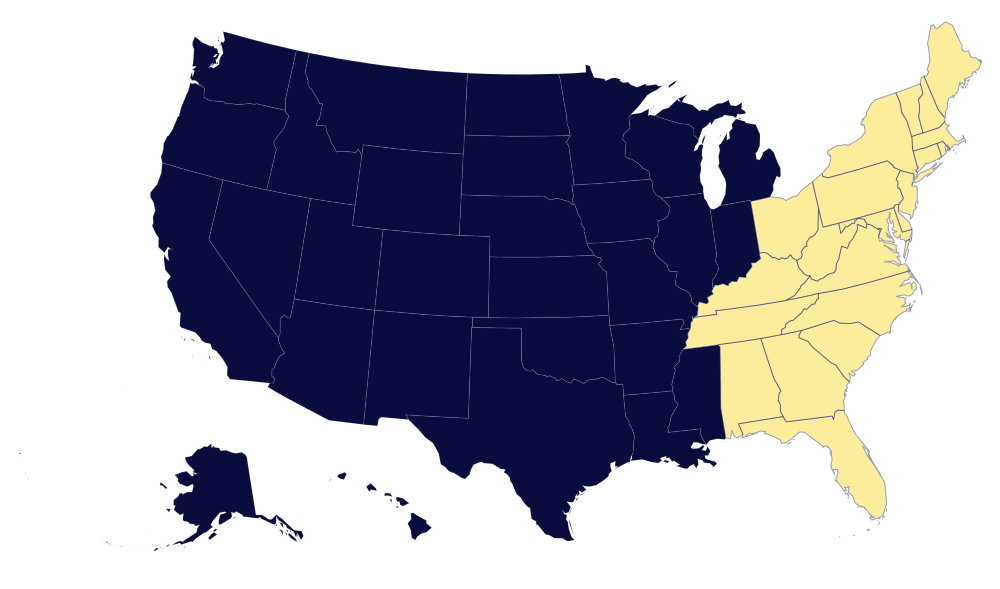
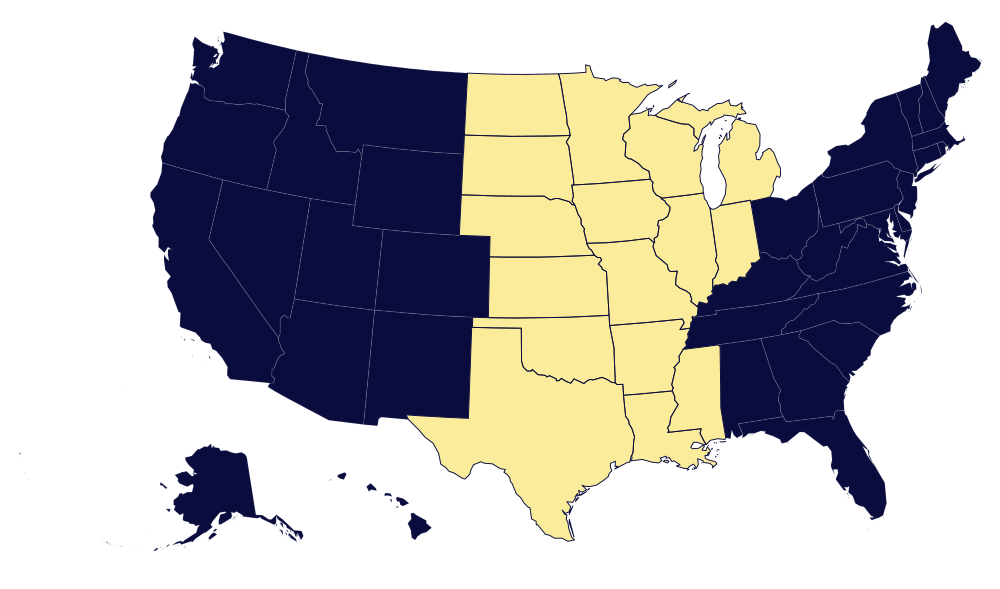
Central States
East Coast
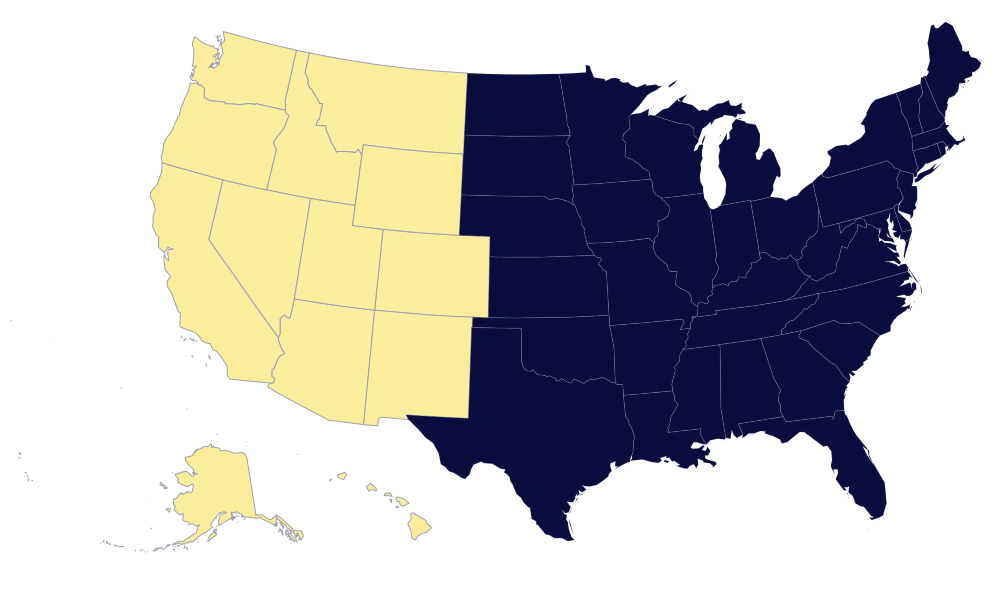
*COMING SOON
West Coast


*COMING SOON
East Coast
Central States
West Coast
AVLS Nationwide Services
CONTACT US
When your event matters, trust your audio visual labor needs to AV Labor Source.
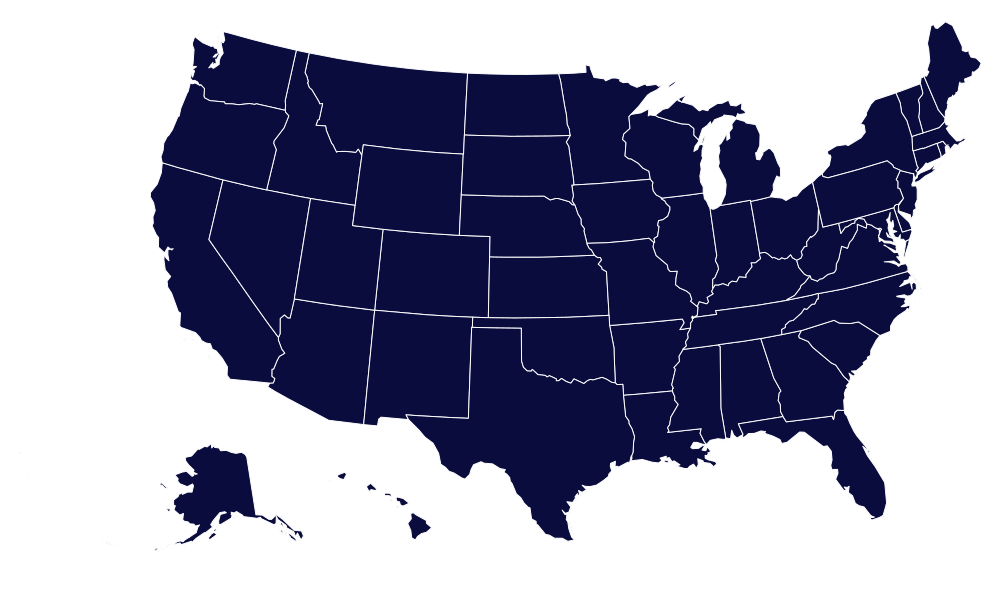
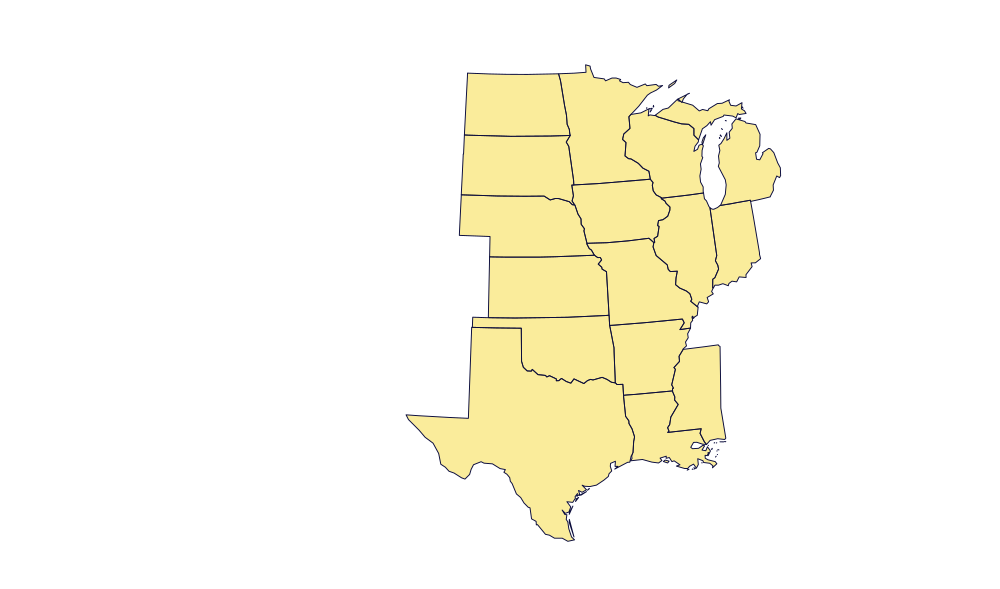
AVLS operate and has proven pool of AV technicians in major cities US Nationwide, such as Las Vegas, Los Angeles, Orlando, Dallas, San Antonio, Austin, Houston, Washington DC, Atlanta, New Orleans, Tennessee and more.
Please complete the form below and we will respond to you as soon as possible. We are available 24 hours a day to assist with your needs. We look forward to showing you what we can do toward the success of your next event.
AVLS operate and has proven pool of AV technicians in major cities US Nationwide, such as Las Vegas, Los Angeles, Orlando, Dallas, San Antonio, Austin, Houston, Washington DC, Atlanta, New Orleans, Tennessee and more.
Please complete the form below and we will respond to you as soon as possible. We are available 24 hours a day to assist with your needs. We look forward to showing you what we can do toward the success of your next event.
EVENT INFORMATION
