





Title
Quick Answer
Choose an event production company by matching its experience, proposed crew, scope, venue planning, and technical process to your event. Compare proposals on equal assumptions rather than headline price. Check testing, accessibility, safety responsibilities, backup plans, references, and commercial exclusions, then resolve unclear ownership before signing.
Key Takeaways
- Compare vendors against events with similar rooms, systems, schedules, and technical complexity.
- Normalize proposal scope before comparing price because exclusions can make a lower quote appear cheaper than a genuinely comparable proposal.
- Identify the actual project lead, department heads, key operators, and meaningful subcontractors who will work your event.
- Ask how critical systems are tested and exactly how the team will switch to a backup after a failure.
- Assign ownership for power, rigging, structures, accessibility, networking, weather, and other high-risk areas before contract.
- Treat OSHA rules, ADA requirements, ANSI/ESTA standards, AVIXA standards, venue rules, and local codes as different sources of authority.
Your event brief should cover:
- Event format and venue
- Number of rooms and simultaneous sessions
- Audience format and seating plan
- Audio requirements
- Video, LED, or projection
- Cameras and image magnification, or IMAG
- Lighting
- Staging and scenic needs
- Rigging
- Temporary power
- Streaming or hybrid production
- Venue or production networking
- Intercom and crew communications
- Accessibility needs
- Load-in and rehearsal windows
- Show schedule and strike
- Outdoor weather exposure
- Union or venue-controlled services
- Required technical documents and deliverables
For deeper planning context, see this guide to live event production readiness and system planning.
Compare Comparable Experience, Not Just Famous Client Names
Favor experience matching your event’s complexity.
Check the vendor’s role in comparable events:
- Room counts
- Session formats
- Audience size and layout
- Camera and IMAG requirements
- Streaming or broadcast demands
- Rigging or staging complexity
- Venue restrictions
- Load-in time
- Rehearsal pressure
- Outdoor exposure
- Simultaneous technical activity
Ask what went wrong and how the team responded.
Use a 100-Point Production Company Evaluation Scorecard
This 100-point buyer scorecard is not a validated predictor of event success.
Category | Buyer Question | Evidence to Request | Strong Signal | Warning Signal | Max. Points |
Comparable-event evidence | What similar events have you actually delivered, and what did you own? | Comparable case study, reference, photos, drawings, scope description | Evidence closely matches the event's rooms, systems, schedule, venue constraints, and complexity | Prestigious logos or a highlight reel with no explanation of actual scope | 15 |
Scope completeness | Exactly what is included, excluded, assumed, or supplied by others? | Detailed scope, exclusions, assumptions, responsibility list | Major labor, equipment, management, venue, rehearsal, redundancy, and strike items are explicit | Important work is buried in assumptions, exclusions, or “TBD” language | 15 |
Team and accountability | Who will plan and run the project? | Named project lead, show lead, department heads, key operators, subcontractor disclosure | Key roles are identified with a clear chain of command | Vendor will not identify decision-makers or critical onsite roles | 12 |
Venue and advance planning | How will the venue be technically advanced before load-in? | Site-survey plan, venue coordination notes, schedule, drawings where appropriate | Venue constraints, access, power, rigging, network, schedule, and controlled services are addressed early | Venue coordination is deferred until immediately before load-in | 10 |
Technical testing and verification | What will be tested before rehearsal, and how will completion be recorded? | System-test checklist, verification sheet, signal-flow documentation, backup-switch procedure | Acceptance criteria, test owner, timing, and completion record are defined | “Our technicians always test everything” with no stated method | 10 |
Redundancy and contingency | What happens when a critical system or person fails? | Backup plan, spare-system list, switchover procedure, escalation plan | Failure modes, backup paths, owners, and transfer procedures are specific | “We have backups” without explaining location, readiness, or switchover | 10 |
Safety and accessibility responsibility | Which requirements apply, and who owns them? | Responsibility matrix, venue requirements, relevant plans or documentation | Responsibilities are assigned according to scope, venue, applicable requirements, and specialists | Generic “we are compliant” language without identifying applicable requirements | 8 |
Communication and change control | How are decisions, changes, approvals, and cost impacts documented? | Communication plan, approval path, change-order process | Decision authority and commercial changes are documented before work proceeds | Informal verbal changes with no defined approval or pricing process | 8 |
References | Can comparable clients verify how the company performed? | Relevant reference contacts | References describe similar work and can explain scope, problems, recovery, and invoicing | References are inaccessible, unrelated, or cannot describe what the company actually did | 6 |
Commercial transparency | Can the buyer understand what drives the total? | Itemized proposal, assumptions, exclusions, labor terms, travel/freight, cancellation terms | Major commercial dependencies are visible before comparison | Headline total obscures substantial exclusions or undefined add-ons | 6 |
Total | 100 |
AVIXA’s AV Systems Performance Verification framework defines test scope, timing, acceptance criteria, and reporting.
Verify the Team That Will Actually Run the Show
Identify:
- Project lead
- Onsite show lead
- Department heads
- Key audio, video, lighting, playback, networking, or streaming operators
- Relevant subcontractors
- Escalation path for technical or schedule problems
U.S. Bureau of Labor Statistics 2025 occupational data lists:
About 87,600 audio/video, 24,100 broadcast, 15,000 sound engineering, and 9,900 lighting technicians.
These broader occupational counts are not live-event workforce totals.
Avoid “one technician per 50 attendees.” Staff for rooms, systems, overlapping work, specialist roles, schedules, and backup needs.
For more detail, see evaluating the technical crew behind the production.
For the separate labor role, see specialist AV labor for event production teams.
Normalize Proposals Before Comparing Price
Compare quotes using this shared scope checklist.
Scope Item | Vendor A | Vendor B | Vendor C | Excluded? | Assumption | Owner |
Project management | ||||||
Site survey / technical advance | ||||||
Drawings / technical documents | ||||||
Audio | ||||||
Video / LED / projection | ||||||
Cameras / IMAG | ||||||
Lighting | ||||||
Staging | ||||||
Rigging | ||||||
Temporary power | ||||||
Network / streaming | ||||||
Intercom / communications | ||||||
Crew roles / headcount | ||||||
Rehearsal | ||||||
Backup equipment | ||||||
Labor minimums | ||||||
Overtime rules | ||||||
Travel / freight | ||||||
Sub-rentals | ||||||
Permits / engineering | ||||||
Venue / union charges | ||||||
Accessibility systems | ||||||
Strike | ||||||
Change-order terms | ||||||
Cancellation terms |
Equipment Ownership Is Not the Same as Equipment Accountability
Owned and sub-rented equipment can both work.
Ask:
- Is the equipment owned or sub-rented?
- Who tests it before use?
- Who is responsible if it fails?
- Who provides the replacement?
- How quickly could a replacement arrive?
- Does sub-rental create a material lead-time dependency?
- Was the proposed system chosen because it suits the event, or because it was available in inventory?
Ask how each critical system switches to its backup.
Use a switchover audit:
Dependency | Failure Mode | Primary Owner | Backup | Switchover Method | Tested? | Recovery Constraint |
Presentation / playback | ||||||
Audio console / signal path | ||||||
Wireless RF | ||||||
Video switching | ||||||
LED / display system | ||||||
Power | ||||||
Streaming / network | ||||||
Intercom | ||||||
Critical operator |
A backup laptop needs current files, live connections, an operator, and a tested switch.
Backups reduce risk but cannot guarantee uptime.
Assign Responsibility Before Load-In
Assign every major dependency an owner before event day.
Responsibility | Client | Venue | Production Company | Specialist Vendor | Technical Labor Provider | AHJ / Other Authority | Unresolved |
Temporary electrical | |||||||
Rigging | |||||||
Temporary structures | |||||||
RF / wireless | |||||||
Venue network | |||||||
Stage access | |||||||
Assistive listening | |||||||
Weather monitoring | |||||||
Crowd / public-safety interface | |||||||
Emergency communications | |||||||
System backup | |||||||
Replacement personnel |
Treat “We Are Compliant” as the Start of a Conversation
U.S. rules, codes, standards, and venue policies have different legal standing.
Issue | Source | Type | Useful Buyer Question |
Worker fall hazards | OSHA | Federal workplace regulation | What rule applies to this exact work activity and location? |
Temporary electrical | OSHA + applicable electrical/AHJ requirements | Regulatory / code context | Who designs, approves, and operates temporary power? |
Accessibility | ADA / U.S. Access Board | Federal accessibility framework | Who checks applicable accessibility obligations? |
AV system verification | AVIXA | Industry / consensus standard | Which acceptance tests will be documented? |
Severe weather | Consensus standard | Who monitors conditions and makes hold/resume decisions? | |
Entertainment rigging | ESTA E1 standards | Consensus standards | Which rigging requirements apply to this venue and scope? |
Outdoor temporary structures | ANSI E1.21 + adopted local requirements | Consensus / code interaction | Is engineering, permitting, or AHJ review required? |
- OSHA general-industry fall rules often cover exposed edges at 4 ft (1.2 m), but include an entertainment-stage perimeter exception.
- Do not claim §1910.28 requires guardrails on every entertainment stage at 4 ft.
- OSHA temporary-wiring rules depend on the use.
- A 90-day allowance applies to specified uses, including Christmas lighting and carnivals, not every event.
- The ADA Standards specify assistive-listening receiver counts for covered assembly areas.
Seating Capacity | Minimum Receivers |
50 or fewer | 2 |
200 | 8 |
500 | 20 |
1,000 | 36 |
2,000 | 55 |
- At least 25% of receivers, and at least two, must be hearing-aid compatible, subject to exceptions.
- The 36-receiver figure for a covered 1,000-seat area does not apply to every venue.
- U.S. Access Board ADA standards can cover temporary stages, platforms, daises, bleachers, and exhibit areas.
- Outdoor events need more than a forecast.
- Document:
- Who monitors conditions
- What information is monitored
- Who has authority to delay, pause, evacuate, or otherwise act
- What decision criteria or thresholds are documented
- Where people should move
- How crews, presenters, and attendees are informed
- Who authorizes resumption
It is not nationwide law; use it to assign and document weather decisions.
Treat Rigging and Outdoor Structures as Specialist Work
Confirm who designs, approves, installs, inspects, and documents rigging.
ESTA standards cover powered hoists, inspections, chain-hoist use, support points, temporary structures, and fall arrest.
The ESTA rigging standards program provides additional context for specialist entertainment-rigging work.
ANSI E1.21 addresses temporary ground-supported outdoor entertainment structures.
Ask:
- Who creates the rigging or structure plan?
- What venue rules apply?
- Is engineering required?
- Is a permit required?
- Does the local authority need to review it?
- Who supplies required documentation?
- Who approves loading?
- Who owns inspection?
Reference-Check the Company for the Event You Are Actually Producing
Ask past clients:
- What part of the event did this production company actually own?
- Was your event similar in room count, format, and technical complexity?
- Did the quoted team match the team that arrived onsite?
- What changed after contract?
- How were change orders handled?
- What went wrong?
- How quickly was the problem diagnosed?
- Were backup procedures already planned?
- Did load-in and rehearsal finish as expected?
- Did the final invoice differ materially from the accepted proposal? Why?
- Would you hire the same company again for the same type of event?
Watch for Red Flags That Need Follow-Up
Red flags call for follow-up, not automatic rejection.
Watch for:
- Vague scope descriptions
- No named accountable lead
- Refusal to explain meaningful subcontracting
- References that are inaccessible or not comparable
- “We always test everything” with no stated verification method
- “We have backups” with no switchover process
- Important commercial assumptions left unstated
- Weak venue coordination
- Generic claims such as “we are fully compliant”
- The same technical recommendation regardless of venue or event requirements
- Major exclusions that distort the apparent headline price
- No clear change-order process
Before signing, document responsibilities and commitments.
Request:
- Final scope and inclusion list
- Named project lead
- Proposed department heads and key operators
- Subcontractor disclosure
- Site-survey or venue-advance plan
- Load-in, rehearsal, show, and strike schedule
- Technical drawings suited to the project
- Client- or venue-required insurance documentation
- Rigging or engineering documentation where applicable
- Temporary-power responsibility
- Accessibility responsibility
- RF responsibility
- Outdoor weather plan
- Failure and backup plan
- System-verification plan
- Change-order process
- Cancellation terms
- Force-majeure language
- Emergency contacts
If you already have a production plan, AV Labor Source offers AV technical labor and event crews—not a claim of full-service in-house production.
You can also review broader event production AV best practices for additional planning context.
Make the Final Decision on Controlled Risk
Choose the vendor with the clearest scope, crew, testing, ownership, backup plans, and pricing.
Frequently Asked QuestionsWhat should I look for in an event production company?
Choose a company with similar work, named crew leaders, clear scope, tested systems, backups, safety plans, useful references, and fair contract terms.
How do I compare event production company quotes?
Compare the same scope: crew, equipment, rehearsal, backups, rigging, power, venue costs, travel, strike, exclusions, and change terms.
Should I choose the cheapest event production company?
Not always. Compare matching scopes, excluded work, crew quality, and backup plans before choosing the lowest price.
Does an event production company need to own all its equipment?
No. Owned or rented gear can work. Check suitability, availability, tests, replacement plans, and who is accountable for failures.
What backup questions should I ask?
Ask what might fail, who responds, whether backups are ready, and how the team will test switching to them.
How do I evaluate the event production crew?
Match crew roles to systems and schedule. Check experience, references, and leadership; avoid staffing by attendee count alone.
What safety or technical standards should an event production company follow?
Check relevant OSHA rules, ADA duties, local codes, venue rules, and ANSI/ESTA or AVIXA guidance. Their legal status differs.
What should I request before signing the contract?
Request final scope, staff, schedule, insurance, drawings, power and rigging owners, access duties, backup plans, change terms, and emergency contacts.
SEO Title: How to Choose the Right Event Production Company
Meta Description: Learn how to choose the right event production company by comparing experience, scope, crew, technical readiness, backup plans, responsibilities, references, and proposals.
To pick up a draggable item, press the space bar. While dragging, use the arrow keys to move the item. Press space again to drop the item in its new position, or press escape to cancel.
To pick up a draggable item, press the space bar. While dragging, use the arrow keys to move the item. Press space again to drop the item in its new position, or press escape to cancel.
CONTACT US
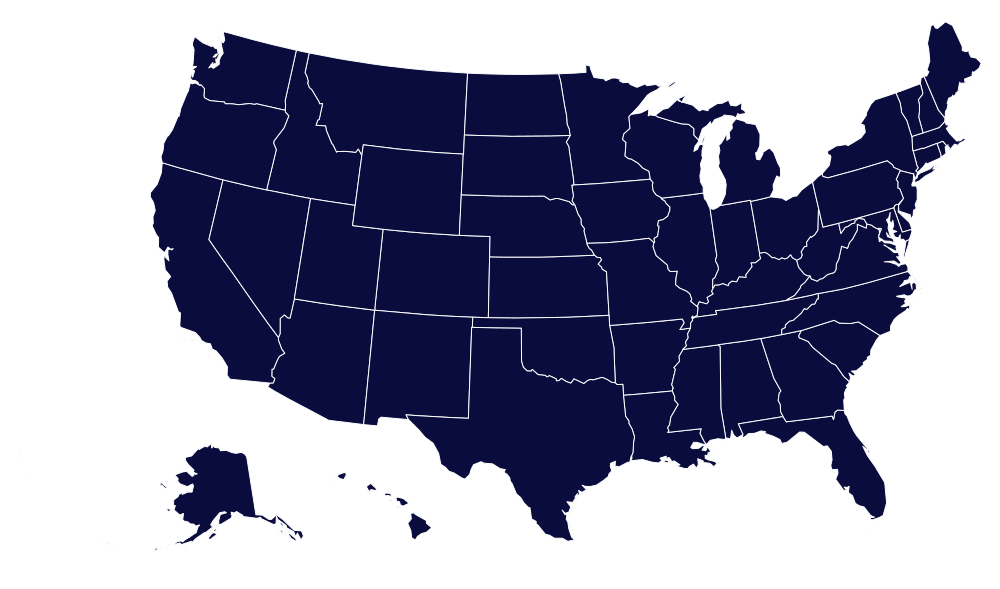
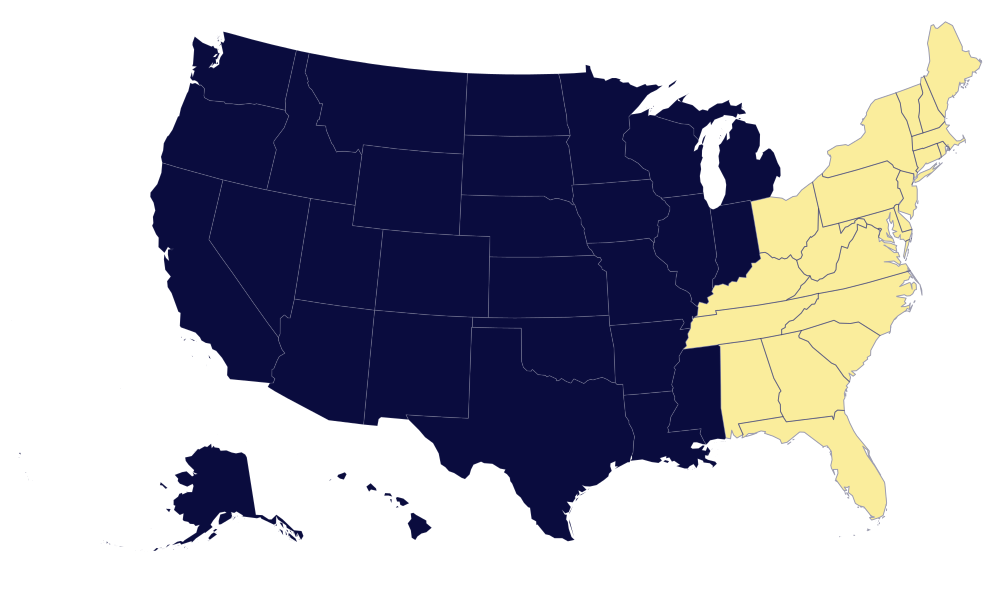
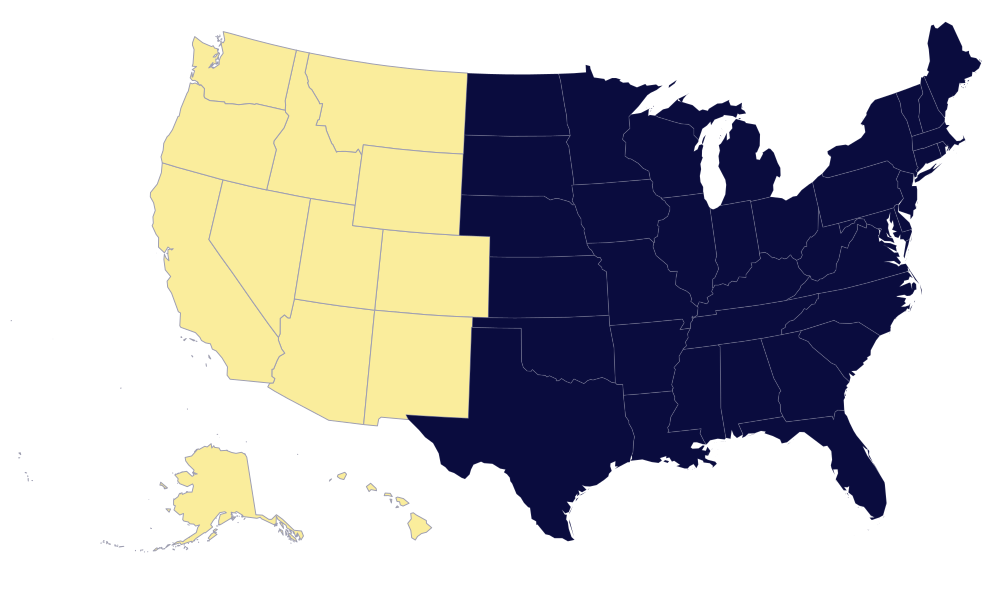
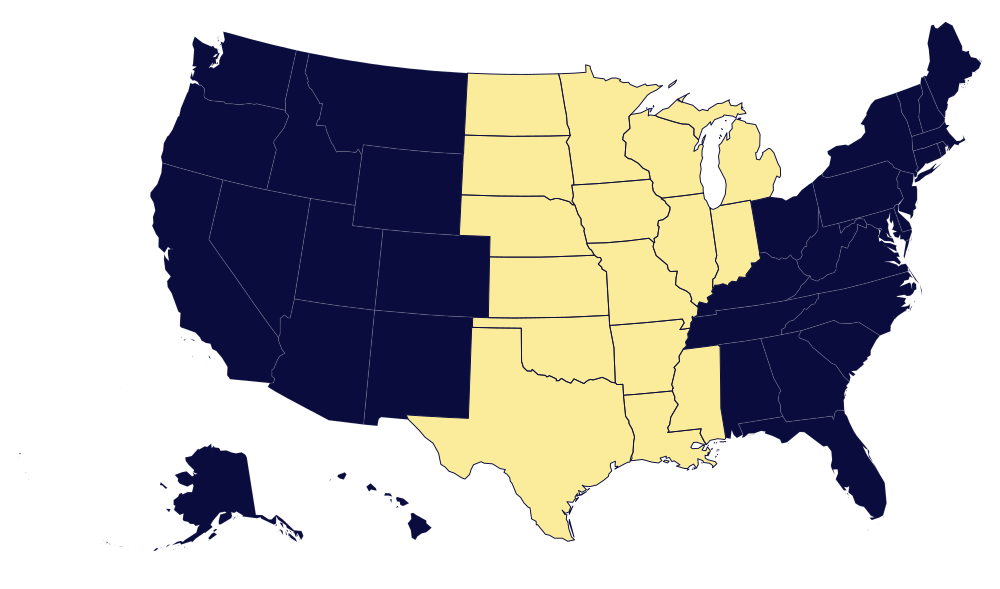
AVLS operate and has proven pool of AV technicians in major cities US Nationwide, such as Las Vegas, Los Angeles, Orlando, Dallas, San Antonio, Austin, Houston, Washington DC, Atlanta, New Orleans, Tennessee and more.
Please complete the form below and we will respond to you as soon as possible. We are available 24 hours a day to assist with your needs. We look forward to showing you what we can do toward the success of your next event.
EVENT INFORMATION
