





July 20, 2026
Corporate Stage Lighting Ideas for Professional Events
Quick Answer
Corporate stage lighting transforms professional events by creating visual impact, directing audience attention, and reinforcing brand messaging through strategic illumination. The right lighting setup combines ambient, accent, and task lighting to enhance presentations, support cameras for hybrid events, and create memorable experiences that align with corporate objectives.
Key Takeaways
What Is Corporate Stage Lighting and Why Does It Matter for Events
Corporate stage lighting is the strategic use of illumination to enhance presentations, speakers, and branded elements at business events. Professional lighting creates visual hierarchy, supports camera work for recordings or live streams, and reinforces corporate messaging through color and design.
Effective lighting directly impacts audience engagement and message retention. Poor lighting can make speakers appear unprofessional, create distracting shadows, or wash out presentation screens. Quality lighting systems also enable seamless integration with event production services and AV equipment.
Key benefits include:
The investment in professional lighting pays dividends through improved event outcomes and stronger brand perception among attendees and stakeholders.
How to Choose the Right Lighting for Corporate Events
Selecting appropriate lighting starts with defining your event's primary objectives and technical requirements. Conference presentations need different lighting than product launches or award ceremonies, and the venue's existing infrastructure significantly impacts equipment choices.
Essential selection criteria:
Common lighting categories:
Work with experienced AV technicians who can assess your venue and recommend appropriate fixtures based on your specific requirements and constraints.
LED vs Traditional Stage Lighting for Corporate Events
LED lighting systems have become the standard for corporate events due to their versatility, energy efficiency, and reduced operational costs. Traditional tungsten and halogen fixtures still have specific applications but are increasingly replaced by LED alternatives.
LED advantages:
Traditional lighting considerations:
For most corporate events in 2026, LED systems provide superior flexibility and cost-effectiveness. The initial investment pays back through reduced power consumption, longer fixture life, and enhanced creative possibilities for brand integration.
Professional Stage Lighting Costs and Budget Planning
Corporate stage lighting costs vary significantly based on event scale, duration, and complexity. Understanding pricing structures helps in accurate budget planning and vendor selection for your professional events.
Typical rental cost ranges:
Cost factors that impact pricing:
Budget optimization strategies:
Factor lighting into your total event budget early in the planning process, typically allocating 15-25% of your AV budget to lighting systems and technical support.
Best Corporate Stage Lighting Ideas for Product Launches and Presentations
Product launches and corporate presentations require lighting that enhances the featured products while maintaining speaker visibility and brand consistency. The lighting design should create excitement and focus without overwhelming the core message.
Product launch lighting strategies:
Presentation-focused lighting:
Creative elements for corporate events:
The key is balancing visual impact with functionality, ensuring the lighting enhances rather than distracts from your core business objectives and messaging.
DIY vs Professional Lighting: When to Hire Experts
Simple corporate meetings can often use basic lighting setups, but most professional events benefit significantly from expert lighting design and skilled AV technicians. Understanding when to invest in professional services prevents costly mistakes and ensures event success.
DIY lighting works for:
Professional lighting is essential for:
Professional services include:
The cost of professional lighting services typically represents 5-15% of your total event budget but can significantly impact the perceived value and success of your corporate event.
Common Corporate Event Lighting Mistakes to Avoid
Corporate event lighting mistakes can undermine professional credibility and negatively impact attendee experience. Understanding common pitfalls helps ensure your lighting enhances rather than detracts from your event objectives.
Critical mistakes and solutions:
Technical mistakes to prevent:
Planning oversights:
Work with experienced event production teams to identify potential issues early and develop contingency plans for critical lighting elements.
Corporate Stage Lighting Ideas for Different Event Sizes
Event scale significantly impacts lighting design approaches, equipment selection, and budget requirements. Tailoring your lighting strategy to match event size ensures appropriate visual impact while maintaining cost efficiency.
Small corporate events (50-200 people):
Medium events (200-500 people):
Large corporate events (500+ people):
Scalability considerations:
The key is matching lighting complexity to event importance and audience expectations while maintaining professional standards appropriate for your corporate brand.
Lighting Solutions for Hybrid and Virtual Corporate Events
Hybrid and virtual corporate events require specialized lighting that optimizes both in-person and camera experiences. Traditional event lighting often doesn't translate well to video, requiring specific techniques and equipment for professional broadcast quality.
Camera-optimized lighting requirements:
Hybrid event lighting strategies:
Technical considerations:
Virtual events require even more precise lighting control since the camera becomes the primary audience. Investment in proper lighting significantly improves production value and participant engagement for remote attendees.
Best Lighting Setups for Corporate Galas and Award Ceremonies
Corporate galas and award ceremonies demand sophisticated lighting that creates elegance and excitement while maintaining the professional standards expected at high-level business events. These occasions justify more elaborate lighting investments due to their importance and visibility.
Gala lighting elements:
Award ceremony specific needs:
Elegant corporate atmosphere:
These high-profile events often serve multiple stakeholder groups and may receive media coverage, making professional lighting design essential for maintaining corporate reputation and creating memorable experiences.
Coordinating Stage Lighting with Corporate Branding and Colors
Brand integration through lighting reinforces corporate identity and creates cohesive visual experiences that strengthen brand recognition and professional credibility. Strategic color use and branded elements should complement rather than compete with your core messaging.
Brand color implementation:
Branded lighting elements:
Integration strategies:
Technical execution:
Effective brand integration through lighting creates subliminal reinforcement of corporate identity while maintaining the professional atmosphere essential for business events.
Essential Stage Lighting Equipment Checklist for Corporate Events
Comprehensive equipment planning ensures your corporate event lighting meets professional standards while avoiding costly oversights or last-minute additions. This checklist covers essential fixtures, control systems, and support equipment for successful corporate lighting.
Core lighting fixtures:
Control and power systems:
Support equipment:
Safety and compliance items:
Professional services:
This equipment foundation supports most corporate event lighting needs while ensuring safety and professional operation standards.
Timeline: How Far in Advance to Plan Corporate Event Lighting
Strategic timing for corporate event lighting planning ensures equipment availability, proper venue coordination, and cost-effective solutions. Early planning also allows for design refinement and contingency preparation.
8-12 weeks before event:
4-6 weeks before event:
1-2 weeks before event:
Day of event:
Common timing mistakes:
Early planning enables better equipment selection, cost optimization, and technical preparation for successful corporate event lighting.
Cost-Effective Alternatives to Expensive Corporate Stage Lighting
Budget-conscious corporate events can achieve professional lighting results through strategic equipment choices, creative design approaches, and efficient resource allocation without compromising visual impact or brand standards.
Budget-friendly equipment options:
Creative cost-reduction strategies:
DIY elements that work:
Professional hybrid approaches:
When not to compromise:
Smart budget allocation focuses investment on elements that most directly impact event success and attendee experience while finding creative solutions for supplementary lighting needs.
Frequently Asked Questions
What's the minimum lighting setup needed for a corporate presentation?
A basic corporate presentation requires front lighting for speaker visibility, minimal background lighting to prevent shadows, and consideration for projection screen placement. Budget $1,500-$3,000 for professional results with LED panels and basic uplighting.
How do I ensure corporate event lighting works well with cameras?
Use flicker-free LED fixtures, maintain even illumination without hot spots, keep color temperature consistent across all sources, and test camera compatibility during setup. Professional camera lighting typically requires 50-100 foot-candles of even illumination.
Can I use the same lighting setup for different corporate event types?
Basic lighting packages can adapt to multiple event types through programming changes and fixture repositioning. However, specialized events like product launches or galas may require additional equipment for optimal results.
What's the difference between uplighting and downlighting for corporate events?
Uplighting projects light upward onto walls and ceilings for ambient color and atmosphere. Downlighting illuminates from above for functional visibility and presentation support. Most corporate events benefit from combining both approaches.
How much power do professional stage lights require?
LED lighting systems typically use 50-200 watts per fixture, while traditional lights may require 500-1000 watts each. A medium corporate event usually needs 20-40 amps of dedicated power for lighting systems.
Should corporate event lighting match our brand colors exactly?
Lighting should complement brand colors while considering venue conditions and camera requirements. Exact color matching isn't always necessary - focus on creating the right atmosphere while maintaining brand recognition.
What happens if lighting equipment fails during our corporate event?
Professional lighting services include backup equipment and technical support. Critical fixtures should have backup units available, and experienced operators can quickly address technical issues without disrupting the event flow.
How do I coordinate lighting with other AV equipment at corporate events?
Work with integrated AV production teams who can coordinate lighting with sound, video, and presentation systems. Proper planning ensures all elements work together seamlessly.
Is wireless lighting control reliable for important corporate events?
Modern wireless DMX systems are highly reliable but should include wired backup options for critical applications. Professional operators monitor signal strength and have contingency plans for wireless interference.
What lighting works best for corporate networking areas?
Networking spaces benefit from warm, inviting ambient lighting at conversation-friendly levels. Use uplighting in brand colors, avoid harsh shadows, and ensure adequate illumination for business card exchange and face-to-face interaction.
How do I choose between LED and traditional lighting for my corporate event?
LED lighting offers superior flexibility, energy efficiency, and color options for most corporate events. Choose LED unless you have specific requirements that traditional lighting serves better, such as very warm color temperatures or budget constraints.
What's the typical setup time for corporate event lighting?
Professional lighting setup typically requires 2-6 hours depending on complexity, plus additional time for programming and testing. Factor setup time into your venue rental and overall event timeline planning.
Need Professional Corporate Event Lighting Support?
Planning corporate stage lighting requires expertise in equipment selection, venue assessment, and technical execution. Whether you need skilled AV technicians for lighting operation, complete event production support, or specialized crew for complex installations, professional assistance ensures your corporate events meet the highest standards.
Contact AV Labor Source for expert corporate event lighting staffing, technical support, and production services that enhance your professional events and reinforce your brand standards.
Get professional corporate event lighting support
Corporate stage lighting transforms professional events by creating visual impact, directing audience attention, and reinforcing brand messaging through strategic illumination. The right lighting setup combines ambient, accent, and task lighting to enhance presentations, support cameras for hybrid events, and create memorable experiences that align with corporate objectives.
Key Takeaways
- LED lighting systems offer energy efficiency, color customization, and reduced heat output compared to traditional tungsten fixtures
- Professional lighting costs range from $2,000-$15,000+ for rental depending on event size and complexity
- Advance planning of 4-8 weeks ensures proper equipment availability and technical coordination
- Hybrid events require specialized lighting that works for both in-person audiences and camera systems
- Brand integration through colored lighting and gobos reinforces corporate messaging and visual identity
- Professional technicians are essential for complex setups, safety compliance, and real-time adjustments
- Venue assessment determines power requirements, rigging points, and lighting placement limitations
- Backup systems prevent event disruption and maintain professional standards throughout the program
What Is Corporate Stage Lighting and Why Does It Matter for Events
Corporate stage lighting is the strategic use of illumination to enhance presentations, speakers, and branded elements at business events. Professional lighting creates visual hierarchy, supports camera work for recordings or live streams, and reinforces corporate messaging through color and design.
Effective lighting directly impacts audience engagement and message retention. Poor lighting can make speakers appear unprofessional, create distracting shadows, or wash out presentation screens. Quality lighting systems also enable seamless integration with event production services and AV equipment.
Key benefits include:
- Enhanced speaker visibility and credibility
- Improved camera quality for hybrid events
- Brand reinforcement through strategic color use
- Professional atmosphere that reflects company standards
- Better audience focus and engagement
The investment in professional lighting pays dividends through improved event outcomes and stronger brand perception among attendees and stakeholders.
How to Choose the Right Lighting for Corporate Events
Selecting appropriate lighting starts with defining your event's primary objectives and technical requirements. Conference presentations need different lighting than product launches or award ceremonies, and the venue's existing infrastructure significantly impacts equipment choices.
Essential selection criteria:
- Event type and format (presentation-focused vs. entertainment-style)
- Venue size and ceiling height (determines fixture types and placement)
- Camera requirements for recording or live streaming
- Brand color integration needs
- Budget constraints and rental vs. purchase decisions
- Power availability and electrical infrastructure
Common lighting categories:
- Front lighting for speaker illumination and visibility
- Back lighting for depth and separation from backgrounds
- Accent lighting for branding, decor, and architectural features
- Ambient lighting for general room illumination and transitions
Work with experienced AV technicians who can assess your venue and recommend appropriate fixtures based on your specific requirements and constraints.
LED vs Traditional Stage Lighting for Corporate Events
LED lighting systems have become the standard for corporate events due to their versatility, energy efficiency, and reduced operational costs. Traditional tungsten and halogen fixtures still have specific applications but are increasingly replaced by LED alternatives.
LED advantages:
- Color flexibility with instant changes and millions of color options
- Low heat output reducing venue cooling costs and attendee comfort issues
- Energy efficiency cutting power consumption by 70-80%
- Longer lifespan with 25,000+ hour ratings
- Dimming capabilities without color temperature shifts
- Compact form factors enabling creative placement options
Traditional lighting considerations:
- Lower upfront costs for basic tungsten fixtures
- Familiar operation for older technical staff
- Specific color rendering preferred for certain applications
- Heat generation can be beneficial in cold venues
For most corporate events in 2026, LED systems provide superior flexibility and cost-effectiveness. The initial investment pays back through reduced power consumption, longer fixture life, and enhanced creative possibilities for brand integration.
Professional Stage Lighting Costs and Budget Planning
Corporate stage lighting costs vary significantly based on event scale, duration, and complexity. Understanding pricing structures helps in accurate budget planning and vendor selection for your professional events.
Typical rental cost ranges:
- Small conferences (50-200 people): $2,000-$5,000
- Medium corporate events (200-500 people): $5,000-$10,000
- Large conferences/galas (500+ people): $10,000-$25,000+
- Multi-day conventions: $15,000-$50,000+
Cost factors that impact pricing:
- Equipment quantity and fixture sophistication
- Labor requirements for setup, operation, and teardown
- Venue complexity and rigging requirements
- Duration of rental period
- Transportation and logistics costs
- Additional services like programming and design
Budget optimization strategies:
- Book lighting services 6-8 weeks in advance for better rates
- Consider package deals that include AV equipment and technology
- Evaluate rental vs. purchase for companies with frequent events
- Work with local providers to reduce transportation costs
Factor lighting into your total event budget early in the planning process, typically allocating 15-25% of your AV budget to lighting systems and technical support.
Best Corporate Stage Lighting Ideas for Product Launches and Presentations
Product launches and corporate presentations require lighting that enhances the featured products while maintaining speaker visibility and brand consistency. The lighting design should create excitement and focus without overwhelming the core message.
Product launch lighting strategies:
- Dramatic reveal lighting using blackouts and spotlights for product unveiling
- Color-changing backgrounds that transition with presentation flow
- Accent lighting on product display areas and demonstration zones
- Brand color integration throughout the lighting design
- Dynamic effects for key moments and transitions
Presentation-focused lighting:
- Even front lighting for consistent speaker illumination
- Reduced screen wash to maintain projection visibility
- Subtle background lighting that doesn't compete with content
- Podium or stage edge lighting for speaker safety and visibility
Creative elements for corporate events:
- Gobo projections with company logos or branded patterns
- Uplighting on walls and architectural features in brand colors
- Moving lights for dynamic transitions and energy
- LED strips for modern, tech-forward aesthetic
The key is balancing visual impact with functionality, ensuring the lighting enhances rather than distracts from your core business objectives and messaging.
DIY vs Professional Lighting: When to Hire Experts
Simple corporate meetings can often use basic lighting setups, but most professional events benefit significantly from expert lighting design and skilled AV technicians. Understanding when to invest in professional services prevents costly mistakes and ensures event success.
DIY lighting works for:
- Small meetings under 50 people
- Simple presentations without camera requirements
- Venues with excellent existing lighting
- Limited budgets with basic illumination needs
- Internal company meetings with minimal production value requirements
Professional lighting is essential for:
- Client-facing events and external stakeholder meetings
- Hybrid events requiring camera-optimized lighting
- Product launches and high-stakes presentations
- Award ceremonies and formal corporate galas
- Multi-day conferences with complex programming
- Events requiring brand color integration
Professional services include:
- Lighting design and pre-event planning
- Equipment selection and technical specifications
- Setup and programming of complex lighting systems
- Real-time operation and adjustments during events
- Troubleshooting and backup system management
The cost of professional lighting services typically represents 5-15% of your total event budget but can significantly impact the perceived value and success of your corporate event.
Common Corporate Event Lighting Mistakes to Avoid
Corporate event lighting mistakes can undermine professional credibility and negatively impact attendee experience. Understanding common pitfalls helps ensure your lighting enhances rather than detracts from your event objectives.
Critical mistakes and solutions:
- Insufficient speaker lighting creating shadows on faces - use proper front lighting at 45-degree angles
- Screen wash from lighting making presentations hard to read - position lights to avoid projection surfaces
- Overly dramatic lighting inappropriate for business settings - maintain professional atmosphere while adding visual interest
- Ignoring camera requirements for recordings or live streams - ensure even, flicker-free lighting for video systems
- Poor color choices that clash with branding - coordinate lighting colors with corporate identity guidelines
Technical mistakes to prevent:
- Inadequate power planning causing circuit overloads during events
- Missing backup systems leaving events vulnerable to equipment failures
- Improper fixture positioning creating safety hazards or sightline obstructions
- Insufficient advance testing leading to technical issues during live events
Planning oversights:
- Late booking resulting in limited equipment availability or higher costs
- Venue restrictions not identified during initial planning phases
- Load-in timing conflicts with other event setup activities
Work with experienced event production teams to identify potential issues early and develop contingency plans for critical lighting elements.
Corporate Stage Lighting Ideas for Different Event Sizes
Event scale significantly impacts lighting design approaches, equipment selection, and budget requirements. Tailoring your lighting strategy to match event size ensures appropriate visual impact while maintaining cost efficiency.
Small corporate events (50-200 people):
- Basic front lighting with LED par cans or panel lights
- Simple uplighting in brand colors for ambiance
- Podium lighting for speaker visibility
- Minimal moving elements to control costs
- Focus on functionality over elaborate effects
Medium events (200-500 people):
- Multi-zone lighting for different presentation areas
- Color-changing systems for brand integration and transitions
- Stage wash lighting for even coverage across larger areas
- Accent lighting for registration, networking, and display areas
- Basic moving lights for dynamic elements
Large corporate events (500+ people):
- Comprehensive lighting design with multiple fixture types
- Advanced control systems for complex programming
- Audience lighting for interaction and engagement
- Architectural integration with venue features
- Backup systems for critical lighting elements
- Professional operators for real-time adjustments
Scalability considerations:
- Design systems that can expand for future events
- Choose equipment that works across different venue sizes
- Plan for modular setups that adapt to various configurations
The key is matching lighting complexity to event importance and audience expectations while maintaining professional standards appropriate for your corporate brand.
Lighting Solutions for Hybrid and Virtual Corporate Events
Hybrid and virtual corporate events require specialized lighting that optimizes both in-person and camera experiences. Traditional event lighting often doesn't translate well to video, requiring specific techniques and equipment for professional broadcast quality.
Camera-optimized lighting requirements:
- Even illumination without hot spots or deep shadows
- Flicker-free fixtures compatible with camera frame rates
- Color temperature consistency across all light sources
- Reduced contrast ratios for better camera exposure
- Background separation to prevent speaker blending
Hybrid event lighting strategies:
- Dual-purpose fixtures that serve both audience and camera needs
- Adjustable intensity for different presentation segments
- Virtual background compatibility with proper green screen lighting
- Multi-camera support with lighting for various angles
- Real-time adjustment capabilities for changing conditions
Technical considerations:
- LED fixtures with high CRI ratings for accurate color reproduction
- Softbox or diffusion systems for even light distribution
- Key, fill, and back lighting setup for professional video appearance
- Monitor integration so remote participants appear naturally lit
Virtual events require even more precise lighting control since the camera becomes the primary audience. Investment in proper lighting significantly improves production value and participant engagement for remote attendees.
Best Lighting Setups for Corporate Galas and Award Ceremonies
Corporate galas and award ceremonies demand sophisticated lighting that creates elegance and excitement while maintaining the professional standards expected at high-level business events. These occasions justify more elaborate lighting investments due to their importance and visibility.
Gala lighting elements:
- Dramatic entrance lighting for VIP arrivals and red carpet areas
- Table uplighting in brand colors for dining areas
- Stage lighting with multiple zones for presentations and entertainment
- Award moment spotlights for recognition ceremonies
- Dance floor lighting for post-dinner entertainment
- Architectural accenting of venue features
Award ceremony specific needs:
- Winner spotlight systems for dramatic reveals
- Podium lighting optimized for photography and video
- Audience lighting for reaction shots and engagement
- Backdrop illumination featuring corporate branding
- Transition lighting between award categories
Elegant corporate atmosphere:
- Warm color temperatures (2700K-3200K) for sophistication
- Subtle color changes that enhance without overwhelming
- Gobo projections with corporate logos or elegant patterns
- Pin spot lighting for centerpieces and decor elements
These high-profile events often serve multiple stakeholder groups and may receive media coverage, making professional lighting design essential for maintaining corporate reputation and creating memorable experiences.
Coordinating Stage Lighting with Corporate Branding and Colors
Brand integration through lighting reinforces corporate identity and creates cohesive visual experiences that strengthen brand recognition and professional credibility. Strategic color use and branded elements should complement rather than compete with your core messaging.
Brand color implementation:
- Primary brand colors for main lighting elements and backgrounds
- Secondary colors for accent lighting and transitions
- Color temperature selection that complements brand personality
- Consistent application across all lighting zones
- Photography considerations ensuring colors appear accurate in photos
Branded lighting elements:
- Logo projections using gobos on walls, screens, or floors
- Corporate pattern integration through textured lighting effects
- Brand-appropriate intensity levels matching company personality
- Coordinated timing with presentation content and branding moments
Integration strategies:
- Venue architecture enhanced with brand-colored uplighting
- Registration areas featuring welcoming brand-colored lighting
- Networking spaces with subtle brand color accents
- Stage backgrounds that reinforce visual identity without overwhelming speakers
Technical execution:
- Color accuracy through high-quality LED fixtures with excellent color rendering
- Consistent output across all fixtures for uniform brand representation
- Dimming capabilities to adjust intensity while maintaining color integrity
- Programming coordination with other AV elements for seamless integration
Effective brand integration through lighting creates subliminal reinforcement of corporate identity while maintaining the professional atmosphere essential for business events.
Essential Stage Lighting Equipment Checklist for Corporate Events
Comprehensive equipment planning ensures your corporate event lighting meets professional standards while avoiding costly oversights or last-minute additions. This checklist covers essential fixtures, control systems, and support equipment for successful corporate lighting.
Core lighting fixtures:
- LED par cans for general wash and color lighting
- Moving head spotlights for dynamic effects and speaker following
- Panel lights for even front lighting and camera work
- Uplights for wall washing and ambient color
- Pin spots for podium and accent lighting
- Strip lights for stage edge and architectural accenting
Control and power systems:
- DMX lighting console for programming and real-time control
- DMX cables and splitters for signal distribution
- Power distribution with appropriate circuit protection
- Extension cables and power adapters
- Wireless DMX systems for complex venue layouts
Support equipment:
- Lighting stands and clamps for fixture positioning
- Safety cables and rigging hardware
- Diffusion and color filters for light modification
- Gaffer tape and cable management supplies
- Backup fixtures for critical lighting positions
Safety and compliance items:
- Circuit testing equipment for electrical safety
- Fire-rated cables meeting venue requirements
- Proper grounding equipment for electrical safety
- Emergency lighting backup systems
Professional services:
- Lighting designer for complex events
- Technical operators for setup and real-time control
- Safety inspectors for rigging and electrical compliance
This equipment foundation supports most corporate event lighting needs while ensuring safety and professional operation standards.
Timeline: How Far in Advance to Plan Corporate Event Lighting
Strategic timing for corporate event lighting planning ensures equipment availability, proper venue coordination, and cost-effective solutions. Early planning also allows for design refinement and contingency preparation.
8-12 weeks before event:
- Initial lighting consultation and needs assessment
- Venue site survey for power, rigging, and access evaluation
- Budget approval and vendor selection
- Equipment reservation for popular dates and locations
- Design concept development and stakeholder review
4-6 weeks before event:
- Final lighting design approval and technical specifications
- Venue coordination for load-in schedules and restrictions
- Power and rigging permits if required by venue
- Backup equipment planning and availability confirmation
- Integration planning with other AV crew members
1-2 weeks before event:
- Final headcount confirmation affecting lighting zones
- Weather contingency planning for outdoor elements
- Technical rehearsal scheduling and equipment testing
- Operator briefing and show programming
- Emergency contact coordination and backup plans
Day of event:
- Early load-in and equipment setup
- System testing and programming verification
- Lighting rehearsal with speakers and presenters
- Final adjustments based on actual conditions
- Real-time operation and technical support
Common timing mistakes:
- Last-minute booking resulting in limited equipment options or premium pricing
- Insufficient venue coordination causing setup delays or restrictions
- Rushed programming leading to technical issues during live events
Early planning enables better equipment selection, cost optimization, and technical preparation for successful corporate event lighting.
Cost-Effective Alternatives to Expensive Corporate Stage Lighting
Budget-conscious corporate events can achieve professional lighting results through strategic equipment choices, creative design approaches, and efficient resource allocation without compromising visual impact or brand standards.
Budget-friendly equipment options:
- Basic LED uplights instead of complex moving fixtures
- Static color mixing rather than dynamic programming
- Rental packages combining lighting with other AV equipment
- Local vendor partnerships reducing transportation costs
- Multi-event rentals for companies with frequent events
Creative cost-reduction strategies:
- Venue selection with excellent existing lighting infrastructure
- Daytime events reducing artificial lighting requirements
- Focused lighting zones rather than comprehensive coverage
- Brand color coordination with existing venue lighting
- Simple but effective fixture positioning and programming
DIY elements that work:
- Battery-powered uplights for simple color washing
- String lights and LED strips for ambient lighting
- Projection mapping using existing projectors for branded backgrounds
- Natural light optimization through window treatments and timing
Professional hybrid approaches:
- Core professional elements with DIY supplementation
- Consultation services for design guidance with client execution
- Equipment rental with simplified operator training
- Phased implementation starting with essential elements
When not to compromise:
- Client-facing events requiring full professional presentation
- Camera work needing precise lighting control
- Safety-critical applications requiring proper electrical and rigging standards
- Brand reputation events where lighting quality reflects corporate standards
Smart budget allocation focuses investment on elements that most directly impact event success and attendee experience while finding creative solutions for supplementary lighting needs.
Frequently Asked Questions
What's the minimum lighting setup needed for a corporate presentation?
A basic corporate presentation requires front lighting for speaker visibility, minimal background lighting to prevent shadows, and consideration for projection screen placement. Budget $1,500-$3,000 for professional results with LED panels and basic uplighting.
How do I ensure corporate event lighting works well with cameras?
Use flicker-free LED fixtures, maintain even illumination without hot spots, keep color temperature consistent across all sources, and test camera compatibility during setup. Professional camera lighting typically requires 50-100 foot-candles of even illumination.
Can I use the same lighting setup for different corporate event types?
Basic lighting packages can adapt to multiple event types through programming changes and fixture repositioning. However, specialized events like product launches or galas may require additional equipment for optimal results.
What's the difference between uplighting and downlighting for corporate events?
Uplighting projects light upward onto walls and ceilings for ambient color and atmosphere. Downlighting illuminates from above for functional visibility and presentation support. Most corporate events benefit from combining both approaches.
How much power do professional stage lights require?
LED lighting systems typically use 50-200 watts per fixture, while traditional lights may require 500-1000 watts each. A medium corporate event usually needs 20-40 amps of dedicated power for lighting systems.
Should corporate event lighting match our brand colors exactly?
Lighting should complement brand colors while considering venue conditions and camera requirements. Exact color matching isn't always necessary - focus on creating the right atmosphere while maintaining brand recognition.
What happens if lighting equipment fails during our corporate event?
Professional lighting services include backup equipment and technical support. Critical fixtures should have backup units available, and experienced operators can quickly address technical issues without disrupting the event flow.
How do I coordinate lighting with other AV equipment at corporate events?
Work with integrated AV production teams who can coordinate lighting with sound, video, and presentation systems. Proper planning ensures all elements work together seamlessly.
Is wireless lighting control reliable for important corporate events?
Modern wireless DMX systems are highly reliable but should include wired backup options for critical applications. Professional operators monitor signal strength and have contingency plans for wireless interference.
What lighting works best for corporate networking areas?
Networking spaces benefit from warm, inviting ambient lighting at conversation-friendly levels. Use uplighting in brand colors, avoid harsh shadows, and ensure adequate illumination for business card exchange and face-to-face interaction.
How do I choose between LED and traditional lighting for my corporate event?
LED lighting offers superior flexibility, energy efficiency, and color options for most corporate events. Choose LED unless you have specific requirements that traditional lighting serves better, such as very warm color temperatures or budget constraints.
What's the typical setup time for corporate event lighting?
Professional lighting setup typically requires 2-6 hours depending on complexity, plus additional time for programming and testing. Factor setup time into your venue rental and overall event timeline planning.
Need Professional Corporate Event Lighting Support?
Planning corporate stage lighting requires expertise in equipment selection, venue assessment, and technical execution. Whether you need skilled AV technicians for lighting operation, complete event production support, or specialized crew for complex installations, professional assistance ensures your corporate events meet the highest standards.
Contact AV Labor Source for expert corporate event lighting staffing, technical support, and production services that enhance your professional events and reinforce your brand standards.
Get professional corporate event lighting support
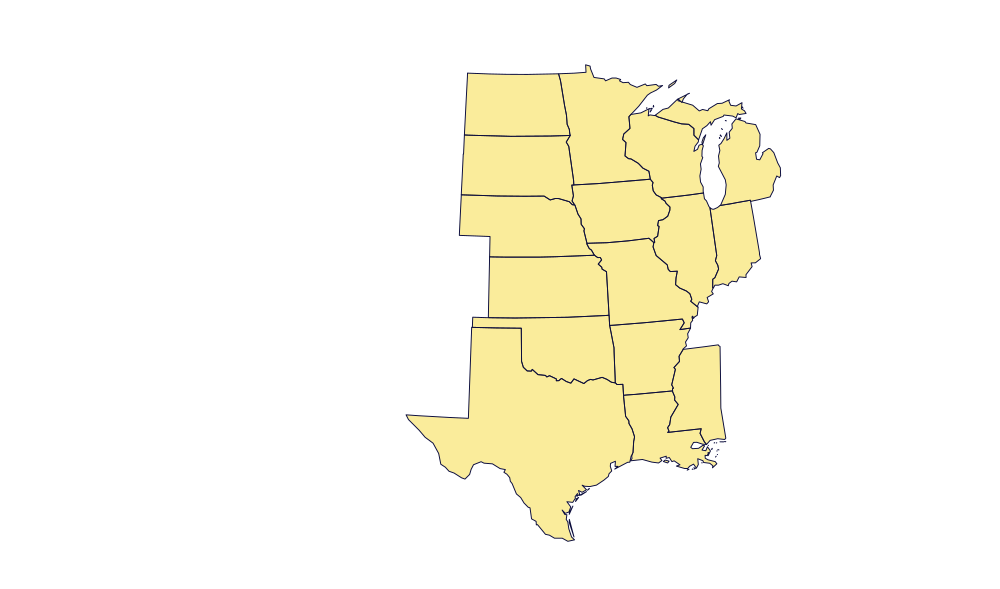
AVLS Nationwide Services
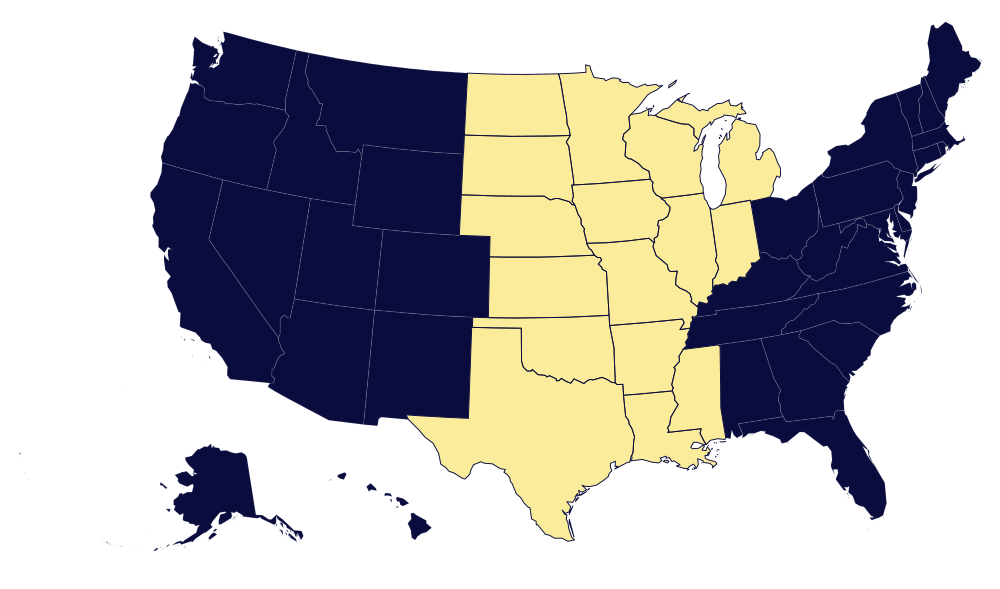
Central States
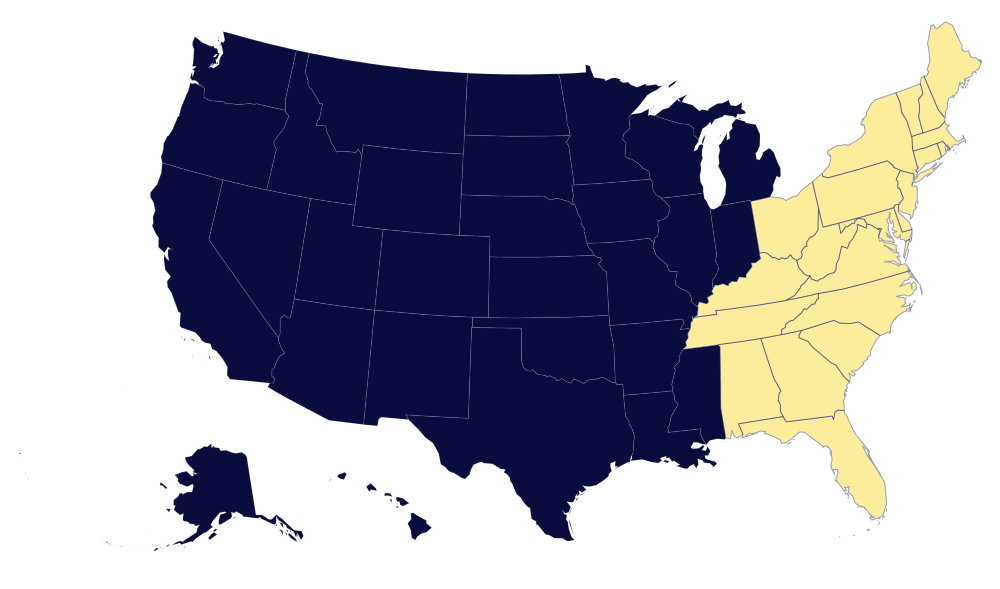
East Coast
*COMING SOON
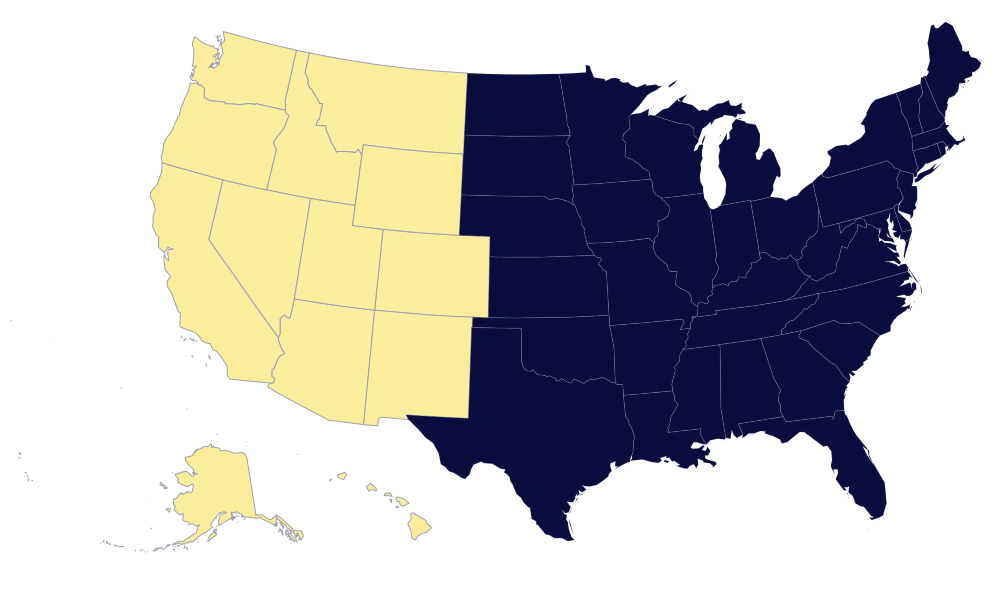
West Coast


*COMING SOON
East Coast
Central States
West Coast
AVLS Nationwide Services
CONTACT US
When your event matters, trust your audio visual labor needs to AV Labor Source.
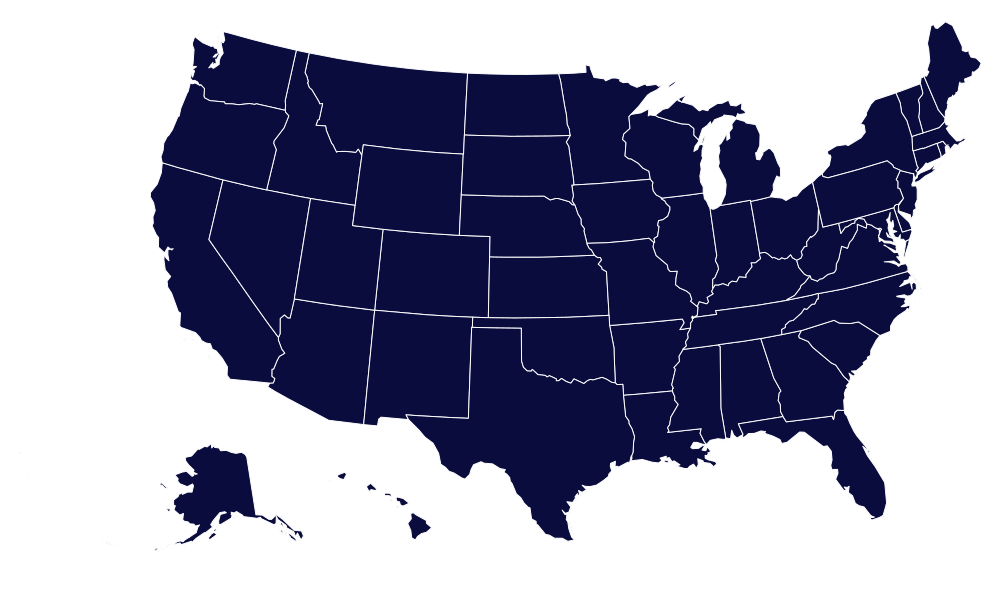
AVLS operate and has proven pool of AV technicians in major cities US Nationwide, such as Las Vegas, Los Angeles, Orlando, Dallas, San Antonio, Austin, Houston, Washington DC, Atlanta, New Orleans, Tennessee and more.
Please complete the form below and we will respond to you as soon as possible. We are available 24 hours a day to assist with your needs. We look forward to showing you what we can do toward the success of your next event.
AVLS operate and has proven pool of AV technicians in major cities US Nationwide, such as Las Vegas, Los Angeles, Orlando, Dallas, San Antonio, Austin, Houston, Washington DC, Atlanta, New Orleans, Tennessee and more.
Please complete the form below and we will respond to you as soon as possible. We are available 24 hours a day to assist with your needs. We look forward to showing you what we can do toward the success of your next event.
EVENT INFORMATION
