





July 22, 2026
LED Wall Technician Roles Explained for Live Events
Quick Answer
LED wall technicians are specialized audiovisual professionals who install, configure, and operate large-scale LED display systems at live events. They handle everything from rigging and cabling to content mapping and real-time troubleshooting, ensuring seamless visual experiences for concerts, corporate events, and broadcast productions. These technicians combine electrical knowledge, software skills, and physical rigging expertise to manage displays that can cost hundreds of thousands of dollars.
Key Takeaways
What Does an LED Wall Technician Do at Live Events
LED wall technicians manage the complete lifecycle of large-scale LED display installations at live events. Their primary responsibility is ensuring that multi-panel LED walls function flawlessly throughout an event, from initial setup to final breakdown.
Core responsibilities include:
The role demands both technical precision and physical stamina. Technicians often work 12-16 hour days, frequently in challenging environments like outdoor festivals or cramped venue spaces. They must coordinate closely with lighting designers and other production crew members to ensure visual elements work harmoniously.
Common mistake to avoid: Never assume all LED panels are identical. Even within the same model series, firmware versions and calibration settings can vary, requiring individual panel configuration.
LED Wall Technician vs AV Technician: Key Differences
LED wall technicians represent a specialized subset of the broader AV technician field, with distinct skill requirements and responsibilities. While general AV technicians handle diverse audiovisual equipment, LED specialists focus exclusively on large-format display systems.
Technical specialization differences:
Career progression typically follows this path: Most LED wall technicians start as general AV technicians, gaining 1-2 years of foundational experience before specializing. This background provides essential skills in cable management, signal flow, and event logistics that directly transfer to LED work.
Salary differences reflect specialization: LED wall technicians typically earn 15-25% more than general AV technicians due to their specialized knowledge and the high-value equipment they manage. Major touring productions and corporate events often require certified LED specialists, creating premium earning opportunities.
Choose LED specialization if: You enjoy problem-solving complex technical challenges, have strong spatial reasoning skills, and want to work on high-profile events with cutting-edge technology. The field offers excellent growth potential as LED walls become standard at major events.
How Much Do LED Wall Technicians Make
LED wall technician salaries vary significantly based on experience level, geographic location, and event types. Entry-level technicians typically start around $45,000 annually, while experienced professionals can earn $85,000 or more in major markets.
Salary breakdown by experience:
Geographic pay variations are substantial: Technicians in major event markets like Las Vegas, Los Angeles, and New York City command premium rates due to high demand and cost of living. For example, AV technicians in Las Vegas often earn 20-30% above national averages due to the concentration of major conventions and entertainment venues.
Event type significantly impacts earning potential: Corporate events and touring productions typically pay more than local concerts or community events. Major music festivals and Fortune 500 corporate meetings offer the highest day rates, often requiring experienced technicians with proven track records.
Additional income opportunities include equipment training roles, technical consulting, and manufacturer certification instruction. Many experienced technicians supplement their income by teaching LED wall setup courses or providing specialized consulting for complex installations.
Essential LED Wall Technician Skills You Need to Learn
Success as an LED wall technician requires a combination of technical knowledge, physical capabilities, and soft skills. The role demands continuous learning as LED technology evolves rapidly and new products enter the market regularly.
Technical skills (must-have):
Physical requirements include: Ability to lift 50+ pounds repeatedly, work at heights on lifts or scaffolding, and maintain focus during long setup periods. The work is physically demanding, often requiring technicians to carry heavy panels and work in awkward positions.
Soft skills that differentiate top performers: Strong communication abilities for coordinating with diverse production teams, problem-solving skills for rapid troubleshooting, and attention to detail for pixel-perfect content alignment. Time management is crucial since setup delays can cascade into expensive event postponements.
Continuous learning is essential: LED technology advances rapidly, with new pixel pitches, mounting systems, and control software releasing regularly. Successful technicians invest in ongoing education through manufacturer training programs and industry conferences.
Common skill gap: Many technicians underestimate the importance of color science and display calibration. Understanding gamma curves, color temperature, and brightness matching can distinguish competent technicians from true specialists.
LED Wall Setup and Troubleshooting Common Problems
LED wall installation follows a systematic process, but numerous technical challenges can arise during setup. Understanding common failure points and their solutions is essential for maintaining event schedules and avoiding costly delays.
Standard setup sequence:
Most common problems and solutions:
Power-related issues represent 40% of setup problems. Symptoms include panels not powering on, intermittent shutdowns, or visible brightness variations. Solutions involve checking voltage levels, verifying ground connections, and ensuring adequate amperage capacity. Always use dedicated circuits for large installations.
Signal integrity problems manifest as pixelation, color shifts, or complete signal loss. These typically result from cable length limitations, connector corrosion, or processor configuration errors. Keep spare cables readily available and test signal paths systematically from source to display.
Mechanical failures include loose panel connections, mounting hardware problems, or structural deflection under wind loads. Regular inspection of connection points and proper torque specifications prevent most mechanical issues.
Software configuration errors often cause content to display incorrectly across panel boundaries or appear stretched/distorted. Always verify pixel mapping matches physical panel arrangement and test with known-good content before the event begins.
Quick diagnostic tip: When troubleshooting, isolate problems by testing individual panels or signal paths. This systematic approach identifies root causes faster than attempting to diagnose the entire system simultaneously.
Is LED Wall Technician a Good Career Choice
The LED wall technician career offers strong growth prospects, competitive compensation, and opportunities to work on high-profile events. However, the role also presents challenges including physical demands, irregular schedules, and continuous technology changes that require ongoing education.
Career advantages include:
Potential challenges to consider:
Job security outlook is positive: The live events industry continues growing, and LED technology adoption accelerates as prices decrease and capabilities improve. Corporate events increasingly demand high-impact visual experiences, creating sustained demand for skilled technicians.
Career progression paths include advancing to LED system designer, technical project manager, or starting an LED rental company. Many experienced technicians transition into sales or training roles with equipment manufacturers, leveraging their field experience.
Choose this career if: You enjoy hands-on technical work, thrive in dynamic environments, and want to contribute to memorable live experiences. The combination of technical challenge and creative application makes LED wall work particularly rewarding for technology-oriented professionals.
LED Wall vs Projection Mapping: Which Technology is Better
LED walls and projection mapping serve different purposes in live event production, each offering distinct advantages depending on venue conditions, content requirements, and budget considerations. Understanding when to recommend each technology is crucial for LED wall technicians working with event planners and production designers.
LED wall advantages:
Projection mapping advantages:
Decision criteria for technology selection:
Choose LED walls when: Outdoor events, high ambient lighting, extended runtime (multi-day events), or premium visual quality requirements justify higher costs. LED walls excel at corporate presentations, music festivals, and broadcast productions where image quality cannot be compromised.
Choose projection mapping when: Budget constraints are primary, architectural surfaces provide interesting projection targets, or creative content specifically designed for mapping effects. Projection works well for temporary installations, art installations, and indoor events with controlled lighting.
Hybrid approaches combine both technologies, using LED walls for primary content display and projection mapping for environmental effects. This strategy maximizes visual impact while managing costs effectively.
Common mistake: Assuming LED walls always provide better results. For specific applications like building facades or sculptural surfaces, projection mapping can create more engaging experiences at lower cost.
How to Become an LED Wall Technician
Entering the LED wall technician field requires a combination of foundational AV experience, specialized training, and hands-on practice with LED systems. Most successful technicians follow a structured progression from general audiovisual work to LED specialization over 2-3 years.
Step 1: Build AV foundation (6-12 months)
Start with general AV technician roles to learn basic skills including cable management, signal flow, electrical safety, and event logistics. Many entry-level positions are available in major event markets like Chicago, Atlanta, or Miami.
Step 2: Gain LED exposure (6-18 months)
Seek opportunities to assist experienced LED technicians on installations. Many AV companies provide on-the-job training for motivated employees. Volunteer for LED-related projects even if they're outside your primary responsibilities.
Step 3: Pursue formal training
Enroll in manufacturer certification programs from companies like NovaStar, Colorlight, or ROE Visual. These courses typically cost $1,500-$3,000 but provide structured learning and industry-recognized credentials.
Step 4: Develop specialization
Focus on specific LED technologies or event types (touring, corporate, broadcast) to build expertise and reputation. Specialization often leads to higher-paying opportunities and repeat client relationships.
Educational requirements are minimal: Most positions require high school completion, though technical degrees in electronics or related fields provide advantages. Practical experience typically matters more than formal education.
Networking strategies include: Joining professional organizations like AVIXA, attending trade shows like InfoComm, and connecting with local AV professionals through industry meetups. Many job opportunities come through professional referrals rather than posted positions.
Timeline expectations: Most technicians require 18-24 months to develop competency in LED wall installation and operation. Achieving senior-level expertise typically takes 3-5 years of regular hands-on experience.
Essential Equipment LED Wall Technicians Use
LED wall technicians work with sophisticated equipment ranging from basic hand tools to advanced video processing systems. Understanding equipment capabilities and proper usage is essential for efficient installations and reliable operation during events.
LED panels and mounting hardware:
Modern LED panels feature pixel pitches from 1.2mm to 10mm, with finer pitches providing higher resolution for close viewing distances. Panels typically weigh 15-35 pounds each and connect using proprietary mounting systems that ensure precise alignment and easy assembly.
Video processing equipment:
Power distribution systems:
LED walls require substantial electrical infrastructure, often needing 200-400 amps for large installations. Technicians use portable power distribution boxes, cable ramps, and load monitoring equipment to ensure safe power delivery.
Rigging and structural equipment:
Testing and diagnostic tools:
Software tools include manufacturer-specific control applications, CAD programs for installation planning, and project management software for tracking equipment and schedules.
Investment considerations: Professional LED technicians often purchase their own basic tools (multimeter, hand tools, safety equipment) while employers typically provide expensive equipment like video processors and rigging hardware.
LED Wall Technician Mistakes to Avoid During Events
Even experienced LED wall technicians can make costly errors that compromise event success or create safety hazards. Understanding common mistakes and prevention strategies helps maintain professional reputation and ensures successful installations.
Power distribution errors represent the most serious category of mistakes. Overloading circuits can trip breakers during critical event moments or create fire hazards. Always calculate power requirements conservatively, include 20% safety margin, and verify actual power consumption during testing. Never daisy-chain extension cords for high-power LED installations.
Inadequate structural support can result in panel failures or dangerous collapses. Common errors include underestimating wind loads for outdoor installations, using incorrect rigging hardware, or failing to verify venue load capacities. Always consult structural engineers for large installations and follow manufacturer load specifications exactly.
Content mapping configuration mistakes cause visual content to display incorrectly across panel boundaries. This often results from rushing the mapping process or failing to account for panel orientation changes. Always test content mapping with known reference materials and verify alignment before event start.
Insufficient backup planning leaves no recovery options when equipment fails. Smart technicians always bring spare panels, backup video processors, and redundant signal paths for critical installations. The cost of backup equipment is minimal compared to event failure consequences.
Communication breakdowns with other production departments create coordination problems. LED walls affect lighting design, camera positions, and performer staging areas. Establish clear communication protocols and attend all production meetings to avoid conflicts.
Weather-related oversights for outdoor events include inadequate weatherproofing, insufficient wind bracing, or failing to plan for temperature extremes. Monitor weather forecasts closely and have contingency plans for severe conditions.
Time management errors often stem from underestimating setup complexity or failing to account for venue-specific challenges. Build buffer time into installation schedules and start setup as early as venue access permits.
Prevention strategy: Create detailed checklists for each installation phase and review them systematically. Many mistakes occur due to overlooked steps during high-pressure setup periods.
When to Use LED Walls Instead of Traditional Screens
Choosing between LED walls and traditional display technologies depends on specific event requirements, venue conditions, and budget considerations. LED wall technicians must understand these decision factors to provide appropriate recommendations to clients and production teams.
LED walls excel in high ambient light conditions where projectors and traditional screens become washed out. Outdoor daytime events, brightly lit convention centers, and venues with large windows benefit significantly from LED walls' superior brightness output of 2,000+ nits compared to projectors' typical 300-1,000 nits.
Large-scale applications favor LED walls due to their modular nature and unlimited size scalability. Traditional screens are limited by manufacturing constraints, typically maxing out around 150 inches diagonal. LED walls can cover entire building facades or create immersive 360-degree environments.
Weather resistance makes LED walls essential for outdoor events where rain, wind, or temperature extremes would damage traditional displays. Outdoor-rated LED panels operate reliably in conditions that would destroy conventional screens or projectors.
Creative shape requirements often necessitate LED walls since they can form curves, angles, and custom configurations impossible with rectangular screens. Concert stages frequently use curved LED walls to create immersive visual environments.
Budget considerations favor traditional screens for smaller installations or short-term events. LED wall rental costs typically run 2-3 times higher than equivalent projection solutions, making them cost-prohibitive for some applications.
Viewing distance affects technology choice: LED walls with fine pixel pitches (2.5mm or smaller) provide superior image quality for close viewing, while traditional screens may suffice for distant viewing applications where pixel structure isn't visible.
Content type influences selection: Static presentations and simple graphics work well on traditional screens, while dynamic video content and real-time camera feeds benefit from LED walls' superior refresh rates and color reproduction.
Installation timeline considerations: Traditional screens often install faster than modular LED walls, making them preferable when setup time is extremely limited.
Decision framework: Choose LED walls when image quality, brightness, weather resistance, or creative flexibility justify higher costs. Select traditional screens when budget constraints are primary and viewing conditions are controlled.
LED Wall Technician Certification and Training Programs
Professional certification provides structured learning paths and industry recognition for LED wall technicians. Multiple organizations and manufacturers offer training programs ranging from basic operation to advanced system design and troubleshooting.
Manufacturer certification programs provide the most practical training since they focus on specific equipment lines commonly used in the field. Major programs include:
NovaStar Academy offers comprehensive courses covering video processor configuration, LED panel management, and troubleshooting procedures. Their certification program includes hands-on lab work and covers both hardware and software aspects of LED wall operation.
Colorlight Training Center provides technical education focused on their controller systems and software platforms. The program emphasizes practical skills including pixel mapping, color calibration, and system integration.
ROE Visual University combines technical training with business development education, helping technicians understand both operational and commercial aspects of LED wall deployment.
Industry association programs offer broader education covering multiple manufacturer systems:
AVIXA (Audiovisual and Integrated Experience Association) provides CTS (Certified Technology Specialist) certification with LED wall specialization tracks. This program covers industry standards, safety protocols, and best practices across different equipment brands.
ETCP (Entertainment Technician Certification Program) offers rigging and electrical certifications essential for LED wall installation safety. These credentials are increasingly required for major venue work.
Training program costs typically range from $1,500-$5,000 depending on program length and certification level. Many employers reimburse training costs for valuable employees or provide training as part of professional development programs.
Certification benefits include higher earning potential, preference for premium projects, and credibility with clients and employers. Many major events specifically require certified technicians for insurance and liability reasons.
Continuing education requirements vary by program but typically require renewal every 2-3 years through additional coursework or documented field experience. This ensures technicians stay current with evolving technology.
Online vs. in-person training: While online courses provide theoretical knowledge, hands-on experience with actual equipment is essential for practical competency. The most effective programs combine online learning with laboratory sessions using real LED panels and processors.
LED Wall Setup Timeline: How Long Does Installation Take
LED wall installation timelines vary dramatically based on wall size, complexity, venue conditions, and crew experience. Understanding realistic timeframes helps technicians plan projects effectively and set appropriate client expectations.
Small installations (under 100 square feet) typically require 4-8 hours for complete setup including testing. These installations usually involve 20-50 panels and can be handled by 2-3 technicians. Examples include corporate presentation backdrops or small concert stages.
Medium installations (100-500 square feet) generally need 8-16 hours for full deployment. These projects involve 50-200 panels and require 4-6 technicians for efficient completion. Typical applications include trade show displays or medium venue concerts.
Large installations (500+ square feet) can require 16-48 hours depending on complexity and access conditions. Major festival main stages or arena installations often involve hundreds of panels and crews of 8-12 technicians working in shifts.
Factors that extend installation time:
Time-saving strategies include:
Breakdown timelines typically require 30-50% of setup time since panels must be carefully packed and equipment inventoried. Rush breakdown schedules can damage equipment or create safety hazards.
Planning recommendations: Always add 25% buffer time to initial estimates and plan for potential delays. Client satisfaction depends heavily on meeting promised timelines, making conservative estimates essential for maintaining professional relationships.
LED Wall Technician Job Requirements and Experience Needed
LED wall technician positions have specific requirements that combine technical knowledge, physical capabilities, and professional experience. Understanding these requirements helps candidates prepare effectively and employers set realistic expectations for new hires.
Minimum experience requirements typically include 1-2 years of general AV experience before specializing in LED walls. This foundation provides essential skills in cable management, signal flow, electrical safety, and event logistics that directly transfer to LED work. Many employers prefer candidates with hands-on experience in live event production rather than purely installation-based backgrounds.
Technical skill requirements include:
Physical requirements are substantial: Candidates must lift 50+ pounds repeatedly, work at heights on lifts or scaffolding, and maintain focus during 12-16 hour work days. The role involves significant standing, walking, and working in awkward positions while assembling panels or routing cables.
Educational background typically requires high school completion at minimum. Technical degrees in electronics, electrical engineering, or related fields provide advantages but aren't usually required. Many successful technicians have backgrounds in theater, music production, or other hands-on technical fields.
Certification preferences vary by employer, but many value manufacturer certifications from NovaStar, Colorlight, or similar companies. ETCP rigging certification is increasingly required for positions involving structural installation work.
Soft skills that employers prioritize:
Geographic considerations: Positions in major event markets like Los Angeles, New York City, and Las Vegas often have higher requirements but also offer better compensation and career advancement opportunities.
Career progression paths typically advance from assistant technician to lead technician to system designer or project manager roles. Some technicians transition into sales, training, or consulting positions with equipment manufacturers.
Frequently Asked Questions
What's the difference between indoor and outdoor LED wall technicians?
Outdoor LED technicians require additional skills in weatherproofing, structural engineering, and environmental protection systems. Outdoor installations involve higher power requirements, specialized mounting hardware, and different safety protocols for weather resistance.
Do LED wall technicians need to know programming?
Basic programming knowledge helps but isn't required for most positions. Technicians primarily use manufacturer software with graphical interfaces rather than writing code. Understanding content management systems and pixel mapping software is more important than traditional programming skills.
How dangerous is LED wall technician work?
The role involves moderate safety risks including electrical hazards, working at heights, and heavy lifting. Proper training, safety equipment, and adherence to protocols minimize risks significantly. Most injuries result from rushing or skipping safety procedures rather than inherent job dangers.
Can LED wall technicians work freelance?
Yes, many experienced technicians work as freelancers or independent contractors. Freelance work offers higher day rates and schedule flexibility but requires business skills, equipment investment, and client development. Most freelancers maintain relationships with multiple production companies.
What's the busiest season for LED wall technicians?
Peak season runs from March through November, with summer months being especially busy due to outdoor festivals and corporate events. Holiday periods see increased demand for corporate parties and special events, while winter months are typically slower except in warm climates.
Do LED wall technicians travel frequently?
Travel requirements vary by employer and specialization. Touring production technicians travel constantly, while local AV companies primarily work within their regional markets. Corporate event specialists often travel to major business centers for high-profile meetings and conferences.
How quickly can someone become proficient in LED wall work?
Basic competency typically develops within 6-12 months of focused training and practice. Advanced skills requiring independent troubleshooting and system design usually take 2-3 years to develop. Continuous learning is essential as technology evolves rapidly.
What happens when LED panels fail during live events?
Experienced technicians carry spare panels and can replace failed units within minutes. Modern LED systems include redundancy features that isolate failures to minimize visual impact. Quick response and backup planning prevent most failures from disrupting events significantly.
Are there opportunities for LED wall technicians in smaller markets?
Smaller markets have fewer opportunities but also less competition. Many regional AV companies need LED specialists for corporate events, houses of worship, and local entertainment venues. The key is building relationships with local event producers and venues.
What's the most challenging part of LED wall technician work?
Time pressure during live events creates the most stress, especially when troubleshooting equipment failures with audiences waiting. The combination of technical complexity, physical demands, and performance pressure makes the role challenging but rewarding for those who thrive in dynamic environments.
Do LED wall technicians need commercial driver's licenses?
CDL requirements depend on equipment transportation responsibilities. Technicians who drive large trucks carrying LED panels typically need commercial licenses, while those who only work on-site installations may not. Many companies provide CDL training for valuable employees.
How does LED wall technology continue evolving?
LED technology advances rapidly with improvements in pixel density, brightness efficiency, and installation methods. New developments include flexible panels, transparent displays, and improved color accuracy. Successful technicians stay current through manufacturer training and industry publications.
Conclusion
LED wall technician roles explained for live events reveal a specialized career path that combines technical expertise, physical capability, and creative problem-solving. These professionals manage sophisticated display systems worth hundreds of thousands of dollars, ensuring flawless visual experiences at major concerts, corporate events, and broadcast productions.
The career offers strong earning potential, with experienced technicians commanding $70,000-$85,000+ annually in major markets. Entry requires 1-2 years of general AV experience followed by specialized LED training through manufacturer certification programs. Success depends on mastering both technical skills like video processing and power distribution, plus soft skills including communication and time management under pressure.
Market demand continues growing as LED technology becomes more affordable and events seek higher-impact visual experiences. The role suits individuals who enjoy hands-on technical work, thrive in dynamic environments, and want to contribute to memorable live experiences. While physically demanding and requiring irregular schedules, LED wall technician work provides access to cutting-edge technology and opportunities to work on high-profile events nationwide.
For those considering this career path, start with general AV experience, pursue manufacturer certifications, and focus on building both technical competency and professional relationships within the live events industry.
Ready to start your career as an LED wall technician or need skilled LED specialists for your next event? AV Labor Source connects experienced LED wall technicians with live events nationwide. Whether you're looking to hire certified professionals or seeking opportunities in LED wall installation and operation, we provide the expertise and staffing solutions you need. Contact us today to discuss your LED wall technician staffing requirements or career opportunities.
LED wall technicians are specialized audiovisual professionals who install, configure, and operate large-scale LED display systems at live events. They handle everything from rigging and cabling to content mapping and real-time troubleshooting, ensuring seamless visual experiences for concerts, corporate events, and broadcast productions. These technicians combine electrical knowledge, software skills, and physical rigging expertise to manage displays that can cost hundreds of thousands of dollars.
Key Takeaways
- LED wall technicians earn between $45,000-$85,000 annually, with experienced professionals commanding premium rates for major events
- The role requires both technical skills (electrical systems, video processing) and physical abilities (rigging, heavy lifting)
- LED walls differ from traditional projection in brightness, modularity, and weather resistance, making them ideal for outdoor events
- Career entry typically requires 1-2 years of general AV experience plus specialized LED training or certification
- Common setup mistakes include improper power distribution, incorrect pixel mapping, and inadequate structural support
- Job demand is growing as LED technology becomes more affordable and events seek higher-impact visual experiences
- Certification programs from manufacturers like Absen, ROE Visual, and NovaStar provide structured learning paths
- Setup times range from 4-48 hours depending on wall size, complexity, and crew experience
What Does an LED Wall Technician Do at Live Events
LED wall technicians manage the complete lifecycle of large-scale LED display installations at live events. Their primary responsibility is ensuring that multi-panel LED walls function flawlessly throughout an event, from initial setup to final breakdown.
Core responsibilities include:
- Pre-event planning: Reviewing technical riders, calculating power requirements, and coordinating with venue staff
- Rigging and installation: Mounting LED panels to truss systems or ground support structures using specialized hardware
- Signal processing: Configuring video processors, scalers, and content management systems to distribute video feeds across multiple panels
- Content mapping: Programming pixel-accurate layouts so video content displays correctly across the entire wall surface
- Real-time monitoring: Watching for panel failures, color inconsistencies, or signal drops during live events
- Troubleshooting: Quickly diagnosing and resolving technical issues without disrupting the event
The role demands both technical precision and physical stamina. Technicians often work 12-16 hour days, frequently in challenging environments like outdoor festivals or cramped venue spaces. They must coordinate closely with lighting designers and other production crew members to ensure visual elements work harmoniously.
Common mistake to avoid: Never assume all LED panels are identical. Even within the same model series, firmware versions and calibration settings can vary, requiring individual panel configuration.
LED Wall Technician vs AV Technician: Key Differences
LED wall technicians represent a specialized subset of the broader AV technician field, with distinct skill requirements and responsibilities. While general AV technicians handle diverse audiovisual equipment, LED specialists focus exclusively on large-format display systems.
Technical specialization differences:
LED Wall Technician | General AV Technician |
Deep LED panel knowledge | Broad equipment familiarity |
Video processing expertise | Multi-domain skills (audio, video, lighting) |
Structural rigging focus | General setup capabilities |
Content mapping software | Basic display configuration |
High-voltage power distribution | Standard electrical connections |
Career progression typically follows this path: Most LED wall technicians start as general AV technicians, gaining 1-2 years of foundational experience before specializing. This background provides essential skills in cable management, signal flow, and event logistics that directly transfer to LED work.
Salary differences reflect specialization: LED wall technicians typically earn 15-25% more than general AV technicians due to their specialized knowledge and the high-value equipment they manage. Major touring productions and corporate events often require certified LED specialists, creating premium earning opportunities.
Choose LED specialization if: You enjoy problem-solving complex technical challenges, have strong spatial reasoning skills, and want to work on high-profile events with cutting-edge technology. The field offers excellent growth potential as LED walls become standard at major events.
How Much Do LED Wall Technicians Make
LED wall technician salaries vary significantly based on experience level, geographic location, and event types. Entry-level technicians typically start around $45,000 annually, while experienced professionals can earn $85,000 or more in major markets.
Salary breakdown by experience:
- Entry-level (0-2 years): $45,000-$55,000 annually
- Mid-level (3-5 years): $55,000-$70,000 annually
- Senior-level (5+ years): $70,000-$85,000+ annually
- Freelance day rates: $350-$800 per day depending on event scale and responsibilities
Geographic pay variations are substantial: Technicians in major event markets like Las Vegas, Los Angeles, and New York City command premium rates due to high demand and cost of living. For example, AV technicians in Las Vegas often earn 20-30% above national averages due to the concentration of major conventions and entertainment venues.
Event type significantly impacts earning potential: Corporate events and touring productions typically pay more than local concerts or community events. Major music festivals and Fortune 500 corporate meetings offer the highest day rates, often requiring experienced technicians with proven track records.
Additional income opportunities include equipment training roles, technical consulting, and manufacturer certification instruction. Many experienced technicians supplement their income by teaching LED wall setup courses or providing specialized consulting for complex installations.
Essential LED Wall Technician Skills You Need to Learn
Success as an LED wall technician requires a combination of technical knowledge, physical capabilities, and soft skills. The role demands continuous learning as LED technology evolves rapidly and new products enter the market regularly.
Technical skills (must-have):
- Electrical systems: Understanding three-phase power distribution, load calculations, and electrical safety protocols
- Video signal processing: Configuring scalers, switchers, and video processors for multi-output displays
- Software proficiency: Learning content management systems like NovaStar, Colorlight, or Linsn controllers
- Rigging knowledge: Safe lifting practices, load calculations, and structural attachment methods
- Network configuration: Setting up Ethernet-based control systems and troubleshooting IP conflicts
Physical requirements include: Ability to lift 50+ pounds repeatedly, work at heights on lifts or scaffolding, and maintain focus during long setup periods. The work is physically demanding, often requiring technicians to carry heavy panels and work in awkward positions.
Soft skills that differentiate top performers: Strong communication abilities for coordinating with diverse production teams, problem-solving skills for rapid troubleshooting, and attention to detail for pixel-perfect content alignment. Time management is crucial since setup delays can cascade into expensive event postponements.
Continuous learning is essential: LED technology advances rapidly, with new pixel pitches, mounting systems, and control software releasing regularly. Successful technicians invest in ongoing education through manufacturer training programs and industry conferences.
Common skill gap: Many technicians underestimate the importance of color science and display calibration. Understanding gamma curves, color temperature, and brightness matching can distinguish competent technicians from true specialists.
LED Wall Setup and Troubleshooting Common Problems
LED wall installation follows a systematic process, but numerous technical challenges can arise during setup. Understanding common failure points and their solutions is essential for maintaining event schedules and avoiding costly delays.
Standard setup sequence:
- Structural assessment: Verify venue load capacity and mounting point integrity
- Power distribution: Install appropriate electrical feeds and calculate load requirements
- Panel assembly: Connect individual LED modules using manufacturer-specified hardware
- Signal routing: Run video cables and establish processor connections
- Content mapping: Configure software to match physical panel layout
- Calibration: Adjust brightness, color temperature, and gamma settings across all panels
Most common problems and solutions:
Power-related issues represent 40% of setup problems. Symptoms include panels not powering on, intermittent shutdowns, or visible brightness variations. Solutions involve checking voltage levels, verifying ground connections, and ensuring adequate amperage capacity. Always use dedicated circuits for large installations.
Signal integrity problems manifest as pixelation, color shifts, or complete signal loss. These typically result from cable length limitations, connector corrosion, or processor configuration errors. Keep spare cables readily available and test signal paths systematically from source to display.
Mechanical failures include loose panel connections, mounting hardware problems, or structural deflection under wind loads. Regular inspection of connection points and proper torque specifications prevent most mechanical issues.
Software configuration errors often cause content to display incorrectly across panel boundaries or appear stretched/distorted. Always verify pixel mapping matches physical panel arrangement and test with known-good content before the event begins.
Quick diagnostic tip: When troubleshooting, isolate problems by testing individual panels or signal paths. This systematic approach identifies root causes faster than attempting to diagnose the entire system simultaneously.
Is LED Wall Technician a Good Career Choice
The LED wall technician career offers strong growth prospects, competitive compensation, and opportunities to work on high-profile events. However, the role also presents challenges including physical demands, irregular schedules, and continuous technology changes that require ongoing education.
Career advantages include:
- Growing market demand: LED walls are increasingly replacing projection systems at major events due to superior brightness and reliability
- Premium compensation: Specialized skills command higher wages than general AV positions
- Event variety: Work ranges from intimate corporate meetings to stadium concerts and broadcast productions
- Technology exposure: Access to cutting-edge display technology and professional development opportunities
- Travel opportunities: Major events often require technicians to work in diverse locations nationwide
Potential challenges to consider:
- Physical demands: Heavy lifting, extended standing, and work at heights can be physically taxing over time
- Irregular schedules: Events often occur evenings, weekends, and holidays when most people are off work
- Pressure situations: Equipment failures during live events create high-stress troubleshooting scenarios
- Continuous learning: Rapid technology evolution requires ongoing training and certification updates
Job security outlook is positive: The live events industry continues growing, and LED technology adoption accelerates as prices decrease and capabilities improve. Corporate events increasingly demand high-impact visual experiences, creating sustained demand for skilled technicians.
Career progression paths include advancing to LED system designer, technical project manager, or starting an LED rental company. Many experienced technicians transition into sales or training roles with equipment manufacturers, leveraging their field experience.
Choose this career if: You enjoy hands-on technical work, thrive in dynamic environments, and want to contribute to memorable live experiences. The combination of technical challenge and creative application makes LED wall work particularly rewarding for technology-oriented professionals.
LED Wall vs Projection Mapping: Which Technology is Better
LED walls and projection mapping serve different purposes in live event production, each offering distinct advantages depending on venue conditions, content requirements, and budget considerations. Understanding when to recommend each technology is crucial for LED wall technicians working with event planners and production designers.
LED wall advantages:
- Superior brightness: LED panels produce 2,000-6,000 nits compared to projectors' 300-1,000 nits, making them visible in bright ambient lighting
- Weather resistance: Outdoor-rated LED panels operate reliably in rain, wind, and temperature extremes
- Modular flexibility: Panels can create custom shapes and sizes not limited by projector throw distances
- No shadow interference: Performers can move freely in front of LED walls without blocking content
- Consistent color reproduction: LED panels maintain color accuracy across the entire display surface
Projection mapping advantages:
- Lower initial cost: Projector rental typically costs 30-50% less than equivalent LED wall coverage
- Architectural integration: Projection can transform existing building surfaces and irregular shapes
- Content flexibility: Real-time mapping adjustments allow dynamic content adaptation during events
- Setup speed: Projector installation often requires less rigging time than modular LED assembly
Decision criteria for technology selection:
Choose LED walls when: Outdoor events, high ambient lighting, extended runtime (multi-day events), or premium visual quality requirements justify higher costs. LED walls excel at corporate presentations, music festivals, and broadcast productions where image quality cannot be compromised.
Choose projection mapping when: Budget constraints are primary, architectural surfaces provide interesting projection targets, or creative content specifically designed for mapping effects. Projection works well for temporary installations, art installations, and indoor events with controlled lighting.
Hybrid approaches combine both technologies, using LED walls for primary content display and projection mapping for environmental effects. This strategy maximizes visual impact while managing costs effectively.
Common mistake: Assuming LED walls always provide better results. For specific applications like building facades or sculptural surfaces, projection mapping can create more engaging experiences at lower cost.
How to Become an LED Wall Technician
Entering the LED wall technician field requires a combination of foundational AV experience, specialized training, and hands-on practice with LED systems. Most successful technicians follow a structured progression from general audiovisual work to LED specialization over 2-3 years.
Step 1: Build AV foundation (6-12 months)
Start with general AV technician roles to learn basic skills including cable management, signal flow, electrical safety, and event logistics. Many entry-level positions are available in major event markets like Chicago, Atlanta, or Miami.
Step 2: Gain LED exposure (6-18 months)
Seek opportunities to assist experienced LED technicians on installations. Many AV companies provide on-the-job training for motivated employees. Volunteer for LED-related projects even if they're outside your primary responsibilities.
Step 3: Pursue formal training
Enroll in manufacturer certification programs from companies like NovaStar, Colorlight, or ROE Visual. These courses typically cost $1,500-$3,000 but provide structured learning and industry-recognized credentials.
Step 4: Develop specialization
Focus on specific LED technologies or event types (touring, corporate, broadcast) to build expertise and reputation. Specialization often leads to higher-paying opportunities and repeat client relationships.
Educational requirements are minimal: Most positions require high school completion, though technical degrees in electronics or related fields provide advantages. Practical experience typically matters more than formal education.
Networking strategies include: Joining professional organizations like AVIXA, attending trade shows like InfoComm, and connecting with local AV professionals through industry meetups. Many job opportunities come through professional referrals rather than posted positions.
Timeline expectations: Most technicians require 18-24 months to develop competency in LED wall installation and operation. Achieving senior-level expertise typically takes 3-5 years of regular hands-on experience.
Essential Equipment LED Wall Technicians Use
LED wall technicians work with sophisticated equipment ranging from basic hand tools to advanced video processing systems. Understanding equipment capabilities and proper usage is essential for efficient installations and reliable operation during events.
LED panels and mounting hardware:
Modern LED panels feature pixel pitches from 1.2mm to 10mm, with finer pitches providing higher resolution for close viewing distances. Panels typically weigh 15-35 pounds each and connect using proprietary mounting systems that ensure precise alignment and easy assembly.
Video processing equipment:
- Video processors: Devices like NovaStar VX series or Colorlight X series manage content distribution across multiple panels
- Scalers: Convert input signals to match LED wall resolution and refresh rates
- Content servers: Specialized computers running software like Resolume or Watchout for complex content playback
- Signal distribution: Fiber optic converters and Ethernet switches for long-distance signal transmission
Power distribution systems:
LED walls require substantial electrical infrastructure, often needing 200-400 amps for large installations. Technicians use portable power distribution boxes, cable ramps, and load monitoring equipment to ensure safe power delivery.
Rigging and structural equipment:
- Truss systems: Aluminum framework for hanging LED panels
- Chain motors: Automated lifting systems for precise positioning
- Ground support: Portable towers and bases for venues without rigging points
- Safety equipment: Fall protection harnesses, hard hats, and safety glasses
Testing and diagnostic tools:
- Multimeters: For electrical troubleshooting and voltage verification
- Signal generators: Test pattern sources for display calibration
- Colorimeters: Devices for measuring and matching color accuracy across panels
- Cable testers: Verify signal integrity in video and network cables
Software tools include manufacturer-specific control applications, CAD programs for installation planning, and project management software for tracking equipment and schedules.
Investment considerations: Professional LED technicians often purchase their own basic tools (multimeter, hand tools, safety equipment) while employers typically provide expensive equipment like video processors and rigging hardware.
LED Wall Technician Mistakes to Avoid During Events
Even experienced LED wall technicians can make costly errors that compromise event success or create safety hazards. Understanding common mistakes and prevention strategies helps maintain professional reputation and ensures successful installations.
Power distribution errors represent the most serious category of mistakes. Overloading circuits can trip breakers during critical event moments or create fire hazards. Always calculate power requirements conservatively, include 20% safety margin, and verify actual power consumption during testing. Never daisy-chain extension cords for high-power LED installations.
Inadequate structural support can result in panel failures or dangerous collapses. Common errors include underestimating wind loads for outdoor installations, using incorrect rigging hardware, or failing to verify venue load capacities. Always consult structural engineers for large installations and follow manufacturer load specifications exactly.
Content mapping configuration mistakes cause visual content to display incorrectly across panel boundaries. This often results from rushing the mapping process or failing to account for panel orientation changes. Always test content mapping with known reference materials and verify alignment before event start.
Insufficient backup planning leaves no recovery options when equipment fails. Smart technicians always bring spare panels, backup video processors, and redundant signal paths for critical installations. The cost of backup equipment is minimal compared to event failure consequences.
Communication breakdowns with other production departments create coordination problems. LED walls affect lighting design, camera positions, and performer staging areas. Establish clear communication protocols and attend all production meetings to avoid conflicts.
Weather-related oversights for outdoor events include inadequate weatherproofing, insufficient wind bracing, or failing to plan for temperature extremes. Monitor weather forecasts closely and have contingency plans for severe conditions.
Time management errors often stem from underestimating setup complexity or failing to account for venue-specific challenges. Build buffer time into installation schedules and start setup as early as venue access permits.
Prevention strategy: Create detailed checklists for each installation phase and review them systematically. Many mistakes occur due to overlooked steps during high-pressure setup periods.
When to Use LED Walls Instead of Traditional Screens
Choosing between LED walls and traditional display technologies depends on specific event requirements, venue conditions, and budget considerations. LED wall technicians must understand these decision factors to provide appropriate recommendations to clients and production teams.
LED walls excel in high ambient light conditions where projectors and traditional screens become washed out. Outdoor daytime events, brightly lit convention centers, and venues with large windows benefit significantly from LED walls' superior brightness output of 2,000+ nits compared to projectors' typical 300-1,000 nits.
Large-scale applications favor LED walls due to their modular nature and unlimited size scalability. Traditional screens are limited by manufacturing constraints, typically maxing out around 150 inches diagonal. LED walls can cover entire building facades or create immersive 360-degree environments.
Weather resistance makes LED walls essential for outdoor events where rain, wind, or temperature extremes would damage traditional displays. Outdoor-rated LED panels operate reliably in conditions that would destroy conventional screens or projectors.
Creative shape requirements often necessitate LED walls since they can form curves, angles, and custom configurations impossible with rectangular screens. Concert stages frequently use curved LED walls to create immersive visual environments.
Budget considerations favor traditional screens for smaller installations or short-term events. LED wall rental costs typically run 2-3 times higher than equivalent projection solutions, making them cost-prohibitive for some applications.
Viewing distance affects technology choice: LED walls with fine pixel pitches (2.5mm or smaller) provide superior image quality for close viewing, while traditional screens may suffice for distant viewing applications where pixel structure isn't visible.
Content type influences selection: Static presentations and simple graphics work well on traditional screens, while dynamic video content and real-time camera feeds benefit from LED walls' superior refresh rates and color reproduction.
Installation timeline considerations: Traditional screens often install faster than modular LED walls, making them preferable when setup time is extremely limited.
Decision framework: Choose LED walls when image quality, brightness, weather resistance, or creative flexibility justify higher costs. Select traditional screens when budget constraints are primary and viewing conditions are controlled.
LED Wall Technician Certification and Training Programs
Professional certification provides structured learning paths and industry recognition for LED wall technicians. Multiple organizations and manufacturers offer training programs ranging from basic operation to advanced system design and troubleshooting.
Manufacturer certification programs provide the most practical training since they focus on specific equipment lines commonly used in the field. Major programs include:
NovaStar Academy offers comprehensive courses covering video processor configuration, LED panel management, and troubleshooting procedures. Their certification program includes hands-on lab work and covers both hardware and software aspects of LED wall operation.
Colorlight Training Center provides technical education focused on their controller systems and software platforms. The program emphasizes practical skills including pixel mapping, color calibration, and system integration.
ROE Visual University combines technical training with business development education, helping technicians understand both operational and commercial aspects of LED wall deployment.
Industry association programs offer broader education covering multiple manufacturer systems:
AVIXA (Audiovisual and Integrated Experience Association) provides CTS (Certified Technology Specialist) certification with LED wall specialization tracks. This program covers industry standards, safety protocols, and best practices across different equipment brands.
ETCP (Entertainment Technician Certification Program) offers rigging and electrical certifications essential for LED wall installation safety. These credentials are increasingly required for major venue work.
Training program costs typically range from $1,500-$5,000 depending on program length and certification level. Many employers reimburse training costs for valuable employees or provide training as part of professional development programs.
Certification benefits include higher earning potential, preference for premium projects, and credibility with clients and employers. Many major events specifically require certified technicians for insurance and liability reasons.
Continuing education requirements vary by program but typically require renewal every 2-3 years through additional coursework or documented field experience. This ensures technicians stay current with evolving technology.
Online vs. in-person training: While online courses provide theoretical knowledge, hands-on experience with actual equipment is essential for practical competency. The most effective programs combine online learning with laboratory sessions using real LED panels and processors.
LED Wall Setup Timeline: How Long Does Installation Take
LED wall installation timelines vary dramatically based on wall size, complexity, venue conditions, and crew experience. Understanding realistic timeframes helps technicians plan projects effectively and set appropriate client expectations.
Small installations (under 100 square feet) typically require 4-8 hours for complete setup including testing. These installations usually involve 20-50 panels and can be handled by 2-3 technicians. Examples include corporate presentation backdrops or small concert stages.
Medium installations (100-500 square feet) generally need 8-16 hours for full deployment. These projects involve 50-200 panels and require 4-6 technicians for efficient completion. Typical applications include trade show displays or medium venue concerts.
Large installations (500+ square feet) can require 16-48 hours depending on complexity and access conditions. Major festival main stages or arena installations often involve hundreds of panels and crews of 8-12 technicians working in shifts.
Factors that extend installation time:
- Venue access restrictions: Limited load-in hours or freight elevator capacity can double setup time
- Complex rigging requirements: Custom mounting solutions or challenging hang positions add significant time
- Weather conditions: Wind, rain, or extreme temperatures slow outdoor installations considerably
- Content complexity: Advanced pixel mapping or multi-source content requires additional programming time
- Crew experience level: Inexperienced crews may require 50-100% more time than seasoned professionals
Time-saving strategies include:
- Pre-fabrication: Assembling panel sections off-site reduces on-location installation time
- Parallel processing: Running power and video cables while panels are being mounted
- Standardized procedures: Using consistent mounting and cabling methods across projects
- Adequate crew sizing: Having sufficient technicians prevents bottlenecks during installation
Breakdown timelines typically require 30-50% of setup time since panels must be carefully packed and equipment inventoried. Rush breakdown schedules can damage equipment or create safety hazards.
Planning recommendations: Always add 25% buffer time to initial estimates and plan for potential delays. Client satisfaction depends heavily on meeting promised timelines, making conservative estimates essential for maintaining professional relationships.
LED Wall Technician Job Requirements and Experience Needed
LED wall technician positions have specific requirements that combine technical knowledge, physical capabilities, and professional experience. Understanding these requirements helps candidates prepare effectively and employers set realistic expectations for new hires.
Minimum experience requirements typically include 1-2 years of general AV experience before specializing in LED walls. This foundation provides essential skills in cable management, signal flow, electrical safety, and event logistics that directly transfer to LED work. Many employers prefer candidates with hands-on experience in live event production rather than purely installation-based backgrounds.
Technical skill requirements include:
- Electrical knowledge: Understanding of three-phase power, load calculations, and electrical safety protocols
- Video systems: Familiarity with signal formats, resolution standards, and video processing equipment
- Computer skills: Basic networking knowledge and comfort with specialized software applications
- Mechanical aptitude: Ability to assemble modular systems and work with hand tools effectively
Physical requirements are substantial: Candidates must lift 50+ pounds repeatedly, work at heights on lifts or scaffolding, and maintain focus during 12-16 hour work days. The role involves significant standing, walking, and working in awkward positions while assembling panels or routing cables.
Educational background typically requires high school completion at minimum. Technical degrees in electronics, electrical engineering, or related fields provide advantages but aren't usually required. Many successful technicians have backgrounds in theater, music production, or other hands-on technical fields.
Certification preferences vary by employer, but many value manufacturer certifications from NovaStar, Colorlight, or similar companies. ETCP rigging certification is increasingly required for positions involving structural installation work.
Soft skills that employers prioritize:
- Communication ability: Coordinating with diverse production teams requires clear verbal and written communication
- Problem-solving skills: Rapid troubleshooting during live events demands analytical thinking under pressure
- Attention to detail: Pixel-perfect content alignment and safety-critical connections require meticulous work habits
- Flexibility: Event schedules change frequently, requiring adaptability and willingness to work irregular hours
Geographic considerations: Positions in major event markets like Los Angeles, New York City, and Las Vegas often have higher requirements but also offer better compensation and career advancement opportunities.
Career progression paths typically advance from assistant technician to lead technician to system designer or project manager roles. Some technicians transition into sales, training, or consulting positions with equipment manufacturers.
Frequently Asked Questions
What's the difference between indoor and outdoor LED wall technicians?
Outdoor LED technicians require additional skills in weatherproofing, structural engineering, and environmental protection systems. Outdoor installations involve higher power requirements, specialized mounting hardware, and different safety protocols for weather resistance.
Do LED wall technicians need to know programming?
Basic programming knowledge helps but isn't required for most positions. Technicians primarily use manufacturer software with graphical interfaces rather than writing code. Understanding content management systems and pixel mapping software is more important than traditional programming skills.
How dangerous is LED wall technician work?
The role involves moderate safety risks including electrical hazards, working at heights, and heavy lifting. Proper training, safety equipment, and adherence to protocols minimize risks significantly. Most injuries result from rushing or skipping safety procedures rather than inherent job dangers.
Can LED wall technicians work freelance?
Yes, many experienced technicians work as freelancers or independent contractors. Freelance work offers higher day rates and schedule flexibility but requires business skills, equipment investment, and client development. Most freelancers maintain relationships with multiple production companies.
What's the busiest season for LED wall technicians?
Peak season runs from March through November, with summer months being especially busy due to outdoor festivals and corporate events. Holiday periods see increased demand for corporate parties and special events, while winter months are typically slower except in warm climates.
Do LED wall technicians travel frequently?
Travel requirements vary by employer and specialization. Touring production technicians travel constantly, while local AV companies primarily work within their regional markets. Corporate event specialists often travel to major business centers for high-profile meetings and conferences.
How quickly can someone become proficient in LED wall work?
Basic competency typically develops within 6-12 months of focused training and practice. Advanced skills requiring independent troubleshooting and system design usually take 2-3 years to develop. Continuous learning is essential as technology evolves rapidly.
What happens when LED panels fail during live events?
Experienced technicians carry spare panels and can replace failed units within minutes. Modern LED systems include redundancy features that isolate failures to minimize visual impact. Quick response and backup planning prevent most failures from disrupting events significantly.
Are there opportunities for LED wall technicians in smaller markets?
Smaller markets have fewer opportunities but also less competition. Many regional AV companies need LED specialists for corporate events, houses of worship, and local entertainment venues. The key is building relationships with local event producers and venues.
What's the most challenging part of LED wall technician work?
Time pressure during live events creates the most stress, especially when troubleshooting equipment failures with audiences waiting. The combination of technical complexity, physical demands, and performance pressure makes the role challenging but rewarding for those who thrive in dynamic environments.
Do LED wall technicians need commercial driver's licenses?
CDL requirements depend on equipment transportation responsibilities. Technicians who drive large trucks carrying LED panels typically need commercial licenses, while those who only work on-site installations may not. Many companies provide CDL training for valuable employees.
How does LED wall technology continue evolving?
LED technology advances rapidly with improvements in pixel density, brightness efficiency, and installation methods. New developments include flexible panels, transparent displays, and improved color accuracy. Successful technicians stay current through manufacturer training and industry publications.
Conclusion
LED wall technician roles explained for live events reveal a specialized career path that combines technical expertise, physical capability, and creative problem-solving. These professionals manage sophisticated display systems worth hundreds of thousands of dollars, ensuring flawless visual experiences at major concerts, corporate events, and broadcast productions.
The career offers strong earning potential, with experienced technicians commanding $70,000-$85,000+ annually in major markets. Entry requires 1-2 years of general AV experience followed by specialized LED training through manufacturer certification programs. Success depends on mastering both technical skills like video processing and power distribution, plus soft skills including communication and time management under pressure.
Market demand continues growing as LED technology becomes more affordable and events seek higher-impact visual experiences. The role suits individuals who enjoy hands-on technical work, thrive in dynamic environments, and want to contribute to memorable live experiences. While physically demanding and requiring irregular schedules, LED wall technician work provides access to cutting-edge technology and opportunities to work on high-profile events nationwide.
For those considering this career path, start with general AV experience, pursue manufacturer certifications, and focus on building both technical competency and professional relationships within the live events industry.
Ready to start your career as an LED wall technician or need skilled LED specialists for your next event? AV Labor Source connects experienced LED wall technicians with live events nationwide. Whether you're looking to hire certified professionals or seeking opportunities in LED wall installation and operation, we provide the expertise and staffing solutions you need. Contact us today to discuss your LED wall technician staffing requirements or career opportunities.
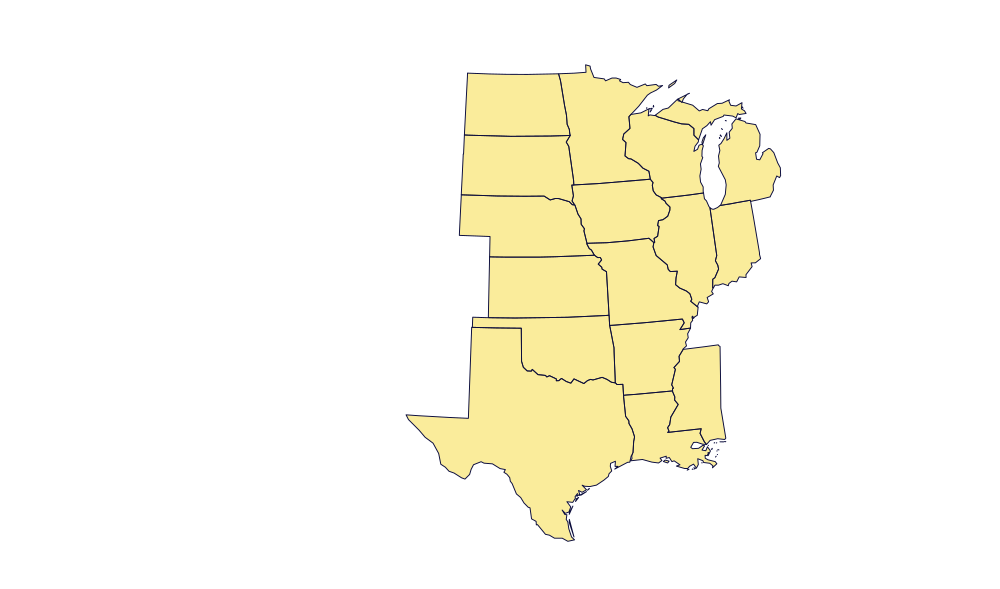
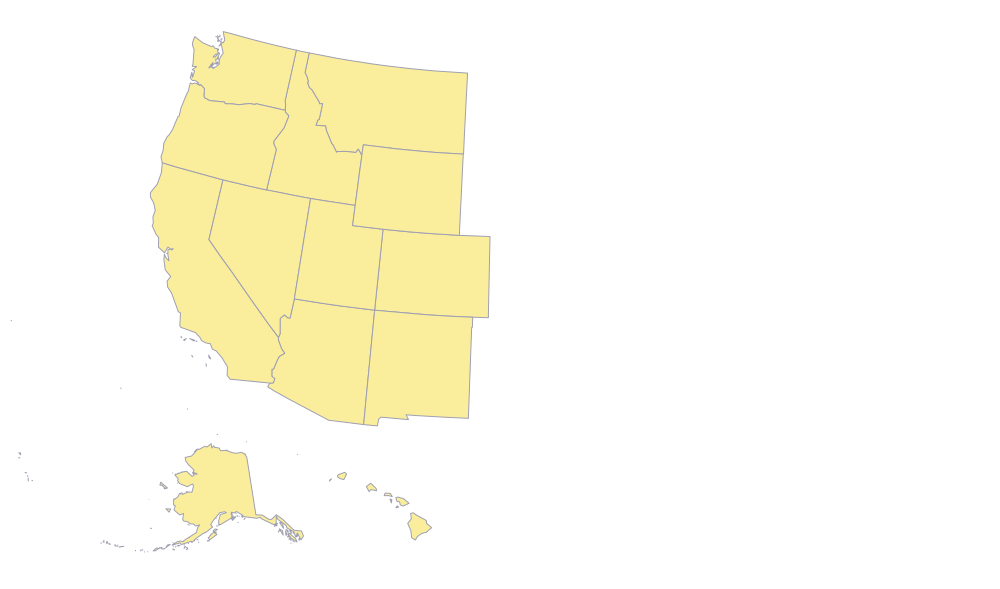
AVLS Nationwide Services
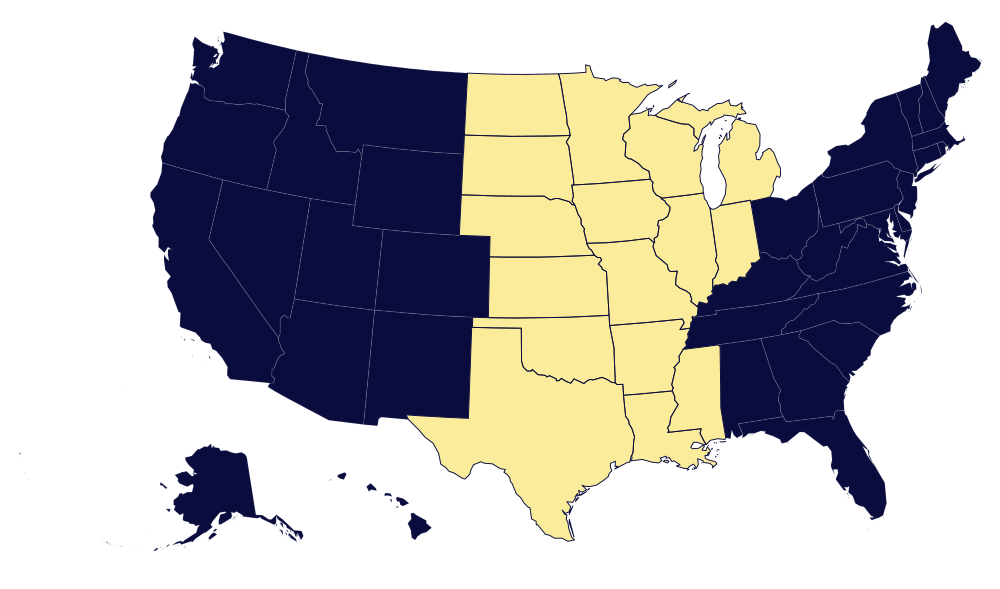
Central States
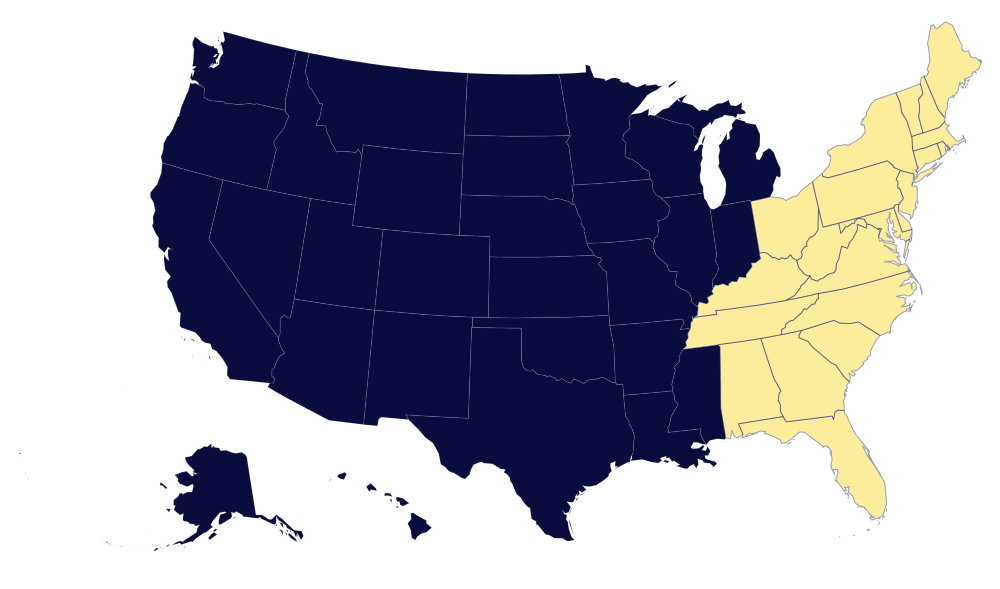
East Coast
*COMING SOON
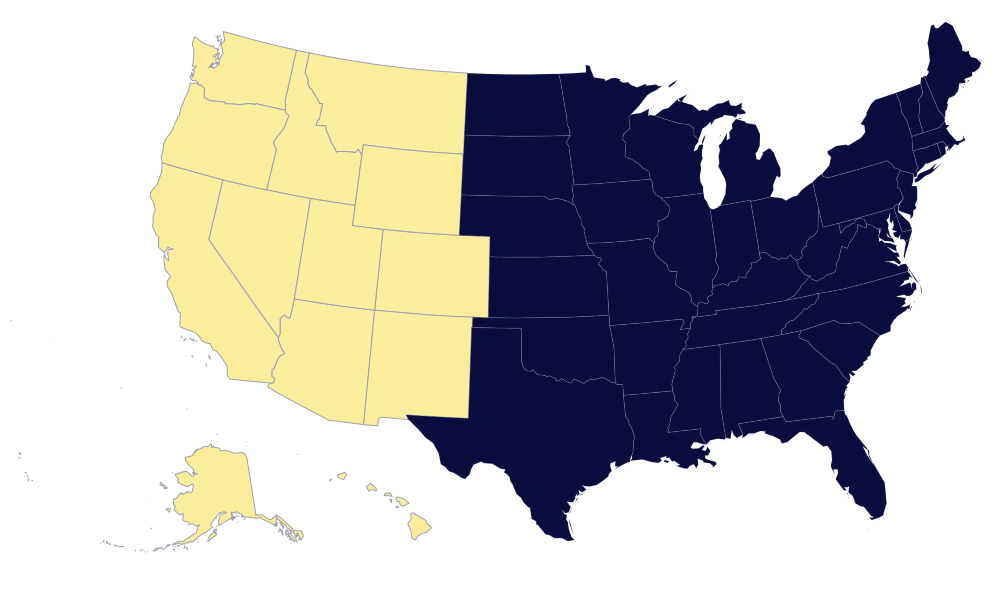
West Coast

*COMING SOON
East Coast
Central States
West Coast
AVLS Nationwide Services
CONTACT US
When your event matters, trust your audio visual labor needs to AV Labor Source.
AVLS operate and has proven pool of AV technicians in major cities US Nationwide, such as Las Vegas, Los Angeles, Orlando, Dallas, San Antonio, Austin, Houston, Washington DC, Atlanta, New Orleans, Tennessee and more.
Please complete the form below and we will respond to you as soon as possible. We are available 24 hours a day to assist with your needs. We look forward to showing you what we can do toward the success of your next event.
AVLS operate and has proven pool of AV technicians in major cities US Nationwide, such as Las Vegas, Los Angeles, Orlando, Dallas, San Antonio, Austin, Houston, Washington DC, Atlanta, New Orleans, Tennessee and more.
Please complete the form below and we will respond to you as soon as possible. We are available 24 hours a day to assist with your needs. We look forward to showing you what we can do toward the success of your next event.
EVENT INFORMATION
