





July 11, 2026
What Does a Lighting Engineer Do at an Event?
A single poorly timed lighting cue can transform a flawless corporate presentation into an awkward fumble, yet most event planners remain unclear about what does a lighting engineer do at an event. A lighting engineer serves as the technical mastermind behind all lighting systems, managing everything from initial equipment setup and programming to real-time operation during the event and immediate troubleshooting when problems arise.
Key Takeaways
Core Responsibilities of a Lighting Engineer at Events
A lighting engineer manages the complete technical execution of event lighting systems from setup through breakdown. Their primary role involves programming lighting control systems, operating equipment during the event, and ensuring all lighting elements function properly throughout the production.
Pre-Event Planning and Setup:
During the Event:
Post-Event Breakdown:
The lighting engineer serves as the technical bridge between creative vision and flawless execution, ensuring every lighting moment enhances rather than distracts from the event experience.
What Is the Difference Between a Lighting Engineer and a Lighting Designer
A lighting designer creates the artistic vision and conceptual plan, while a lighting engineer handles the technical implementation and operation of that vision. Lighting designers focus on aesthetics, mood, and visual storytelling, whereas lighting engineers concentrate on equipment functionality, programming accuracy, and real-time technical execution.
Lighting Designer Responsibilities:
Lighting Engineer Responsibilities:
When Roles Overlap:
On smaller productions, one person may serve both functions. However, large-scale events typically require separate professionals because design work happens weeks in advance while engineering requires hands-on technical expertise during the event itself.
Choose a lighting designer when you need creative vision and conceptual planning. Choose a lighting engineer when you need technical execution and live operation expertise. For complex events, you'll likely need both professionals working as a coordinated team.
How Much Does a Lighting Engineer Cost for an Event
Lighting engineer costs typically range from $500 to $2000 per day, with most corporate events falling in the $800-1200 range. Pricing depends on event complexity, geographic location, engineer experience level, and whether equipment is included or sourced separately.
Standard Pricing Breakdown:
Factors That Increase Costs:
Cost-Saving Strategies:
Remember that lighting engineer fees are separate from equipment rental costs. A skilled engineer prevents costly mistakes and ensures smooth event execution, making their fee a worthwhile investment for professional productions.
What Equipment Does a Lighting Engineer Need to Bring
Professional lighting engineers typically bring personal tools and control equipment while coordinating with rental companies for larger lighting fixtures and infrastructure. Their personal kit focuses on programming devices, testing equipment, and troubleshooting tools essential for technical operation.
Essential Personal Equipment:
Venue-Provided or Rental Equipment:
Equipment Coordination Process:
The lighting engineer reviews equipment lists during pre-event planning, coordinates with rental companies to ensure proper gear selection, and verifies all equipment functionality during setup. They don't typically own large lighting fixtures but maintain professional relationships with rental vendors to source appropriate equipment for each event's specific needs.
For smaller events, some lighting engineers offer package deals that include both their services and basic equipment rental, simplifying coordination for event planners.
Can I Do Event Lighting Myself or Do I Need to Hire Someone
Simple events with basic lighting needs can be managed without professional engineers, but events requiring precise timing, complex programming, or mission-critical lighting should use experienced professionals. The decision depends on your event's technical complexity, your comfort level with lighting equipment, and the consequences of lighting problems.
When DIY Lighting Works:
When Professional Engineers Are Essential:
Middle-Ground Options:
Risk Assessment Questions:
Ask yourself: What happens if the lighting fails during your event? Can you troubleshoot DMX signal problems or electrical issues quickly? Do you have backup plans for equipment failures? If these scenarios concern you, professional engineering services provide valuable insurance against technical problems.
What Does a Lighting Engineer Do During Setup vs During the Event
During setup, lighting engineers focus on technical preparation and system programming, while during the event they concentrate on real-time operation and immediate problem resolution. The setup phase requires methodical technical work, whereas live operation demands quick decision-making and seamless execution.
Setup Phase Responsibilities (2-8 hours before event):
During Event Operations:
Key Difference in Mindset:
Setup allows for careful, methodical work with time to test and refine systems. Live operation requires confident execution under pressure with no opportunity for major changes. Experienced lighting engineers use thorough setup preparation to ensure smooth live operation, anticipating potential problems and creating solutions before the event begins.
The setup phase determines event success, while live operation delivers on that preparation.
Lighting Engineer vs Stage Technician: What's the Difference
Lighting engineers specialize exclusively in lighting systems operation and programming, while stage technicians handle broader technical responsibilities including audio, video, rigging, and general stage management. Lighting engineers possess deep expertise in lighting control systems, whereas stage technicians offer versatile skills across multiple technical disciplines.
Lighting Engineer Specialization:
Stage Technician Versatility:
When to Choose Each:
Choose lighting engineers for events with complex lighting requirements, precise cueing needs, or sophisticated equipment that requires specialized programming expertise. Choose stage technicians for smaller events where one person can handle multiple technical responsibilities or when budget constraints require versatile technical support.
Many successful events use both: stage technicians for general setup and equipment handling, with lighting engineers focused specifically on lighting operation and programming. This combination provides both specialized expertise and cost-effective technical coverage.
How Long Does a Lighting Engineer Need to Prepare Before an Event
Most lighting engineers require 2-8 hours of on-site preparation time depending on event complexity, with simple setups taking 2-3 hours and complex productions requiring full-day or multi-day preparation. Advanced planning and coordination typically begin 2-4 weeks before the event date.
Preparation Timeline Breakdown:
2-4 Weeks Before Event:
1 Week Before Event:
Day of Event Setup Time:
Factors That Extend Preparation Time:
Efficiency Strategies:
Experienced engineers reduce setup time through advance planning, pre-programmed lighting libraries, and established relationships with venues and rental companies. Professional event production teams coordinate schedules to optimize setup efficiency and minimize conflicts between technical disciplines.
Plan for adequate setup time to ensure quality results and avoid rushed installations that increase the risk of technical problems.
What Skills Do You Need to Become a Lighting Engineer
Becoming a lighting engineer requires technical expertise in electrical systems and lighting equipment, programming proficiency with lighting control software, and strong problem-solving abilities under pressure. Most professionals develop these skills through formal training programs, hands-on experience, and continuous learning about evolving lighting technology.
Essential Technical Skills:
Critical Soft Skills:
Career Development Paths:
Continuous Learning Requirements:
Lighting technology evolves rapidly, requiring ongoing education about new equipment, software updates, and industry best practices. Successful lighting engineers invest in regular training and maintain certifications on current lighting control systems to stay competitive in the field.
What Happens If Lighting Fails During an Event: Who Fixes It
The lighting engineer serves as the primary responder for all lighting failures during events, using their technical expertise and backup systems to restore functionality quickly. They work with venue staff and equipment vendors as needed but take direct responsibility for diagnosing problems and implementing solutions without disrupting the event flow.
Immediate Response Protocol:
Common Failure Scenarios and Solutions:
Prevention Strategies:
Experienced lighting engineers minimize failure risks through redundant system design, thorough pre-event testing, and backup equipment placement. They program emergency lighting states that maintain basic functionality even with significant equipment failures.
When Additional Help Is Needed:
For major electrical problems or equipment failures requiring replacement, lighting engineers coordinate with venue electricians and rental company technicians. However, they maintain primary responsibility for keeping events running smoothly regardless of technical challenges.
The key is preparation: skilled lighting engineers anticipate potential failures and create multiple backup solutions before problems occur.
Do I Need a Lighting Engineer for a Small Indoor Event
Small indoor events under 100 people typically don't require professional lighting engineers if the venue provides adequate ambient lighting and your event doesn't involve presentations, performances, or specific lighting effects. However, even small events benefit from professional lighting when ambiance, branding, or technical reliability are important to success.
When Small Events Don't Need Engineers:
When Small Events Benefit from Professional Engineers:
Cost-Effective Alternatives:
Decision Framework:
Ask yourself: Does your event success depend on lighting working perfectly? Do you need specific lighting effects or timing? Can you handle technical problems yourself? If lighting is just background ambiance, you may not need an engineer. If lighting supports your event goals or brand image, professional services provide valuable assurance.
What's the Most Common Mistake People Make with Event Lighting
The most common mistake is treating lighting as an afterthought rather than planning it early in the event design process, leading to inadequate power planning, poor equipment placement, and insufficient setup time. This reactive approach often results in compromised lighting quality and increased costs due to last-minute equipment needs or venue limitations.
Top Lighting Planning Mistakes:
Inadequate Power Planning:
Poor Timeline Management:
Unrealistic Budget Expectations:
Communication Failures:
Prevention Strategy:
Include lighting planning in initial event design discussions, typically 6-8 weeks before event dates. Work with experienced event production teams who can coordinate lighting with other technical elements and venue requirements from the beginning of the planning process.
Early planning prevents most lighting problems and often reduces overall costs through better equipment selection and efficient setup coordination.
How Does a Lighting Engineer Work with Other Vendors Like Sound and Video
Lighting engineers coordinate closely with audio and video teams to create integrated technical systems that support unified event experiences. This collaboration involves synchronized programming, shared power and signal distribution, and coordinated setup schedules that prevent conflicts between different technical disciplines.
Pre-Event Coordination:
During Setup Integration:
Live Event Collaboration:
Professional Relationships:
Experienced lighting engineers maintain working relationships with trusted audio engineers and video technicians, creating technical teams that understand each other's requirements and work efficiently together. This collaboration often results in better event outcomes and more cost-effective technical solutions.
What Types of Events Need Professional Lighting Engineers
Professional lighting engineers are essential for events requiring precise timing, complex programming, or technical reliability where lighting failures would significantly impact event success. Corporate presentations, large conferences, galas, product launches, and entertainment productions typically benefit from professional lighting engineering services.
Events That Require Professional Engineers:
Corporate and Business Events:
Entertainment and Performance Events:
Social and Celebration Events:
Events That May Not Need Professional Engineers:
Decision Factors:
Consider professional lighting engineers when your event success depends on visual impact, technical reliability, or coordinated timing with other event elements. The investment in professional services often prevents costly problems and ensures memorable experiences that support your event goals.
How Far in Advance Should I Book a Lighting Engineer
Book lighting engineers 4-6 weeks in advance for most events to ensure availability of experienced professionals and adequate time for proper planning and coordination. Peak event seasons, complex productions, and high-profile events may require booking 8-12 weeks ahead to secure preferred engineers and optimal equipment availability.
Booking Timeline Recommendations:
Standard Events (4-6 weeks ahead):
Peak Season Events (8-12 weeks ahead):
Factors That Require Earlier Booking:
Last-Minute Booking Challenges:
Booking within 2 weeks of event dates often results in limited engineer availability, higher rates due to rush scheduling, and compromised equipment selection. While possible, last-minute bookings increase costs and reduce options for optimal lighting solutions.
Planning Benefits:
Early booking allows time for proper venue coordination, equipment planning, and pre-event meetings that ensure successful lighting execution. Professional event production teams recommend including lighting engineering in initial event planning rather than treating it as a last-minute addition.
Frequently Asked Questions
What's the difference between a lighting technician and a lighting engineer?
Lighting engineers focus on programming and operating control systems, while lighting technicians typically handle equipment setup, maintenance, and basic operation. Engineers require more specialized training in DMX programming and complex system operation.
Can a lighting engineer also handle audio or video systems?
Some lighting engineers have cross-training in other technical disciplines, but most specialize exclusively in lighting systems. For events needing multiple technical services, it's typically better to hire specialists in each area or experienced AV technicians who can handle basic operations across disciplines.
Do I need to provide meals and breaks for lighting engineers during long events?
Yes, lighting engineers working events longer than 6-8 hours should receive meal breaks and appropriate refreshments. Many contracts specify meal requirements and break schedules, especially for events extending beyond normal work hours.
What happens if my lighting engineer gets sick on event day?
Professional lighting companies and experienced engineers typically have backup coverage arrangements. When booking, ask about their contingency plans and whether backup engineers are available for critical events.
Can lighting engineers work with any brand of lighting equipment?
Most professional lighting engineers are trained on multiple equipment brands and control systems. However, some specialize in specific manufacturers' equipment, so discuss your equipment preferences during the booking process.
Do lighting engineers carry insurance for equipment damage?
Professional lighting engineers typically carry liability insurance, but equipment damage coverage varies. Clarify insurance responsibilities during contract negotiations, especially for expensive rental equipment.
How do lighting engineers handle outdoor events with weather concerns?
Outdoor events require weather-resistant equipment and contingency planning for rain, wind, or extreme temperatures. Experienced engineers plan backup systems and have protocols for protecting equipment during weather events.
Can I change lighting requirements after booking an engineer?
Minor changes are usually accommodated, but significant modifications may require additional equipment, programming time, or costs. Communicate changes as early as possible to avoid last-minute complications or additional fees.
What's the typical overtime rate for lighting engineers?
Overtime rates typically range from 1.5x to 2x the standard hourly rate after 10-12 hours of work. Clarify overtime policies and rates during initial contract negotiations to avoid surprises.
Do lighting engineers provide their own transportation to events?
Local engineers typically include transportation in their base rates, while engineers traveling from other markets may charge additional travel fees, mileage, or require transportation arrangements. Discuss travel requirements during booking.
Can lighting engineers help with emergency lighting or safety requirements?
While lighting engineers ensure proper equipment operation, venue emergency lighting and safety systems are typically the venue's responsibility. Engineers coordinate with venue staff but don't usually manage building safety systems.
How do I know if a lighting engineer is qualified for my event?
Look for engineers with experience in similar event types, relevant equipment certifications, professional references, and appropriate insurance coverage. Ask about their experience with your specific venue or event requirements.
Conclusion
Understanding what does a lighting engineer do at an event helps ensure your next production achieves the professional quality and technical reliability your audience expects. From pre-event planning and equipment programming to real-time operation and immediate problem resolution, lighting engineers provide the specialized expertise that transforms basic illumination into memorable visual experiences.
The key to successful event lighting lies in early planning, clear communication with your lighting team, and realistic budgeting for both equipment and professional services. Whether you're organizing a corporate presentation, gala dinner, or large conference, investing in qualified lighting engineering services prevents costly technical problems and ensures your event lighting enhances rather than distracts from your program goals.
Start your lighting planning 4-6 weeks before your event date, clearly communicate your requirements and expectations, and work with experienced professionals who understand both the technical and creative aspects of event lighting. Remember that lighting engineering is an investment in your event's success, not just an operational expense.
Ready to ensure flawless lighting for your next event? AV Labor Source connects you with experienced lighting engineers and complete technical crews for events nationwide. Our skilled professionals handle everything from simple corporate presentations to complex multi-day productions, ensuring your lighting works perfectly from setup through breakdown. Contact our team today to discuss your event lighting needs and get matched with qualified lighting engineers in your market.
Key Takeaways
- Lighting engineers handle the complete technical lifecycle of event lighting, from pre-event planning and equipment setup to live operation and post-event breakdown
- They differ from lighting designers by focusing on technical execution rather than creative vision, though roles can overlap on smaller productions
- Professional lighting engineers are essential for events with complex lighting needs, multiple zones, or mission-critical presentations where lighting failures aren't acceptable
- Costs typically range from $500-2000 per day depending on event complexity, location, and engineer experience level
- Setup time varies from 2-8 hours for most events, with larger productions requiring days of advance preparation
- Core responsibilities include equipment programming, live operation, vendor coordination, and immediate problem resolution during events
- Small indoor events under 100 people may not require professional lighting engineers if basic ambient lighting suffices
- Booking 4-6 weeks in advance ensures availability of experienced engineers, especially during peak event seasons
Core Responsibilities of a Lighting Engineer at Events
A lighting engineer manages the complete technical execution of event lighting systems from setup through breakdown. Their primary role involves programming lighting control systems, operating equipment during the event, and ensuring all lighting elements function properly throughout the production.
Pre-Event Planning and Setup:
- Review event requirements and lighting design specifications
- Calculate power requirements and coordinate electrical needs with venues
- Program lighting control consoles and test all equipment functionality
- Coordinate with other technical teams including audio, video, and staging crews
- Conduct full system tests and create backup plans for critical lighting cues
During the Event:
- Operate lighting control systems in real-time
- Execute lighting cues synchronized with presentations, performances, or program elements
- Monitor equipment performance and make immediate adjustments as needed
- Communicate with event directors and other technical staff via headset systems
- Document any issues or changes for post-event reporting
Post-Event Breakdown:
- Power down all lighting systems safely
- Supervise equipment removal and inventory
- Complete technical reports and equipment condition assessments
The lighting engineer serves as the technical bridge between creative vision and flawless execution, ensuring every lighting moment enhances rather than distracts from the event experience.
What Is the Difference Between a Lighting Engineer and a Lighting Designer
A lighting designer creates the artistic vision and conceptual plan, while a lighting engineer handles the technical implementation and operation of that vision. Lighting designers focus on aesthetics, mood, and visual storytelling, whereas lighting engineers concentrate on equipment functionality, programming accuracy, and real-time technical execution.
Lighting Designer Responsibilities:
- Develop creative lighting concepts and visual themes
- Create lighting plots and equipment specifications
- Choose colors, angles, and lighting effects that support event goals
- Work with event planners during initial design phases
- May not be present during actual event execution
Lighting Engineer Responsibilities:
- Translate design concepts into technical programming
- Set up and configure all lighting equipment
- Operate lighting systems during live events
- Troubleshoot technical problems in real-time
- Ensure equipment safety and proper functionality
When Roles Overlap:
On smaller productions, one person may serve both functions. However, large-scale events typically require separate professionals because design work happens weeks in advance while engineering requires hands-on technical expertise during the event itself.
Choose a lighting designer when you need creative vision and conceptual planning. Choose a lighting engineer when you need technical execution and live operation expertise. For complex events, you'll likely need both professionals working as a coordinated team.
How Much Does a Lighting Engineer Cost for an Event
Lighting engineer costs typically range from $500 to $2000 per day, with most corporate events falling in the $800-1200 range. Pricing depends on event complexity, geographic location, engineer experience level, and whether equipment is included or sourced separately.
Standard Pricing Breakdown:
- Basic events (conferences, meetings): $500-800 per day
- Mid-level events (galas, product launches): $800-1200 per day
- Complex events (concerts, large productions): $1200-2000+ per day
- Overtime rates: 1.5x standard rate after 10-12 hours
- Travel expenses: Additional if event is outside engineer's local market
Factors That Increase Costs:
- Multiple lighting zones requiring complex programming
- Integration with video, audio, or special effects systems
- Last-minute bookings (less than 2 weeks notice)
- Weekend or holiday events
- High-profile events requiring experienced senior engineers
Cost-Saving Strategies:
- Book engineers 4-6 weeks in advance for better rates
- Bundle lighting engineer services with equipment rental packages
- Consider junior engineers for straightforward events with basic lighting needs
- Negotiate package deals for multi-day events or recurring programs
Remember that lighting engineer fees are separate from equipment rental costs. A skilled engineer prevents costly mistakes and ensures smooth event execution, making their fee a worthwhile investment for professional productions.
What Equipment Does a Lighting Engineer Need to Bring
Professional lighting engineers typically bring personal tools and control equipment while coordinating with rental companies for larger lighting fixtures and infrastructure. Their personal kit focuses on programming devices, testing equipment, and troubleshooting tools essential for technical operation.
Essential Personal Equipment:
- Lighting control console or software: For programming and operating lighting systems
- DMX testing devices: To diagnose signal problems and verify connections
- Multimeter and electrical testing tools: For power and circuit verification
- Headset communication system: To coordinate with other technical staff
- Laptop with lighting software: For advanced programming and backup control
- Cable testers and adapters: For troubleshooting connection issues
- Work lights and flashlights: For setup work in dark venues
Venue-Provided or Rental Equipment:
- LED fixtures, moving lights, and conventional lighting instruments
- Dimmer racks and power distribution systems
- Lighting trusses, stands, and rigging hardware
- DMX cables and signal distribution equipment
- Haze machines and atmospheric effects (if specified)
Equipment Coordination Process:
The lighting engineer reviews equipment lists during pre-event planning, coordinates with rental companies to ensure proper gear selection, and verifies all equipment functionality during setup. They don't typically own large lighting fixtures but maintain professional relationships with rental vendors to source appropriate equipment for each event's specific needs.
For smaller events, some lighting engineers offer package deals that include both their services and basic equipment rental, simplifying coordination for event planners.
Can I Do Event Lighting Myself or Do I Need to Hire Someone
Simple events with basic lighting needs can be managed without professional engineers, but events requiring precise timing, complex programming, or mission-critical lighting should use experienced professionals. The decision depends on your event's technical complexity, your comfort level with lighting equipment, and the consequences of lighting problems.
When DIY Lighting Works:
- Small indoor events (under 100 people) with adequate venue lighting
- Events using only basic uplighting or simple color washes
- Informal gatherings where lighting ambiance isn't critical to success
- Venues with built-in lighting systems that meet your needs
- Events with flexible timing that can accommodate lighting adjustments
When Professional Engineers Are Essential:
- Corporate presentations with timed lighting cues synchronized to content
- Events with multiple lighting zones requiring coordinated operation
- Productions using moving lights, complex effects, or DMX programming
- High-profile events where lighting failures would cause significant problems
- Venues with challenging electrical or rigging requirements
Middle-Ground Options:
- Hire an engineer for setup and programming, then operate simple systems yourself
- Use experienced AV technicians who can handle basic lighting along with audio/video duties
- Rent plug-and-play lighting systems with minimal programming requirements
Risk Assessment Questions:
Ask yourself: What happens if the lighting fails during your event? Can you troubleshoot DMX signal problems or electrical issues quickly? Do you have backup plans for equipment failures? If these scenarios concern you, professional engineering services provide valuable insurance against technical problems.
What Does a Lighting Engineer Do During Setup vs During the Event
During setup, lighting engineers focus on technical preparation and system programming, while during the event they concentrate on real-time operation and immediate problem resolution. The setup phase requires methodical technical work, whereas live operation demands quick decision-making and seamless execution.
Setup Phase Responsibilities (2-8 hours before event):
- Equipment inspection and testing: Verify all fixtures, cables, and control systems function properly
- Programming lighting cues: Create and test all lighting sequences, colors, and timing
- System integration: Coordinate lighting with audio, video, and other technical elements
- Safety verification: Check electrical connections, rigging points, and emergency lighting access
- Rehearsal coordination: Work with presenters or performers to perfect lighting timing
- Backup preparation: Program alternative cues and identify backup equipment options
During Event Operations:
- Live console operation: Execute lighting cues with precise timing throughout the event
- Real-time monitoring: Watch for equipment problems and performance issues
- Immediate troubleshooting: Diagnose and resolve technical problems without disrupting the event
- Communication coordination: Stay in contact with event directors and technical teams via headset
- Adaptive programming: Make quick adjustments based on event pacing or unexpected changes
- Documentation: Note any issues or modifications for post-event reporting
Key Difference in Mindset:
Setup allows for careful, methodical work with time to test and refine systems. Live operation requires confident execution under pressure with no opportunity for major changes. Experienced lighting engineers use thorough setup preparation to ensure smooth live operation, anticipating potential problems and creating solutions before the event begins.
The setup phase determines event success, while live operation delivers on that preparation.
Lighting Engineer vs Stage Technician: What's the Difference
Lighting engineers specialize exclusively in lighting systems operation and programming, while stage technicians handle broader technical responsibilities including audio, video, rigging, and general stage management. Lighting engineers possess deep expertise in lighting control systems, whereas stage technicians offer versatile skills across multiple technical disciplines.
Lighting Engineer Specialization:
- Deep lighting expertise: Advanced knowledge of DMX programming, color theory, and lighting design principles
- Equipment mastery: Specialized training on lighting consoles, moving lights, and control systems
- Programming skills: Ability to create complex lighting sequences and effects
- Focused responsibility: Dedicated solely to lighting systems during events
- Higher rates: Typically command premium pricing for specialized expertise
Stage Technician Versatility:
- Multi-discipline skills: Handle lighting, audio, video, and rigging as needed
- General technical knowledge: Broad understanding of event production systems
- Setup and breakdown: Manage overall technical logistics and equipment handling
- Cost efficiency: Often more budget-friendly for events needing multiple technical services
- Flexible roles: Can adapt to various technical needs during event production
When to Choose Each:
Choose lighting engineers for events with complex lighting requirements, precise cueing needs, or sophisticated equipment that requires specialized programming expertise. Choose stage technicians for smaller events where one person can handle multiple technical responsibilities or when budget constraints require versatile technical support.
Many successful events use both: stage technicians for general setup and equipment handling, with lighting engineers focused specifically on lighting operation and programming. This combination provides both specialized expertise and cost-effective technical coverage.
How Long Does a Lighting Engineer Need to Prepare Before an Event
Most lighting engineers require 2-8 hours of on-site preparation time depending on event complexity, with simple setups taking 2-3 hours and complex productions requiring full-day or multi-day preparation. Advanced planning and coordination typically begin 2-4 weeks before the event date.
Preparation Timeline Breakdown:
2-4 Weeks Before Event:
- Review event requirements and lighting design specifications
- Coordinate equipment needs with rental companies
- Plan power requirements and venue logistics
- Schedule pre-production meetings with event teams
1 Week Before Event:
- Finalize equipment lists and delivery schedules
- Confirm setup timeline with venue and other vendors
- Prepare programming files and backup systems
- Review any last-minute event changes or requirements
Day of Event Setup Time:
- Simple events (basic uplighting, conferences): 2-3 hours
- Medium complexity (corporate galas, product launches): 4-6 hours
- Complex productions (concerts, large conferences): 6-8+ hours
- Multi-day events: Often require advance setup days
Factors That Extend Preparation Time:
- Integration with video walls, projection systems, or special effects
- Multiple lighting zones requiring individual programming
- Challenging venue conditions (limited power, difficult access)
- First-time venue setups without established lighting positions
- Custom programming requirements or unique lighting effects
Efficiency Strategies:
Experienced engineers reduce setup time through advance planning, pre-programmed lighting libraries, and established relationships with venues and rental companies. Professional event production teams coordinate schedules to optimize setup efficiency and minimize conflicts between technical disciplines.
Plan for adequate setup time to ensure quality results and avoid rushed installations that increase the risk of technical problems.
What Skills Do You Need to Become a Lighting Engineer
Becoming a lighting engineer requires technical expertise in electrical systems and lighting equipment, programming proficiency with lighting control software, and strong problem-solving abilities under pressure. Most professionals develop these skills through formal training programs, hands-on experience, and continuous learning about evolving lighting technology.
Essential Technical Skills:
- DMX programming and control systems: Master lighting consoles from manufacturers like ETC, MA Lighting, and Chamsys
- Electrical knowledge: Understand power distribution, circuit calculations, and electrical safety protocols
- Equipment expertise: Operate LED fixtures, moving lights, conventional instruments, and atmospheric effects
- Signal troubleshooting: Diagnose and resolve DMX, network, and control system problems quickly
- Software proficiency: Use lighting design software like Vectorworks, WYSIWYG, or MA3D for planning and visualization
Critical Soft Skills:
- Pressure management: Execute precise timing and troubleshoot problems during live events
- Communication abilities: Coordinate effectively with event teams, vendors, and technical staff
- Attention to detail: Ensure accurate programming and safe equipment operation
- Adaptability: Handle last-minute changes and unexpected technical challenges
- Time management: Complete complex setups within tight deadlines
Career Development Paths:
- Formal education: Pursue degrees in theater technology, electrical engineering, or entertainment technology
- Apprenticeship programs: Learn through hands-on experience with established lighting companies
- Certification courses: Complete manufacturer training on specific lighting control systems
- Industry networking: Build relationships with event production companies and lighting rental vendors
Continuous Learning Requirements:
Lighting technology evolves rapidly, requiring ongoing education about new equipment, software updates, and industry best practices. Successful lighting engineers invest in regular training and maintain certifications on current lighting control systems to stay competitive in the field.
What Happens If Lighting Fails During an Event: Who Fixes It
The lighting engineer serves as the primary responder for all lighting failures during events, using their technical expertise and backup systems to restore functionality quickly. They work with venue staff and equipment vendors as needed but take direct responsibility for diagnosing problems and implementing solutions without disrupting the event flow.
Immediate Response Protocol:
- Rapid diagnosis: Identify whether problems stem from equipment failure, power issues, or control system malfunctions
- Backup activation: Switch to redundant systems or alternative lighting configurations pre-programmed for emergencies
- Silent troubleshooting: Resolve issues using backup control methods while maintaining event lighting
- Team coordination: Communicate with venue technical staff and equipment vendors for additional support
- Documentation: Record failure details for post-event analysis and equipment vendor notification
Common Failure Scenarios and Solutions:
- DMX signal loss: Switch to backup control systems or manual fixture operation
- Power circuit failures: Redistribute loads to alternative circuits or activate backup power systems
- Individual fixture malfunctions: Adjust programming to compensate using remaining functional equipment
- Control console problems: Use backup consoles or emergency lighting presets
- Network connectivity issues: Implement hardwired backup control methods
Prevention Strategies:
Experienced lighting engineers minimize failure risks through redundant system design, thorough pre-event testing, and backup equipment placement. They program emergency lighting states that maintain basic functionality even with significant equipment failures.
When Additional Help Is Needed:
For major electrical problems or equipment failures requiring replacement, lighting engineers coordinate with venue electricians and rental company technicians. However, they maintain primary responsibility for keeping events running smoothly regardless of technical challenges.
The key is preparation: skilled lighting engineers anticipate potential failures and create multiple backup solutions before problems occur.
Do I Need a Lighting Engineer for a Small Indoor Event
Small indoor events under 100 people typically don't require professional lighting engineers if the venue provides adequate ambient lighting and your event doesn't involve presentations, performances, or specific lighting effects. However, even small events benefit from professional lighting when ambiance, branding, or technical reliability are important to success.
When Small Events Don't Need Engineers:
- Adequate venue lighting: Conference rooms, hotels, or restaurants with sufficient built-in lighting systems
- Informal gatherings: Social events where lighting mood isn't critical to the experience
- Daytime events: Natural lighting provides primary illumination with minimal artificial lighting needs
- Simple requirements: Basic uplighting or color washes that can be set once and left alone
- Flexible timing: Events that can accommodate lighting adjustments or minor technical issues
When Small Events Benefit from Professional Engineers:
- Corporate presentations: Timed lighting changes synchronized with slides, videos, or speaker introductions
- Brand-focused events: Precise color matching and lighting effects that reinforce company identity
- Photography/video requirements: Professional lighting for documentation or live streaming needs
- Challenging venues: Spaces with poor existing lighting or complex electrical limitations
- Zero-tolerance for problems: Events where lighting failures would cause significant embarrassment or business impact
Cost-Effective Alternatives:
- Skilled AV technicians who can handle basic lighting along with audio/video systems
- Rental packages with preset programming that require minimal technical operation
- Venue lighting specialists who know the space's systems and can optimize existing equipment
Decision Framework:
Ask yourself: Does your event success depend on lighting working perfectly? Do you need specific lighting effects or timing? Can you handle technical problems yourself? If lighting is just background ambiance, you may not need an engineer. If lighting supports your event goals or brand image, professional services provide valuable assurance.
What's the Most Common Mistake People Make with Event Lighting
The most common mistake is treating lighting as an afterthought rather than planning it early in the event design process, leading to inadequate power planning, poor equipment placement, and insufficient setup time. This reactive approach often results in compromised lighting quality and increased costs due to last-minute equipment needs or venue limitations.
Top Lighting Planning Mistakes:
Inadequate Power Planning:
- Failing to assess venue electrical capacity before selecting lighting equipment
- Not coordinating power requirements with other technical systems
- Overlooking the need for additional electrical services or generators
- Assuming venues can handle any lighting load without verification
Poor Timeline Management:
- Scheduling insufficient setup time for complex lighting systems
- Not accounting for programming and testing time in event schedules
- Booking lighting services too close to event dates, limiting equipment and engineer availability
- Failing to coordinate lighting setup with other vendor schedules
Unrealistic Budget Expectations:
- Underestimating costs for professional lighting equipment and engineering services
- Not budgeting for essential items like power distribution, rigging, or safety equipment
- Expecting elaborate lighting effects on minimal budgets
- Overlooking additional costs like overtime, travel, or venue fees
Communication Failures:
- Not sharing complete event requirements with lighting professionals during planning
- Failing to communicate venue limitations or restrictions to lighting teams
- Making significant event changes without consulting lighting engineers about impacts
- Not establishing clear communication protocols for event day coordination
Prevention Strategy:
Include lighting planning in initial event design discussions, typically 6-8 weeks before event dates. Work with experienced event production teams who can coordinate lighting with other technical elements and venue requirements from the beginning of the planning process.
Early planning prevents most lighting problems and often reduces overall costs through better equipment selection and efficient setup coordination.
How Does a Lighting Engineer Work with Other Vendors Like Sound and Video
Lighting engineers coordinate closely with audio and video teams to create integrated technical systems that support unified event experiences. This collaboration involves synchronized programming, shared power and signal distribution, and coordinated setup schedules that prevent conflicts between different technical disciplines.
Pre-Event Coordination:
- Technical meetings: Review integrated system requirements and identify potential conflicts between lighting, audio, and video equipment
- Power planning: Coordinate electrical needs to prevent circuit overloads and ensure adequate power distribution for all systems
- Signal integration: Plan DMX, network, and control system connections that allow coordinated operation between technical elements
- Schedule coordination: Establish setup timelines that allow each technical team adequate access without interfering with others
During Setup Integration:
- Shared infrastructure: Coordinate truss systems, cable runs, and power distribution that serve multiple technical disciplines
- Programming synchronization: Create lighting cues that complement audio levels, video content, and presentation timing
- Communication systems: Establish headset networks that connect lighting engineers with audio, video, and event management teams
- Testing coordination: Conduct integrated system tests to verify all technical elements work together properly
Live Event Collaboration:
- Unified cueing: Execute coordinated lighting, audio, and video changes that enhance presentations or performances
- Real-time communication: Share information about technical issues or timing changes that affect multiple systems
- Backup coordination: Support each other during equipment failures or unexpected technical challenges
- Adaptive programming: Make coordinated adjustments based on event pacing or presenter needs
Professional Relationships:
Experienced lighting engineers maintain working relationships with trusted audio engineers and video technicians, creating technical teams that understand each other's requirements and work efficiently together. This collaboration often results in better event outcomes and more cost-effective technical solutions.
What Types of Events Need Professional Lighting Engineers
Professional lighting engineers are essential for events requiring precise timing, complex programming, or technical reliability where lighting failures would significantly impact event success. Corporate presentations, large conferences, galas, product launches, and entertainment productions typically benefit from professional lighting engineering services.
Events That Require Professional Engineers:
Corporate and Business Events:
- Product launches: Dramatic lighting reveals and brand-focused color schemes
- Annual meetings: Synchronized lighting for presentations and award ceremonies
- Trade shows: Complex booth lighting and coordinated exhibition lighting systems
- Executive conferences: Professional presentation lighting and room ambiance control
Entertainment and Performance Events:
- Concerts and live music: Complex moving light shows and synchronized effects
- Theater productions: Precise cueing and artistic lighting design execution
- Dance performances: Coordinated lighting that enhances choreography and music
- Award shows: Television-quality lighting for live and broadcast audiences
Social and Celebration Events:
- Wedding receptions: Romantic ambiance lighting and coordinated color schemes
- Charity galas: Elegant lighting that enhances fundraising presentations and entertainment
- Anniversary celebrations: Branded lighting and coordinated visual experiences
- Holiday parties: Festive lighting effects and seasonal color coordination
Events That May Not Need Professional Engineers:
- Small meetings (under 50 people) with adequate venue lighting
- Informal social gatherings where ambiance isn't critical
- Daytime events with sufficient natural lighting
- Simple presentations using only basic room lighting
Decision Factors:
Consider professional lighting engineers when your event success depends on visual impact, technical reliability, or coordinated timing with other event elements. The investment in professional services often prevents costly problems and ensures memorable experiences that support your event goals.
How Far in Advance Should I Book a Lighting Engineer
Book lighting engineers 4-6 weeks in advance for most events to ensure availability of experienced professionals and adequate time for proper planning and coordination. Peak event seasons, complex productions, and high-profile events may require booking 8-12 weeks ahead to secure preferred engineers and optimal equipment availability.
Booking Timeline Recommendations:
Standard Events (4-6 weeks ahead):
- Corporate meetings and conferences
- Wedding receptions and social events
- Product launches and business presentations
- Trade show booth lighting
- Large conferences with multiple lighting zones
- Entertainment productions with custom programming
- Multi-day events requiring extensive coordination
- Events with integrated audio, video, and lighting systems
Peak Season Events (8-12 weeks ahead):
- Holiday season events (November-December)
- Wedding season bookings (May-September)
- Conference season (September-November, March-May)
- Summer festival season (June-August)
Factors That Require Earlier Booking:
- Specific engineer preferences or specialized expertise requirements
- Challenging venues with limited technical infrastructure
- Events requiring custom programming or unique lighting effects
- High-profile events where technical failures aren't acceptable
- Locations with limited local lighting engineer availability
Last-Minute Booking Challenges:
Booking within 2 weeks of event dates often results in limited engineer availability, higher rates due to rush scheduling, and compromised equipment selection. While possible, last-minute bookings increase costs and reduce options for optimal lighting solutions.
Planning Benefits:
Early booking allows time for proper venue coordination, equipment planning, and pre-event meetings that ensure successful lighting execution. Professional event production teams recommend including lighting engineering in initial event planning rather than treating it as a last-minute addition.
Frequently Asked Questions
What's the difference between a lighting technician and a lighting engineer?
Lighting engineers focus on programming and operating control systems, while lighting technicians typically handle equipment setup, maintenance, and basic operation. Engineers require more specialized training in DMX programming and complex system operation.
Can a lighting engineer also handle audio or video systems?
Some lighting engineers have cross-training in other technical disciplines, but most specialize exclusively in lighting systems. For events needing multiple technical services, it's typically better to hire specialists in each area or experienced AV technicians who can handle basic operations across disciplines.
Do I need to provide meals and breaks for lighting engineers during long events?
Yes, lighting engineers working events longer than 6-8 hours should receive meal breaks and appropriate refreshments. Many contracts specify meal requirements and break schedules, especially for events extending beyond normal work hours.
What happens if my lighting engineer gets sick on event day?
Professional lighting companies and experienced engineers typically have backup coverage arrangements. When booking, ask about their contingency plans and whether backup engineers are available for critical events.
Can lighting engineers work with any brand of lighting equipment?
Most professional lighting engineers are trained on multiple equipment brands and control systems. However, some specialize in specific manufacturers' equipment, so discuss your equipment preferences during the booking process.
Do lighting engineers carry insurance for equipment damage?
Professional lighting engineers typically carry liability insurance, but equipment damage coverage varies. Clarify insurance responsibilities during contract negotiations, especially for expensive rental equipment.
How do lighting engineers handle outdoor events with weather concerns?
Outdoor events require weather-resistant equipment and contingency planning for rain, wind, or extreme temperatures. Experienced engineers plan backup systems and have protocols for protecting equipment during weather events.
Can I change lighting requirements after booking an engineer?
Minor changes are usually accommodated, but significant modifications may require additional equipment, programming time, or costs. Communicate changes as early as possible to avoid last-minute complications or additional fees.
What's the typical overtime rate for lighting engineers?
Overtime rates typically range from 1.5x to 2x the standard hourly rate after 10-12 hours of work. Clarify overtime policies and rates during initial contract negotiations to avoid surprises.
Do lighting engineers provide their own transportation to events?
Local engineers typically include transportation in their base rates, while engineers traveling from other markets may charge additional travel fees, mileage, or require transportation arrangements. Discuss travel requirements during booking.
Can lighting engineers help with emergency lighting or safety requirements?
While lighting engineers ensure proper equipment operation, venue emergency lighting and safety systems are typically the venue's responsibility. Engineers coordinate with venue staff but don't usually manage building safety systems.
How do I know if a lighting engineer is qualified for my event?
Look for engineers with experience in similar event types, relevant equipment certifications, professional references, and appropriate insurance coverage. Ask about their experience with your specific venue or event requirements.
Conclusion
Understanding what does a lighting engineer do at an event helps ensure your next production achieves the professional quality and technical reliability your audience expects. From pre-event planning and equipment programming to real-time operation and immediate problem resolution, lighting engineers provide the specialized expertise that transforms basic illumination into memorable visual experiences.
The key to successful event lighting lies in early planning, clear communication with your lighting team, and realistic budgeting for both equipment and professional services. Whether you're organizing a corporate presentation, gala dinner, or large conference, investing in qualified lighting engineering services prevents costly technical problems and ensures your event lighting enhances rather than distracts from your program goals.
Start your lighting planning 4-6 weeks before your event date, clearly communicate your requirements and expectations, and work with experienced professionals who understand both the technical and creative aspects of event lighting. Remember that lighting engineering is an investment in your event's success, not just an operational expense.
Ready to ensure flawless lighting for your next event? AV Labor Source connects you with experienced lighting engineers and complete technical crews for events nationwide. Our skilled professionals handle everything from simple corporate presentations to complex multi-day productions, ensuring your lighting works perfectly from setup through breakdown. Contact our team today to discuss your event lighting needs and get matched with qualified lighting engineers in your market.

AVLS Nationwide Services
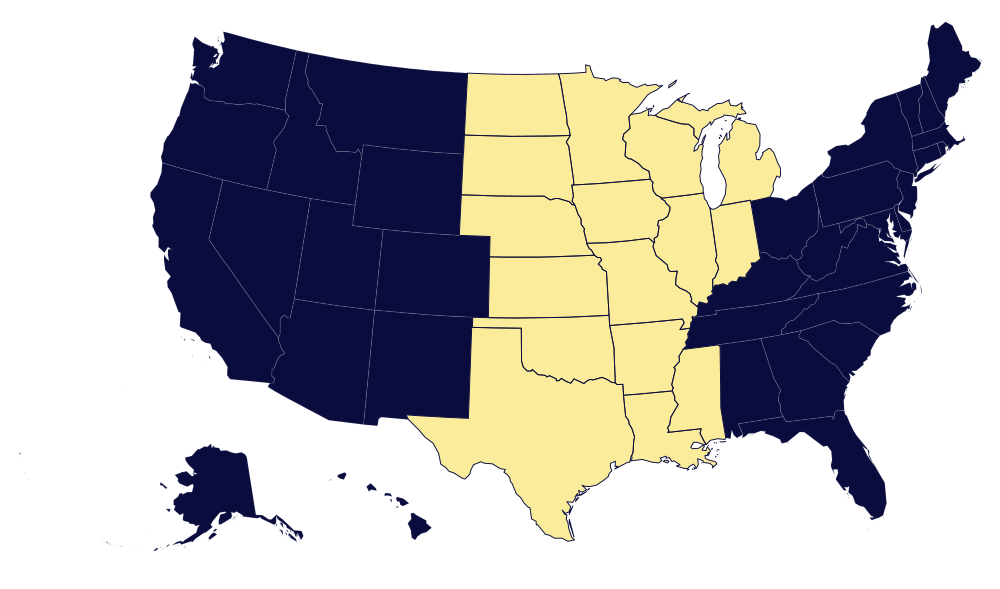
Central States
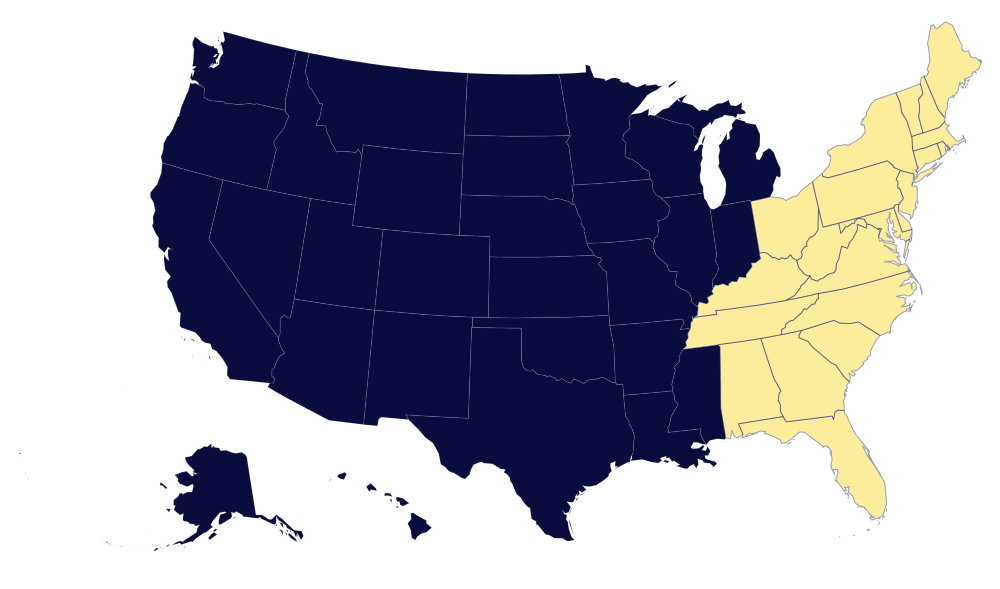
East Coast
*COMING SOON
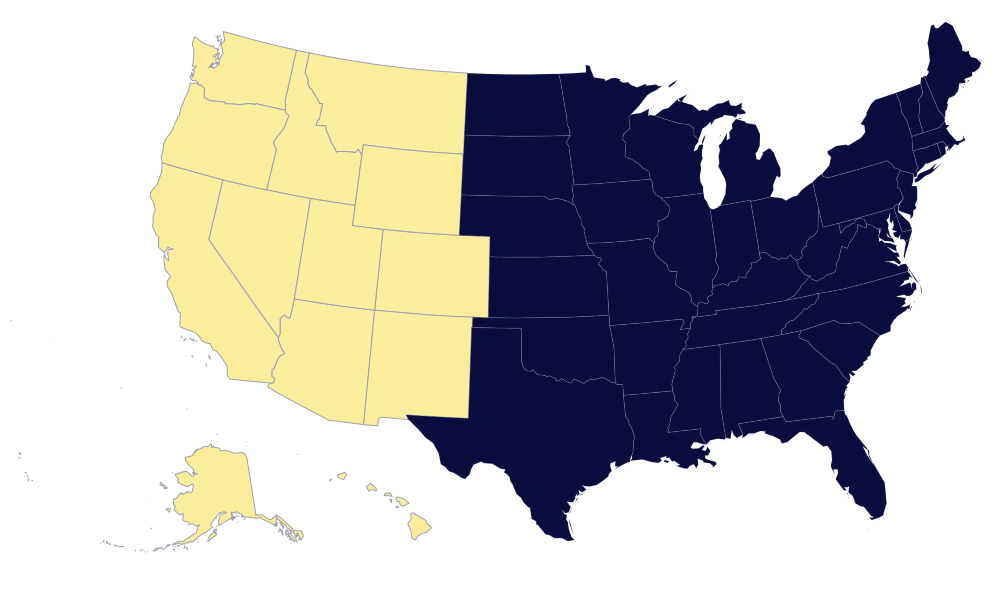
West Coast



*COMING SOON
East Coast
Central States
West Coast
AVLS Nationwide Services
CONTACT US
When your event matters, trust your audio visual labor needs to AV Labor Source.
AVLS operate and has proven pool of AV technicians in major cities US Nationwide, such as Las Vegas, Los Angeles, Orlando, Dallas, San Antonio, Austin, Houston, Washington DC, Atlanta, New Orleans, Tennessee and more.
Please complete the form below and we will respond to you as soon as possible. We are available 24 hours a day to assist with your needs. We look forward to showing you what we can do toward the success of your next event.
AVLS operate and has proven pool of AV technicians in major cities US Nationwide, such as Las Vegas, Los Angeles, Orlando, Dallas, San Antonio, Austin, Houston, Washington DC, Atlanta, New Orleans, Tennessee and more.
Please complete the form below and we will respond to you as soon as possible. We are available 24 hours a day to assist with your needs. We look forward to showing you what we can do toward the success of your next event.
EVENT INFORMATION
