





June 28, 2026
What Does an AV Technician Do at a Live Event?
Quick Answer
An AV technician at a live event manages all audio, video, and lighting equipment to ensure flawless technical execution. They handle setup, operation, and troubleshooting of sound systems, projectors, cameras, microphones, and lighting rigs throughout the event. AV technicians work behind the scenes to create seamless presentations, concerts, conferences, and productions that engage audiences without technical disruptions.
Key Takeaways
What Equipment Does an AV Technician Handle at Live Events?
AV technicians manage a comprehensive array of technical equipment that forms the backbone of any successful live event. The equipment varies significantly based on event type, venue size, and production requirements.
Audio Equipment:
Video Equipment:
Lighting Systems:
Support Infrastructure:
Choose specialized AV technicians in Las Vegas if your event requires expertise with large-scale convention equipment and high-profile production standards.
How Do AV Technicians Prepare Before a Live Event?
Pre-event preparation determines whether a live event runs smoothly or encounters costly technical failures. AV technicians begin their work days or weeks before the actual event date.
Site Survey and Planning:
AV technicians visit the venue to assess power availability, rigging points, sightlines, and acoustic properties. They create detailed equipment layouts and identify potential technical challenges. This phase includes measuring distances for cable runs and determining optimal equipment placement.
Equipment Testing and Inventory:
Every piece of equipment undergoes thorough testing before transport to the venue. Technicians verify functionality of all audio channels, video inputs, lighting fixtures, and control systems. They prepare backup equipment for critical components and create detailed inventory lists.
Load-In and Setup Process:
Technical Rehearsals:
Technicians conduct sound checks with performers, test all video cues, and program lighting sequences. They verify backup systems work correctly and train operators on equipment-specific procedures.
Common mistake: Skipping thorough cable testing during setup leads to signal failures during live events. Professional technicians test every cable connection twice before declaring systems ready.
What Does an AV Technician Do During the Live Event?
During live events, AV technicians transform from setup specialists into real-time problem solvers and technical directors. Their responsibilities shift to active monitoring, adjustment, and crisis management.
Live Audio Management:
Audio technicians continuously adjust microphone levels, monitor feedback potential, and balance sound for both live audiences and broadcast feeds. They manage wireless frequency coordination to prevent interference and ensure clear communication between performers and technical crew.
Video Operations:
Video technicians operate cameras, switch between multiple video sources, and manage live streaming feeds. They coordinate with directors to capture key moments and ensure proper framing for both in-person and remote audiences.
Lighting Control:
Lighting technicians execute pre-programmed cues while making real-time adjustments based on stage action. They coordinate with performers for spotlight follows and adjust intensity levels based on ambient conditions.
Crisis Management:
When equipment fails, AV technicians must diagnose problems quickly and implement solutions without disrupting the event flow. This requires deep technical knowledge and the ability to work under pressure while maintaining professional composure.
Communication Coordination:
Technicians maintain constant communication with event producers, stage managers, and other crew members through headset systems. They relay technical information and coordinate timing for complex sequences involving multiple departments.
For events requiring specialized expertise, consider hiring professional AV specialists who understand the unique demands of high-stakes live productions.
What Skills Must an AV Technician Have for Live Events?
Successful AV technicians combine technical expertise with interpersonal skills and the ability to perform under pressure. The skill requirements vary based on specialization areas and event complexity.
Technical Competencies:
Soft Skills:
Specialized Knowledge Areas:
Different event types require specific expertise. Concert technicians need advanced audio mixing skills, while corporate event specialists focus on presentation technology and video conferencing integration.
Certification and Training:
Many technicians pursue certifications from equipment manufacturers like Yamaha, Avid, or Christie. Industry organizations such as AVIXA offer standardized training programs that validate technical competency.
Choose technicians with relevant experience for your event type. Corporate events benefit from specialists familiar with presentation software, while music festivals require technicians experienced with large-format sound systems.
How Do AV Technicians Handle Different Types of Live Events?
The role of an AV technician varies significantly based on event type, each presenting unique technical challenges and requirements. Understanding these differences helps event planners select appropriate technical staff.
Corporate Events and Conferences:
Corporate AV technicians focus on presentation clarity, video conferencing integration, and audience engagement technology. They manage PowerPoint presentations, live polling systems, and hybrid meeting platforms that connect in-person and remote attendees.
Key responsibilities include:
Concerts and Music Festivals:
Music event technicians prioritize audio quality, stage lighting, and performer monitoring systems. They work with complex multi-channel audio setups and coordinate with artists' personal technical riders.
Specialized requirements:
Trade Shows and Exhibitions:
Exhibition technicians manage distributed AV systems across multiple booth spaces and coordinate with various vendors. They handle everything from simple monitor displays to complex interactive demonstrations.
Theater and Performing Arts:
Theatrical productions require precise cue timing, complex lighting programming, and seamless integration between technical elements and live performance.
For specialized event types, work with experienced AV technicians who understand the specific technical requirements and industry standards for your event category.
What Challenges Do AV Technicians Face During Live Events?
Live events present unique technical challenges that require quick thinking, extensive preparation, and robust backup systems. Understanding these challenges helps event planners appreciate the complexity of professional AV work.
Equipment Failures:
Hardware can fail without warning during live events. Professional technicians prepare for this by implementing redundant systems and maintaining hot-spare equipment for critical components. When a wireless microphone fails during a keynote speech, technicians must switch to backup systems within seconds.
Environmental Factors:
Outdoor events face weather challenges including wind, rain, and temperature extremes that affect equipment performance. Indoor venues present acoustic challenges, power limitations, and rigging restrictions that require creative solutions.
Interference and Connectivity Issues:
Wireless systems compete for limited radio frequency spectrum, especially in urban environments with heavy RF traffic. Video signals can suffer from cable length limitations and electromagnetic interference from other equipment.
Time Constraints:
Live events operate on fixed schedules with no flexibility for technical delays. Technicians must complete complex setups within tight timeframes while maintaining quality standards.
Communication Breakdowns:
Large productions involve multiple departments that must coordinate precisely. Miscommunication between audio, video, and lighting teams can result in missed cues and technical errors.
Venue Limitations:
Each venue presents unique challenges including power capacity, structural limitations, and acoustic properties. Technicians must adapt standard setups to work within these constraints.
Solution Strategy:
Professional AV teams mitigate these challenges through thorough advance planning, redundant systems, clear communication protocols, and extensive testing procedures.
What Training and Experience Do AV Technicians Need?
The path to becoming a professional AV technician combines formal education, hands-on training, and progressive experience building. Entry requirements vary based on specialization areas and employer expectations.
Educational Foundation:
Many technicians start with associate degrees in audio engineering, broadcast technology, or electronics. However, hands-on experience often carries more weight than formal credentials in the live events industry.
Apprenticeship and Entry-Level Positions:
New technicians typically begin as assistants or cable runners, learning equipment handling and basic setup procedures. This phase teaches safety protocols, equipment care, and industry workflow standards.
Skill Development Progression:
Manufacturer Certifications:
Equipment manufacturers offer training programs for their specific products. Certifications from companies like Yamaha (audio consoles), Barco (video processors), and ETC (lighting control) demonstrate specialized competency.
Industry Certifications:
AVIXA offers the Certified Technology Specialist (CTS) credential, which validates broad AV knowledge. The Society of Broadcast Engineers provides certifications for broadcast-specific applications.
Continuing Education:
Technology evolves rapidly in the AV industry. Professional technicians attend trade shows, manufacturer training sessions, and industry conferences to stay current with new equipment and techniques.
For those seeking AV industry careers, starting with entry-level positions at established companies provides the best foundation for long-term success.
How Much Do AV Technicians Earn for Live Event Work?
AV technician compensation varies significantly based on experience level, specialization, geographic location, and event type. Understanding pay structures helps both technicians and event planners budget appropriately.
Hourly Rate Structure:
Geographic Variations:
Major markets like New York, Los Angeles, and Las Vegas command premium rates due to higher living costs and concentration of large-scale events. AV technicians in major cities typically earn 20-40% more than smaller markets.
Event Type Premium:
Certain event types pay higher rates due to complexity or working conditions:
Additional Compensation:
Many positions include overtime pay, travel allowances, and per diem for meals and lodging. Long-term contracts or tour work often provide better total compensation than day rates.
Freelance vs. Staff Positions:
Freelance technicians typically earn higher hourly rates but lack benefits and consistent work schedules. Staff positions offer stability, benefits, and career advancement opportunities at lower hourly rates.
Specialization Impact:
Audio engineers and lighting programmers command higher rates than general technicians due to specialized skills and greater responsibility for event success.
What Safety Protocols Do AV Technicians Follow at Live Events?
Safety represents the highest priority for AV technicians, as live events involve electrical systems, elevated work, and large crowds. Professional technicians follow strict safety protocols to protect themselves, colleagues, and event attendees.
Electrical Safety:
AV systems require significant electrical power, creating potential hazards from shock, fire, and equipment damage. Technicians verify proper grounding, use GFCI protection, and follow lockout/tagout procedures when working on powered systems.
Rigging and Height Safety:
Installing lighting and video equipment often requires work at elevation using ladders, lifts, and rigging systems. Technicians must be trained in fall protection, proper rigging techniques, and equipment weight calculations.
Hearing Protection:
Sound levels at concerts and events can cause permanent hearing damage. Technicians use custom-fitted ear protection and follow OSHA guidelines for noise exposure limits during extended work periods.
Equipment Handling:
Heavy equipment requires proper lifting techniques and team coordination to prevent injury. Technicians use appropriate lifting equipment and follow manufacturer guidelines for safe equipment transport.
Emergency Procedures:
Live events require comprehensive emergency planning including evacuation procedures, medical response protocols, and equipment shutdown sequences. Technicians must know their roles in various emergency scenarios.
Venue-Specific Requirements:
Each venue has unique safety requirements including fire codes, capacity limits, and structural limitations. Technicians must complete venue-specific safety orientations before beginning work.
Documentation and Compliance:
Professional companies maintain detailed safety records, conduct regular training updates, and ensure all technicians hold current safety certifications as required by local regulations.
Comparison: AV Technician Roles by Event Size
Frequently Asked Questions
What qualifications do I need to become an AV technician for live events?
Most AV technicians need a high school diploma plus technical training through community colleges, trade schools, or apprenticeships. Hands-on experience matters more than formal degrees, and many successful technicians start as equipment assistants and learn on the job.
How physically demanding is AV technician work at live events?
AV work is physically demanding, requiring lifting equipment up to 50 pounds, working long hours on your feet, and sometimes working at heights. Technicians must have good physical stamina and be comfortable with manual labor aspects of equipment setup and breakdown.
What's the difference between an AV technician and an AV engineer?
AV technicians focus on equipment operation and setup, while AV engineers design systems, manage complex projects, and often have formal engineering degrees. Engineers typically earn higher salaries and handle more strategic responsibilities.
Do AV technicians work regular hours or just during events?
Most live event AV technicians work irregular schedules based on event timing. This includes evenings, weekends, and holidays when events typically occur. Some technicians supplement event work with corporate installations or rental house work for steadier income.
What happens if equipment fails during a live event?
Professional AV setups include backup systems for critical components. When failures occur, technicians quickly switch to backup equipment, diagnose problems, and implement repairs without stopping the event. This requires extensive preparation and quick problem-solving skills.
Can AV technicians specialize in specific areas?
Yes, many technicians specialize in audio, video, lighting, or broadcast technology. Specialists typically earn higher rates and work on more complex productions, but they may have fewer job opportunities than generalists who can handle multiple systems.
What tools do AV technicians need to bring to live events?
Technicians typically bring personal tool kits including screwdrivers, cable testers, flashlights, and safety equipment. Employers usually provide major equipment, but technicians are expected to have professional-grade hand tools and test equipment.
How far in advance do AV technicians start planning for events?
Planning begins weeks or months before large events. Technicians review technical riders, conduct site surveys, and coordinate equipment needs well in advance. Smaller events might only require days of advance planning.
What's the career progression path for AV technicians?
Technicians can advance to crew chiefs, system engineers, or project managers. Some start their own companies or specialize in high-end touring productions. Others transition to permanent positions with venues, production companies, or equipment manufacturers.
Do AV technicians need to travel for work?
Travel requirements vary by employer and event type. Touring productions require extensive travel, while local event companies focus on regional work. Many technicians enjoy the variety that travel brings, while others prefer staying in their home markets.
How do AV technicians stay current with new technology?
The industry evolves rapidly, so technicians attend trade shows, manufacturer training sessions, and industry conferences. Many subscribe to trade publications and participate in online forums to learn about new equipment and techniques.
What's the most challenging aspect of being an AV technician at live events?
Working under tight deadlines with no room for error creates the biggest challenge. When thousands of people are waiting for an event to start, technicians must solve complex problems quickly while maintaining professional standards and safety protocols.
Conclusion
AV technicians serve as the invisible backbone of successful live events, managing complex technical systems that create memorable experiences for audiences. Their responsibilities span from detailed pre-event planning and equipment setup to real-time problem solving and crisis management during live productions.
The role demands a unique combination of technical expertise, physical stamina, and the ability to perform under pressure. Whether working on intimate corporate presentations or massive music festivals, AV technicians must master diverse equipment types while maintaining strict safety standards and professional communication.
For those considering this career path, start by gaining hands-on experience through entry-level positions or formal training programs. The industry offers excellent opportunities for advancement, competitive compensation, and the satisfaction of contributing to events that entertain and inform audiences worldwide.
Event planners should recognize that professional AV technicians represent a critical investment in event success. Their expertise prevents costly technical failures, ensures audience engagement, and provides the technical foundation that allows performers and presenters to focus on content delivery rather than equipment concerns.
To find qualified AV technicians for your next event, work with established AV labor staffing services that can match your specific technical requirements with experienced professionals who understand the demands of live event production.
An AV technician at a live event manages all audio, video, and lighting equipment to ensure flawless technical execution. They handle setup, operation, and troubleshooting of sound systems, projectors, cameras, microphones, and lighting rigs throughout the event. AV technicians work behind the scenes to create seamless presentations, concerts, conferences, and productions that engage audiences without technical disruptions.
Key Takeaways
- Equipment Management: AV technicians set up, operate, and maintain all audio-visual equipment including sound boards, projectors, cameras, and lighting systems
- Real-Time Problem Solving: They monitor equipment during events and quickly resolve technical issues to prevent disruptions
- Pre-Event Preparation: Technicians conduct thorough equipment checks, sound tests, and rehearsals before events begin
- Collaboration: They work closely with event producers, performers, and venue staff to coordinate technical requirements
- Safety Compliance: AV technicians ensure all equipment meets safety standards and follows proper installation protocols
- Signal Management: They route audio and video signals between multiple sources and destinations using complex switching systems
- Live Mixing: Technicians adjust sound levels, lighting cues, and video feeds in real-time based on event needs
- Equipment Breakdown: After events, they safely dismantle and pack all technical equipment for transport
What Equipment Does an AV Technician Handle at Live Events?
AV technicians manage a comprehensive array of technical equipment that forms the backbone of any successful live event. The equipment varies significantly based on event type, venue size, and production requirements.
Audio Equipment:
- Digital and analog mixing consoles
- Microphones (wireless, handheld, lavalier, shotgun)
- Speaker systems and line arrays
- Audio processors and amplifiers
- In-ear monitor systems
- Recording devices and playback systems
Video Equipment:
- LED walls and projection screens
- Cameras (fixed, PTZ, broadcast-quality)
- Video switchers and routers
- Streaming encoders and decoders
- Confidence monitors and teleprompters
- Video recording and playback devices
Lighting Systems:
- LED fixtures and moving lights
- Lighting control consoles
- Dimmer racks and power distribution
- Haze and fog machines
- Follow spots and specialty effects
Support Infrastructure:
- Power distribution systems
- Cable management and signal routing
- Rigging and truss systems
- Communication headsets and intercoms
Choose specialized AV technicians in Las Vegas if your event requires expertise with large-scale convention equipment and high-profile production standards.
How Do AV Technicians Prepare Before a Live Event?
Pre-event preparation determines whether a live event runs smoothly or encounters costly technical failures. AV technicians begin their work days or weeks before the actual event date.
Site Survey and Planning:
AV technicians visit the venue to assess power availability, rigging points, sightlines, and acoustic properties. They create detailed equipment layouts and identify potential technical challenges. This phase includes measuring distances for cable runs and determining optimal equipment placement.
Equipment Testing and Inventory:
Every piece of equipment undergoes thorough testing before transport to the venue. Technicians verify functionality of all audio channels, video inputs, lighting fixtures, and control systems. They prepare backup equipment for critical components and create detailed inventory lists.
Load-In and Setup Process:
- Hour 1-4: Rigging installation and power distribution
- Hour 4-8: Audio system deployment and line checks
- Hour 8-12: Video equipment setup and signal routing
- Hour 12-16: Lighting installation and programming
- Final 4 hours: System integration and rehearsals
Technical Rehearsals:
Technicians conduct sound checks with performers, test all video cues, and program lighting sequences. They verify backup systems work correctly and train operators on equipment-specific procedures.
Common mistake: Skipping thorough cable testing during setup leads to signal failures during live events. Professional technicians test every cable connection twice before declaring systems ready.
What Does an AV Technician Do During the Live Event?
During live events, AV technicians transform from setup specialists into real-time problem solvers and technical directors. Their responsibilities shift to active monitoring, adjustment, and crisis management.
Live Audio Management:
Audio technicians continuously adjust microphone levels, monitor feedback potential, and balance sound for both live audiences and broadcast feeds. They manage wireless frequency coordination to prevent interference and ensure clear communication between performers and technical crew.
Video Operations:
Video technicians operate cameras, switch between multiple video sources, and manage live streaming feeds. They coordinate with directors to capture key moments and ensure proper framing for both in-person and remote audiences.
Lighting Control:
Lighting technicians execute pre-programmed cues while making real-time adjustments based on stage action. They coordinate with performers for spotlight follows and adjust intensity levels based on ambient conditions.
Crisis Management:
When equipment fails, AV technicians must diagnose problems quickly and implement solutions without disrupting the event flow. This requires deep technical knowledge and the ability to work under pressure while maintaining professional composure.
Communication Coordination:
Technicians maintain constant communication with event producers, stage managers, and other crew members through headset systems. They relay technical information and coordinate timing for complex sequences involving multiple departments.
For events requiring specialized expertise, consider hiring professional AV specialists who understand the unique demands of high-stakes live productions.
What Skills Must an AV Technician Have for Live Events?
Successful AV technicians combine technical expertise with interpersonal skills and the ability to perform under pressure. The skill requirements vary based on specialization areas and event complexity.
Technical Competencies:
- Signal Flow Understanding: Deep knowledge of how audio and video signals travel through complex systems
- Equipment Proficiency: Hands-on experience with industry-standard mixing consoles, switchers, and control systems
- Troubleshooting Abilities: Systematic approach to diagnosing and resolving technical problems quickly
- Safety Knowledge: Understanding of electrical safety, rigging protocols, and equipment handling procedures
Soft Skills:
- Communication: Clear, concise communication with team members and clients during high-stress situations
- Adaptability: Flexibility to handle last-minute changes and unexpected technical challenges
- Attention to Detail: Precision in setup, testing, and operation to prevent costly mistakes
- Physical Stamina: Ability to work long hours, lift heavy equipment, and maintain focus during extended events
Specialized Knowledge Areas:
Different event types require specific expertise. Concert technicians need advanced audio mixing skills, while corporate event specialists focus on presentation technology and video conferencing integration.
Certification and Training:
Many technicians pursue certifications from equipment manufacturers like Yamaha, Avid, or Christie. Industry organizations such as AVIXA offer standardized training programs that validate technical competency.
Choose technicians with relevant experience for your event type. Corporate events benefit from specialists familiar with presentation software, while music festivals require technicians experienced with large-format sound systems.
How Do AV Technicians Handle Different Types of Live Events?
The role of an AV technician varies significantly based on event type, each presenting unique technical challenges and requirements. Understanding these differences helps event planners select appropriate technical staff.
Corporate Events and Conferences:
Corporate AV technicians focus on presentation clarity, video conferencing integration, and audience engagement technology. They manage PowerPoint presentations, live polling systems, and hybrid meeting platforms that connect in-person and remote attendees.
Key responsibilities include:
- Laptop and presentation device connectivity
- Confidence monitor setup for speakers
- Live streaming and recording for remote audiences
- Interactive technology like audience response systems
Concerts and Music Festivals:
Music event technicians prioritize audio quality, stage lighting, and performer monitoring systems. They work with complex multi-channel audio setups and coordinate with artists' personal technical riders.
Specialized requirements:
- In-ear monitor mixing for multiple performers
- Front-of-house and monitor engineer coordination
- Wireless frequency management for large performer counts
- Weather protection for outdoor equipment
Trade Shows and Exhibitions:
Exhibition technicians manage distributed AV systems across multiple booth spaces and coordinate with various vendors. They handle everything from simple monitor displays to complex interactive demonstrations.
Theater and Performing Arts:
Theatrical productions require precise cue timing, complex lighting programming, and seamless integration between technical elements and live performance.
For specialized event types, work with experienced AV technicians who understand the specific technical requirements and industry standards for your event category.
What Challenges Do AV Technicians Face During Live Events?
Live events present unique technical challenges that require quick thinking, extensive preparation, and robust backup systems. Understanding these challenges helps event planners appreciate the complexity of professional AV work.
Equipment Failures:
Hardware can fail without warning during live events. Professional technicians prepare for this by implementing redundant systems and maintaining hot-spare equipment for critical components. When a wireless microphone fails during a keynote speech, technicians must switch to backup systems within seconds.
Environmental Factors:
Outdoor events face weather challenges including wind, rain, and temperature extremes that affect equipment performance. Indoor venues present acoustic challenges, power limitations, and rigging restrictions that require creative solutions.
Interference and Connectivity Issues:
Wireless systems compete for limited radio frequency spectrum, especially in urban environments with heavy RF traffic. Video signals can suffer from cable length limitations and electromagnetic interference from other equipment.
Time Constraints:
Live events operate on fixed schedules with no flexibility for technical delays. Technicians must complete complex setups within tight timeframes while maintaining quality standards.
Communication Breakdowns:
Large productions involve multiple departments that must coordinate precisely. Miscommunication between audio, video, and lighting teams can result in missed cues and technical errors.
Venue Limitations:
Each venue presents unique challenges including power capacity, structural limitations, and acoustic properties. Technicians must adapt standard setups to work within these constraints.
Solution Strategy:
Professional AV teams mitigate these challenges through thorough advance planning, redundant systems, clear communication protocols, and extensive testing procedures.
What Training and Experience Do AV Technicians Need?
The path to becoming a professional AV technician combines formal education, hands-on training, and progressive experience building. Entry requirements vary based on specialization areas and employer expectations.
Educational Foundation:
Many technicians start with associate degrees in audio engineering, broadcast technology, or electronics. However, hands-on experience often carries more weight than formal credentials in the live events industry.
Apprenticeship and Entry-Level Positions:
New technicians typically begin as assistants or cable runners, learning equipment handling and basic setup procedures. This phase teaches safety protocols, equipment care, and industry workflow standards.
Skill Development Progression:
- Months 1-6: Basic equipment handling and cable management
- Months 6-18: Single-system operation (audio OR video OR lighting)
- Years 2-3: Multi-system coordination and troubleshooting
- Years 3-5: Lead technician roles and crew management
- Years 5+: System design and project management
Manufacturer Certifications:
Equipment manufacturers offer training programs for their specific products. Certifications from companies like Yamaha (audio consoles), Barco (video processors), and ETC (lighting control) demonstrate specialized competency.
Industry Certifications:
AVIXA offers the Certified Technology Specialist (CTS) credential, which validates broad AV knowledge. The Society of Broadcast Engineers provides certifications for broadcast-specific applications.
Continuing Education:
Technology evolves rapidly in the AV industry. Professional technicians attend trade shows, manufacturer training sessions, and industry conferences to stay current with new equipment and techniques.
For those seeking AV industry careers, starting with entry-level positions at established companies provides the best foundation for long-term success.
How Much Do AV Technicians Earn for Live Event Work?
AV technician compensation varies significantly based on experience level, specialization, geographic location, and event type. Understanding pay structures helps both technicians and event planners budget appropriately.
Hourly Rate Structure:
- Entry Level (0-2 years): $18-25 per hour
- Experienced (2-5 years): $25-40 per hour
- Senior/Lead (5+ years): $40-65 per hour
- Specialists/Engineers: $50-85 per hour
Geographic Variations:
Major markets like New York, Los Angeles, and Las Vegas command premium rates due to higher living costs and concentration of large-scale events. AV technicians in major cities typically earn 20-40% more than smaller markets.
Event Type Premium:
Certain event types pay higher rates due to complexity or working conditions:
- Broadcast/Streaming Events: 15-25% premium
- Outdoor Festivals: 10-20% premium for weather exposure
- Holiday/Weekend Work: Time-and-a-half or double-time rates
- Overnight Load-ins: Shift differentials apply
Additional Compensation:
Many positions include overtime pay, travel allowances, and per diem for meals and lodging. Long-term contracts or tour work often provide better total compensation than day rates.
Freelance vs. Staff Positions:
Freelance technicians typically earn higher hourly rates but lack benefits and consistent work schedules. Staff positions offer stability, benefits, and career advancement opportunities at lower hourly rates.
Specialization Impact:
Audio engineers and lighting programmers command higher rates than general technicians due to specialized skills and greater responsibility for event success.
What Safety Protocols Do AV Technicians Follow at Live Events?
Safety represents the highest priority for AV technicians, as live events involve electrical systems, elevated work, and large crowds. Professional technicians follow strict safety protocols to protect themselves, colleagues, and event attendees.
Electrical Safety:
AV systems require significant electrical power, creating potential hazards from shock, fire, and equipment damage. Technicians verify proper grounding, use GFCI protection, and follow lockout/tagout procedures when working on powered systems.
Rigging and Height Safety:
Installing lighting and video equipment often requires work at elevation using ladders, lifts, and rigging systems. Technicians must be trained in fall protection, proper rigging techniques, and equipment weight calculations.
Hearing Protection:
Sound levels at concerts and events can cause permanent hearing damage. Technicians use custom-fitted ear protection and follow OSHA guidelines for noise exposure limits during extended work periods.
Equipment Handling:
Heavy equipment requires proper lifting techniques and team coordination to prevent injury. Technicians use appropriate lifting equipment and follow manufacturer guidelines for safe equipment transport.
Emergency Procedures:
Live events require comprehensive emergency planning including evacuation procedures, medical response protocols, and equipment shutdown sequences. Technicians must know their roles in various emergency scenarios.
Venue-Specific Requirements:
Each venue has unique safety requirements including fire codes, capacity limits, and structural limitations. Technicians must complete venue-specific safety orientations before beginning work.
Documentation and Compliance:
Professional companies maintain detailed safety records, conduct regular training updates, and ensure all technicians hold current safety certifications as required by local regulations.
Comparison: AV Technician Roles by Event Size
Event Size | Crew Size | Primary Responsibilities | Equipment Complexity | Typical Duration |
Small (50-200 people) | 1-3 technicians | Basic A/V setup, single operator | Portable systems, simple routing | 4-8 hours |
Medium (200-1000 people) | 3-8 technicians | Specialized roles, backup systems | Modular systems, multiple sources | 8-16 hours |
Large (1000-5000 people) | 8-20 technicians | Department leads, complex coordination | Scalable arrays, broadcast integration | 16-48 hours |
Festival/Arena (5000+ people) | 20+ technicians | Multi-day setup, 24/7 operations | Touring-grade systems, redundancy | 3-7 days |
Frequently Asked Questions
What qualifications do I need to become an AV technician for live events?
Most AV technicians need a high school diploma plus technical training through community colleges, trade schools, or apprenticeships. Hands-on experience matters more than formal degrees, and many successful technicians start as equipment assistants and learn on the job.
How physically demanding is AV technician work at live events?
AV work is physically demanding, requiring lifting equipment up to 50 pounds, working long hours on your feet, and sometimes working at heights. Technicians must have good physical stamina and be comfortable with manual labor aspects of equipment setup and breakdown.
What's the difference between an AV technician and an AV engineer?
AV technicians focus on equipment operation and setup, while AV engineers design systems, manage complex projects, and often have formal engineering degrees. Engineers typically earn higher salaries and handle more strategic responsibilities.
Do AV technicians work regular hours or just during events?
Most live event AV technicians work irregular schedules based on event timing. This includes evenings, weekends, and holidays when events typically occur. Some technicians supplement event work with corporate installations or rental house work for steadier income.
What happens if equipment fails during a live event?
Professional AV setups include backup systems for critical components. When failures occur, technicians quickly switch to backup equipment, diagnose problems, and implement repairs without stopping the event. This requires extensive preparation and quick problem-solving skills.
Can AV technicians specialize in specific areas?
Yes, many technicians specialize in audio, video, lighting, or broadcast technology. Specialists typically earn higher rates and work on more complex productions, but they may have fewer job opportunities than generalists who can handle multiple systems.
What tools do AV technicians need to bring to live events?
Technicians typically bring personal tool kits including screwdrivers, cable testers, flashlights, and safety equipment. Employers usually provide major equipment, but technicians are expected to have professional-grade hand tools and test equipment.
How far in advance do AV technicians start planning for events?
Planning begins weeks or months before large events. Technicians review technical riders, conduct site surveys, and coordinate equipment needs well in advance. Smaller events might only require days of advance planning.
What's the career progression path for AV technicians?
Technicians can advance to crew chiefs, system engineers, or project managers. Some start their own companies or specialize in high-end touring productions. Others transition to permanent positions with venues, production companies, or equipment manufacturers.
Do AV technicians need to travel for work?
Travel requirements vary by employer and event type. Touring productions require extensive travel, while local event companies focus on regional work. Many technicians enjoy the variety that travel brings, while others prefer staying in their home markets.
How do AV technicians stay current with new technology?
The industry evolves rapidly, so technicians attend trade shows, manufacturer training sessions, and industry conferences. Many subscribe to trade publications and participate in online forums to learn about new equipment and techniques.
What's the most challenging aspect of being an AV technician at live events?
Working under tight deadlines with no room for error creates the biggest challenge. When thousands of people are waiting for an event to start, technicians must solve complex problems quickly while maintaining professional standards and safety protocols.
Conclusion
AV technicians serve as the invisible backbone of successful live events, managing complex technical systems that create memorable experiences for audiences. Their responsibilities span from detailed pre-event planning and equipment setup to real-time problem solving and crisis management during live productions.
The role demands a unique combination of technical expertise, physical stamina, and the ability to perform under pressure. Whether working on intimate corporate presentations or massive music festivals, AV technicians must master diverse equipment types while maintaining strict safety standards and professional communication.
For those considering this career path, start by gaining hands-on experience through entry-level positions or formal training programs. The industry offers excellent opportunities for advancement, competitive compensation, and the satisfaction of contributing to events that entertain and inform audiences worldwide.
Event planners should recognize that professional AV technicians represent a critical investment in event success. Their expertise prevents costly technical failures, ensures audience engagement, and provides the technical foundation that allows performers and presenters to focus on content delivery rather than equipment concerns.
To find qualified AV technicians for your next event, work with established AV labor staffing services that can match your specific technical requirements with experienced professionals who understand the demands of live event production.


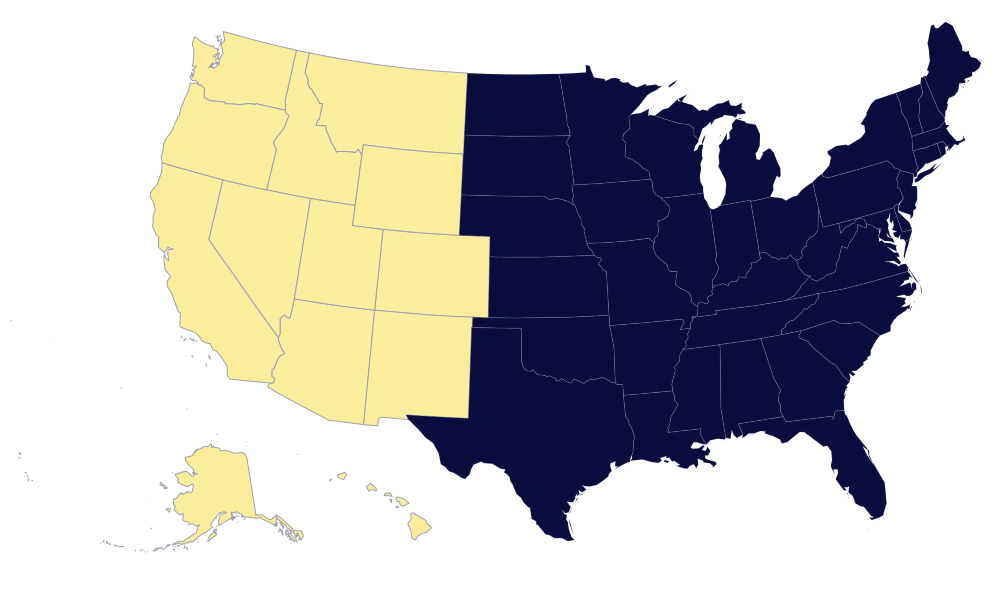
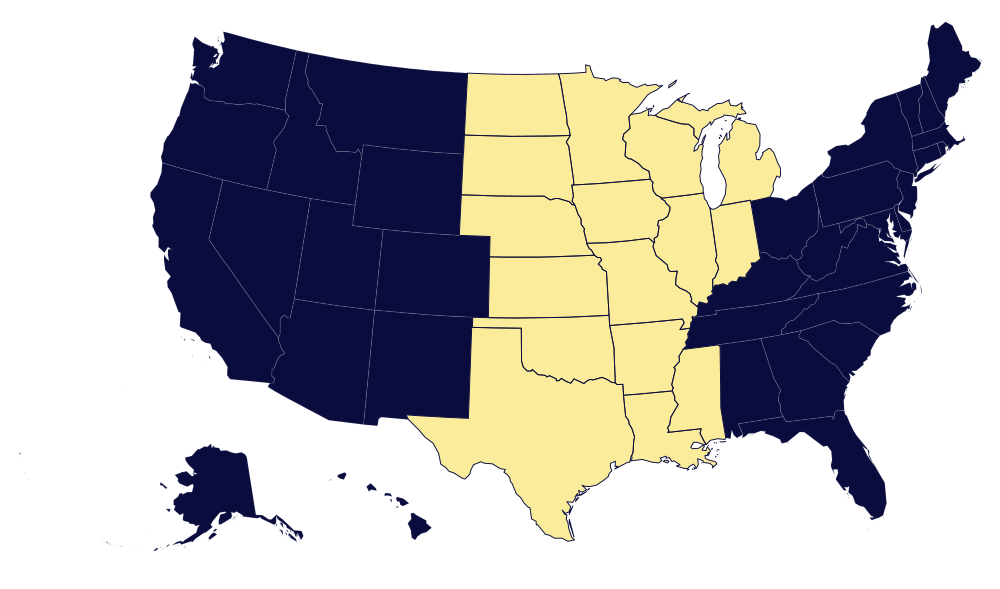
AVLS Nationwide Services
Central States
East Coast
*COMING SOON
West Coast



*COMING SOON
East Coast
Central States
West Coast
AVLS Nationwide Services
CONTACT US
When your event matters, trust your audio visual labor needs to AV Labor Source.
AVLS operate and has proven pool of AV technicians in major cities US Nationwide, such as Las Vegas, Los Angeles, Orlando, Dallas, San Antonio, Austin, Houston, Washington DC, Atlanta, New Orleans, Tennessee and more.
Please complete the form below and we will respond to you as soon as possible. We are available 24 hours a day to assist with your needs. We look forward to showing you what we can do toward the success of your next event.
AVLS operate and has proven pool of AV technicians in major cities US Nationwide, such as Las Vegas, Los Angeles, Orlando, Dallas, San Antonio, Austin, Houston, Washington DC, Atlanta, New Orleans, Tennessee and more.
Please complete the form below and we will respond to you as soon as possible. We are available 24 hours a day to assist with your needs. We look forward to showing you what we can do toward the success of your next event.
EVENT INFORMATION
