





July 29, 2026
How to Staff Video and Camera Crews for Large Events
Quick Answer: Staffing video and camera crews for large events requires 3-8 crew members depending on event size, including camera operators, audio technicians, and a director. Plan for one camera per 100-200 attendees, book crews 4-6 weeks in advance, and budget $800-2,500 per day per crew member based on experience level and location.
Key Takeaways
What Size Crew Do You Need for a Corporate Event
Corporate events typically require 2-6 crew members depending on the venue size, audience count, and production complexity. A basic corporate presentation needs 2-3 people (camera operator, audio tech, and director), while multi-day conferences with breakout sessions require 4-8+ crew members to cover simultaneous activities.
Crew sizing by event type:
The general rule is one camera operator per 100-200 attendees, plus dedicated audio and lighting support. Events with multiple speakers, panel discussions, or audience interaction need additional coverage angles.
Common mistake: Underestimating audio requirements. Even simple presentations need dedicated audio support since camera-mounted microphones rarely capture quality sound in large venues.
For detailed guidance on building the right crew structure, see our complete guide to building AV crews for conferences.
How Much Does It Cost to Hire a Video Crew for an Event
Video crew costs range from $2,000-15,000+ per day depending on crew size, experience level, and location. Individual day rates vary from $400-800 for junior camera operators to $1,200-2,500 for senior videographers and technical directors.
Typical day rate breakdown:
Additional cost factors:
Major markets like New York, Los Angeles, and San Francisco command premium rates, while smaller cities offer more budget-friendly options. Always request all-inclusive quotes to avoid surprise charges.
Budget tip: Consider hiring local AV technicians to reduce travel costs while accessing skilled professionals familiar with area venues.
What's the Difference Between a Videographer and a Camera Operator
A videographer handles the entire video production process from planning to post-production, while a camera operator focuses specifically on operating cameras during filming. Videographers typically work independently and manage creative decisions, whereas camera operators work as part of larger crews under a director's guidance.
Videographer responsibilities:
Camera operator responsibilities:
When to hire each:
Videographers typically charge higher day rates ($800-2,500) since they provide comprehensive services, while camera operators cost less ($400-1,200) but require additional crew support.
Where Can You Find and Hire Camera Crew Members Locally
Local camera crews can be sourced through specialized staffing agencies, freelance platforms, and industry networks. Professional AV staffing companies offer the most reliable access to vetted, experienced crew members with proper equipment and insurance coverage.
Best sourcing methods:
Vetting criteria for local crews:
Geographic considerations: Major markets like Las Vegas, Chicago, and Los Angeles offer deeper talent pools, while smaller cities may require booking further in advance.
Working with established AV labor staffing services ensures access to qualified professionals who understand event production requirements and can handle technical challenges.
What Equipment Should Your Video Crew Bring to a Large Event
Professional video crews should bring multiple cameras, audio recording equipment, lighting gear, and backup systems to ensure comprehensive event coverage. The specific equipment list depends on venue size, lighting conditions, and production requirements.
Essential camera equipment:
Audio requirements:
Lighting and support gear:
Common oversight: Many crews underestimate backup equipment needs. Large events require redundant systems since equipment failure can't be easily replaced during critical moments.
Equipment ownership models:
For comprehensive equipment planning, review our AV equipment and technology guide to understand current industry standards.
How Do You Know If You're Hiring Enough Crew for Your Event Size
Adequate crew sizing depends on simultaneous activities, venue complexity, and coverage requirements rather than just attendee count. Events with multiple concurrent sessions, VIP areas, or live streaming needs require proportionally more crew members than single-stage presentations.
Crew calculation framework:
Red flags indicating insufficient staffing:
Venue-specific considerations:
Decision rule: If your crew can't cover all important activities simultaneously while maintaining quality standards, you need additional personnel. It's better to slightly overstaff than miss crucial event moments.
What Skills Should You Look for When Hiring Camera Operators
Professional camera operators need technical proficiency, event experience, and communication skills to deliver quality results under pressure. Look for operators who demonstrate consistent exposure control, smooth camera movements, and the ability to anticipate important moments during live events.
Essential technical skills:
Event-specific experience:
Soft skills that matter:
Portfolio evaluation criteria:
Interview questions to ask:
For broader crew hiring strategies, see our essential tips for hiring skilled technical crews.
How Far in Advance Should You Book a Video Crew
Book professional video crews 4-6 weeks in advance for standard corporate events, and 8-12 weeks for large conferences or peak season dates. Popular crews and specialized equipment book quickly, especially during busy conference seasons (spring and fall).
Booking timeline recommendations:
Factors affecting availability:
Benefits of early booking:
Rush booking considerations:
Seasonal patterns: Technology conferences peak in spring and fall, while corporate meetings cluster around fiscal year schedules. Plan around these patterns for better crew availability and pricing.
What's the Typical Day Rate for Event Videographers
Event videographer day rates range from $800-2,500 depending on experience level, market location, and services included. Senior videographers in major markets command premium rates, while emerging professionals and smaller cities offer more budget-friendly options.
Rate ranges by experience:
Geographic rate variations:
Services typically included:
Additional charges:
Rate negotiation factors: Package deals for multi-day events, repeat client relationships, and off-peak scheduling can reduce overall costs by 10-20%.
Can You Use Freelancers or Should You Hire an Agency for Event Filming
Both freelancers and agencies offer advantages depending on your event complexity, budget, and risk tolerance. Freelancers provide cost savings and direct relationships, while agencies offer reliability, backup support, and comprehensive service packages.
Freelancer advantages:
Agency advantages:
Choose freelancers when:
Choose agencies when:
Hybrid approach: Many event planners use agencies for key positions (director, lead camera) and freelancers for additional crew members, balancing cost and reliability.
Risk mitigation: Regardless of choice, verify insurance coverage, check recent references, and establish clear contracts with deliverables and contingency plans.
Working with specialized event production services can provide the reliability of agency coordination with competitive freelancer-level pricing.
What Are Common Mistakes When Planning a Video Crew for Events
The most frequent mistakes include underestimating audio requirements, inadequate backup planning, and poor crew communication protocols. These oversights lead to missed coverage, technical failures, and subpar final deliverables.
Critical planning mistakes:
Staffing errors:
Timeline and logistics mistakes:
Communication breakdowns:
Prevention strategy: Create detailed production briefs, conduct venue walkthroughs with crew, and establish clear communication protocols before event day.
How Do You Coordinate Multiple Camera Operators on Set
Effective multi-camera coordination requires a designated technical director, clear communication systems, and predetermined shot assignments for each operator. Establish roles before the event and use headset communication for real-time direction.
Communication setup:
Pre-event coordination:
During event management:
Common coordination challenges:
Best practices:
Do You Need a Separate Audio Person or Can the Camera Operator Handle It
Large events require dedicated audio technicians because camera operators cannot adequately monitor sound quality while managing visual composition and camera movement. Audio specialists ensure proper microphone levels, eliminate feedback, and provide backup recording systems.
When camera operators can handle audio:
When dedicated audio is essential:
Audio technician responsibilities:
Technical limitations for camera operators:
Cost-benefit analysis: Dedicated audio technicians ($600-1,000/day) prevent costly post-production audio repair and ensure professional-quality deliverables.
For detailed audio planning, see our corporate event audio checklist guide.
What Questions Should You Ask a Video Crew Before Hiring Them
Ask about their event experience, equipment capabilities, backup plans, and deliverable specifications to ensure they can meet your specific requirements. Focus on practical logistics rather than just portfolio quality.
Experience and capability questions:
Equipment and technical questions:
Logistics and planning questions:
Deliverable and timeline questions:
Contingency planning questions:
Red flag responses: Vague answers about backup plans, reluctance to provide recent references, or inability to explain technical processes clearly.
Frequently Asked Questions
How many cameras do I need for a 500-person corporate conference?
A 500-person conference typically needs 3-4 cameras: one for the main stage, one for audience reactions, one for close-ups of speakers, and optionally one for networking areas. Add extra cameras if you have breakout sessions or multiple stages running simultaneously.
What's the difference between day rates and project rates for video crews?
Day rates charge per crew member per day ($400-2,500 typical range), while project rates bundle the entire job for a flat fee. Project rates often save money on multi-day events but day rates offer more flexibility for schedule changes.
Can I hire just one videographer for a large corporate event?
One videographer can handle small meetings but large events need multiple crew members. A single operator can't cover multiple speakers, audience reactions, and networking activities simultaneously while maintaining professional quality.
Do video crews provide their own equipment or do I need to rent it separately?
Most professional crews include basic equipment (cameras, tripods, microphones) in their day rates. Specialty equipment like large lighting rigs or broadcast-quality cameras may require separate rental coordination.
How long does it take to get edited video after my event?
Standard turnaround is 1-2 weeks for edited highlights, 3-4 weeks for full event documentation. Rush delivery (24-48 hours) is available for additional fees. Live streaming and same-day highlights require different crew and equipment.
What should I do if my video crew cancels at the last minute?
Professional crews should provide backup options or referrals. Working with established agencies reduces this risk since they maintain larger talent pools. Always have emergency contact information and discuss contingency plans upfront.
Is it cheaper to hire local crews or bring crews from other cities?
Local crews almost always cost less when you factor in travel expenses, hotel costs, and travel time charges. Local crews also know venue layouts and have established vendor relationships that can benefit your event.
Do I need different crews for filming versus live streaming?
Live streaming requires additional technical expertise and equipment beyond standard event filming. Some crews handle both, but complex live streams often need dedicated broadcast specialists alongside filming crews.
What insurance should video crews have for corporate events?
Professional crews should carry general liability insurance ($1-2 million minimum) and equipment coverage. Many venues require certificate of insurance before allowing crews to work on-site.
How do I coordinate video crews with other event vendors?
Establish a vendor communication group, share detailed timelines, and designate a single point person for vendor coordination. Video crews need to coordinate with AV technicians, lighting crews, and venue staff for optimal results.
What happens if there are technical problems during filming?
Professional crews bring backup equipment and have troubleshooting protocols. Discuss contingency plans beforehand and ensure crews have direct communication with technical support or equipment rental companies.
Should video crews attend rehearsals or tech checks?
Yes, for complex events. Rehearsal attendance helps crews understand timing, identify optimal camera positions, and coordinate with other technical teams. Budget for additional crew time if rehearsals occur on separate days.
Need Professional Video Crew Staffing for Your Next Event?
Planning a large corporate event or conference and need experienced video and camera crews? AV Labor Source connects you with vetted professionals nationwide who specialize in event production and live filming. Our network includes experienced camera operators, audio technicians, and technical directors ready to deliver exceptional results for your next event.
Contact us today to discuss your video crew staffing needs and get matched with qualified professionals in your market.
Conclusion
Successfully staffing video and camera crews for large events requires careful planning, appropriate budgeting, and clear communication with qualified professionals. The key is matching crew size and expertise to your specific event requirements while building in adequate backup support and contingency planning.
Remember that professional video coverage is an investment in your event's lasting impact and marketing value. Taking time to properly vet crews, establish clear expectations, and coordinate logistics will ensure you capture high-quality content that serves your organization long after the event concludes.
Start your crew sourcing process 4-6 weeks in advance, prioritize local talent when possible, and don't compromise on essential roles like dedicated audio support. With proper planning and the right team, your event video coverage will exceed expectations and provide valuable content for future marketing and communications efforts.
Key Takeaways
- Crew size scales with event complexity: Small corporate events need 2-3 crew members, while large conferences require 6-8+ professionals
- Book early for best talent: Reserve your video crew 4-6 weeks in advance to secure experienced operators
- Budget varies significantly: Day rates range from $400-800 for junior operators to $1,200-2,500 for senior professionals
- Specialized roles matter: Distinguish between camera operators, videographers, audio engineers, and technical directors
- Local sourcing saves money: Hiring local crews eliminates travel costs and leverages area expertise
- Equipment coordination is crucial: Confirm who provides cameras, audio gear, and backup equipment before the event
- Communication prevents problems: Establish clear roles, shot lists, and contingency plans with your crew beforehand
What Size Crew Do You Need for a Corporate Event
Corporate events typically require 2-6 crew members depending on the venue size, audience count, and production complexity. A basic corporate presentation needs 2-3 people (camera operator, audio tech, and director), while multi-day conferences with breakout sessions require 4-8+ crew members to cover simultaneous activities.
Crew sizing by event type:
- Small meetings (50-100 people): 2-3 crew members
- Corporate conferences (200-500 people): 4-6 crew members
- Large conventions (500+ people): 6-8+ crew members
- Multi-venue events: Add 2-3 crew per additional location
The general rule is one camera operator per 100-200 attendees, plus dedicated audio and lighting support. Events with multiple speakers, panel discussions, or audience interaction need additional coverage angles.
Common mistake: Underestimating audio requirements. Even simple presentations need dedicated audio support since camera-mounted microphones rarely capture quality sound in large venues.
For detailed guidance on building the right crew structure, see our complete guide to building AV crews for conferences.
How Much Does It Cost to Hire a Video Crew for an Event
Video crew costs range from $2,000-15,000+ per day depending on crew size, experience level, and location. Individual day rates vary from $400-800 for junior camera operators to $1,200-2,500 for senior videographers and technical directors.
Typical day rate breakdown:
- Junior camera operator: $400-600/day
- Experienced videographer: $800-1,200/day
- Senior camera operator: $1,000-1,500/day
- Technical director: $1,200-2,500/day
- Audio engineer: $600-1,000/day
- Lighting technician: $500-900/day
Additional cost factors:
- Equipment rental (if not included): $300-1,500/day
- Travel expenses for out-of-town crews
- Overtime rates (typically 1.5x after 10-12 hours)
- Weekend and holiday premiums (25-50% markup)
Major markets like New York, Los Angeles, and San Francisco command premium rates, while smaller cities offer more budget-friendly options. Always request all-inclusive quotes to avoid surprise charges.
Budget tip: Consider hiring local AV technicians to reduce travel costs while accessing skilled professionals familiar with area venues.
What's the Difference Between a Videographer and a Camera Operator
A videographer handles the entire video production process from planning to post-production, while a camera operator focuses specifically on operating cameras during filming. Videographers typically work independently and manage creative decisions, whereas camera operators work as part of larger crews under a director's guidance.
Videographer responsibilities:
- Pre-production planning and shot lists
- Creative direction and storytelling
- Camera operation and composition
- Audio recording and monitoring
- Post-production editing and delivery
- Client communication and project management
Camera operator responsibilities:
- Operating assigned cameras during production
- Following director's shot instructions
- Maintaining focus and exposure
- Equipment setup and breakdown
- Basic technical troubleshooting
When to hire each:
- Choose videographers for: Small events, limited budgets, simple productions requiring one-person crews
- Choose camera operators for: Large events, complex productions, multi-camera setups requiring specialized roles
Videographers typically charge higher day rates ($800-2,500) since they provide comprehensive services, while camera operators cost less ($400-1,200) but require additional crew support.
Where Can You Find and Hire Camera Crew Members Locally
Local camera crews can be sourced through specialized staffing agencies, freelance platforms, and industry networks. Professional AV staffing companies offer the most reliable access to vetted, experienced crew members with proper equipment and insurance coverage.
Best sourcing methods:
- AV staffing agencies: Pre-screened professionals with verified experience
- Industry associations: Local film commissions and broadcast organizations
- Freelance platforms: Upwork, ProductionHUB, and StaffMeUp
- Equipment rental houses: Often maintain crew referral lists
- University programs: Film and media schools for budget-conscious projects
Vetting criteria for local crews:
- Portfolio of similar event work
- Client references from recent projects
- Equipment ownership and backup plans
- Insurance coverage and certifications
- Availability for your specific dates
Geographic considerations: Major markets like Las Vegas, Chicago, and Los Angeles offer deeper talent pools, while smaller cities may require booking further in advance.
Working with established AV labor staffing services ensures access to qualified professionals who understand event production requirements and can handle technical challenges.
What Equipment Should Your Video Crew Bring to a Large Event
Professional video crews should bring multiple cameras, audio recording equipment, lighting gear, and backup systems to ensure comprehensive event coverage. The specific equipment list depends on venue size, lighting conditions, and production requirements.
Essential camera equipment:
- Primary cameras (2-4 units for large events)
- Backup camera bodies and lenses
- Tripods and stabilization equipment
- Extra batteries and memory cards
- Cable management and extension cords
Audio requirements:
- Wireless microphone systems (lavalier and handheld)
- Audio mixing board or recorder
- Backup audio devices
- Headphones for monitoring
- Audio cables and adapters
Lighting and support gear:
- LED panel lights for low-light situations
- Light stands and diffusion materials
- Gaffer tape and basic tools
- Equipment cases and transportation
- Power strips and surge protectors
Common oversight: Many crews underestimate backup equipment needs. Large events require redundant systems since equipment failure can't be easily replaced during critical moments.
Equipment ownership models:
- Crew-owned: Often included in day rates, crew maintains and transports
- Rental coordination: Crew operates client-provided or rented equipment
- Hybrid approach: Crew brings cameras, client handles specialty items
For comprehensive equipment planning, review our AV equipment and technology guide to understand current industry standards.
How Do You Know If You're Hiring Enough Crew for Your Event Size
Adequate crew sizing depends on simultaneous activities, venue complexity, and coverage requirements rather than just attendee count. Events with multiple concurrent sessions, VIP areas, or live streaming needs require proportionally more crew members than single-stage presentations.
Crew calculation framework:
- Base crew: 2-3 people for primary stage coverage
- Additional cameras: +1 operator per extra angle or breakout room
- Audio support: +1 technician for complex sound systems
- Live streaming: +1-2 specialists for broadcast quality
- Roaming coverage: +1 operator for networking areas
Red flags indicating insufficient staffing:
- Single operator covering multiple simultaneous sessions
- No backup coverage for equipment failures
- Crew working excessive hours without breaks
- Missing important moments due to positioning constraints
- Poor audio quality from inadequate monitoring
Venue-specific considerations:
- Large convention centers need more crew for travel time between locations
- Outdoor events require weather contingency staffing
- Multi-day conferences benefit from rotating crew schedules
- High-profile events need redundant coverage for critical moments
Decision rule: If your crew can't cover all important activities simultaneously while maintaining quality standards, you need additional personnel. It's better to slightly overstaff than miss crucial event moments.
What Skills Should You Look for When Hiring Camera Operators
Professional camera operators need technical proficiency, event experience, and communication skills to deliver quality results under pressure. Look for operators who demonstrate consistent exposure control, smooth camera movements, and the ability to anticipate important moments during live events.
Essential technical skills:
- Manual camera operation (exposure, focus, white balance)
- Composition and framing for different shot types
- Audio monitoring and basic troubleshooting
- Equipment setup and breakdown procedures
- File management and backup protocols
Event-specific experience:
- Live event coverage (not just studio work)
- Multi-camera coordination and communication
- Working with event lighting conditions
- Crowd and speaker interaction awareness
- Time-sensitive delivery requirements
Soft skills that matter:
- Clear communication with directors and crew
- Professional appearance and client interaction
- Problem-solving under pressure
- Punctuality and reliability
- Flexibility with changing requirements
Portfolio evaluation criteria:
- Sample footage from similar events
- Consistency across different lighting conditions
- Smooth camera movements and stable shots
- Audio quality in recorded samples
- Client testimonials and repeat bookings
Interview questions to ask:
- "Describe your approach to covering a keynote presentation"
- "How do you handle equipment failures during live events?"
- "What's your experience with [specific camera systems]?"
For broader crew hiring strategies, see our essential tips for hiring skilled technical crews.
How Far in Advance Should You Book a Video Crew
Book professional video crews 4-6 weeks in advance for standard corporate events, and 8-12 weeks for large conferences or peak season dates. Popular crews and specialized equipment book quickly, especially during busy conference seasons (spring and fall).
Booking timeline recommendations:
- Standard corporate events: 4-6 weeks advance
- Large conferences/conventions: 8-12 weeks advance
- Peak season events: 12+ weeks advance
- Last-minute bookings: 1-2 weeks (limited options, premium rates)
Factors affecting availability:
- Conference season clustering (March-May, September-November)
- Major industry trade shows in your city
- Holiday periods and summer vacation schedules
- Crew size requirements and specialized skills
- Equipment availability and rental coordination
Benefits of early booking:
- Access to top-tier crew members
- Better rate negotiations
- Equipment selection and customization time
- Detailed pre-production planning
- Backup crew identification
Rush booking considerations:
- Limited crew selection and higher rates
- Potential equipment availability issues
- Reduced pre-production planning time
- Higher risk of scheduling conflicts
Seasonal patterns: Technology conferences peak in spring and fall, while corporate meetings cluster around fiscal year schedules. Plan around these patterns for better crew availability and pricing.
What's the Typical Day Rate for Event Videographers
Event videographer day rates range from $800-2,500 depending on experience level, market location, and services included. Senior videographers in major markets command premium rates, while emerging professionals and smaller cities offer more budget-friendly options.
Rate ranges by experience:
- Entry level (0-2 years): $400-800/day
- Mid-level (3-5 years): $800-1,500/day
- Senior level (5+ years): $1,200-2,500/day
- Specialist/Director level: $2,000-4,000+/day
Geographic rate variations:
- Major markets (NYC, LA, SF): 25-50% above national average
- Secondary markets (Atlanta, Denver, Seattle): National average rates
- Smaller markets: 15-25% below national average
- Rural areas: 25-40% below national average
Services typically included:
- Camera operation and basic equipment
- On-site direction and shot planning
- File organization and backup
- Basic color correction and editing
- Client communication and coordination
Additional charges:
- Equipment upgrades or specialty gear
- Travel time and mileage
- Overtime beyond 10-12 hour days
- Rush delivery or same-day editing
- Multi-camera coordination fees
Rate negotiation factors: Package deals for multi-day events, repeat client relationships, and off-peak scheduling can reduce overall costs by 10-20%.
Can You Use Freelancers or Should You Hire an Agency for Event Filming
Both freelancers and agencies offer advantages depending on your event complexity, budget, and risk tolerance. Freelancers provide cost savings and direct relationships, while agencies offer reliability, backup support, and comprehensive service packages.
Freelancer advantages:
- Lower costs (20-40% savings typical)
- Direct communication with operators
- Flexible scheduling and customization
- Personal attention to your project
- Established local market relationships
Agency advantages:
- Vetted, insured professionals
- Backup crew and equipment availability
- Project management and coordination
- Consistent quality standards
- Single point of contact for issues
Choose freelancers when:
- Budget is the primary constraint
- Event is straightforward with minimal complexity
- You have time for individual crew coordination
- Local market offers strong freelance talent
- Relationship-building is important
Choose agencies when:
- Event is mission-critical or high-profile
- Multiple crew members need coordination
- Backup support is essential
- You prefer single-vendor responsibility
- Timeline is tight for individual sourcing
Hybrid approach: Many event planners use agencies for key positions (director, lead camera) and freelancers for additional crew members, balancing cost and reliability.
Risk mitigation: Regardless of choice, verify insurance coverage, check recent references, and establish clear contracts with deliverables and contingency plans.
Working with specialized event production services can provide the reliability of agency coordination with competitive freelancer-level pricing.
What Are Common Mistakes When Planning a Video Crew for Events
The most frequent mistakes include underestimating audio requirements, inadequate backup planning, and poor crew communication protocols. These oversights lead to missed coverage, technical failures, and subpar final deliverables.
Critical planning mistakes:
- Insufficient audio support: Relying on camera microphones instead of dedicated audio technicians
- No backup equipment: Single points of failure for critical recording equipment
- Poor venue scouting: Not visiting the location to assess lighting and power needs
- Unclear shot requirements: Failing to communicate specific coverage priorities
- Inadequate crew briefing: Not providing event schedules and key moment timing
Staffing errors:
- Underestimating crew size: Too few operators for simultaneous event activities
- Mixing experience levels: Pairing inexperienced crew with complex technical requirements
- No technical director: Lacking coordination for multi-camera productions
- Ignoring specialized skills: Not hiring audio or lighting specialists when needed
Timeline and logistics mistakes:
- Late crew booking: Settling for available rather than qualified personnel
- Inadequate setup time: Rushing equipment installation and testing
- No contingency planning: Lacking backup crew or equipment arrangements
- Poor vendor coordination: Multiple suppliers without clear responsibility boundaries
Communication breakdowns:
- Unclear deliverable expectations: Not specifying file formats, editing requirements, or delivery timelines
- Missing emergency contacts: No backup communication methods during events
- Inadequate shot lists: Failing to prioritize must-have versus nice-to-have coverage
Prevention strategy: Create detailed production briefs, conduct venue walkthroughs with crew, and establish clear communication protocols before event day.
How Do You Coordinate Multiple Camera Operators on Set
Effective multi-camera coordination requires a designated technical director, clear communication systems, and predetermined shot assignments for each operator. Establish roles before the event and use headset communication for real-time direction.
Communication setup:
- Wireless headset system: Allows real-time direction and coordination
- Technical director role: One person manages all camera operators
- Shot assignment system: Each operator knows their primary coverage area
- Backup communication: Hand signals and mobile phones as redundancy
Pre-event coordination:
- Venue walkthrough: All operators scout positions and sight lines together
- Shot list review: Discuss coverage priorities and special moments
- Equipment check: Verify compatible settings across all cameras
- Timing coordination: Synchronize camera clocks for post-production editing
During event management:
- Primary/secondary assignments: Designate lead coverage and backup angles
- Movement protocols: Coordinate operator repositioning without coverage gaps
- Technical monitoring: Director watches for exposure and audio issues
- Moment anticipation: Communicate upcoming important segments
Common coordination challenges:
- Crossing sight lines: Operators blocking each other's shots
- Inconsistent settings: Mismatched exposure or color temperature between cameras
- Audio conflicts: Multiple wireless systems interfering
- Position conflicts: Operators competing for prime locations
Best practices:
- Assign specific zones rather than roaming coverage
- Establish clear hierarchy for shot priority decisions
- Practice coordination during rehearsals when possible
- Maintain constant but minimal communication to avoid distraction
Do You Need a Separate Audio Person or Can the Camera Operator Handle It
Large events require dedicated audio technicians because camera operators cannot adequately monitor sound quality while managing visual composition and camera movement. Audio specialists ensure proper microphone levels, eliminate feedback, and provide backup recording systems.
When camera operators can handle audio:
- Small meetings with single presenters
- Events using venue's existing sound system
- Simple presentations without audience interaction
- Budget constraints requiring minimal crew
When dedicated audio is essential:
- Multiple speakers or panel discussions
- Audience Q&A sessions requiring roaming microphones
- Live streaming or broadcast requirements
- Large venues with complex sound systems
- Events where audio quality is critical for recordings
Audio technician responsibilities:
- Microphone management: Wireless system coordination and battery monitoring
- Level monitoring: Constant audio quality assessment and adjustment
- Feedback prevention: Managing speaker placement and gain structure
- Backup recording: Secondary audio capture for post-production safety
- Equipment troubleshooting: Real-time problem solving for audio issues
Technical limitations for camera operators:
- Cannot monitor audio levels while focusing on shots
- Limited ability to adjust microphone placement during filming
- Difficulty troubleshooting audio problems while operating cameras
- Risk of missing visual moments while managing sound
Cost-benefit analysis: Dedicated audio technicians ($600-1,000/day) prevent costly post-production audio repair and ensure professional-quality deliverables.
For detailed audio planning, see our corporate event audio checklist guide.
What Questions Should You Ask a Video Crew Before Hiring Them
Ask about their event experience, equipment capabilities, backup plans, and deliverable specifications to ensure they can meet your specific requirements. Focus on practical logistics rather than just portfolio quality.
Experience and capability questions:
- "How many similar events have you covered in the past year?"
- "What's your experience with [specific venue or event type]?"
- "Can you provide references from recent corporate clients?"
- "What's your largest crew size and most complex event?"
Equipment and technical questions:
- "What camera and audio equipment do you own versus rent?"
- "Do you have backup equipment for critical components?"
- "How do you handle low-light or challenging venue conditions?"
- "What's your file backup and data security process?"
Logistics and planning questions:
- "What information do you need for accurate project planning?"
- "How far in advance do you arrive for setup?"
- "What's your process for coordinating with venue staff?"
- "Do you have insurance coverage and what are the limits?"
Deliverable and timeline questions:
- "What file formats and resolutions do you provide?"
- "What's your typical turnaround time for edited deliverables?"
- "Do you offer same-day highlight reels or live streaming?"
- "What's included in your base rate versus additional charges?"
Contingency planning questions:
- "What happens if a crew member becomes ill or unavailable?"
- "How do you handle equipment failures during events?"
- "Do you have relationships with backup crew in this market?"
- "What's your policy for weather-related outdoor event issues?"
Red flag responses: Vague answers about backup plans, reluctance to provide recent references, or inability to explain technical processes clearly.
Frequently Asked Questions
How many cameras do I need for a 500-person corporate conference?
A 500-person conference typically needs 3-4 cameras: one for the main stage, one for audience reactions, one for close-ups of speakers, and optionally one for networking areas. Add extra cameras if you have breakout sessions or multiple stages running simultaneously.
What's the difference between day rates and project rates for video crews?
Day rates charge per crew member per day ($400-2,500 typical range), while project rates bundle the entire job for a flat fee. Project rates often save money on multi-day events but day rates offer more flexibility for schedule changes.
Can I hire just one videographer for a large corporate event?
One videographer can handle small meetings but large events need multiple crew members. A single operator can't cover multiple speakers, audience reactions, and networking activities simultaneously while maintaining professional quality.
Do video crews provide their own equipment or do I need to rent it separately?
Most professional crews include basic equipment (cameras, tripods, microphones) in their day rates. Specialty equipment like large lighting rigs or broadcast-quality cameras may require separate rental coordination.
How long does it take to get edited video after my event?
Standard turnaround is 1-2 weeks for edited highlights, 3-4 weeks for full event documentation. Rush delivery (24-48 hours) is available for additional fees. Live streaming and same-day highlights require different crew and equipment.
What should I do if my video crew cancels at the last minute?
Professional crews should provide backup options or referrals. Working with established agencies reduces this risk since they maintain larger talent pools. Always have emergency contact information and discuss contingency plans upfront.
Is it cheaper to hire local crews or bring crews from other cities?
Local crews almost always cost less when you factor in travel expenses, hotel costs, and travel time charges. Local crews also know venue layouts and have established vendor relationships that can benefit your event.
Do I need different crews for filming versus live streaming?
Live streaming requires additional technical expertise and equipment beyond standard event filming. Some crews handle both, but complex live streams often need dedicated broadcast specialists alongside filming crews.
What insurance should video crews have for corporate events?
Professional crews should carry general liability insurance ($1-2 million minimum) and equipment coverage. Many venues require certificate of insurance before allowing crews to work on-site.
How do I coordinate video crews with other event vendors?
Establish a vendor communication group, share detailed timelines, and designate a single point person for vendor coordination. Video crews need to coordinate with AV technicians, lighting crews, and venue staff for optimal results.
What happens if there are technical problems during filming?
Professional crews bring backup equipment and have troubleshooting protocols. Discuss contingency plans beforehand and ensure crews have direct communication with technical support or equipment rental companies.
Should video crews attend rehearsals or tech checks?
Yes, for complex events. Rehearsal attendance helps crews understand timing, identify optimal camera positions, and coordinate with other technical teams. Budget for additional crew time if rehearsals occur on separate days.
Need Professional Video Crew Staffing for Your Next Event?
Planning a large corporate event or conference and need experienced video and camera crews? AV Labor Source connects you with vetted professionals nationwide who specialize in event production and live filming. Our network includes experienced camera operators, audio technicians, and technical directors ready to deliver exceptional results for your next event.
Contact us today to discuss your video crew staffing needs and get matched with qualified professionals in your market.
Conclusion
Successfully staffing video and camera crews for large events requires careful planning, appropriate budgeting, and clear communication with qualified professionals. The key is matching crew size and expertise to your specific event requirements while building in adequate backup support and contingency planning.
Remember that professional video coverage is an investment in your event's lasting impact and marketing value. Taking time to properly vet crews, establish clear expectations, and coordinate logistics will ensure you capture high-quality content that serves your organization long after the event concludes.
Start your crew sourcing process 4-6 weeks in advance, prioritize local talent when possible, and don't compromise on essential roles like dedicated audio support. With proper planning and the right team, your event video coverage will exceed expectations and provide valuable content for future marketing and communications efforts.
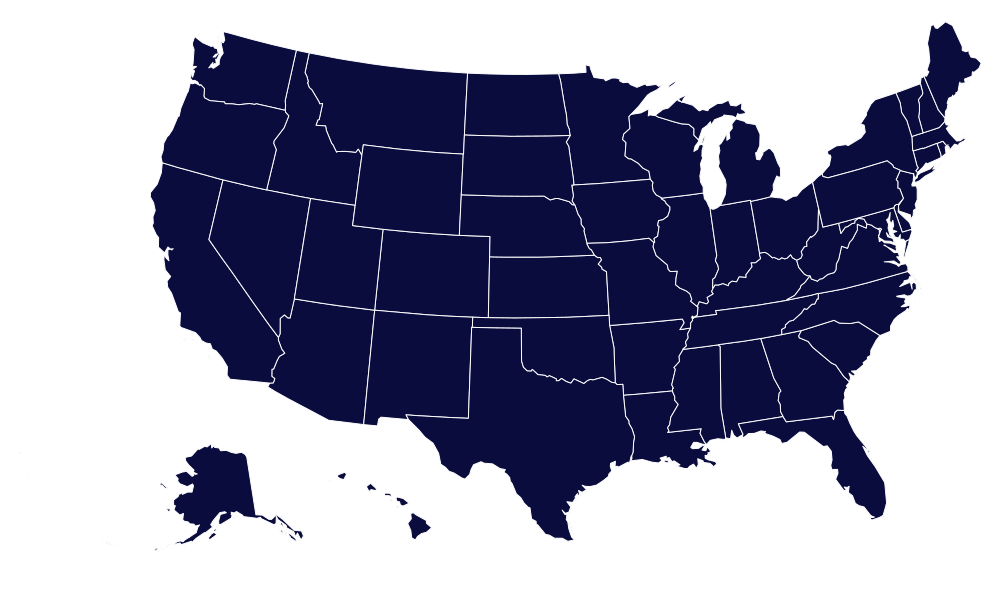
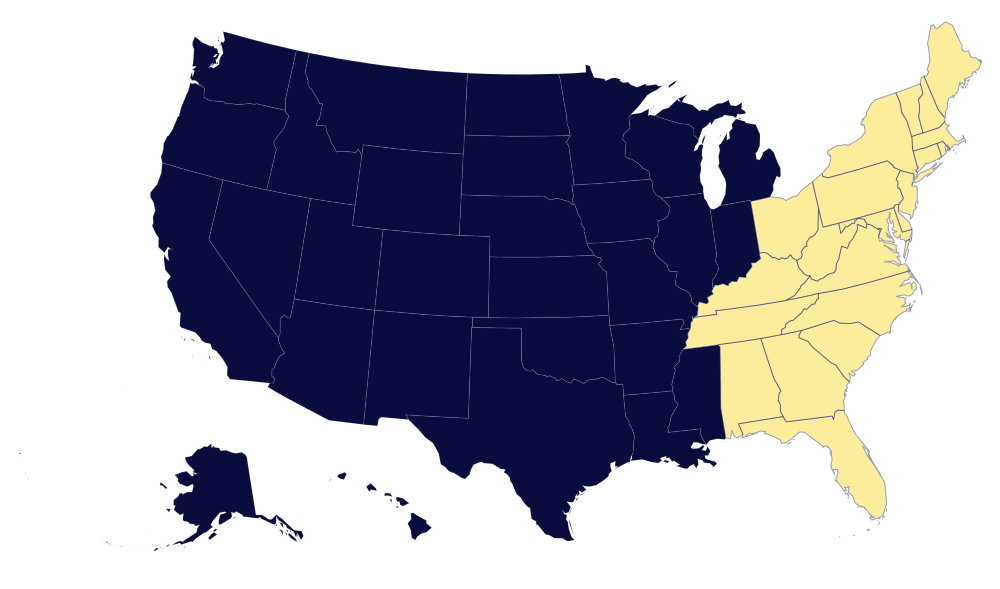
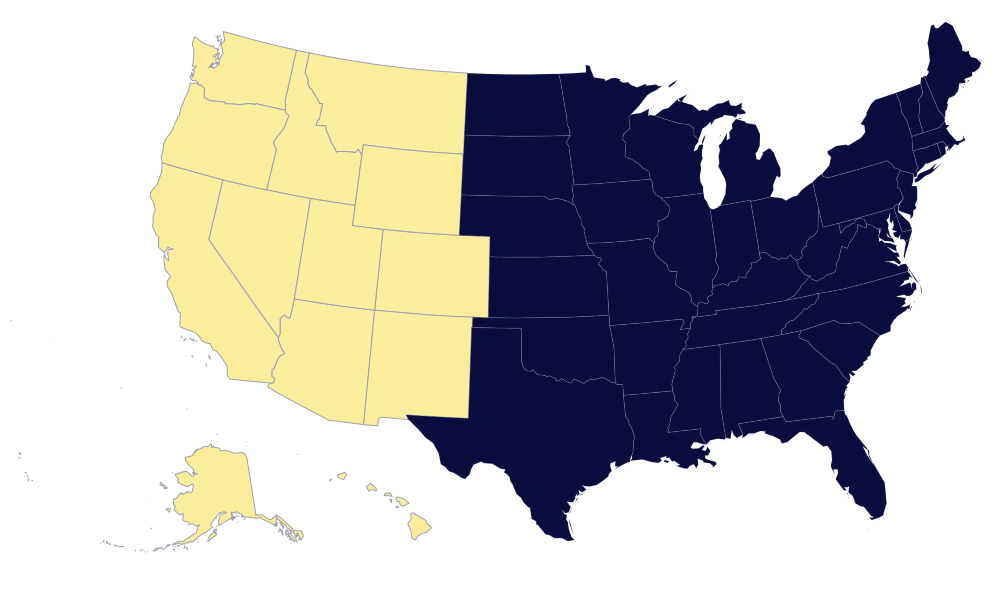
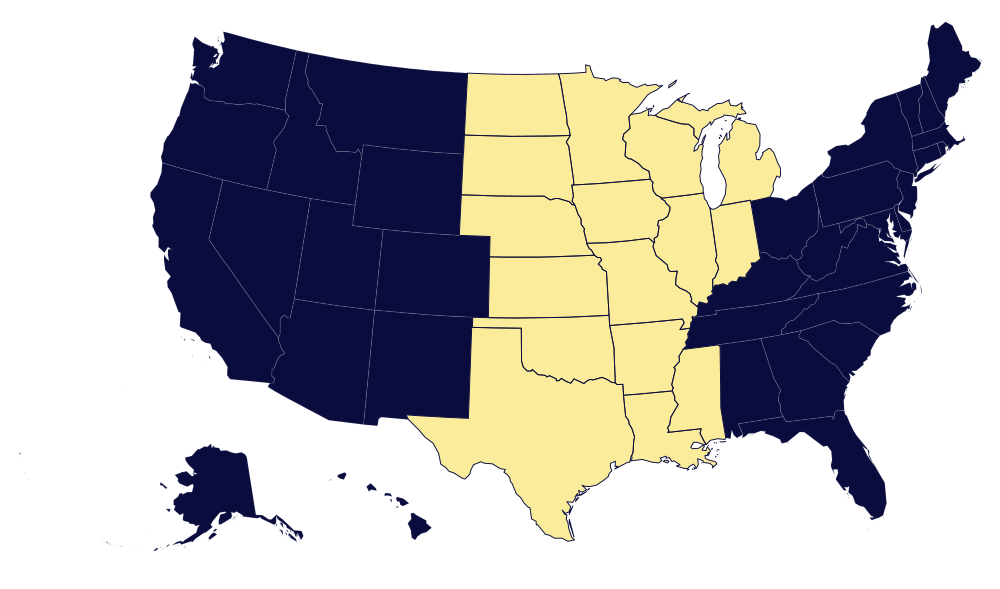
AVLS Nationwide Services
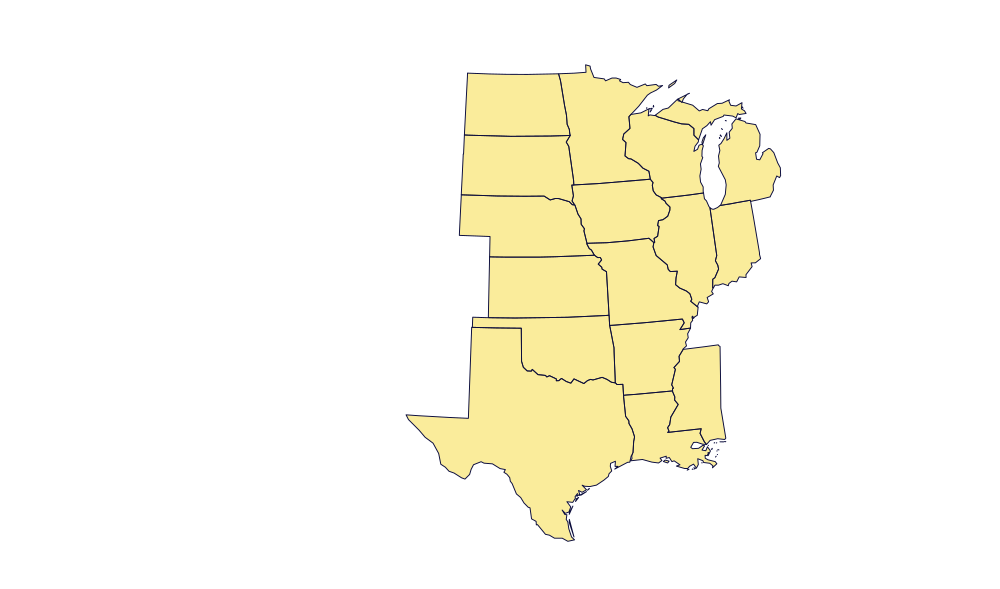
Central States
East Coast
*COMING SOON
West Coast


*COMING SOON
East Coast
Central States
West Coast
AVLS Nationwide Services
CONTACT US
When your event matters, trust your audio visual labor needs to AV Labor Source.
AVLS operate and has proven pool of AV technicians in major cities US Nationwide, such as Las Vegas, Los Angeles, Orlando, Dallas, San Antonio, Austin, Houston, Washington DC, Atlanta, New Orleans, Tennessee and more.
Please complete the form below and we will respond to you as soon as possible. We are available 24 hours a day to assist with your needs. We look forward to showing you what we can do toward the success of your next event.
AVLS operate and has proven pool of AV technicians in major cities US Nationwide, such as Las Vegas, Los Angeles, Orlando, Dallas, San Antonio, Austin, Houston, Washington DC, Atlanta, New Orleans, Tennessee and more.
Please complete the form below and we will respond to you as soon as possible. We are available 24 hours a day to assist with your needs. We look forward to showing you what we can do toward the success of your next event.
EVENT INFORMATION
