





July 26, 2026
Fixed Camera vs Handheld Camera Operators for Live Events
Quick Answer
Fixed cameras provide consistent, stable shots from predetermined angles and work best for formal events requiring predictable coverage, while handheld camera operators offer dynamic movement and spontaneous moment capture but require skilled operators to avoid shaky footage. The choice between fixed camera vs handheld camera operators for live events depends on your event type, budget, and coverage goals.
Key Takeaways
What's the Difference Between Fixed and Handheld Cameras at Live Events
Fixed cameras mount on tripods or permanent installations and capture predetermined angles without operator intervention during filming, while handheld cameras require active operators who move throughout the event space to capture dynamic shots and spontaneous moments.
Fixed Camera Characteristics:
Handheld Camera Characteristics:
The fundamental difference lies in operator dependency and creative flexibility. Fixed cameras trade creative spontaneity for operational consistency, while handheld cameras prioritize dynamic storytelling over predictable coverage.
Common mistake: Assuming fixed cameras are always cheaper. While they require fewer operators, high-quality fixed camera systems with remote controls and multiple angles can exceed handheld setup costs for smaller events.
When Should You Use Fixed Cameras vs Handheld for Events
Choose fixed cameras for formal presentations, large conferences, and ceremonies where consistent coverage matters more than creative movement, and select handheld cameras for intimate events, weddings, and interactive gatherings where spontaneous moments drive the story.
Use Fixed Cameras When:
Use Handheld Cameras When:
Decision rule: Choose fixed cameras if you can identify 3-4 key angles that will capture 80% of important moments. Choose handheld if the event's value comes from spontaneous interactions and emotional reactions.
For corporate events and conferences, fixed cameras typically provide better ROI, while social events benefit from handheld flexibility.
Cost Comparison: Fixed Camera Operators vs Handheld Camera Work
Fixed camera setups typically cost between $800-1,500 per camera position for a full day, while skilled handheld camera operators range from $1,200-2,500 per operator depending on experience level and market location.
Additional Cost Considerations:
Budget optimization tip: For events requiring 4+ hours of coverage, consider a hybrid approach with 2-3 fixed cameras covering main angles and 1 handheld operator for dynamic shots.
Working with experienced event production services helps optimize camera budgets based on specific event requirements.
Pros and Cons of Fixed Cameras at Weddings and Social Events
Fixed cameras at weddings provide consistent ceremony coverage and reduce disruption during intimate moments, but they often miss spontaneous emotional reactions and guest interactions that define memorable wedding films.
Pros of Fixed Cameras for Weddings:
Cons of Fixed Cameras for Weddings:
Best practice for weddings: Use fixed cameras as backup and wide-angle coverage, with handheld operators capturing emotional close-ups and guest reactions. This hybrid approach ensures comprehensive coverage while maintaining creative flexibility.
Common wedding mistake: Relying solely on fixed cameras to save money, then discovering the final video lacks the emotional connection that handheld footage provides.
Can Handheld Cameras Capture Better Moments Than Fixed Ones
Handheld cameras consistently capture more emotionally engaging moments than fixed cameras because operators can react to spontaneous events, adjust framing for optimal composition, and move closer to subjects for intimate shots that fixed positions cannot achieve.
Advantages of Handheld Moment Capture:
Limitations of Fixed Camera Moments:
Technical considerations: Modern handheld stabilization technology (gimbals, in-body stabilization) has largely eliminated the shakiness that previously made fixed cameras superior for stability.
Exception: Fixed cameras excel at capturing wide establishing shots and consistent coverage of predictable moments like speeches or ceremonies where the emotional impact comes from content rather than visual creativity.
For events where storytelling and emotional connection matter most, handheld cameras provide superior moment capture despite higher operational complexity.
Which is Better for Live Streaming: Fixed or Handheld Cameras
Fixed cameras are significantly better for live streaming because they provide stable, predictable feeds that streaming platforms and audiences expect, while handheld cameras create motion sickness and technical challenges that degrade the viewing experience.
Why Fixed Cameras Excel for Live Streaming:
Handheld Camera Streaming Challenges:
Best live streaming setup: Use 2-3 fixed cameras covering wide, medium, and close-up angles of the main stage or speaking area, with optional handheld for brief highlight segments only.
Technical requirement: Live streaming fixed cameras should have remote zoom and pan capabilities to provide variety without operator intervention.
Professional AV specialists typically recommend fixed camera setups for streaming events to ensure consistent quality throughout the broadcast.
Essential Equipment for Handheld Camera Work at Live Events
Professional handheld camera work requires a camera body with in-body stabilization, a 3-axis gimbal stabilizer, backup batteries, fast memory cards, and wireless audio receivers, with total equipment investment ranging from $8,000-15,000 for professional-grade setups.
Core Handheld Equipment:
Professional Accessories:
Setup considerations: Handheld rigs should balance weight distribution to prevent operator fatigue during long events. Total rig weight should not exceed 8-10 pounds for all-day operation.
Common equipment mistake: Skipping the gimbal to save money, then discovering that even experienced operators cannot maintain professional stability for extended periods without mechanical stabilization.
Working with experienced AV technicians ensures proper equipment selection and setup for specific event requirements.
How to Stabilize Handheld Cameras During Live Events
Effective handheld camera stabilization combines 3-axis gimbal technology with proper operator technique, including smooth breathing, controlled movement, and strategic body positioning to eliminate shake while maintaining creative flexibility.
Technical Stabilization Methods:
Operator Technique for Stability:
Movement Best Practices:
Environmental considerations: Adjust stabilization settings for different event conditions - higher stabilization for crowded areas, lower settings for controlled environments to maintain natural movement feel.
Professional tip: Even with excellent stabilization technology, handheld operators should take regular breaks to prevent fatigue-induced shake that develops after 45-60 minutes of continuous operation.
Are Fixed Cameras Better for Large Events or Small Ones
Fixed cameras work better for large events because they can cover wide areas without disruption, provide consistent angles for multiple simultaneous activities, and reduce staffing costs when covering expansive venues, while small events benefit more from handheld flexibility and intimate coverage.
Large Event Advantages for Fixed Cameras:
Small Event Considerations:
Event size decision matrix:
Venue considerations: Large venues like convention centers and conference halls naturally suit fixed camera positioning, while intimate venues like private dining rooms favor handheld approaches.
For major conferences and trade shows, professional AV technicians in Las Vegas and other major event cities typically recommend fixed camera solutions for optimal coverage efficiency.
Common Mistakes When Choosing Between Fixed and Handheld Cameras
The most common mistake is choosing camera type based solely on budget rather than event requirements, leading to either overspending on unnecessary handheld operators or missing crucial moments with inadequate fixed camera coverage.
Budget-Driven Decision Mistakes:
Technical Planning Mistakes:
Operational Mistakes:
Event-Specific Mistakes:
Prevention strategy: Work with experienced event production teams who can assess venue, event type, and coverage goals to recommend optimal camera approaches.
Using Both Fixed and Handheld Cameras Together
Combining fixed and handheld cameras provides comprehensive event coverage by using fixed cameras for consistent wide shots and backup angles while handheld operators capture dynamic moments, crowd reactions, and creative close-ups that tell the complete event story.
Optimal Hybrid Setup Configuration:
Coverage Strategy:
Coordination Requirements:
Budget considerations: Hybrid approaches typically cost 20-30% more than single-method coverage but provide significantly higher production value and coverage reliability.
Best applications: Weddings, corporate galas, product launches, and any event where both formal documentation and emotional storytelling matter equally.
Professional AV labor staffing services can coordinate multi-camera teams to ensure smooth operation and optimal coverage results.
How Many Fixed Cameras Do You Need for a Live Event
Most live events require 2-4 fixed cameras for comprehensive coverage: one wide shot of the main stage or activity area, one medium shot of speakers or key participants, one audience reaction angle, and optionally one detail or backup angle, with camera count scaling based on venue size and event complexity.
Standard Fixed Camera Configurations:
Small Events (Under 100 attendees):
Medium Events (100-300 attendees):
Large Events (300+ attendees):
Specialized Requirements:
Decision factors:
Common configuration mistake: Using too many cameras with overlapping coverage instead of strategic positioning for distinct angles and purposes.
What Type of Events Are Best for Handheld Camera Operators
Handheld camera operators excel at weddings, social gatherings, interactive workshops, networking events, and any occasion where human emotion, spontaneous reactions, and intimate moments drive the story more than formal documentation or predictable proceedings.
Ideal Events for Handheld Coverage:
Social and Personal Events:
Interactive Business Events:
Dynamic Event Formats:
Event characteristics favoring handheld:
Poor handheld applications: Formal lectures, legal proceedings, religious ceremonies, or any event where camera movement would be disruptive or inappropriate.
Do Fixed Cameras Miss Important Moments That Handheld Would Catch
Fixed cameras frequently miss spontaneous emotional reactions, audience interactions, and unexpected moments that occur outside their predetermined frame, while handheld operators can react instantly to capture these unplanned but often most memorable parts of events.
Moments Fixed Cameras Typically Miss:
Emotional Reactions:
Interactive Elements:
Technical Limitations:
Handheld Advantages for Moment Capture:
Mitigation strategies for fixed cameras:
The trade-off comes down to predictable consistency versus creative opportunity - fixed cameras ensure you capture planned moments reliably, while handheld cameras excel at discovering and capturing the unplanned moments that often become the most treasured memories.
FAQ
How much does it cost to hire fixed camera operators vs handheld for a wedding?
Fixed camera setups typically cost $1,200-2,000 for a full wedding day, while skilled handheld operators range from $1,800-3,500 depending on experience and location. Handheld operators provide more intimate footage but require higher investment for quality results.
Can you live stream effectively with handheld cameras?
Handheld cameras are not ideal for live streaming because constant movement causes motion sickness for viewers and technical encoding challenges. Fixed cameras with remote control capabilities provide much better live streaming experiences with stable, predictable feeds.
What's the minimum number of cameras needed for professional event coverage?
Professional event coverage typically requires at least 2-3 cameras: one wide establishing shot, one medium shot of speakers or main action, and one audience or reaction angle. Single-camera coverage often misses important moments and limits editing flexibility.
Do handheld camera operators get tired during long events?
Yes, handheld operators experience fatigue after 45-60 minutes of continuous filming, which affects stability and creativity. Professional setups include multiple operators or scheduled breaks to maintain quality throughout long events.
Are fixed cameras better for corporate presentations and conferences?
Fixed cameras excel at corporate presentations because they provide consistent coverage of speakers and slides without disrupting the professional atmosphere. They're more cost-effective for long presentations and provide reliable documentation of formal proceedings.
What happens if a fixed camera breaks down during an event?
Fixed camera failures can result in lost coverage of critical moments, which is why professional setups include backup cameras or hybrid approaches with handheld operators. Always plan redundant coverage for irreplaceable events like weddings or once-in-a-lifetime occasions.
Can you use smartphone cameras instead of professional equipment for events?
Smartphones can work for casual documentation but lack the stabilization, zoom capabilities, battery life, and audio quality needed for professional event coverage. Professional cameras also offer better low-light performance crucial for indoor events.
How far in advance should you book camera operators for events?
Book camera operators 4-6 weeks in advance for regular events, and 2-3 months ahead for peak wedding season or major conference dates. Experienced operators get booked quickly, especially in major event markets.
What's the difference between a camera operator and a videographer?
Camera operators focus specifically on camera work and shot composition, while videographers typically handle the entire video production process including planning, filming, and editing. For live events, you may need either depending on your post-production requirements.
Do you need special permits for camera operators at venue events?
Most private venues don't require permits for camera operators, but some locations like museums, historic sites, or public spaces may have restrictions or require advance approval. Always check venue policies during event planning.
How do you coordinate multiple camera operators during an event?
Professional multi-camera coordination uses communication headsets, pre-planned shot lists, designated coverage zones, and a director or production coordinator to manage timing and positioning. Clear communication prevents operators from interfering with each other's shots.
What should you look for when hiring camera operators for events?
Look for operators with event-specific experience, professional equipment, backup gear, liability insurance, and a portfolio showing work similar to your event type. References from recent clients and technical knowledge of your venue requirements are also important factors.
Need Professional Camera Operators for Your Live Event?
Whether you're planning a corporate conference, wedding, or special celebration, choosing the right camera approach is crucial for capturing your event perfectly. AV Labor Source connects you with experienced camera operators and complete AV production teams who can help determine whether fixed cameras, handheld operators, or a hybrid approach best fits your event needs and budget.
Our nationwide network of skilled professionals includes camera operators, lighting technicians, and audio engineers ready to make your event a success.
Ready to discuss your event camera needs? Contact our team for a consultation and quote tailored to your specific event requirements.
Conclusion
The choice between fixed camera vs handheld camera operators for live events ultimately depends on your specific event type, budget, and coverage goals. Fixed cameras provide reliable, cost-effective documentation ideal for formal presentations, conferences, and ceremonies where consistency matters more than creative movement. Handheld operators excel at capturing emotional moments, spontaneous reactions, and dynamic storytelling that brings events to life, particularly for weddings, social gatherings, and interactive occasions.
For most professional events, a hybrid approach combining both fixed and handheld cameras delivers the best results - using fixed cameras for stable wide shots and backup coverage while handheld operators capture the intimate moments and creative angles that make events memorable.
Consider your event's format, venue constraints, and final deliverable requirements when making this decision, and always work with experienced professionals who can guide you toward the optimal camera strategy for your specific needs.
Fixed cameras provide consistent, stable shots from predetermined angles and work best for formal events requiring predictable coverage, while handheld camera operators offer dynamic movement and spontaneous moment capture but require skilled operators to avoid shaky footage. The choice between fixed camera vs handheld camera operators for live events depends on your event type, budget, and coverage goals.
Key Takeaways
- Fixed cameras excel at capturing stable wide shots, speaker presentations, and ceremonial moments with minimal staffing requirements
- Handheld cameras provide dynamic angles, crowd reactions, and intimate moments but need experienced operators for professional results
- Budget considerations: fixed camera setups typically cost 30-50% less than skilled handheld operators for equivalent coverage time
- Large formal events benefit from fixed cameras, while intimate gatherings and weddings favor handheld flexibility
- Hybrid approaches using both fixed and handheld cameras deliver the most comprehensive event coverage
- Equipment stabilization technology has significantly improved handheld camera quality in recent years
- Event size, venue layout, and audience interaction levels determine the optimal camera approach
- Professional AV technicians can help determine the best camera strategy for your specific event needs
What's the Difference Between Fixed and Handheld Cameras at Live Events
Fixed cameras mount on tripods or permanent installations and capture predetermined angles without operator intervention during filming, while handheld cameras require active operators who move throughout the event space to capture dynamic shots and spontaneous moments.
Fixed Camera Characteristics:
- Stationary positioning on tripods, jibs, or permanent mounts
- Remote control or automated operation capabilities
- Consistent framing and composition throughout the event
- Minimal staffing requirements once positioned
- Limited to predetermined shot angles and zoom ranges
Handheld Camera Characteristics:
- Operator-controlled movement and positioning
- Real-time composition adjustments and creative angles
- Ability to follow action and capture unexpected moments
- Requires skilled camera operators for professional results
- Higher flexibility but increased labor costs
The fundamental difference lies in operator dependency and creative flexibility. Fixed cameras trade creative spontaneity for operational consistency, while handheld cameras prioritize dynamic storytelling over predictable coverage.
Common mistake: Assuming fixed cameras are always cheaper. While they require fewer operators, high-quality fixed camera systems with remote controls and multiple angles can exceed handheld setup costs for smaller events.
When Should You Use Fixed Cameras vs Handheld for Events
Choose fixed cameras for formal presentations, large conferences, and ceremonies where consistent coverage matters more than creative movement, and select handheld cameras for intimate events, weddings, and interactive gatherings where spontaneous moments drive the story.
Use Fixed Cameras When:
- Event follows a predictable schedule and format
- Venue has clear sight lines to key action areas
- Budget constraints limit operator availability
- Live streaming requires consistent, stable feeds
- Event duration exceeds 4-6 hours continuously
- Audience size makes handheld movement disruptive
Use Handheld Cameras When:
- Event includes unpredictable or interactive elements
- Crowd reactions and audience engagement are important
- Intimate moments and close-up details matter
- Event space allows operator movement without disruption
- Creative storytelling takes priority over operational efficiency
- Multiple simultaneous activities occur in different areas
Decision rule: Choose fixed cameras if you can identify 3-4 key angles that will capture 80% of important moments. Choose handheld if the event's value comes from spontaneous interactions and emotional reactions.
For corporate events and conferences, fixed cameras typically provide better ROI, while social events benefit from handheld flexibility.
Cost Comparison: Fixed Camera Operators vs Handheld Camera Work
Fixed camera setups typically cost between $800-1,500 per camera position for a full day, while skilled handheld camera operators range from $1,200-2,500 per operator depending on experience level and market location.
Cost Factor | Fixed Camera | Handheld Camera |
Equipment rental | $300-600/day | $400-800/day |
Operator fees | $500-900/day | $800-1,700/day |
Setup time | 2-3 hours | 1-2 hours |
Total per position | $800-1,500/day | $1,200-2,500/day |
Additional Cost Considerations:
- Fixed cameras require initial setup labor but minimal ongoing operator attention
- Handheld operators need breaks, meals, and potential overtime for long events
- Multi-camera fixed setups share operator costs across multiple angles
- Handheld work may require backup operators for events exceeding 8 hours
- Equipment insurance costs are typically higher for mobile handheld gear
Budget optimization tip: For events requiring 4+ hours of coverage, consider a hybrid approach with 2-3 fixed cameras covering main angles and 1 handheld operator for dynamic shots.
Working with experienced event production services helps optimize camera budgets based on specific event requirements.
Pros and Cons of Fixed Cameras at Weddings and Social Events
Fixed cameras at weddings provide consistent ceremony coverage and reduce disruption during intimate moments, but they often miss spontaneous emotional reactions and guest interactions that define memorable wedding films.
Pros of Fixed Cameras for Weddings:
- Unobtrusive ceremony coverage without operators moving during vows
- Consistent audio sync with stationary microphone positioning
- Lower stress for couples worried about camera operators disrupting moments
- Cost efficiency for longer reception coverage
- Reliable backup angles if primary handheld footage has issues
Cons of Fixed Cameras for Weddings:
- Miss emotional reactions from family and guests during key moments
- Limited creative angles for dramatic or artistic shots
- Poor crowd coverage during dancing and reception activities
- Inflexible framing if ceremony positioning changes unexpectedly
- Reduced intimacy in final video due to distant, static shots
Best practice for weddings: Use fixed cameras as backup and wide-angle coverage, with handheld operators capturing emotional close-ups and guest reactions. This hybrid approach ensures comprehensive coverage while maintaining creative flexibility.
Common wedding mistake: Relying solely on fixed cameras to save money, then discovering the final video lacks the emotional connection that handheld footage provides.
Can Handheld Cameras Capture Better Moments Than Fixed Ones
Handheld cameras consistently capture more emotionally engaging moments than fixed cameras because operators can react to spontaneous events, adjust framing for optimal composition, and move closer to subjects for intimate shots that fixed positions cannot achieve.
Advantages of Handheld Moment Capture:
- Real-time reaction to unexpected emotional moments
- Optimal framing adjusted instantly for each shot
- Proximity control for intimate or dramatic effect
- Following action through multiple spaces and angles
- Creative composition using movement and depth
Limitations of Fixed Camera Moments:
- Predetermined framing may miss optimal composition
- Distance constraints limit emotional intimacy
- Timing delays in remote-controlled adjustments
- Static perspective reduces visual interest
- Missed opportunities when action moves outside frame
Technical considerations: Modern handheld stabilization technology (gimbals, in-body stabilization) has largely eliminated the shakiness that previously made fixed cameras superior for stability.
Exception: Fixed cameras excel at capturing wide establishing shots and consistent coverage of predictable moments like speeches or ceremonies where the emotional impact comes from content rather than visual creativity.
For events where storytelling and emotional connection matter most, handheld cameras provide superior moment capture despite higher operational complexity.
Which is Better for Live Streaming: Fixed or Handheld Cameras
Fixed cameras are significantly better for live streaming because they provide stable, predictable feeds that streaming platforms and audiences expect, while handheld cameras create motion sickness and technical challenges that degrade the viewing experience.
Why Fixed Cameras Excel for Live Streaming:
- Consistent framing prevents disorienting movement for remote viewers
- Stable feeds reduce motion blur and focus hunting issues
- Predictable angles allow for smooth switching between cameras
- Lower bandwidth requirements due to reduced motion encoding
- Automated operation reduces operator errors during live broadcasts
Handheld Camera Streaming Challenges:
- Motion sickness for viewers watching shaky or moving footage
- Focus hunting as cameras struggle with changing distances
- Unpredictable framing makes live switching difficult
- Higher encoding demands due to constant motion
- Operator fatigue affects quality during long streams
Best live streaming setup: Use 2-3 fixed cameras covering wide, medium, and close-up angles of the main stage or speaking area, with optional handheld for brief highlight segments only.
Technical requirement: Live streaming fixed cameras should have remote zoom and pan capabilities to provide variety without operator intervention.
Professional AV specialists typically recommend fixed camera setups for streaming events to ensure consistent quality throughout the broadcast.
Essential Equipment for Handheld Camera Work at Live Events
Professional handheld camera work requires a camera body with in-body stabilization, a 3-axis gimbal stabilizer, backup batteries, fast memory cards, and wireless audio receivers, with total equipment investment ranging from $8,000-15,000 for professional-grade setups.
Core Handheld Equipment:
- Camera body with in-body image stabilization (Sony A7S III, Canon R5)
- 3-axis gimbal (DJI Ronin, Zhiyun Crane series)
- Fast zoom lens (24-70mm f/2.8 or equivalent)
- Wireless audio receiver for ceremony and speech audio
- High-capacity batteries (minimum 4-6 units for full-day events)
- Fast memory cards (V90 rating for 4K recording)
Professional Accessories:
- Follow focus system for smooth focus pulls during movement
- External monitor for better composition in bright conditions
- Backup camera body for equipment failure situations
- Lens filters (ND, polarizing) for outdoor events
- Comfortable harness for extended handheld operation
Setup considerations: Handheld rigs should balance weight distribution to prevent operator fatigue during long events. Total rig weight should not exceed 8-10 pounds for all-day operation.
Common equipment mistake: Skipping the gimbal to save money, then discovering that even experienced operators cannot maintain professional stability for extended periods without mechanical stabilization.
Working with experienced AV technicians ensures proper equipment selection and setup for specific event requirements.
How to Stabilize Handheld Cameras During Live Events
Effective handheld camera stabilization combines 3-axis gimbal technology with proper operator technique, including smooth breathing, controlled movement, and strategic body positioning to eliminate shake while maintaining creative flexibility.
Technical Stabilization Methods:
- 3-axis gimbals provide mechanical stabilization for pan, tilt, and roll axes
- In-body stabilization (IBIS) reduces micro-movements and vibrations
- Optical stabilization in lenses adds additional shake reduction
- Electronic stabilization in post-production for final polish
Operator Technique for Stability:
- Controlled breathing prevents camera bounce from chest movement
- Wide stance with bent knees provides stable base
- Two-handed grip with proper weight distribution
- Smooth acceleration and deceleration in all movements
- Strategic bracing against walls or barriers when possible
Movement Best Practices:
- Walk heel-to-toe to minimize vertical bounce
- Use core muscles rather than arms for camera support
- Plan movement paths to avoid obstacles and sudden direction changes
- Maintain consistent distance from subjects when possible
- Practice smooth starts and stops before the event begins
Environmental considerations: Adjust stabilization settings for different event conditions - higher stabilization for crowded areas, lower settings for controlled environments to maintain natural movement feel.
Professional tip: Even with excellent stabilization technology, handheld operators should take regular breaks to prevent fatigue-induced shake that develops after 45-60 minutes of continuous operation.
Are Fixed Cameras Better for Large Events or Small Ones
Fixed cameras work better for large events because they can cover wide areas without disruption, provide consistent angles for multiple simultaneous activities, and reduce staffing costs when covering expansive venues, while small events benefit more from handheld flexibility and intimate coverage.
Large Event Advantages for Fixed Cameras:
- Wide venue coverage without operator movement disrupting attendees
- Multiple simultaneous angles covering different stage areas or breakout sessions
- Reduced staffing costs per coverage area in large spaces
- Consistent documentation of presentations and formal proceedings
- Less intrusive in crowded environments where operator movement is difficult
Small Event Considerations:
- Intimate settings benefit from handheld flexibility and creative angles
- Guest interaction is easier to capture with mobile operators
- Limited space makes fixed camera positioning challenging
- Personal moments require close-up capability that fixed cameras cannot provide
- Dynamic activities need following capability that static positions lack
Event size decision matrix:
- Under 50 attendees: Handheld cameras provide better intimacy and flexibility
- 50-200 attendees: Hybrid approach with 1-2 fixed cameras and 1 handheld operator
- 200+ attendees: Fixed cameras for main coverage with optional handheld for highlights
Venue considerations: Large venues like convention centers and conference halls naturally suit fixed camera positioning, while intimate venues like private dining rooms favor handheld approaches.
For major conferences and trade shows, professional AV technicians in Las Vegas and other major event cities typically recommend fixed camera solutions for optimal coverage efficiency.
Common Mistakes When Choosing Between Fixed and Handheld Cameras
The most common mistake is choosing camera type based solely on budget rather than event requirements, leading to either overspending on unnecessary handheld operators or missing crucial moments with inadequate fixed camera coverage.
Budget-Driven Decision Mistakes:
- Choosing fixed cameras only to save money then missing emotional moments and crowd reactions
- Overspending on handheld operators for formal presentations that don't require creative movement
- Underestimating total costs by ignoring setup time, operator breaks, and equipment needs
- Skipping backup coverage to reduce costs, then losing footage due to equipment failure
Technical Planning Mistakes:
- Poor fixed camera positioning that misses key action areas or has obstructed views
- Inadequate power planning for long events, causing cameras to shut down mid-event
- Wrong lens selection for venue size and shooting distances
- Insufficient audio planning for cameras positioned far from speakers
Operational Mistakes:
- Not testing equipment in actual venue conditions before the event
- Inadequate operator briefing about event schedule and key moments
- Poor communication between camera operators and event coordinators
- Ignoring backup plans for equipment failure or operator illness
Event-Specific Mistakes:
- Using handheld cameras during quiet ceremonies where movement is disruptive
- Fixed cameras only for events with multiple simultaneous activities in different areas
- Wrong camera count - too few cameras miss coverage, too many create confusion
Prevention strategy: Work with experienced event production teams who can assess venue, event type, and coverage goals to recommend optimal camera approaches.
Using Both Fixed and Handheld Cameras Together
Combining fixed and handheld cameras provides comprehensive event coverage by using fixed cameras for consistent wide shots and backup angles while handheld operators capture dynamic moments, crowd reactions, and creative close-ups that tell the complete event story.
Optimal Hybrid Setup Configuration:
- 2-3 fixed cameras covering main stage, audience, and wide establishing shots
- 1-2 handheld operators for dynamic movement, close-ups, and crowd coverage
- Synchronized recording for seamless editing between camera angles
- Coordinated positioning to avoid cameras appearing in each other's shots
Coverage Strategy:
- Fixed cameras handle predictable moments like speeches, presentations, and ceremonies
- Handheld cameras focus on spontaneous reactions and emotional moments
- Wide shots from fixed positions provide context for handheld close-ups
- Backup coverage ensures no critical moments are lost to equipment failure
Coordination Requirements:
- Pre-event planning to map camera positions and movement zones
- Communication systems between operators and production team
- Timeline coordination so handheld operators know when to focus on specific areas
- Technical synchronization for audio and timecode matching
Budget considerations: Hybrid approaches typically cost 20-30% more than single-method coverage but provide significantly higher production value and coverage reliability.
Best applications: Weddings, corporate galas, product launches, and any event where both formal documentation and emotional storytelling matter equally.
Professional AV labor staffing services can coordinate multi-camera teams to ensure smooth operation and optimal coverage results.
How Many Fixed Cameras Do You Need for a Live Event
Most live events require 2-4 fixed cameras for comprehensive coverage: one wide shot of the main stage or activity area, one medium shot of speakers or key participants, one audience reaction angle, and optionally one detail or backup angle, with camera count scaling based on venue size and event complexity.
Standard Fixed Camera Configurations:
Small Events (Under 100 attendees):
- 2 cameras: Wide stage shot + medium speaker shot
- Positioning: Front corners at 45-degree angles to avoid shadows
- Coverage: Captures main action and basic speaker detail
Medium Events (100-300 attendees):
- 3 cameras: Wide shot + medium shot + audience reaction angle
- Positioning: Front wide, side medium, back audience coverage
- Coverage: Complete documentation with crowd context
Large Events (300+ attendees):
- 4+ cameras: Multiple stage angles + audience + detail shots
- Positioning: Strategic placement for overlapping coverage zones
- Coverage: Broadcast-quality multi-angle documentation
Specialized Requirements:
- Panel discussions: Add side angles for participant interaction shots
- Product demonstrations: Include close-up detail cameras for product visibility
- Musical performances: Add stage-side cameras for performer coverage
- Awards ceremonies: Include backstage or winner approach angles
Decision factors:
- Venue layout determines optimal camera positions and sight lines
- Event duration affects whether backup cameras are cost-effective
- Production budget balances camera count with other priorities
- Final deliverable requirements (single video vs. multi-angle edit)
Common configuration mistake: Using too many cameras with overlapping coverage instead of strategic positioning for distinct angles and purposes.
What Type of Events Are Best for Handheld Camera Operators
Handheld camera operators excel at weddings, social gatherings, interactive workshops, networking events, and any occasion where human emotion, spontaneous reactions, and intimate moments drive the story more than formal documentation or predictable proceedings.
Ideal Events for Handheld Coverage:
Social and Personal Events:
- Weddings and receptions - capturing emotions, dancing, guest interactions
- Birthday parties and celebrations - following activities and reactions
- Family reunions - documenting conversations and group dynamics
- Graduation parties - capturing pride, excitement, and personal moments
Interactive Business Events:
- Networking mixers - showing connections and conversations
- Team building activities - following group dynamics and participation
- Product launch parties - capturing excitement and audience reactions
- Trade show booth coverage - demonstrating products and visitor engagement
Dynamic Event Formats:
- Workshops with hands-on activities - showing learning and participation
- Cooking demonstrations - following preparation steps and audience engagement
- Art exhibitions or gallery openings - capturing visitor reactions to artwork
- Sports events or competitions - following action and competitor emotions
Event characteristics favoring handheld:
- Unpredictable timing of key moments
- Multiple activity areas requiring camera movement
- Audience participation and interaction elements
- Emotional storytelling priority over documentation
- Intimate venue size allowing operator movement
Poor handheld applications: Formal lectures, legal proceedings, religious ceremonies, or any event where camera movement would be disruptive or inappropriate.
Do Fixed Cameras Miss Important Moments That Handheld Would Catch
Fixed cameras frequently miss spontaneous emotional reactions, audience interactions, and unexpected moments that occur outside their predetermined frame, while handheld operators can react instantly to capture these unplanned but often most memorable parts of events.
Moments Fixed Cameras Typically Miss:
Emotional Reactions:
- Surprise expressions from audience members during announcements
- Tears or laughter that happen in unexpected locations
- Family member reactions during weddings or graduations
- Spontaneous applause or standing ovations that start in the back
Interactive Elements:
- Audience questions from microphones in different venue areas
- Networking conversations during breaks or receptions
- Demonstration participation when attendees join presenters
- Behind-the-scenes moments during event transitions
Technical Limitations:
- Action outside frame when events move beyond fixed camera coverage
- Optimal angles that become available as lighting or staging changes
- Detail shots of products, documents, or demonstrations requiring close-up coverage
- Multiple simultaneous activities in different venue areas
Handheld Advantages for Moment Capture:
- Real-time decision making about what to film and when
- Optimal positioning for each specific moment or interaction
- Following unexpected action as it develops naturally
- Creative angles that enhance emotional impact or visual interest
Mitigation strategies for fixed cameras:
- Multiple camera angles to increase coverage probability
- Remote pan/tilt/zoom capabilities for some adjustment flexibility
- Strategic positioning based on detailed event timeline review
- Hybrid approach combining fixed stability with handheld flexibility
The trade-off comes down to predictable consistency versus creative opportunity - fixed cameras ensure you capture planned moments reliably, while handheld cameras excel at discovering and capturing the unplanned moments that often become the most treasured memories.
FAQ
How much does it cost to hire fixed camera operators vs handheld for a wedding?
Fixed camera setups typically cost $1,200-2,000 for a full wedding day, while skilled handheld operators range from $1,800-3,500 depending on experience and location. Handheld operators provide more intimate footage but require higher investment for quality results.
Can you live stream effectively with handheld cameras?
Handheld cameras are not ideal for live streaming because constant movement causes motion sickness for viewers and technical encoding challenges. Fixed cameras with remote control capabilities provide much better live streaming experiences with stable, predictable feeds.
What's the minimum number of cameras needed for professional event coverage?
Professional event coverage typically requires at least 2-3 cameras: one wide establishing shot, one medium shot of speakers or main action, and one audience or reaction angle. Single-camera coverage often misses important moments and limits editing flexibility.
Do handheld camera operators get tired during long events?
Yes, handheld operators experience fatigue after 45-60 minutes of continuous filming, which affects stability and creativity. Professional setups include multiple operators or scheduled breaks to maintain quality throughout long events.
Are fixed cameras better for corporate presentations and conferences?
Fixed cameras excel at corporate presentations because they provide consistent coverage of speakers and slides without disrupting the professional atmosphere. They're more cost-effective for long presentations and provide reliable documentation of formal proceedings.
What happens if a fixed camera breaks down during an event?
Fixed camera failures can result in lost coverage of critical moments, which is why professional setups include backup cameras or hybrid approaches with handheld operators. Always plan redundant coverage for irreplaceable events like weddings or once-in-a-lifetime occasions.
Can you use smartphone cameras instead of professional equipment for events?
Smartphones can work for casual documentation but lack the stabilization, zoom capabilities, battery life, and audio quality needed for professional event coverage. Professional cameras also offer better low-light performance crucial for indoor events.
How far in advance should you book camera operators for events?
Book camera operators 4-6 weeks in advance for regular events, and 2-3 months ahead for peak wedding season or major conference dates. Experienced operators get booked quickly, especially in major event markets.
What's the difference between a camera operator and a videographer?
Camera operators focus specifically on camera work and shot composition, while videographers typically handle the entire video production process including planning, filming, and editing. For live events, you may need either depending on your post-production requirements.
Do you need special permits for camera operators at venue events?
Most private venues don't require permits for camera operators, but some locations like museums, historic sites, or public spaces may have restrictions or require advance approval. Always check venue policies during event planning.
How do you coordinate multiple camera operators during an event?
Professional multi-camera coordination uses communication headsets, pre-planned shot lists, designated coverage zones, and a director or production coordinator to manage timing and positioning. Clear communication prevents operators from interfering with each other's shots.
What should you look for when hiring camera operators for events?
Look for operators with event-specific experience, professional equipment, backup gear, liability insurance, and a portfolio showing work similar to your event type. References from recent clients and technical knowledge of your venue requirements are also important factors.
Need Professional Camera Operators for Your Live Event?
Whether you're planning a corporate conference, wedding, or special celebration, choosing the right camera approach is crucial for capturing your event perfectly. AV Labor Source connects you with experienced camera operators and complete AV production teams who can help determine whether fixed cameras, handheld operators, or a hybrid approach best fits your event needs and budget.
Our nationwide network of skilled professionals includes camera operators, lighting technicians, and audio engineers ready to make your event a success.
Ready to discuss your event camera needs? Contact our team for a consultation and quote tailored to your specific event requirements.
Conclusion
The choice between fixed camera vs handheld camera operators for live events ultimately depends on your specific event type, budget, and coverage goals. Fixed cameras provide reliable, cost-effective documentation ideal for formal presentations, conferences, and ceremonies where consistency matters more than creative movement. Handheld operators excel at capturing emotional moments, spontaneous reactions, and dynamic storytelling that brings events to life, particularly for weddings, social gatherings, and interactive occasions.
For most professional events, a hybrid approach combining both fixed and handheld cameras delivers the best results - using fixed cameras for stable wide shots and backup coverage while handheld operators capture the intimate moments and creative angles that make events memorable.
Consider your event's format, venue constraints, and final deliverable requirements when making this decision, and always work with experienced professionals who can guide you toward the optimal camera strategy for your specific needs.
AVLS Nationwide Services
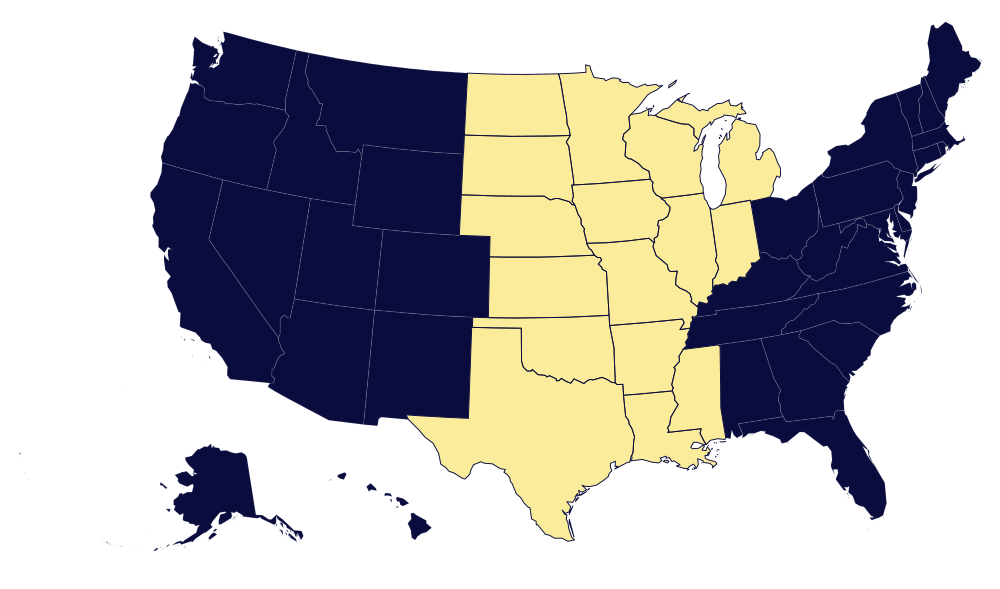
Central States
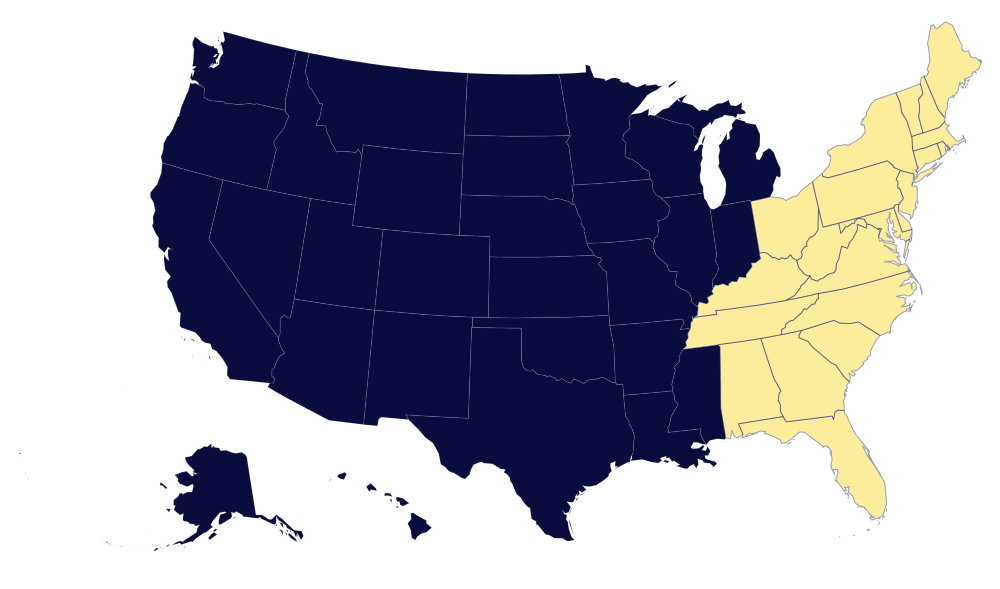
East Coast
*COMING SOON
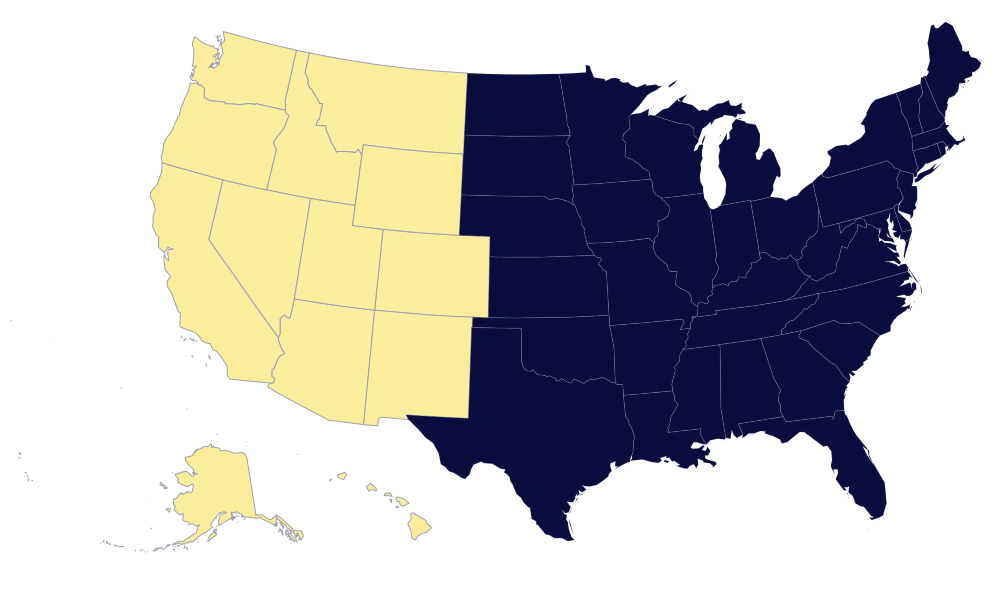
West Coast


*COMING SOON
East Coast
Central States
West Coast
AVLS Nationwide Services
CONTACT US
When your event matters, trust your audio visual labor needs to AV Labor Source.
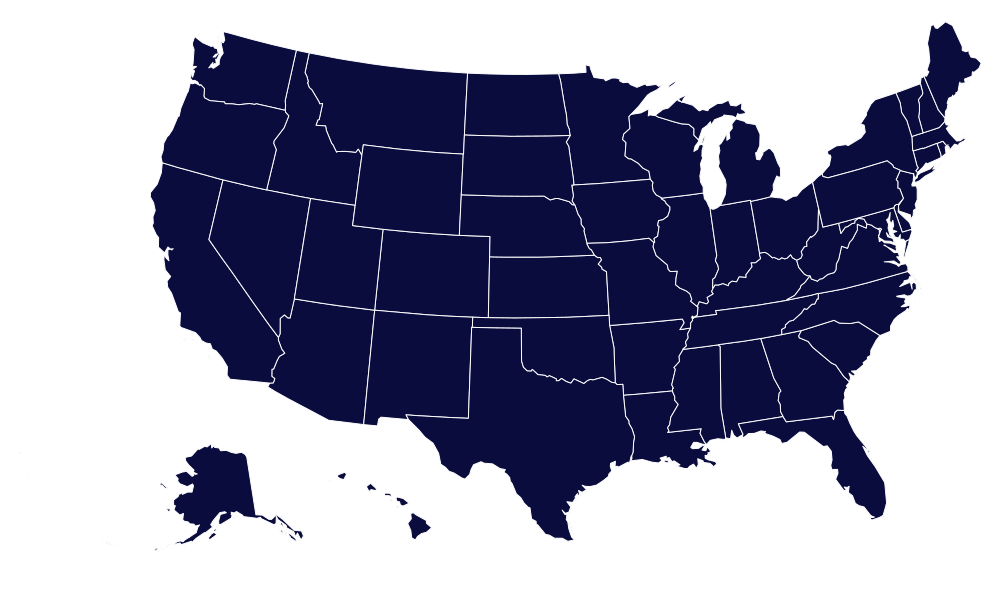
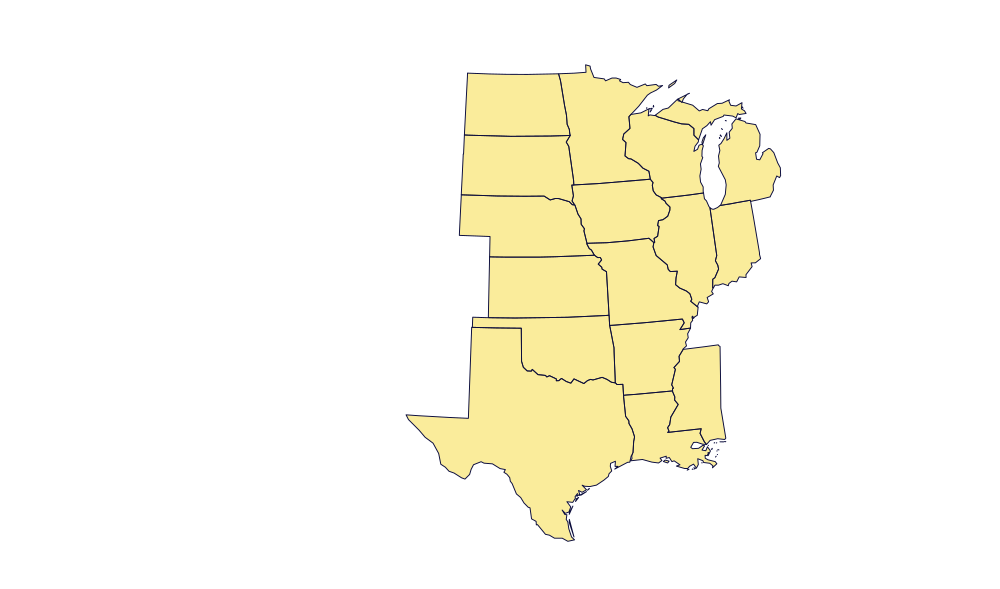
AVLS operate and has proven pool of AV technicians in major cities US Nationwide, such as Las Vegas, Los Angeles, Orlando, Dallas, San Antonio, Austin, Houston, Washington DC, Atlanta, New Orleans, Tennessee and more.
Please complete the form below and we will respond to you as soon as possible. We are available 24 hours a day to assist with your needs. We look forward to showing you what we can do toward the success of your next event.
AVLS operate and has proven pool of AV technicians in major cities US Nationwide, such as Las Vegas, Los Angeles, Orlando, Dallas, San Antonio, Austin, Houston, Washington DC, Atlanta, New Orleans, Tennessee and more.
Please complete the form below and we will respond to you as soon as possible. We are available 24 hours a day to assist with your needs. We look forward to showing you what we can do toward the success of your next event.
EVENT INFORMATION
