





July 21, 2026
Camera Operator Roles for Corporate Events and Conferences
Quick Answer: Camera operators at corporate events capture presentations, speakers, and audience interactions using professional equipment, typically earning $300-800 per day depending on experience and event complexity. They differ from videographers by focusing solely on camera operation rather than full video production, and most conferences require 2-4 operators for comprehensive coverage.
Key Takeaways
What Does a Camera Operator Do at Corporate Events
A camera operator at corporate events captures live footage of presentations, keynote speakers, panel discussions, and networking activities using professional video equipment. Their primary responsibility is operating cameras to ensure smooth, well-framed shots throughout the event duration.
Core responsibilities include:
Camera operators work closely with AV technicians and production crews to ensure seamless video capture. Unlike videographers who handle post-production editing, camera operators focus exclusively on live capture during the event itself.
Decision rule: Choose a dedicated camera operator if your event requires live streaming, professional recording quality, or multi-camera coverage. For simple documentation with basic equipment, a videographer might handle both capture and editing.
Camera Operator vs Videographer: Understanding the Difference
Camera operators and videographers serve distinct roles in corporate event production, though the terms are often confused. A camera operator specializes in live camera operation during events, while a videographer typically handles the complete video production process from planning to final delivery.
Camera Operator Focus:
Videographer Scope:
Cost implications: Camera operators typically charge daily rates ($300-800), while videographers quote project-based pricing that includes editing time ($1,500-5,000+ for corporate events). For live streaming or immediate broadcast needs, camera operators are essential since no post-production occurs.
Common mistake: Hiring a videographer when you need live streaming support. Videographers excel at creating polished final products but may lack the live production experience needed for real-time corporate broadcasts.
How Much Does It Cost to Hire a Camera Operator for Corporate Events
Camera operator rates for corporate events in 2026 typically range from $300-800 per day, with significant variation based on experience level, location, and event complexity. Entry-level operators in smaller markets start around $300-400 daily, while experienced professionals in major cities like New York or Los Angeles command $600-800+ per day.
Rate breakdown by experience:
Additional cost factors:
When working with professional AV technicians, camera operators often integrate into larger production teams, which can provide cost efficiencies through bundled services.
Budget planning tip: For multi-day conferences, negotiate package rates. Most operators offer 10-15% discounts for 3+ consecutive days.
Essential Equipment for Corporate Event Camera Operators
Professional camera operators arrive with specialized equipment designed for live event capture, though specific gear varies based on event requirements and budget levels. Standard setups include cameras, support systems, and connectivity tools for live production workflows.
Core equipment categories:
Cameras and Lenses:
Support and Stabilization:
Connectivity and Power:
Audio Integration:
Equipment quality directly impacts final video quality and reliability. Professional operators typically own $15,000-30,000 in gear, which justifies their higher daily rates compared to operators using consumer equipment.
Red flag: Operators who arrive with only consumer cameras (Canon Rebels, basic camcorders) may lack the professional experience needed for corporate events.
How Many Camera Operators Do You Need for Large Conferences
Large conferences typically require 3-6 camera operators for comprehensive coverage, though the exact number depends on venue size, session format, and production goals. A standard multi-camera setup uses one operator per camera position, with additional operators for roving coverage and backup positions.
Recommended operator counts:
Small Conferences (100-300 attendees):
Medium Conferences (300-800 attendees):
Large Conferences (800+ attendees):
Camera positioning strategy:
Working with experienced event production services helps determine optimal camera placement and operator allocation based on your specific venue and program requirements.
Cost consideration: Each additional camera operator adds $300-800 to daily costs, but provides significantly more dynamic coverage options for live streaming and post-event content.
Camera Operator Mistakes to Avoid at Corporate Events
Common camera operator mistakes can significantly impact event documentation quality and live streaming effectiveness. Understanding these pitfalls helps event planners set clear expectations and choose experienced professionals who avoid these issues.
Technical mistakes:
Poor Framing During Presentations:
Audio-Visual Sync Issues:
Equipment Management Problems:
Communication breakdowns:
Production Team Coordination:
Prevention strategy: Hire operators with specific corporate event experience rather than general video production backgrounds. Corporate events require different skills than weddings or commercials.
Best Practices for Multi-Camera Setup at Corporate Events
Successful multi-camera corporate event production requires careful coordination between operators, technical crews, and production directors. Proper setup and communication protocols ensure smooth coverage throughout the event duration.
Pre-event planning essentials:
Camera Position Strategy:
Technical Coordination:
Communication Systems:
Live production workflow:
Shot Rotation Patterns:
Integration with professional AV crews ensures proper power distribution, signal routing, and backup systems throughout the venue.
Quality control tip: Designate one experienced operator as camera coordinator to oversee shot selection and ensure consistent coverage quality across all positions.
Should You Use a Camera Operator or Just Your Phone
Professional camera operators provide significantly superior results compared to smartphone recording for corporate events, particularly for live streaming, multi-angle coverage, and professional documentation needs. However, smartphones can work for basic internal documentation with limited distribution requirements.
When to choose professional camera operators:
Live Streaming Requirements:
High-Stakes Events:
When smartphones might suffice:
Internal Documentation:
Smartphone limitations for corporate events:
Cost comparison: Professional camera operator ($400-600/day) vs smartphone setup ($0-200 for accessories) represents significant value difference, but professional results justify the investment for most corporate applications.
Decision framework: If the content will be viewed by clients, prospects, or external stakeholders, invest in professional camera operators. For internal-only documentation, smartphones may provide adequate quality.
Camera Operator vs Live Streaming Technician Roles
Camera operators and live streaming technicians serve complementary but distinct functions in corporate event production. Camera operators focus on capturing high-quality footage, while streaming technicians manage the technical broadcast infrastructure and online delivery systems.
Camera Operator Responsibilities:
Live Streaming Technician Focus:
Overlap areas:
Staffing considerations:
Small Events (Under 200 attendees):
Large Events (200+ attendees):
When working with comprehensive AV teams, these roles integrate into larger production workflows with clear responsibilities and communication protocols.
Budget impact: Separate specialists add $300-500/day in labor costs but significantly improve both live stream quality and recorded content outcomes.
Essential Skills for Corporate Event Camera Operators
Successful corporate event camera operators combine technical expertise with live production experience and professional communication skills. These competencies distinguish experienced professionals from general videographers or entry-level operators.
Technical proficiency requirements:
Camera Operation Mastery:
Live Production Experience:
Audio-Visual Integration:
Professional soft skills:
Communication Abilities:
Event Management Understanding:
Industry Experience Indicators:
Skill assessment questions:
How to Find and Hire Reliable Camera Operators
Finding qualified camera operators for corporate events requires understanding local markets, vetting experience levels, and establishing clear project requirements. Successful hiring focuses on relevant experience rather than general video production backgrounds.
Sourcing strategies:
Professional Networks:
Online Platforms:
Vetting process essentials:
Portfolio Review:
Reference Verification:
Interview questions:
Contract considerations:
For comprehensive event support, consider working with established AV labor staffing services that pre-vet operators and provide backup coverage options.
Can One Person Operate Multiple Cameras at Corporate Events
A single operator can manage multiple cameras at corporate events using remote control systems and automated switching technology, though this approach has significant limitations compared to dedicated operators for each camera position. Success depends on event complexity, equipment sophistication, and operator experience level.
Single-operator scenarios that work:
Small Venue Events:
Technology-Assisted Operations:
Limitations of single-operator setups:
Coverage Quality Issues:
Operational Constraints:
Cost-benefit analysis:
Decision criteria: Choose single-operator setups only for budget-constrained internal events where coverage quality is secondary to basic documentation needs.
Live Event Camera Work vs Post-Production Video Editing
Live event camera work and post-production editing require fundamentally different skill sets and approaches, though both contribute to final corporate video quality. Understanding these differences helps event planners set appropriate expectations and hire the right professionals.
Live event camera operation characteristics:
Real-Time Decision Making:
Equipment and Technical Focus:
Post-production editing distinctions:
Creative and Technical Control:
Time and Resource Requirements:
Workflow integration:
Budget implications:
When planning corporate events requiring both live coverage and final edited videos, coordinate between camera operators and editors during pre-production to ensure optimal workflow and final results.
FAQ
How far in advance should I book camera operators for corporate events?
Book camera operators 2-4 weeks in advance for standard events, or 6-8 weeks for peak conference seasons (September-November, March-May). Last-minute bookings often incur 25-50% premium rates and limit operator selection.
Do camera operators provide their own equipment or do I need to rent it separately?
Most professional camera operators own their equipment and include it in their daily rates. However, specialized equipment like wireless transmission systems or additional cameras may require separate rental. Clarify equipment inclusion during initial discussions.
What happens if a camera operator gets sick or has an emergency on event day?
Experienced operators maintain backup networks and can usually provide replacements. When hiring through professional staffing services, backup coverage is typically guaranteed. Always discuss contingency plans during contract negotiations.
Can camera operators also handle live streaming setup and management?
Some operators offer basic live streaming services, but complex corporate streams typically require dedicated streaming technicians. For events over 200 attendees, separate specialists usually provide better results than one person handling both roles.
How do camera operators coordinate with other AV team members during events?
Professional camera operators use wireless headset communication systems to coordinate with production directors, audio engineers, and lighting technicians. Pre-event meetings establish communication protocols and backup procedures.
What's the difference between camera operators who shoot weddings vs corporate events?
Corporate event operators understand business presentation formats, professional discretion requirements, and live production workflows. Wedding videographers focus on storytelling and emotional moments but may lack experience with multi-camera coordination and live streaming integration.
Do I need different camera operators for different types of corporate events?
Conference specialists excel at presentation coverage and multi-camera coordination, while trade show operators focus on booth demonstrations and networking coverage. Product launch events may require operators with commercial advertising experience for polished marketing content.
How do camera operators handle audio recording during corporate events?
Professional operators coordinate with audio engineers to receive clean audio feeds from the main mixing console. They also maintain backup audio recording using wireless microphone systems and on-camera microphones for redundancy.
What should I expect for camera operator setup and breakdown time?
Allow 1-2 hours for setup before event start and 30-60 minutes for breakdown afterward. Complex multi-camera setups with wireless transmission may require additional time. Factor these hours into total labor costs and venue scheduling.
Can camera operators work effectively in low-light corporate event environments?
Experienced operators use professional cameras with excellent low-light performance and coordinate with lighting technicians to ensure adequate illumination. However, very dark networking events or dinner settings may require additional lighting equipment rental.
How do camera operators handle confidential or sensitive corporate content?
Professional operators sign non-disclosure agreements and understand corporate confidentiality requirements. They can pause recording during sensitive discussions or provide secure file transfer methods for confidential content delivery.
What backup plans should camera operators have for equipment failures?
Professional operators carry backup cameras, batteries, memory cards, and cables. For critical events, consider hiring operators who bring complete backup systems or work with rental houses that provide emergency equipment replacement services.
Conclusion
Camera operator roles for corporate events and conferences encompass specialized technical skills, live production experience, and professional communication abilities that distinguish them from general videographers. Success depends on hiring operators with relevant corporate experience, proper equipment, and understanding of live event workflows.
Key decisions include determining the appropriate number of operators based on event size and complexity, establishing clear technical requirements for live streaming or recording needs, and budgeting for professional daily rates that reflect the specialized nature of corporate event coverage.
For optimal results, work with experienced operators who understand corporate presentation formats, maintain professional equipment standards, and can coordinate effectively with broader AV production teams throughout your event duration.
Ready to hire professional camera operators for your next corporate event? AV Labor Source connects you with experienced camera operators and complete AV production crews nationwide. Our vetted professionals bring the technical expertise and corporate event experience needed for successful conferences, meetings, and live productions. Contact us today to discuss your camera operator requirements and receive qualified staffing recommendations for your upcoming events.
Key Takeaways
- Camera operators focus exclusively on operating cameras during live events, while videographers handle the entire video production process
- Daily rates range from $300-500 for entry-level operators to $600-800+ for experienced professionals in major markets
- Multi-camera setups typically require 2-4 operators for standard conferences, with larger events needing 6+ operators
- Essential equipment includes professional cameras, tripods, wireless transmission systems, and backup batteries
- Key skills encompass technical camera operation, live event experience, and ability to work under pressure
- Common mistakes include poor framing during presentations, inadequate backup planning, and miscommunication with production teams
- Hiring considerations should focus on relevant experience, equipment quality, and local market availability
What Does a Camera Operator Do at Corporate Events
A camera operator at corporate events captures live footage of presentations, keynote speakers, panel discussions, and networking activities using professional video equipment. Their primary responsibility is operating cameras to ensure smooth, well-framed shots throughout the event duration.
Core responsibilities include:
- Live camera operation during presentations and speeches
- Following shot lists provided by the production team or event director
- Maintaining proper framing and focus during speaker movement
- Coordinating with other operators for multi-camera productions
- Equipment setup and breakdown before and after events
- Real-time adjustments for lighting changes and venue conditions
Camera operators work closely with AV technicians and production crews to ensure seamless video capture. Unlike videographers who handle post-production editing, camera operators focus exclusively on live capture during the event itself.
Decision rule: Choose a dedicated camera operator if your event requires live streaming, professional recording quality, or multi-camera coverage. For simple documentation with basic equipment, a videographer might handle both capture and editing.
Camera Operator vs Videographer: Understanding the Difference
Camera operators and videographers serve distinct roles in corporate event production, though the terms are often confused. A camera operator specializes in live camera operation during events, while a videographer typically handles the complete video production process from planning to final delivery.
Camera Operator Focus:
- Live event capture only
- Equipment operation expertise
- Real-time shot execution
- Coordination with production teams
- No post-production responsibilities
Videographer Scope:
- Pre-event planning and consultation
- Camera operation and direction
- Post-production editing and color correction
- Final video delivery and distribution
- Complete project management
Cost implications: Camera operators typically charge daily rates ($300-800), while videographers quote project-based pricing that includes editing time ($1,500-5,000+ for corporate events). For live streaming or immediate broadcast needs, camera operators are essential since no post-production occurs.
Common mistake: Hiring a videographer when you need live streaming support. Videographers excel at creating polished final products but may lack the live production experience needed for real-time corporate broadcasts.
How Much Does It Cost to Hire a Camera Operator for Corporate Events
Camera operator rates for corporate events in 2026 typically range from $300-800 per day, with significant variation based on experience level, location, and event complexity. Entry-level operators in smaller markets start around $300-400 daily, while experienced professionals in major cities like New York or Los Angeles command $600-800+ per day.
Rate breakdown by experience:
Experience Level | Daily Rate Range | Typical Markets |
Entry Level (1-2 years) | $300-450 | Secondary cities, simple setups |
Mid-Level (3-5 years) | $450-600 | Major markets, standard conferences |
Senior Level (5+ years) | $600-800+ | Premium markets, complex productions |
Additional cost factors:
- Equipment rental: $100-300/day if operator doesn't provide gear
- Overtime rates: 1.5x normal rate after 10-12 hours
- Travel expenses: Mileage, lodging, and meals for out-of-town events
- Rush booking: 25-50% premium for last-minute requests
When working with professional AV technicians, camera operators often integrate into larger production teams, which can provide cost efficiencies through bundled services.
Budget planning tip: For multi-day conferences, negotiate package rates. Most operators offer 10-15% discounts for 3+ consecutive days.
Essential Equipment for Corporate Event Camera Operators
Professional camera operators arrive with specialized equipment designed for live event capture, though specific gear varies based on event requirements and budget levels. Standard setups include cameras, support systems, and connectivity tools for live production workflows.
Core equipment categories:
Cameras and Lenses:
- Professional camcorders (Sony PXW-Z190, Canon XA40)
- DSLR/mirrorless systems with video capabilities
- Telephoto lenses for distant stage coverage
- Wide-angle options for audience shots
Support and Stabilization:
- Heavy-duty tripods with fluid heads
- Monopods for mobile coverage
- Shoulder rigs for handheld work
- Slider systems for dynamic shots
Connectivity and Power:
- Wireless video transmission systems
- SDI and HDMI output capabilities
- Extended battery systems (8+ hours)
- Memory cards and backup storage
Audio Integration:
- XLR input capabilities
- Wireless microphone receivers
- Audio monitoring headphones
- Backup audio recording devices
Equipment quality directly impacts final video quality and reliability. Professional operators typically own $15,000-30,000 in gear, which justifies their higher daily rates compared to operators using consumer equipment.
Red flag: Operators who arrive with only consumer cameras (Canon Rebels, basic camcorders) may lack the professional experience needed for corporate events.
How Many Camera Operators Do You Need for Large Conferences
Large conferences typically require 3-6 camera operators for comprehensive coverage, though the exact number depends on venue size, session format, and production goals. A standard multi-camera setup uses one operator per camera position, with additional operators for roving coverage and backup positions.
Recommended operator counts:
Small Conferences (100-300 attendees):
- 2-3 operators
- Main stage coverage + audience reactions
- Single breakout room support
Medium Conferences (300-800 attendees):
- 3-4 operators
- Multi-angle stage coverage
- Dedicated audience camera
- Breakout room rotation
Large Conferences (800+ attendees):
- 4-6+ operators
- Multiple stage positions
- Dedicated audience and networking coverage
- Simultaneous breakout room coverage
- Backup operator for equipment issues
Camera positioning strategy:
- Camera 1: Wide establishing shots of stage and speakers
- Camera 2: Medium shots of presenters and podium area
- Camera 3: Tight shots for speaker close-ups and presentation details
- Camera 4: Audience reactions and Q&A interactions
- Camera 5+: Roving coverage for networking and breakout sessions
Working with experienced event production services helps determine optimal camera placement and operator allocation based on your specific venue and program requirements.
Cost consideration: Each additional camera operator adds $300-800 to daily costs, but provides significantly more dynamic coverage options for live streaming and post-event content.
Camera Operator Mistakes to Avoid at Corporate Events
Common camera operator mistakes can significantly impact event documentation quality and live streaming effectiveness. Understanding these pitfalls helps event planners set clear expectations and choose experienced professionals who avoid these issues.
Technical mistakes:
Poor Framing During Presentations:
- Cutting off speakers' heads or hands during gestures
- Failing to adjust for presenter movement around stage
- Missing important slide content or demonstration details
- Inconsistent shot composition between multiple cameras
Audio-Visual Sync Issues:
- Incorrect audio input settings causing sync drift
- Failure to monitor audio levels during recording
- Missing wireless microphone frequency coordination
- Inadequate backup audio recording systems
Equipment Management Problems:
- Insufficient battery planning for long conference days
- Missing backup memory cards or storage devices
- Improper white balance settings for venue lighting
- Failure to test equipment before event start
Communication breakdowns:
Production Team Coordination:
- Not following director cues during live switching
- Missing important moments due to poor shot planning
- Inadequate communication with lighting crews
- Failure to coordinate camera movements with other operators
Prevention strategy: Hire operators with specific corporate event experience rather than general video production backgrounds. Corporate events require different skills than weddings or commercials.
Best Practices for Multi-Camera Setup at Corporate Events
Successful multi-camera corporate event production requires careful coordination between operators, technical crews, and production directors. Proper setup and communication protocols ensure smooth coverage throughout the event duration.
Pre-event planning essentials:
Camera Position Strategy:
- Primary angle: Front-center position for main speaker coverage
- Secondary angle: Side angle for profile shots and audience interaction
- Detail camera: Close-up position for product demonstrations or slides
- Wide coverage: Back-of-room establishing shots and audience reactions
Technical Coordination:
- Standardized camera settings across all units
- Synchronized timecode for post-production editing
- Consistent white balance and exposure settings
- Backup recording on each camera position
Communication Systems:
- Wireless headset communication between all operators
- Clear shot calling procedures from production director
- Hand signal backup systems for critical moments
- Pre-established camera switching cues
Live production workflow:
Shot Rotation Patterns:
- Establish wide shot, then move to medium and close-ups
- Coordinate camera movements to avoid similar angles simultaneously
- Plan transition shots between speakers or segments
- Maintain one stable shot while others adjust positions
Integration with professional AV crews ensures proper power distribution, signal routing, and backup systems throughout the venue.
Quality control tip: Designate one experienced operator as camera coordinator to oversee shot selection and ensure consistent coverage quality across all positions.
Should You Use a Camera Operator or Just Your Phone
Professional camera operators provide significantly superior results compared to smartphone recording for corporate events, particularly for live streaming, multi-angle coverage, and professional documentation needs. However, smartphones can work for basic internal documentation with limited distribution requirements.
When to choose professional camera operators:
Live Streaming Requirements:
- Real-time broadcast to remote attendees
- Multi-camera switching during presentations
- Professional audio integration and mixing
- Reliable equipment with backup systems
High-Stakes Events:
- C-level presentations or board meetings
- Client-facing conferences or product launches
- Events requiring post-production editing
- Content intended for marketing or sales use
When smartphones might suffice:
Internal Documentation:
- Small team meetings or training sessions
- Basic archival recording for internal reference
- Simple social media content creation
- Budget constraints under $500 total
Smartphone limitations for corporate events:
- Poor audio quality in large venues
- Limited battery life for full-day events
- Inability to capture multiple angles simultaneously
- Lack of professional stabilization and framing
- No live streaming capabilities to professional platforms
Cost comparison: Professional camera operator ($400-600/day) vs smartphone setup ($0-200 for accessories) represents significant value difference, but professional results justify the investment for most corporate applications.
Decision framework: If the content will be viewed by clients, prospects, or external stakeholders, invest in professional camera operators. For internal-only documentation, smartphones may provide adequate quality.
Camera Operator vs Live Streaming Technician Roles
Camera operators and live streaming technicians serve complementary but distinct functions in corporate event production. Camera operators focus on capturing high-quality footage, while streaming technicians manage the technical broadcast infrastructure and online delivery systems.
Camera Operator Responsibilities:
- Operating cameras for optimal shot composition and quality
- Following production director cues for shot selection
- Maintaining equipment throughout event duration
- Coordinating with other camera positions
- Ensuring backup recording on all cameras
Live Streaming Technician Focus:
- Managing streaming software and encoding systems
- Monitoring internet connectivity and bandwidth
- Switching between camera feeds in real-time
- Managing online chat and audience interaction
- Troubleshooting broadcast technical issues
Overlap areas:
- Both require understanding of video production workflows
- Equipment setup and breakdown responsibilities
- Communication with overall production team
- Quality control monitoring throughout events
Staffing considerations:
Small Events (Under 200 attendees):
- One person can often handle both roles
- Requires experienced operator with streaming knowledge
- Simplified equipment setup reduces complexity
Large Events (200+ attendees):
- Separate specialists provide better results
- Dedicated streaming technician manages broadcast quality
- Camera operators focus solely on capture quality
- Reduces single points of failure
When working with comprehensive AV teams, these roles integrate into larger production workflows with clear responsibilities and communication protocols.
Budget impact: Separate specialists add $300-500/day in labor costs but significantly improve both live stream quality and recorded content outcomes.
Essential Skills for Corporate Event Camera Operators
Successful corporate event camera operators combine technical expertise with live production experience and professional communication skills. These competencies distinguish experienced professionals from general videographers or entry-level operators.
Technical proficiency requirements:
Camera Operation Mastery:
- Manual focus control in varying lighting conditions
- Exposure adjustment for stage lighting changes
- Smooth pan, tilt, and zoom techniques
- Understanding of frame rates and recording formats
Live Production Experience:
- Following director cues and shot lists
- Coordinating with multiple camera positions
- Managing equipment during long event days
- Troubleshooting technical issues quickly
Audio-Visual Integration:
- Understanding of audio routing and monitoring
- Coordination with lighting technicians
- Knowledge of projection and display systems
- Backup system management
Professional soft skills:
Communication Abilities:
- Clear headset communication during live production
- Professional interaction with event stakeholders
- Ability to work under pressure during critical moments
- Coordination with venue staff and other contractors
Event Management Understanding:
- Corporate event flow and timing requirements
- Presenter coaching for camera-friendly behavior
- Discretion during confidential business discussions
- Flexibility for last-minute schedule changes
Industry Experience Indicators:
- Portfolio of corporate event work (not just weddings or commercials)
- References from event production companies
- Understanding of corporate presentation formats
- Knowledge of common business event challenges
Skill assessment questions:
- "How do you handle focus during presenter movement?"
- "Describe your backup equipment and power management approach"
- "What's your experience with live streaming integration?"
How to Find and Hire Reliable Camera Operators
Finding qualified camera operators for corporate events requires understanding local markets, vetting experience levels, and establishing clear project requirements. Successful hiring focuses on relevant experience rather than general video production backgrounds.
Sourcing strategies:
Professional Networks:
- Event production companies and AV rental houses
- Corporate event planners and venue coordinators
- Professional associations (NAB, InfoComm members)
- Referrals from experienced AV technicians
Online Platforms:
- StaffMeUp and ProductionHUB for entertainment professionals
- Local Facebook groups for event production crews
- LinkedIn searches for "camera operator" + your city
- Specialized staffing agencies for event production
Vetting process essentials:
Portfolio Review:
- Recent corporate event footage (not wedding or commercial work)
- Multi-camera coordination examples
- Live streaming or broadcast experience
- Equipment ownership and quality levels
Reference Verification:
- Contact recent corporate clients directly
- Verify experience with similar event sizes
- Ask about reliability and professionalism
- Confirm technical problem-solving abilities
Interview questions:
- "Walk me through your typical corporate event setup process"
- "How do you handle equipment failures during live events?"
- "Describe your experience with [specific camera/streaming platform]"
- "What's your backup plan for extended battery life needs?"
Contract considerations:
- Clear daily rates and overtime policies
- Equipment provision responsibilities
- Cancellation and weather policies
- Delivery timeline for recorded content
For comprehensive event support, consider working with established AV labor staffing services that pre-vet operators and provide backup coverage options.
Can One Person Operate Multiple Cameras at Corporate Events
A single operator can manage multiple cameras at corporate events using remote control systems and automated switching technology, though this approach has significant limitations compared to dedicated operators for each camera position. Success depends on event complexity, equipment sophistication, and operator experience level.
Single-operator scenarios that work:
Small Venue Events:
- 2-3 fixed cameras with remote pan/tilt/zoom control
- Simple presentation formats without complex staging
- Automated switching based on audio cues
- Events under 4 hours duration
Technology-Assisted Operations:
- PTZ (pan-tilt-zoom) cameras with preset positions
- Automated switching systems triggered by presenter microphones
- AI-powered camera tracking for speaker movement
- Remote control interfaces for multiple camera adjustment
Limitations of single-operator setups:
Coverage Quality Issues:
- Missed spontaneous moments during camera adjustments
- Inability to capture multiple simultaneous actions
- Reduced shot variety and dynamic coverage
- Higher risk of technical problems without backup attention
Operational Constraints:
- Operator fatigue during long conference days
- Limited ability to troubleshoot equipment issues
- No backup coverage during breaks or emergencies
- Reduced coordination with other production elements
Cost-benefit analysis:
- Single operator: $400-600/day + advanced equipment rental
- Multiple operators: $800-1,600/day with simpler, more reliable equipment
- Quality difference often justifies additional operator costs for professional corporate events
Decision criteria: Choose single-operator setups only for budget-constrained internal events where coverage quality is secondary to basic documentation needs.
Live Event Camera Work vs Post-Production Video Editing
Live event camera work and post-production editing require fundamentally different skill sets and approaches, though both contribute to final corporate video quality. Understanding these differences helps event planners set appropriate expectations and hire the right professionals.
Live event camera operation characteristics:
Real-Time Decision Making:
- Immediate shot composition and framing decisions
- No ability to reshoot missed moments or poor angles
- Constant adjustment for lighting and staging changes
- Coordination with live production switching and streaming
Equipment and Technical Focus:
- Professional cameras optimized for live capture
- Wireless transmission systems for real-time switching
- Extended battery systems and backup equipment
- Audio monitoring and integration capabilities
Post-production editing distinctions:
Creative and Technical Control:
- Ability to correct exposure, color, and audio issues
- Creative shot selection from multiple camera angles
- Pacing control through editing rhythm and transitions
- Graphics, titles, and branding integration
Time and Resource Requirements:
- Editing typically requires 3-5 hours per finished hour of content
- Specialized software and computer hardware needs
- Color correction and audio mixing expertise
- Final delivery in multiple formats and resolutions
Workflow integration:
- Live camera operators provide raw footage for editors
- Proper live capture reduces post-production time and costs
- Backup recording ensures editing options even during live streaming
- Timecode synchronization enables multi-camera editing workflows
Budget implications:
- Live camera work: $400-800/day per operator
- Post-production editing: $50-150/hour for 20-40 hours typical
- Combined approach provides both live streaming and polished final deliverables
When planning corporate events requiring both live coverage and final edited videos, coordinate between camera operators and editors during pre-production to ensure optimal workflow and final results.
FAQ
How far in advance should I book camera operators for corporate events?
Book camera operators 2-4 weeks in advance for standard events, or 6-8 weeks for peak conference seasons (September-November, March-May). Last-minute bookings often incur 25-50% premium rates and limit operator selection.
Do camera operators provide their own equipment or do I need to rent it separately?
Most professional camera operators own their equipment and include it in their daily rates. However, specialized equipment like wireless transmission systems or additional cameras may require separate rental. Clarify equipment inclusion during initial discussions.
What happens if a camera operator gets sick or has an emergency on event day?
Experienced operators maintain backup networks and can usually provide replacements. When hiring through professional staffing services, backup coverage is typically guaranteed. Always discuss contingency plans during contract negotiations.
Can camera operators also handle live streaming setup and management?
Some operators offer basic live streaming services, but complex corporate streams typically require dedicated streaming technicians. For events over 200 attendees, separate specialists usually provide better results than one person handling both roles.
How do camera operators coordinate with other AV team members during events?
Professional camera operators use wireless headset communication systems to coordinate with production directors, audio engineers, and lighting technicians. Pre-event meetings establish communication protocols and backup procedures.
What's the difference between camera operators who shoot weddings vs corporate events?
Corporate event operators understand business presentation formats, professional discretion requirements, and live production workflows. Wedding videographers focus on storytelling and emotional moments but may lack experience with multi-camera coordination and live streaming integration.
Do I need different camera operators for different types of corporate events?
Conference specialists excel at presentation coverage and multi-camera coordination, while trade show operators focus on booth demonstrations and networking coverage. Product launch events may require operators with commercial advertising experience for polished marketing content.
How do camera operators handle audio recording during corporate events?
Professional operators coordinate with audio engineers to receive clean audio feeds from the main mixing console. They also maintain backup audio recording using wireless microphone systems and on-camera microphones for redundancy.
What should I expect for camera operator setup and breakdown time?
Allow 1-2 hours for setup before event start and 30-60 minutes for breakdown afterward. Complex multi-camera setups with wireless transmission may require additional time. Factor these hours into total labor costs and venue scheduling.
Can camera operators work effectively in low-light corporate event environments?
Experienced operators use professional cameras with excellent low-light performance and coordinate with lighting technicians to ensure adequate illumination. However, very dark networking events or dinner settings may require additional lighting equipment rental.
How do camera operators handle confidential or sensitive corporate content?
Professional operators sign non-disclosure agreements and understand corporate confidentiality requirements. They can pause recording during sensitive discussions or provide secure file transfer methods for confidential content delivery.
What backup plans should camera operators have for equipment failures?
Professional operators carry backup cameras, batteries, memory cards, and cables. For critical events, consider hiring operators who bring complete backup systems or work with rental houses that provide emergency equipment replacement services.
Conclusion
Camera operator roles for corporate events and conferences encompass specialized technical skills, live production experience, and professional communication abilities that distinguish them from general videographers. Success depends on hiring operators with relevant corporate experience, proper equipment, and understanding of live event workflows.
Key decisions include determining the appropriate number of operators based on event size and complexity, establishing clear technical requirements for live streaming or recording needs, and budgeting for professional daily rates that reflect the specialized nature of corporate event coverage.
For optimal results, work with experienced operators who understand corporate presentation formats, maintain professional equipment standards, and can coordinate effectively with broader AV production teams throughout your event duration.
Ready to hire professional camera operators for your next corporate event? AV Labor Source connects you with experienced camera operators and complete AV production crews nationwide. Our vetted professionals bring the technical expertise and corporate event experience needed for successful conferences, meetings, and live productions. Contact us today to discuss your camera operator requirements and receive qualified staffing recommendations for your upcoming events.
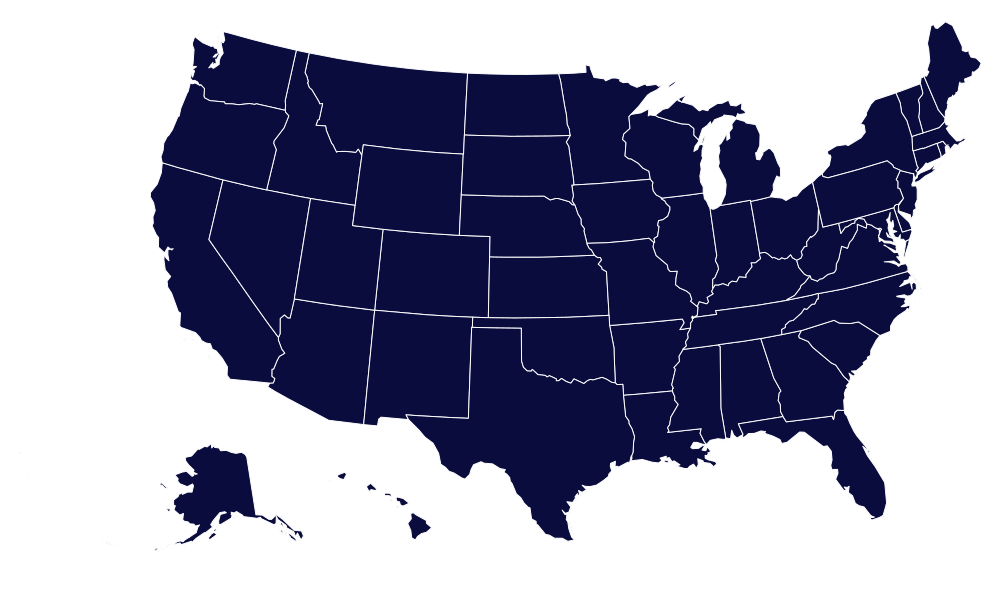
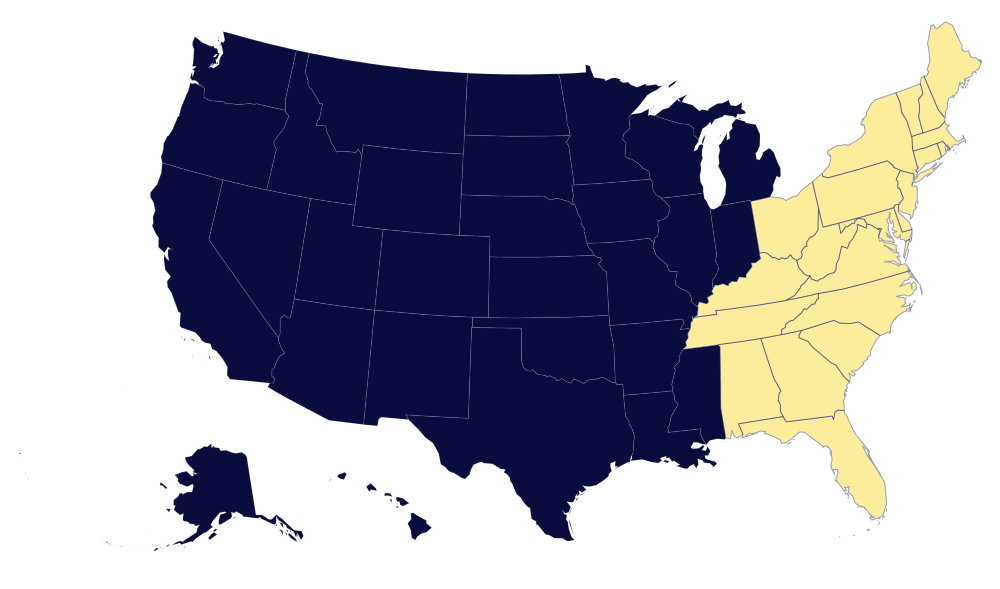
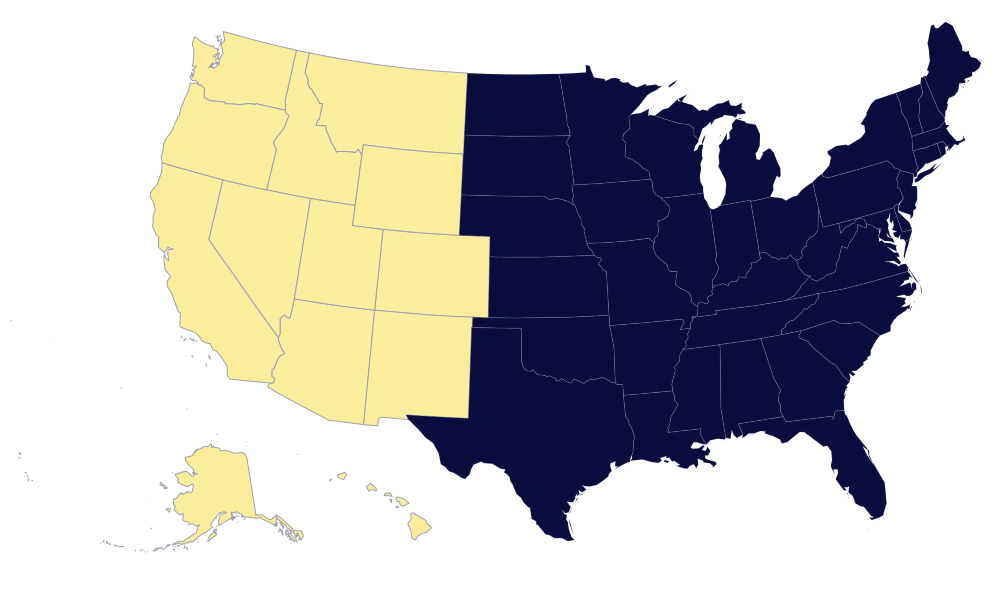
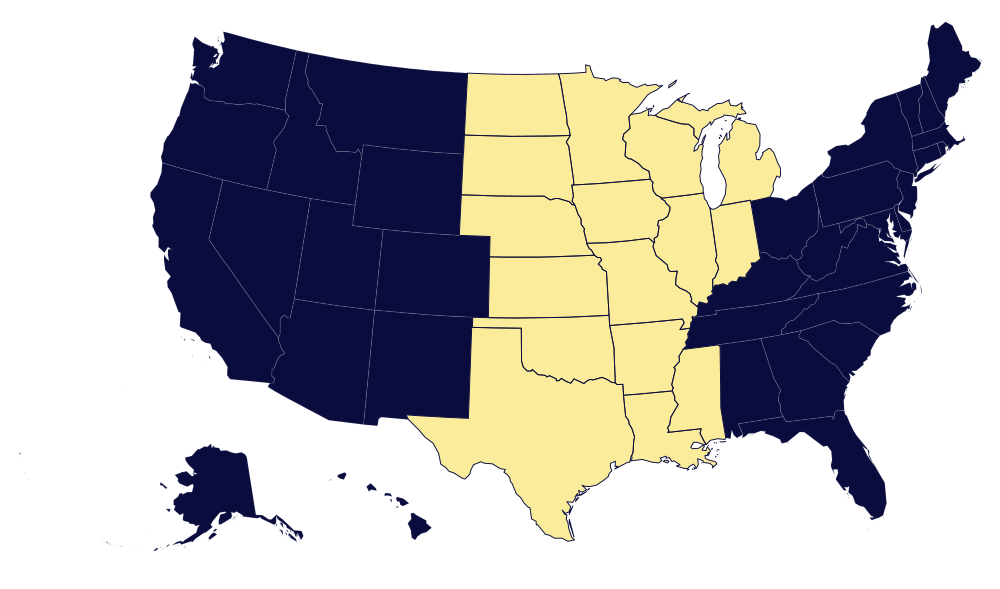
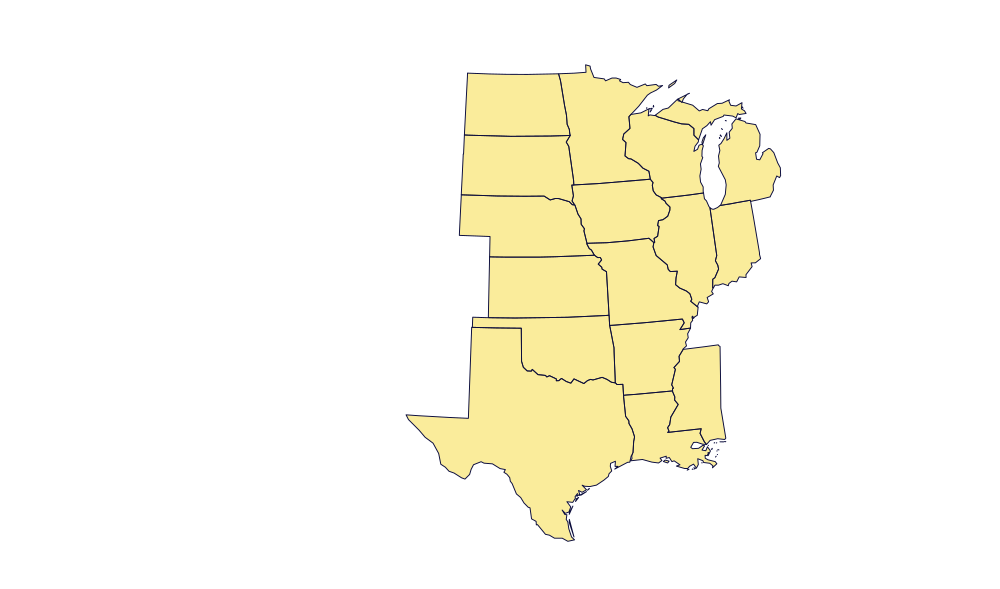
AVLS Nationwide Services
Central States
East Coast
*COMING SOON
West Coast


*COMING SOON
East Coast
Central States
West Coast
AVLS Nationwide Services
CONTACT US
When your event matters, trust your audio visual labor needs to AV Labor Source.
AVLS operate and has proven pool of AV technicians in major cities US Nationwide, such as Las Vegas, Los Angeles, Orlando, Dallas, San Antonio, Austin, Houston, Washington DC, Atlanta, New Orleans, Tennessee and more.
Please complete the form below and we will respond to you as soon as possible. We are available 24 hours a day to assist with your needs. We look forward to showing you what we can do toward the success of your next event.
AVLS operate and has proven pool of AV technicians in major cities US Nationwide, such as Las Vegas, Los Angeles, Orlando, Dallas, San Antonio, Austin, Houston, Washington DC, Atlanta, New Orleans, Tennessee and more.
Please complete the form below and we will respond to you as soon as possible. We are available 24 hours a day to assist with your needs. We look forward to showing you what we can do toward the success of your next event.
EVENT INFORMATION
