





July 21, 2026
Video Technician Staffing Guide for Conferences
Conference video production requires specialized technicians who can handle live streaming, recording, and real-time video switching across multiple sessions. The right video technician staffing ensures seamless coverage without technical failures that could disrupt your event or damage your professional reputation.
Key Takeaways
What Does a Video Technician Do at a Conference
Video technicians at conferences operate cameras, manage live streaming equipment, and ensure all video content is properly recorded and broadcast. They handle camera positioning, video switching between multiple feeds, live stream management to platforms like YouTube or Zoom, and real-time troubleshooting of video issues during presentations.
Key responsibilities include:
Video technicians work closely with the AV crew but focus specifically on visual capture and broadcast rather than audio or lighting systems.
How Many Video Technicians Do I Need for My Conference
Most conferences need one video technician per 2-3 concurrent sessions for basic recording and streaming coverage. Large multi-track conferences with complex production requirements may need one technician per session plus additional specialists for live switching and stream management.
Basic staffing ratios:
Additional factors that increase staffing needs:
The complexity of your conference audio setup also impacts video staffing since integrated AV production requires coordination between teams.
Video Technician Staffing Ratios for Different Conference Sizes
Conference size and complexity determine optimal video technician ratios, with larger events requiring specialized roles beyond basic camera operation.
Choose higher staffing levels if you have:
How Much Does It Cost to Hire Video Technicians for Conferences
Video technician rates for conferences typically range from $400-800 per day for experienced professionals in major markets, with specialized roles like video directors commanding $600-1200 per day.
Daily rate ranges by role:
Market variations:
Additional costs include equipment rentals, overtime rates for long event days, and travel expenses for out-of-town events. When planning your corporate event AV staffing, budget for potential overtime since conference days often extend beyond standard 8-hour shifts.
Where to Find and Hire Video Technicians for Events
The most reliable sources for conference video technicians are specialized AV labor staffing companies that maintain networks of vetted professionals with conference experience.
Primary hiring sources:
Vetting criteria for video technicians:
For major conference markets, consider specialized regional providers like AV technicians in Las Vegas or AV technicians in Orlando who understand venue-specific requirements.
Video Technician vs AV Technician Difference
Video technicians specialize exclusively in camera operation, video switching, and streaming technology, while AV technicians handle broader audio-visual systems including sound, lighting, and presentation equipment. Video techs focus on visual capture and broadcast, AV techs manage complete event production systems.
Video technician specializations:
AV technician broader scope:
Many conferences benefit from both specialists working together. Video technicians ensure professional visual production while AV technicians handle the broader technical infrastructure. The distinction becomes critical for events requiring broadcast-quality video production alongside complex audio and lighting needs.
What Equipment Should Video Technicians Bring to Conferences
Professional conference video technicians should arrive with broadcast-quality cameras, streaming encoders, backup recording devices, and essential cables and adapters for venue integration.
Essential video equipment:
Backup and redundancy gear:
Venue integration tools:
Experienced video technicians coordinate equipment lists with venue specifications and AV equipment requirements to ensure compatibility and avoid last-minute technical issues.
Common Mistakes When Hiring Conference Video Staff
The most frequent staffing mistake is underestimating setup and breakdown time, leading to rushed installations and technical problems during live sessions. Many planners also fail to book backup technicians for mission-critical presentations.
Critical hiring mistakes:
Setup and logistics errors:
Budget-related mistakes:
Successful conferences invest in experienced professionals and allow adequate setup time rather than cutting corners on video production quality.
How to Manage Video Technicians During a Multi-Track Conference
Multi-track conference video management requires a designated video director who coordinates all camera operators and streaming technicians while maintaining communication with event producers and session moderators.
Management structure:
Communication systems:
Operational protocols:
Quality control measures:
Effective management ensures consistent video quality across all conference tracks while maintaining flexibility for last-minute changes and technical challenges.
Do I Need Video Technicians for a Hybrid Conference
Hybrid conferences absolutely require specialized video technicians because they demand simultaneous live streaming, remote audience interaction, and traditional in-person video coverage. The technical complexity of managing both physical and virtual attendees requires dedicated streaming expertise beyond standard conference video.
Hybrid-specific requirements:
Additional staffing needs:
Equipment and technical considerations:
Hybrid events typically require 30-50% more video technical staff than traditional in-person conferences due to the dual-audience complexity and higher technical failure risks.
Video Technician Staffing for Live Streaming vs In-Person Events
Live streaming events require specialized streaming technicians and encoding equipment, while in-person events focus on traditional camera operation and recording. Streaming demands real-time monitoring, platform management, and internet redundancy that in-person recording does not require.
Live streaming technical requirements:
In-person event focus:
Staffing differences:
Equipment and complexity variations:
Choose technicians with specific experience matching your event format rather than assuming all video skills transfer between streaming and traditional production.
What Skills Should I Look for in a Conference Video Technician
The most critical skills for conference video technicians are live production experience, multi-camera coordination, and real-time problem-solving abilities under pressure during active presentations.
Essential technical skills:
Professional experience requirements:
Soft skills and work qualities:
Specialized certifications and training:
Prioritize hands-on conference experience over general video production background since live event technical demands differ significantly from studio or post-production work.
How Far in Advance Should I Hire Video Technicians
Book experienced conference video technicians 4-6 weeks in advance for standard events, and 8-12 weeks ahead for peak conference season (September through November) or major industry conventions requiring specialized expertise.
Booking timeline recommendations:
Factors requiring earlier booking:
Market timing considerations:
Emergency hiring strategies:
Early booking ensures access to experienced technicians and better rates while avoiding the stress of limited options close to event dates.
Troubleshooting Video Issues During a Conference with Limited Staff
When video problems occur during live conferences with minimal staffing, prioritize critical sessions, implement backup systems quickly, and maintain clear communication with speakers and attendees about technical status.
Immediate response priorities:
Common issue resolution strategies:
Prevention with limited staff:
Communication protocols:
Resource management:
Successful troubleshooting with limited staff requires preparation, clear priorities, and calm decision-making under pressure.
Frequently Asked Questions
How much do video technicians charge for conference work?
Video technicians typically charge $400-800 per day for conference work, with rates varying by experience level, market location, and event complexity. Specialized roles like video directors command $600-1200 per day.
What's the difference between a video technician and an AV technician?
Video technicians specialize in cameras, streaming, and video production, while AV technicians handle broader audio-visual systems including sound, lighting, and presentation equipment. Video techs focus exclusively on visual capture and broadcast.
How many video technicians do I need for a 500-person conference?
A 500-person conference typically needs 3-5 video technicians depending on the number of concurrent sessions and production complexity. Plan for one technician per 2-3 concurrent sessions plus additional specialists for streaming.
Can I use the same video crew for both in-person and streaming coverage?
While some overlap exists, streaming requires specialized skills in encoding, platform management, and real-time troubleshooting that differ from traditional video recording. Hybrid events typically need both types of specialists.
How far ahead should I book video technicians for my conference?
Book video technicians 4-6 weeks in advance for standard conferences, or 8-12 weeks ahead during peak season (September-November). Major conventions may require 10-16 weeks advance booking.
What equipment should I expect video technicians to provide?
Professional video technicians should provide cameras, streaming encoders, recording devices, tripods, and essential cables. Verify equipment lists in advance and confirm backup devices for critical sessions.
Do small conferences really need professional video technicians?
Small conferences benefit from professional video technicians if they require live streaming, multi-camera coverage, or broadcast-quality recording. Simple single-camera recording might be manageable with basic AV support.
What happens if a video technician gets sick during my conference?
Reputable AV staffing companies provide backup technicians for emergencies. Always confirm backup plans when hiring and consider having redundant staff for mission-critical presentations.
How do I verify a video technician's conference experience?
Request references from recent conference clients, ask for sample work from similar events, and verify experience with your specific venue type and technical requirements. Portfolio review is essential.
Should video technicians handle social media posting during conferences?
Video technicians should focus on technical production rather than social media management. Assign content creation and posting to dedicated marketing staff while video techs ensure quality capture.
What's the biggest mistake when hiring conference video staff?
The most common mistake is underestimating setup time and technical complexity, leading to rushed installations and problems during live sessions. Allow adequate preparation time and hire experienced professionals.
Can video technicians work with existing venue AV systems?
Experienced conference video technicians can integrate with most venue AV systems, but coordination and compatibility testing are essential. Verify venue specifications and plan integration meetings before the event.
Conclusion
Successful conference video production depends on hiring the right number of qualified technicians with specific conference experience and allowing adequate time for setup and testing. The investment in professional video staff ensures seamless coverage that enhances your event's professional reputation and extends its reach through quality streaming and recording.
Key planning priorities include booking experienced technicians 4-6 weeks in advance, budgeting appropriately for market rates and potential overtime, and ensuring backup coverage for critical sessions. Whether managing a small corporate meeting or a large multi-track conference, proper video technician staffing creates the technical foundation for engaging, professional event experiences that serve both in-person and remote audiences effectively.
Ready to staff your conference with experienced video technicians? AV Labor Source connects you with qualified video professionals who specialize in conference production, live streaming, and multi-camera coverage. Our vetted technicians bring the equipment, expertise, and reliability your event demands. Contact us today to discuss your conference video staffing needs and ensure flawless technical execution for your next event.
Key Takeaways
- Plan for one video technician per 2-3 concurrent sessions for basic recording and streaming
- Video technicians specialize in cameras, streaming, and live production while AV technicians handle broader audio-visual equipment
- Budget $400-800 per day for experienced conference video technicians in major markets
- Book video staff 4-6 weeks ahead for large conferences, 8-12 weeks for peak season events
- Hybrid conferences require additional streaming specialists beyond traditional video crew
- Multi-camera setups and live switching demand senior-level video technicians with broadcast experience
- Common staffing mistakes include underestimating setup time and lacking backup technicians for critical sessions
What Does a Video Technician Do at a Conference
Video technicians at conferences operate cameras, manage live streaming equipment, and ensure all video content is properly recorded and broadcast. They handle camera positioning, video switching between multiple feeds, live stream management to platforms like YouTube or Zoom, and real-time troubleshooting of video issues during presentations.
Key responsibilities include:
- Camera operation for keynotes, breakout sessions, and panel discussions
- Live streaming setup and monitoring for remote audiences
- Video recording of all sessions for post-event content
- Multi-camera switching during complex presentations
- Equipment setup and breakdown including cameras, monitors, and streaming hardware
- Real-time problem solving when video feeds fail or quality degrades
- Coordination with speakers for optimal camera angles and lighting
Video technicians work closely with the AV crew but focus specifically on visual capture and broadcast rather than audio or lighting systems.
How Many Video Technicians Do I Need for My Conference
Most conferences need one video technician per 2-3 concurrent sessions for basic recording and streaming coverage. Large multi-track conferences with complex production requirements may need one technician per session plus additional specialists for live switching and stream management.
Basic staffing ratios:
- Single-track conference: 1-2 video technicians (operator plus backup)
- 2-3 concurrent sessions: 2-3 video technicians
- 4-6 concurrent sessions: 3-5 video technicians plus 1 video director
- Large multi-track events: 1 technician per session plus 2-3 streaming specialists
Additional factors that increase staffing needs:
- Multi-camera setups require dedicated camera operators
- Live streaming to multiple platforms needs streaming specialists
- Interactive sessions with audience Q&A need additional coverage
- VIP speakers or keynotes often require enhanced video production
The complexity of your conference audio setup also impacts video staffing since integrated AV production requires coordination between teams.
Video Technician Staffing Ratios for Different Conference Sizes
Conference size and complexity determine optimal video technician ratios, with larger events requiring specialized roles beyond basic camera operation.
Conference Size | Attendees | Video Staff Needed | Specialized Roles |
Small | 50-200 | 1-2 technicians | Camera operator, streaming tech |
Medium | 200-500 | 3-5 technicians | Multiple camera ops, video director, streaming specialist |
Large | 500-2000 | 6-10 technicians | Video director, camera ops, switcher, streaming team, roving cameras |
Enterprise | 2000+ | 10+ technicians | Full broadcast crew, multiple directors, dedicated streaming team |
Choose higher staffing levels if you have:
- Multiple concurrent breakout sessions
- Complex multi-camera keynote productions
- Live streaming to multiple platforms simultaneously
- Interactive elements requiring audience coverage
- High-profile speakers demanding broadcast-quality production
How Much Does It Cost to Hire Video Technicians for Conferences
Video technician rates for conferences typically range from $400-800 per day for experienced professionals in major markets, with specialized roles like video directors commanding $600-1200 per day.
Daily rate ranges by role:
- Camera operator: $400-600/day
- Streaming technician: $500-700/day
- Video director/switcher: $600-1200/day
- Senior video engineer: $700-1000/day
Market variations:
- Major markets (NYC, LA, Chicago): 20-30% above national average
- Secondary markets: 10-20% below national average
- Peak conference season (September-November): 15-25% premium
- Multi-day events: 10-15% discount for extended bookings
Additional costs include equipment rentals, overtime rates for long event days, and travel expenses for out-of-town events. When planning your corporate event AV staffing, budget for potential overtime since conference days often extend beyond standard 8-hour shifts.
Where to Find and Hire Video Technicians for Events
The most reliable sources for conference video technicians are specialized AV labor staffing companies that maintain networks of vetted professionals with conference experience.
Primary hiring sources:
- AV staffing agencies - Pre-screened professionals with event experience
- Freelance platforms - Direct hire but requires vetting and coordination
- Local AV companies - Often provide crew along with equipment packages
- Industry referrals - Recommendations from other event planners
- Union halls - IATSE locals in major markets for large productions
Vetting criteria for video technicians:
- Minimum 2-3 years conference video experience
- Proficiency with broadcast cameras and switching equipment
- Live streaming platform expertise (YouTube Live, Vimeo, custom RTMP)
- References from recent conference clients
- Backup equipment and troubleshooting skills
For major conference markets, consider specialized regional providers like AV technicians in Las Vegas or AV technicians in Orlando who understand venue-specific requirements.
Video Technician vs AV Technician Difference
Video technicians specialize exclusively in camera operation, video switching, and streaming technology, while AV technicians handle broader audio-visual systems including sound, lighting, and presentation equipment. Video techs focus on visual capture and broadcast, AV techs manage complete event production systems.
Video technician specializations:
- Camera operation and positioning
- Live video switching and effects
- Streaming platform management
- Video recording and encoding
- Multi-camera coordination
- Broadcast-quality production standards
AV technician broader scope:
- Audio system setup and mixing
- Lighting design and operation
- Presentation technology (projectors, screens)
- Microphone and speaker management
- Complete system integration
- General troubleshooting across all AV disciplines
Many conferences benefit from both specialists working together. Video technicians ensure professional visual production while AV technicians handle the broader technical infrastructure. The distinction becomes critical for events requiring broadcast-quality video production alongside complex audio and lighting needs.
What Equipment Should Video Technicians Bring to Conferences
Professional conference video technicians should arrive with broadcast-quality cameras, streaming encoders, backup recording devices, and essential cables and adapters for venue integration.
Essential video equipment:
- Professional cameras - Minimum 1080p, preferably 4K capability
- Streaming encoder - Hardware or software-based for live platforms
- Video switcher - For multi-camera productions
- Recording devices - Backup recording beyond streaming
- Tripods and stabilizers - Professional camera support
- Cables and adapters - HDMI, SDI, USB, and venue-specific connections
Backup and redundancy gear:
- Secondary cameras for critical sessions
- Backup streaming devices and internet connections
- Extra batteries and power supplies
- Emergency recording solutions
- Mobile hotspots for internet redundancy
Venue integration tools:
- Long cable runs for large venues
- Wireless video transmission systems
- Confidence monitors for speaker feedback
- Audio input adapters for sound board integration
Experienced video technicians coordinate equipment lists with venue specifications and AV equipment requirements to ensure compatibility and avoid last-minute technical issues.
Common Mistakes When Hiring Conference Video Staff
The most frequent staffing mistake is underestimating setup and breakdown time, leading to rushed installations and technical problems during live sessions. Many planners also fail to book backup technicians for mission-critical presentations.
Critical hiring mistakes:
- Insufficient lead time - Booking video staff less than 4 weeks before major conferences
- Underestimating complexity - Treating multi-track conferences like simple single-camera jobs
- No backup plan - Lacking redundant staff for equipment failures or emergencies
- Mixing skill levels - Pairing inexperienced technicians with complex broadcast requirements
- Ignoring venue specifics - Not matching technician experience to venue technical requirements
Setup and logistics errors:
- Inadequate time allocation for equipment testing and rehearsals
- Poor communication between video team and speakers about presentation formats
- Insufficient coordination with venue AV systems and internet infrastructure
- Overlooking backup internet connections for streaming reliability
Budget-related mistakes:
- Choosing lowest-cost options without experience verification
- Not budgeting for overtime during extended conference days
- Failing to include equipment backup costs in staffing budgets
Successful conferences invest in experienced professionals and allow adequate setup time rather than cutting corners on video production quality.
How to Manage Video Technicians During a Multi-Track Conference
Multi-track conference video management requires a designated video director who coordinates all camera operators and streaming technicians while maintaining communication with event producers and session moderators.
Management structure:
- Video director - Central coordinator for all video operations
- Lead technicians - Responsible for specific rooms or session types
- Roving operators - Handle multiple smaller breakout sessions
- Streaming specialist - Dedicated to live platform management and troubleshooting
Communication systems:
- Wireless headset communication between all video staff
- Direct line to event production manager
- Real-time coordination with session moderators
- Backup communication methods for technical failures
Operational protocols:
- Pre-event briefings covering session priorities and special requirements
- Standardized setup procedures for consistent quality across rooms
- Equipment rotation schedules to prevent fatigue and maintain coverage
- Emergency response procedures for technical failures during live sessions
Quality control measures:
- Regular monitoring of all video feeds from central control position
- Scheduled equipment checks between sessions
- Backup activation procedures for critical presentations
- Post-session review and adjustment protocols
Effective management ensures consistent video quality across all conference tracks while maintaining flexibility for last-minute changes and technical challenges.
Do I Need Video Technicians for a Hybrid Conference
Hybrid conferences absolutely require specialized video technicians because they demand simultaneous live streaming, remote audience interaction, and traditional in-person video coverage. The technical complexity of managing both physical and virtual attendees requires dedicated streaming expertise beyond standard conference video.
Hybrid-specific requirements:
- Streaming specialists - Dedicated technicians for platform management and remote audience engagement
- Interactive technology operators - Managing Q&A systems, polls, and virtual networking
- Multi-platform broadcasting - Simultaneous streaming to multiple virtual platforms
- Remote speaker integration - Technical support for virtual presenters joining live sessions
Additional staffing needs:
- One streaming specialist per major platform (Zoom, YouTube, custom platforms)
- Technical coordinator for remote speaker integration
- Backup streaming technicians for redundancy during critical sessions
- Platform-specific moderators for virtual audience management
Equipment and technical considerations:
- Enhanced internet infrastructure and backup connections
- Specialized streaming hardware beyond traditional video equipment
- Interactive technology integration requiring additional technical support
- Real-time monitoring of both in-person and virtual audience experience
Hybrid events typically require 30-50% more video technical staff than traditional in-person conferences due to the dual-audience complexity and higher technical failure risks.
Video Technician Staffing for Live Streaming vs In-Person Events
Live streaming events require specialized streaming technicians and encoding equipment, while in-person events focus on traditional camera operation and recording. Streaming demands real-time monitoring, platform management, and internet redundancy that in-person recording does not require.
Live streaming technical requirements:
- Streaming encoders and platform-specific broadcasting software
- Internet redundancy with backup connections and mobile hotspots
- Real-time monitoring of stream quality, viewer engagement, and technical metrics
- Platform expertise for YouTube Live, Vimeo, Zoom, and custom streaming solutions
- Interactive element management including chat moderation and virtual Q&A
In-person event focus:
- High-quality recording for post-event content and archives
- Multi-camera production for enhanced visual storytelling
- Live switching for IMAG (image magnification) on venue screens
- Speaker support with confidence monitors and presentation integration
Staffing differences:
- Streaming events need dedicated platform specialists beyond camera operators
- In-person events can utilize more generalist video technicians
- Hybrid events require both specializations working in coordination
- Live streaming demands higher technical skill levels for real-time problem solving
Equipment and complexity variations:
- Streaming requires specialized encoding hardware and software expertise
- In-person events focus on camera quality and traditional broadcast equipment
- Network infrastructure becomes critical for streaming but less important for recording-only events
Choose technicians with specific experience matching your event format rather than assuming all video skills transfer between streaming and traditional production.
What Skills Should I Look for in a Conference Video Technician
The most critical skills for conference video technicians are live production experience, multi-camera coordination, and real-time problem-solving abilities under pressure during active presentations.
Essential technical skills:
- Multi-camera operation - Coordinating multiple camera angles and switching between feeds
- Live streaming platforms - Proficiency with YouTube Live, Vimeo, Zoom, and RTMP protocols
- Broadcast equipment - Experience with professional cameras, switchers, and encoding hardware
- Audio integration - Understanding how to capture clean audio feeds from sound systems
- Network troubleshooting - Diagnosing and resolving internet connectivity issues quickly
Professional experience requirements:
- Minimum 2-3 years in live event video production
- Conference or corporate event specific experience preferred
- Track record with similar event sizes and complexity levels
- References from recent conference clients
- Experience with your specific venue or similar facilities
Soft skills and work qualities:
- Calm under pressure - Maintaining composure during technical failures
- Proactive communication - Coordinating with speakers, AV teams, and event managers
- Flexibility and adaptability - Handling last-minute changes and unexpected challenges
- Professional appearance - Appropriate for corporate conference environments
- Team collaboration - Working effectively with broader AV production teams
Specialized certifications and training:
- Broadcast equipment manufacturer certifications
- Live streaming platform training credentials
- Professional video production course completions
- Industry association memberships (NATAS, SMPTE)
Prioritize hands-on conference experience over general video production background since live event technical demands differ significantly from studio or post-production work.
How Far in Advance Should I Hire Video Technicians
Book experienced conference video technicians 4-6 weeks in advance for standard events, and 8-12 weeks ahead for peak conference season (September through November) or major industry conventions requiring specialized expertise.
Booking timeline recommendations:
- Standard conferences: 4-6 weeks advance booking
- Peak season events: 8-12 weeks for September-November conferences
- Major industry conventions: 10-16 weeks for established annual events
- Last-minute events: 2-3 weeks possible but with limited technician selection
- Multi-day conferences: Add 2-4 weeks to standard timelines for crew coordination
Factors requiring earlier booking:
- Conferences in major convention cities during peak seasons
- Events requiring specialized broadcast-quality production
- Multi-track conferences needing large video crews
- Hybrid events requiring streaming specialists
- Conferences with high-profile speakers demanding enhanced video production
Market timing considerations:
- Peak conference season creates technician scarcity and higher rates
- Holiday periods limit availability due to personal commitments
- Major industry events in your city can impact local technician availability
- Summer months often offer better availability and competitive rates
Emergency hiring strategies:
- Maintain relationships with reliable AV staffing providers for last-minute needs
- Consider expanding geographic search radius for critical events
- Budget premium rates for rush bookings and limited selection
- Have backup plans including simplified video production if full crew unavailable
Early booking ensures access to experienced technicians and better rates while avoiding the stress of limited options close to event dates.
Troubleshooting Video Issues During a Conference with Limited Staff
When video problems occur during live conferences with minimal staffing, prioritize critical sessions, implement backup systems quickly, and maintain clear communication with speakers and attendees about technical status.
Immediate response priorities:
- Assess impact scope - Determine if issues affect recording, streaming, or live display
- Activate backup systems - Switch to redundant equipment or alternative streaming methods
- Communicate status - Inform speakers, moderators, and remote audiences about technical situation
- Implement workarounds - Use mobile devices or simplified setups to maintain basic coverage
Common issue resolution strategies:
- Streaming failures: Switch to backup internet connections or alternative platforms
- Camera malfunctions: Reposition remaining cameras or use mobile device recording
- Audio-video sync issues: Reset encoding equipment or switch to direct camera feeds
- Network connectivity problems: Activate mobile hotspots or reduce stream quality temporarily
Prevention with limited staff:
- Pre-event testing of all equipment and backup systems
- Simplified setups that reduce potential failure points
- Cross-training staff on multiple systems for flexibility
- Emergency contact lists for additional technical support if available
Communication protocols:
- Designate one person for speaker communication during technical issues
- Prepare standard announcements for common technical delays
- Maintain calm, professional demeanor to avoid audience panic
- Document issues for post-event analysis and improvement
Resource management:
- Focus technical attention on highest-priority sessions
- Accept reduced quality temporarily rather than complete failure
- Use audience members with technical skills as emergency assistance
- Prioritize streaming over recording if forced to choose during critical sessions
Successful troubleshooting with limited staff requires preparation, clear priorities, and calm decision-making under pressure.
Frequently Asked Questions
How much do video technicians charge for conference work?
Video technicians typically charge $400-800 per day for conference work, with rates varying by experience level, market location, and event complexity. Specialized roles like video directors command $600-1200 per day.
What's the difference between a video technician and an AV technician?
Video technicians specialize in cameras, streaming, and video production, while AV technicians handle broader audio-visual systems including sound, lighting, and presentation equipment. Video techs focus exclusively on visual capture and broadcast.
How many video technicians do I need for a 500-person conference?
A 500-person conference typically needs 3-5 video technicians depending on the number of concurrent sessions and production complexity. Plan for one technician per 2-3 concurrent sessions plus additional specialists for streaming.
Can I use the same video crew for both in-person and streaming coverage?
While some overlap exists, streaming requires specialized skills in encoding, platform management, and real-time troubleshooting that differ from traditional video recording. Hybrid events typically need both types of specialists.
How far ahead should I book video technicians for my conference?
Book video technicians 4-6 weeks in advance for standard conferences, or 8-12 weeks ahead during peak season (September-November). Major conventions may require 10-16 weeks advance booking.
What equipment should I expect video technicians to provide?
Professional video technicians should provide cameras, streaming encoders, recording devices, tripods, and essential cables. Verify equipment lists in advance and confirm backup devices for critical sessions.
Do small conferences really need professional video technicians?
Small conferences benefit from professional video technicians if they require live streaming, multi-camera coverage, or broadcast-quality recording. Simple single-camera recording might be manageable with basic AV support.
What happens if a video technician gets sick during my conference?
Reputable AV staffing companies provide backup technicians for emergencies. Always confirm backup plans when hiring and consider having redundant staff for mission-critical presentations.
How do I verify a video technician's conference experience?
Request references from recent conference clients, ask for sample work from similar events, and verify experience with your specific venue type and technical requirements. Portfolio review is essential.
Should video technicians handle social media posting during conferences?
Video technicians should focus on technical production rather than social media management. Assign content creation and posting to dedicated marketing staff while video techs ensure quality capture.
What's the biggest mistake when hiring conference video staff?
The most common mistake is underestimating setup time and technical complexity, leading to rushed installations and problems during live sessions. Allow adequate preparation time and hire experienced professionals.
Can video technicians work with existing venue AV systems?
Experienced conference video technicians can integrate with most venue AV systems, but coordination and compatibility testing are essential. Verify venue specifications and plan integration meetings before the event.
Conclusion
Successful conference video production depends on hiring the right number of qualified technicians with specific conference experience and allowing adequate time for setup and testing. The investment in professional video staff ensures seamless coverage that enhances your event's professional reputation and extends its reach through quality streaming and recording.
Key planning priorities include booking experienced technicians 4-6 weeks in advance, budgeting appropriately for market rates and potential overtime, and ensuring backup coverage for critical sessions. Whether managing a small corporate meeting or a large multi-track conference, proper video technician staffing creates the technical foundation for engaging, professional event experiences that serve both in-person and remote audiences effectively.
Ready to staff your conference with experienced video technicians? AV Labor Source connects you with qualified video professionals who specialize in conference production, live streaming, and multi-camera coverage. Our vetted technicians bring the equipment, expertise, and reliability your event demands. Contact us today to discuss your conference video staffing needs and ensure flawless technical execution for your next event.
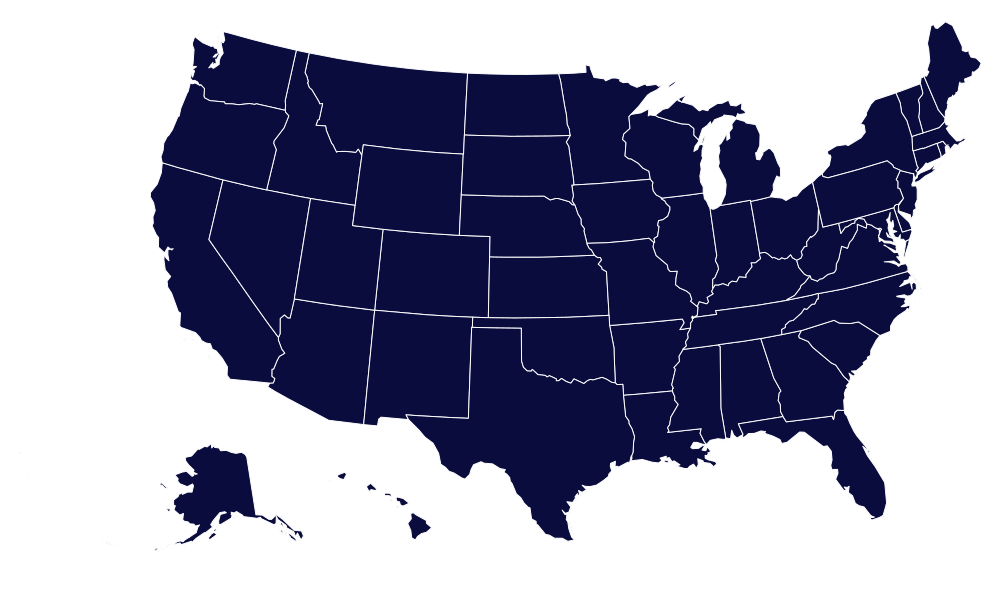
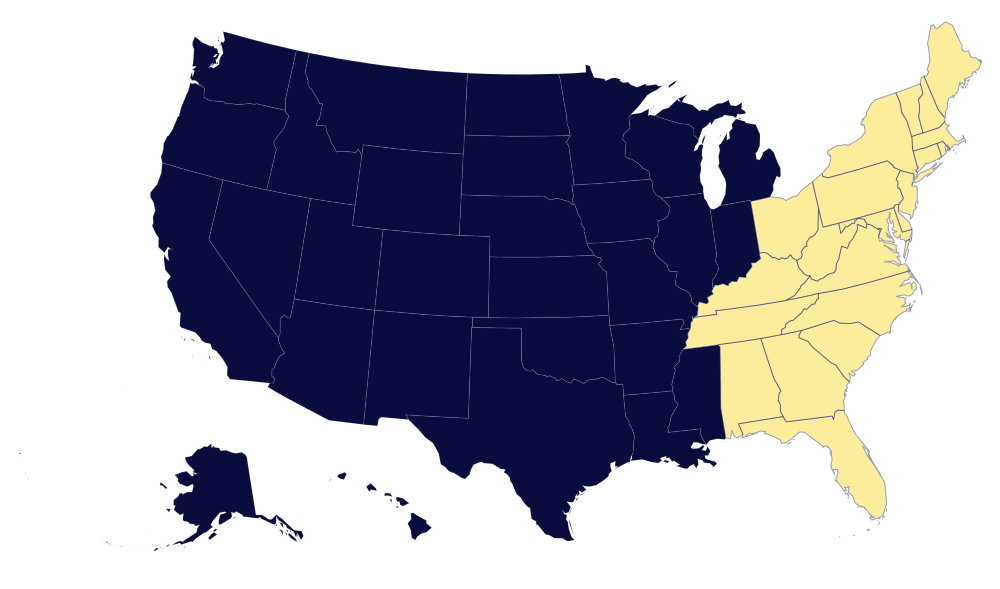
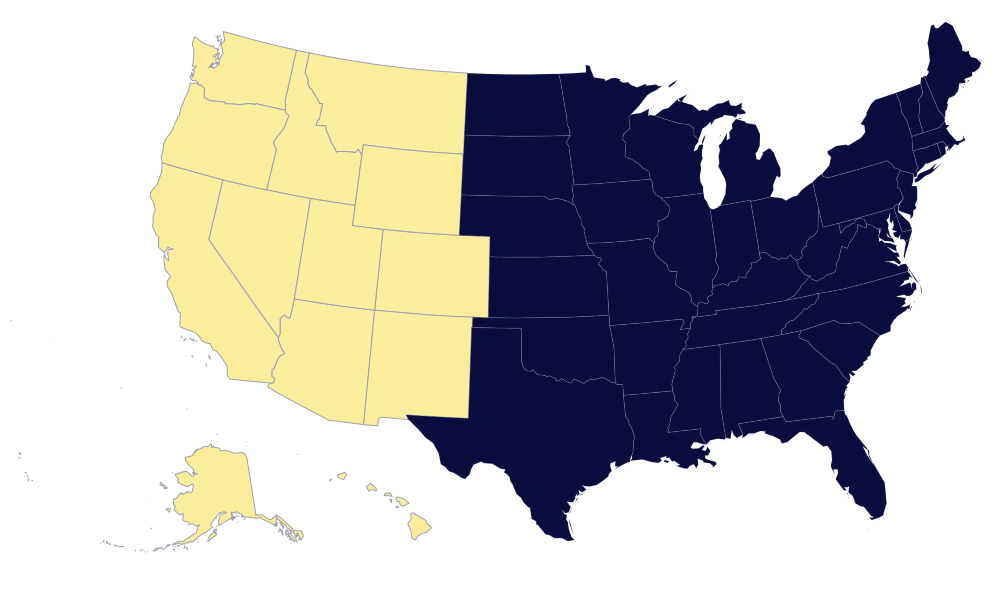
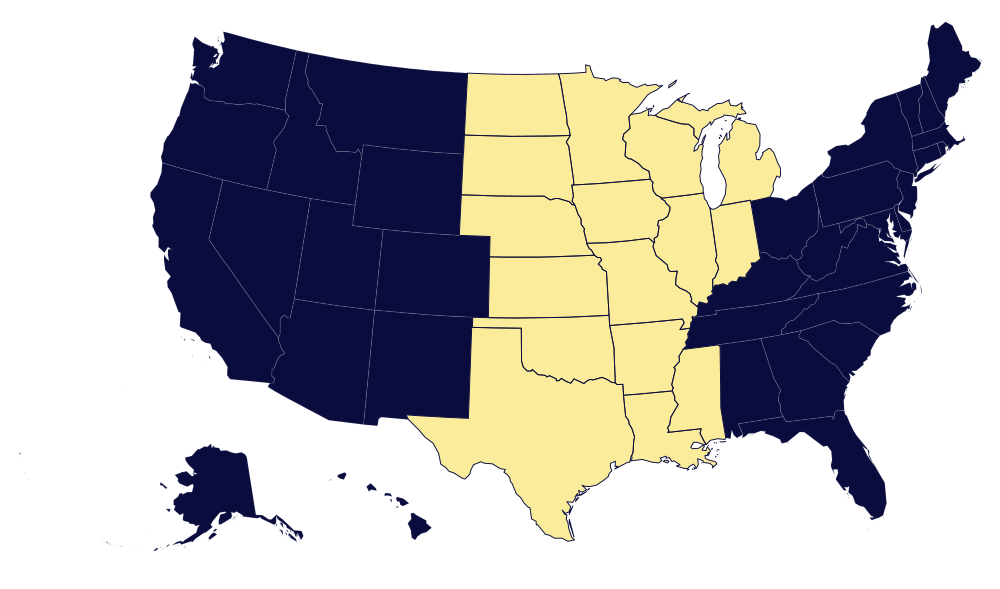
AVLS Nationwide Services
Central States
East Coast
*COMING SOON
West Coast



*COMING SOON
East Coast
Central States
West Coast
AVLS Nationwide Services
CONTACT US
When your event matters, trust your audio visual labor needs to AV Labor Source.
AVLS operate and has proven pool of AV technicians in major cities US Nationwide, such as Las Vegas, Los Angeles, Orlando, Dallas, San Antonio, Austin, Houston, Washington DC, Atlanta, New Orleans, Tennessee and more.
Please complete the form below and we will respond to you as soon as possible. We are available 24 hours a day to assist with your needs. We look forward to showing you what we can do toward the success of your next event.
AVLS operate and has proven pool of AV technicians in major cities US Nationwide, such as Las Vegas, Los Angeles, Orlando, Dallas, San Antonio, Austin, Houston, Washington DC, Atlanta, New Orleans, Tennessee and more.
Please complete the form below and we will respond to you as soon as possible. We are available 24 hours a day to assist with your needs. We look forward to showing you what we can do toward the success of your next event.
EVENT INFORMATION
