





August 6, 2026
How to Manage AV Crews for Multi-Day Conferences
Multi-day conferences require 30-40% more AV crew coordination time than single-day events, with crew fatigue and equipment continuity being the primary management challenges. Success depends on establishing clear daily workflows, backup staffing plans, and proactive communication systems before the first day begins.
Key Takeaways
What's the Difference Between Hiring Freelance AV Techs vs Using an AV Company for Conferences
AV companies provide integrated crew management, equipment, and liability coverage under one contract, while freelance technicians offer lower costs but require you to handle coordination, insurance, and equipment sourcing separately. For multi-day conferences, AV companies typically deliver better continuity and backup support.
AV Company Benefits:
Freelance Technician Benefits:
Choose freelance techs when you have strong internal project management capabilities and established equipment vendor relationships. Opt for AV companies when you need turnkey solutions or lack experience managing technical crews across multiple days.
How Many AV Crew Members Do I Need for a 3-Day Conference with 5 Breakout Rooms
A 3-day conference with 5 breakout rooms typically requires 8-12 AV technicians: 1 crew chief, 2-3 audio engineers, 2-3 lighting technicians, 2-3 video operators, and 1-2 utility techs for equipment moves and troubleshooting. Add 10-15% backup capacity for multi-day events.
Crew Structure Breakdown:
Factors That Increase Crew Requirements:
For conferences with fewer than 200 attendees and basic AV needs, you can reduce this to 6-8 technicians total.
How Much Does It Cost to Hire an AV Crew for a Multi-Day Event
Multi-day conference AV crew costs range from $15,000-45,000 for a 3-day event, depending on crew size, location, and complexity. Expect to pay 25-35% more than single-day rates due to extended hours, overtime, and crew fatigue management requirements.
Daily Rate Ranges by Position:
Additional Multi-Day Costs:
Major markets like New York, Los Angeles, and San Francisco command 20-30% higher rates. Secondary markets and rural locations may offer 15-25% savings but with potentially limited crew availability.
When working with AV technicians in major cities, factor in premium rates but expect higher skill levels and equipment familiarity.
What Should I Include in an AV Crew Contract for a Conference
AV crew contracts for multi-day conferences must specify daily schedules, overtime rates, equipment responsibilities, cancellation policies, and performance standards. Include clear scope definitions, backup staffing requirements, and liability coverage details to prevent disputes during the event.
Essential Contract Elements:
Scope and Deliverables:
Compensation and Schedule:
Performance and Standards:
Risk Management:
Include a detailed equipment inventory with condition reports to establish baseline expectations. For complex events, consider building a comprehensive AV crew management strategy before finalizing contracts.
How Do You Schedule AV Technicians Across Multiple Days and Venues
Schedule AV technicians using overlapping shifts with 15-20% crew overlap between days to ensure knowledge transfer and equipment continuity. Create daily crew matrices showing specific assignments, break rotations, and backup coverage for each venue and time slot.
Multi-Day Scheduling Framework:
Day 1 - Setup Focus:
Days 2-3 - Operational Mode:
Venue Assignment Strategy:
Use scheduling software or shared spreadsheets with real-time updates. Build in 30-minute buffer periods between major session changes and always have one technician designated as "on-call" for unexpected issues.
What Are Common Mistakes When Managing AV Crews at Conferences
The most common AV crew management mistakes include inadequate pre-event briefings, unclear communication hierarchies, insufficient backup planning, and failing to account for crew fatigue during long conference days. These issues compound over multiple days and can derail entire events.
Critical Management Mistakes:
Poor Communication Structure:
Inadequate Preparation:
Crew Welfare Oversights:
Operational Failures:
Address these by implementing structured briefing processes, clear escalation paths, and proactive crew welfare planning. Consider working with experienced corporate event AV specialists who understand multi-day event dynamics.
How to Handle AV Crew No-Shows or Last-Minute Cancellations
Maintain a backup crew list of 10-15% additional qualified technicians with confirmed availability and establish emergency response protocols with local AV companies or staffing agencies. Create cross-training plans so remaining crew members can cover essential functions temporarily.
Emergency Response Strategy:
Immediate Actions (0-2 Hours):
Short-Term Solutions (2-6 Hours):
Prevention Measures:
Backup Crew Management:
For major conferences, consider working with professional AV staffing services that provide guaranteed backup coverage and emergency response capabilities.
What Equipment Should AV Crews Have Ready Before Day One
AV crews should complete full equipment inventories, conduct system tests, and prepare backup units for all critical components 24-48 hours before the conference begins. Priority items include wireless microphone systems, projection equipment, audio mixing boards, and all connecting cables with spares.
Pre-Event Equipment Checklist:
Audio Systems:
Visual Systems:
Support Equipment:
Documentation Ready:
Schedule equipment testing during venue access windows before the event. Document any issues or limitations discovered during testing and communicate them to the crew and client immediately.
How Do You Communicate Technical Requirements to Your AV Team
Communicate technical requirements through detailed written briefs combined with hands-on walkthroughs, using standardized forms that cover room layouts, equipment specifications, speaker needs, and session-specific requirements. Conduct mandatory crew briefings 24-48 hours before the event and daily update meetings throughout the conference.
Technical Communication Framework:
Pre-Event Documentation:
Briefing Structure:
Communication Tools:
Quality Assurance:
Establish clear protocols for communicating changes during the event. Designate specific individuals authorized to make technical decisions and ensure all crew members understand the chain of command.
What's the Best Way to Brief AV Crew on Speaker Needs and Room Setups
Brief AV crews using speaker-specific technical riders combined with room layout diagrams, conducting walkthrough sessions that cover microphone preferences, presentation formats, lighting requirements, and any special accommodations. Create standardized briefing templates that crews can reference throughout the event.
Speaker Briefing Components:
Technical Preferences:
Room Configuration Details:
Briefing Process:
Documentation Standards:
Create laminated reference cards for common speaker setups that crews can quickly access during session transitions. For complex presentations, consider working with experienced audio engineers who specialize in corporate events.
How to Manage AV Crew Fatigue During Long Conference Days
Manage crew fatigue through structured break rotations, position switching every 6-8 hours, adequate meal planning, and comfortable crew rest areas. Implement mandatory break policies and monitor crew performance indicators to prevent technical errors caused by exhaustion.
Fatigue Management Strategies:
Break and Rotation Scheduling:
Crew Wellness Support:
Performance Monitoring:
Workload Distribution:
Long-Day Protocols:
Consider bringing additional crew for events exceeding 12-hour days. The cost of extra labor is minimal compared to the risk of technical failures due to crew fatigue.
What Should Be Included in an AV Crew Daily Checklist for Conferences
Daily AV crew checklists should cover equipment status verification, room configuration checks, battery and consumable inventory, communication system tests, and backup equipment readiness. Include specific timing requirements, responsible crew members, and sign-off procedures for accountability.
Comprehensive Daily Checklist:
Morning Setup (First 2 Hours):
Pre-Session Checks (30 Minutes Before Each Session):
Session Transition Checks (Between Sessions):
End-of-Day Procedures:
Assign specific crew members to each checklist section and require physical sign-offs. Use digital checklists accessible via smartphones for real-time updates and issue tracking.
How to Troubleshoot AV Issues When Your Crew Is Stretched Thin
Prioritize critical systems first, implement triage protocols that address audience-impacting issues immediately, and cross-train crew members on basic troubleshooting for multiple systems. Establish clear escalation paths and maintain direct vendor support contacts for complex technical problems.
Triage and Priority System:
Priority 1 - Immediate Action Required:
Priority 2 - Address Within 15 Minutes:
Priority 3 - Address During Next Break:
Stretched Crew Protocols:
Cross-Training Essentials:
Maintain emergency contact lists for local equipment vendors and rental companies. For critical events, consider having backup AV specialists on standby who can respond within 2-4 hours.
Do You Need a Lead Technician or Crew Chief for Multi-Day Conferences
Multi-day conferences absolutely require a designated lead technician or crew chief to coordinate between client needs, crew assignments, and technical decisions. This role becomes critical for maintaining consistency across multiple days and managing the complex logistics of extended events.
Lead Technician Responsibilities:
Client and Vendor Interface:
Crew Management:
Technical Leadership:
Qualifications for Lead Technicians:
When to Use Multiple Lead Technicians:
Budget 15-25% premium for experienced lead technicians compared to standard crew rates. The investment pays for itself through improved efficiency, reduced client stress, and prevention of costly technical problems.
Frequently Asked Questions
How far in advance should I book AV crews for multi-day conferences?
Book AV crews 6-8 weeks in advance for multi-day conferences, especially during peak conference seasons (September-November and March-May). Popular crew members and specialized technicians often book up 2-3 months ahead in major markets.
What happens if equipment fails during a multi-day conference?
Establish backup equipment protocols and vendor relationships before the event. Most professional AV companies maintain emergency replacement inventory and can deliver critical equipment within 2-4 hours. Always include equipment replacement procedures in your crew contracts.
Should AV crews stay at the same hotel as conference attendees?
House AV crews at nearby hotels rather than the main conference venue to ensure adequate rest and avoid conflicts with attendees. Crews need quiet spaces to recover between long days, and separate accommodations prevent noise or scheduling conflicts.
How do you handle overtime costs for multi-day events?
Negotiate overtime rates and thresholds in advance, typically after 10-12 hours per day. Build overtime estimates into your budget assuming 15-25% of crew hours will exceed standard rates during multi-day events due to extended setup and breakdown requirements.
What's the best way to feed AV crews during long conference days?
Provide separate crew meal areas and schedules that don't conflict with attendee dining. Budget $30-50 per crew member per day for meals, and ensure food is available during crew break rotations, not just standard meal times.
Do I need different insurance coverage for multi-day AV crews?
Verify that your event insurance covers extended crew operations and equipment storage between days. Multi-day events may require additional coverage for overnight equipment security and crew transportation between venues.
How do you maintain equipment security overnight during multi-day conferences?
Establish secure storage areas with limited access, implement equipment check-in/check-out procedures, and consider hiring overnight security for high-value equipment. Document all equipment locations and assign responsibility for overnight security protocols.
What should I do if crew members get sick during a multi-day conference?
Maintain backup crew contacts and cross-training protocols so remaining team members can cover essential functions. Keep basic medical supplies available and establish relationships with local medical facilities for crew emergencies.
How do you coordinate AV crews across multiple conference venues?
Use centralized communication systems, assign venue-specific crew leaders, and maintain roaming technicians who can move between locations. Establish consistent equipment standards and procedures across all venues for seamless crew transitions.
What's the typical crew-to-attendee ratio for multi-day conferences?
Plan for 1 AV crew member per 75-100 attendees for basic conferences, or 1 per 50-75 attendees for events with complex technical requirements, multiple breakout sessions, or live streaming components.
Need Expert AV Crew Management for Your Multi-Day Conference?
Managing AV crews across multiple days and venues requires specialized expertise and reliable staffing partnerships. AV Labor Source connects you with experienced crew chiefs, certified technicians, and backup support teams who understand the unique challenges of extended conference operations.
Whether you need a complete crew management solution or specialized technicians for specific roles, our nationwide network ensures your multi-day conference runs smoothly from setup to breakdown. Contact our team today to discuss your crew requirements and get a customized staffing plan for your next conference.
Key Takeaways
- Plan for 15-20% crew overlap between shifts to ensure seamless handoffs and knowledge transfer
- Budget 25-35% above single-day rates for multi-day events due to extended hours and crew fatigue factors
- Establish a lead technician hierarchy with clear escalation paths for technical decisions
- Create detailed daily checklists covering equipment status, room configurations, and speaker requirements
- Implement backup staffing at 10-15% capacity to handle no-shows and emergency situations
- Schedule mandatory crew briefings each morning to address day-specific requirements and changes
- Use centralized communication tools like two-way radios or messaging apps for real-time coordination
- Plan equipment maintenance windows during low-activity periods to prevent day-of failures
What's the Difference Between Hiring Freelance AV Techs vs Using an AV Company for Conferences
AV companies provide integrated crew management, equipment, and liability coverage under one contract, while freelance technicians offer lower costs but require you to handle coordination, insurance, and equipment sourcing separately. For multi-day conferences, AV companies typically deliver better continuity and backup support.
AV Company Benefits:
- Unified project management and crew supervision
- Equipment and labor bundled with single point of contact
- Built-in backup technicians and replacement equipment
- Comprehensive insurance coverage and liability protection
- Established crew hierarchies and communication protocols
Freelance Technician Benefits:
- 20-30% lower labor costs on average
- Direct relationships with specific skilled professionals
- Flexible crew sizing and specialized skill matching
- No markup on equipment rentals when sourced separately
Choose freelance techs when you have strong internal project management capabilities and established equipment vendor relationships. Opt for AV companies when you need turnkey solutions or lack experience managing technical crews across multiple days.
How Many AV Crew Members Do I Need for a 3-Day Conference with 5 Breakout Rooms
A 3-day conference with 5 breakout rooms typically requires 8-12 AV technicians: 1 crew chief, 2-3 audio engineers, 2-3 lighting technicians, 2-3 video operators, and 1-2 utility techs for equipment moves and troubleshooting. Add 10-15% backup capacity for multi-day events.
Crew Structure Breakdown:
- Crew Chief/Lead Technician (1): Overall coordination, client communication, technical decisions
- Audio Engineers (2-3): Main stage and breakout room sound systems, wireless mic management
- Lighting Technicians (2-3): Stage lighting, room ambiance, follow spots if needed
- Video Operators (2-3): Camera operation, switching, projection, streaming support
- Utility Technicians (1-2): Equipment setup, room changes, cable management, troubleshooting
Factors That Increase Crew Requirements:
- Simultaneous sessions across all rooms (add 1-2 techs)
- Live streaming or recording (add 1-2 video specialists)
- Complex lighting designs or moving equipment (add 1 lighting tech)
- VIP events or evening functions (add 15-20% capacity)
For conferences with fewer than 200 attendees and basic AV needs, you can reduce this to 6-8 technicians total.
How Much Does It Cost to Hire an AV Crew for a Multi-Day Event
Multi-day conference AV crew costs range from $15,000-45,000 for a 3-day event, depending on crew size, location, and complexity. Expect to pay 25-35% more than single-day rates due to extended hours, overtime, and crew fatigue management requirements.
Daily Rate Ranges by Position:
- Crew Chief: $400-600 per day
- Audio Engineer: $350-500 per day
- Lighting Technician: $300-450 per day
- Video Operator: $325-475 per day
- Utility Technician: $250-375 per day
Additional Multi-Day Costs:
- Overtime premiums after 10-12 hours (time-and-a-half)
- Hotel accommodations for out-of-town crew ($100-200 per night)
- Per diem allowances ($50-75 per day)
- Travel expenses for specialized technicians
- Equipment storage and security between days
Major markets like New York, Los Angeles, and San Francisco command 20-30% higher rates. Secondary markets and rural locations may offer 15-25% savings but with potentially limited crew availability.
When working with AV technicians in major cities, factor in premium rates but expect higher skill levels and equipment familiarity.
What Should I Include in an AV Crew Contract for a Conference
AV crew contracts for multi-day conferences must specify daily schedules, overtime rates, equipment responsibilities, cancellation policies, and performance standards. Include clear scope definitions, backup staffing requirements, and liability coverage details to prevent disputes during the event.
Essential Contract Elements:
Scope and Deliverables:
- Specific crew positions and daily responsibilities
- Equipment setup, operation, and breakdown timelines
- Technical requirements for each room and session type
- Load-in and load-out schedules with crew assignments
Compensation and Schedule:
- Daily rates by position and experience level
- Overtime thresholds and premium rate calculations
- Payment terms and milestone schedules
- Travel, accommodation, and per diem allowances
Performance and Standards:
- Professional dress code and conduct expectations
- Communication protocols and chain of command
- Quality standards for audio, lighting, and video delivery
- Problem escalation procedures and response times
Risk Management:
- Insurance requirements and liability limits
- Equipment damage and replacement policies
- Force majeure and weather contingency plans
- Cancellation terms for both parties
Include a detailed equipment inventory with condition reports to establish baseline expectations. For complex events, consider building a comprehensive AV crew management strategy before finalizing contracts.
How Do You Schedule AV Technicians Across Multiple Days and Venues
Schedule AV technicians using overlapping shifts with 15-20% crew overlap between days to ensure knowledge transfer and equipment continuity. Create daily crew matrices showing specific assignments, break rotations, and backup coverage for each venue and time slot.
Multi-Day Scheduling Framework:
Day 1 - Setup Focus:
- Full crew arrives 2-3 hours before first session
- Stagger arrivals by 30-minute intervals to prevent bottlenecks
- Assign venue-specific teams that stay with their rooms throughout the event
- Schedule equipment testing and sound checks in sequence
Days 2-3 - Operational Mode:
- Maintain core crew consistency in each venue
- Rotate high-stress positions (audio engineers, video operators) every 6-8 hours
- Schedule maintenance windows during lunch breaks or session transitions
- Keep utility technicians flexible for cross-venue support
Venue Assignment Strategy:
- Assign lead technicians to main stage/general sessions
- Pair experienced and junior staff in breakout rooms
- Designate roaming technicians for equipment moves and emergencies
- Maintain consistent crew-to-venue assignments when possible
Use scheduling software or shared spreadsheets with real-time updates. Build in 30-minute buffer periods between major session changes and always have one technician designated as "on-call" for unexpected issues.
What Are Common Mistakes When Managing AV Crews at Conferences
The most common AV crew management mistakes include inadequate pre-event briefings, unclear communication hierarchies, insufficient backup planning, and failing to account for crew fatigue during long conference days. These issues compound over multiple days and can derail entire events.
Critical Management Mistakes:
Poor Communication Structure:
- No designated crew chief or unclear chain of command
- Mixing client communication across multiple crew members
- Failing to establish radio protocols or backup communication methods
- Not briefing crews on speaker-specific requirements or room changes
Inadequate Preparation:
- Skipping detailed site surveys and equipment inventories
- No backup plans for equipment failures or crew no-shows
- Insufficient load-in time causing rushed setups
- Overlooking venue-specific technical limitations or requirements
Crew Welfare Oversights:
- Scheduling crews for excessive hours without adequate breaks
- No meal planning or break rotation schedules
- Failing to provide comfortable crew areas or equipment storage
- Ignoring crew feedback about equipment issues or safety concerns
Operational Failures:
- No standardized checklists for daily setup and breakdown procedures
- Inadequate equipment maintenance schedules between days
- Poor coordination between different technical departments
- Failing to document and communicate daily changes or issues
Address these by implementing structured briefing processes, clear escalation paths, and proactive crew welfare planning. Consider working with experienced corporate event AV specialists who understand multi-day event dynamics.
How to Handle AV Crew No-Shows or Last-Minute Cancellations
Maintain a backup crew list of 10-15% additional qualified technicians with confirmed availability and establish emergency response protocols with local AV companies or staffing agencies. Create cross-training plans so remaining crew members can cover essential functions temporarily.
Emergency Response Strategy:
Immediate Actions (0-2 Hours):
- Contact backup technicians from pre-qualified reserve list
- Assess critical vs. non-essential positions affected
- Redistribute responsibilities among remaining crew members
- Communicate changes to crew chief and client immediately
Short-Term Solutions (2-6 Hours):
- Activate partnerships with local AV companies for emergency staffing
- Cross-train existing crew on backup positions during breaks
- Simplify technical setups if necessary to reduce crew requirements
- Adjust session schedules if equipment setup will be delayed
Prevention Measures:
- Require 48-hour confirmation calls from all crew members
- Maintain relationships with 2-3 local AV staffing agencies
- Build 10-15% labor buffer into initial crew planning
- Create position-specific backup plans and cross-training documentation
Backup Crew Management:
- Keep backup technicians on standby with 4-6 hour notice requirements
- Negotiate day-rate guarantees for backup crew availability
- Maintain current contact lists with multiple phone numbers and communication methods
- Establish clear backup crew onboarding processes for quick integration
For major conferences, consider working with professional AV staffing services that provide guaranteed backup coverage and emergency response capabilities.
What Equipment Should AV Crews Have Ready Before Day One
AV crews should complete full equipment inventories, conduct system tests, and prepare backup units for all critical components 24-48 hours before the conference begins. Priority items include wireless microphone systems, projection equipment, audio mixing boards, and all connecting cables with spares.
Pre-Event Equipment Checklist:
Audio Systems:
- Wireless microphone systems with fresh batteries and backup units
- Mixing consoles programmed with session-specific presets
- Speaker systems positioned and tested at proper levels
- Audio recording equipment configured and tested
- Backup microphones, cables, and power supplies readily accessible
Visual Systems:
- Projectors calibrated with backup lamps installed
- Screens positioned and tested for optimal viewing angles
- Laptop connections tested with common presentation formats
- Confidence monitors and presenter displays configured
- Backup projection equipment staged and ready
Support Equipment:
- Power distribution tested with load calculations verified
- Cable management systems installed and labeled
- Lighting systems programmed and tested
- Two-way radio systems programmed and distributed
- Tool kits and spare parts inventory completed
Documentation Ready:
- Equipment manuals and troubleshooting guides accessible
- Venue contact information and emergency procedures posted
- Daily setup and breakdown checklists printed and distributed
- Speaker technical requirements and contact information organized
Schedule equipment testing during venue access windows before the event. Document any issues or limitations discovered during testing and communicate them to the crew and client immediately.
How Do You Communicate Technical Requirements to Your AV Team
Communicate technical requirements through detailed written briefs combined with hands-on walkthroughs, using standardized forms that cover room layouts, equipment specifications, speaker needs, and session-specific requirements. Conduct mandatory crew briefings 24-48 hours before the event and daily update meetings throughout the conference.
Technical Communication Framework:
Pre-Event Documentation:
- Room-by-room technical specifications with equipment lists
- Speaker rider requirements and special requests
- Session timing and transition requirements
- Venue limitations and workaround procedures
- Emergency contact information and escalation procedures
Briefing Structure:
- Initial Crew Meeting: Full technical overview, role assignments, communication protocols
- Daily Briefings: Schedule changes, special requirements, equipment status updates
- Session-Specific Briefs: Speaker needs, timing changes, technical modifications
- Post-Event Debriefs: Issue documentation, improvement recommendations
Communication Tools:
- Two-way radio systems with designated channels for different departments
- Shared digital documents accessible via smartphones or tablets
- Physical briefing boards in crew areas with daily updates
- Direct communication apps for real-time updates and photo sharing
Quality Assurance:
- Require verbal confirmation of technical requirements from each crew member
- Use standardized checklists to verify understanding and completion
- Implement buddy system for complex technical setups
- Schedule technical rehearsals with key crew members before sessions begin
Establish clear protocols for communicating changes during the event. Designate specific individuals authorized to make technical decisions and ensure all crew members understand the chain of command.
What's the Best Way to Brief AV Crew on Speaker Needs and Room Setups
Brief AV crews using speaker-specific technical riders combined with room layout diagrams, conducting walkthrough sessions that cover microphone preferences, presentation formats, lighting requirements, and any special accommodations. Create standardized briefing templates that crews can reference throughout the event.
Speaker Briefing Components:
Technical Preferences:
- Microphone type preferences (handheld, lapel, headset)
- Presentation format requirements (PowerPoint, video, live demos)
- Audio level preferences and monitor requirements
- Lighting needs for video recording or photography
- Stage movement patterns and equipment positioning
Room Configuration Details:
- Stage layout and speaker positioning requirements
- Audience seating arrangements and sightline considerations
- Equipment placement that accommodates speaker movement
- Backup equipment positioning for quick access
- Recording or streaming setup requirements
Briefing Process:
- 48 Hours Before: Distribute written technical requirements to all crew
- Day Before: Conduct room walkthroughs with lead technicians
- Morning Of: Review any last-minute changes or special requests
- Pre-Session: Quick technical check with speakers and crew confirmation
Documentation Standards:
- Use consistent templates for all speaker technical requirements
- Include photos of preferred room setups and equipment configurations
- Maintain contact information for speaker technical representatives
- Document any equipment limitations or venue-specific restrictions
Create laminated reference cards for common speaker setups that crews can quickly access during session transitions. For complex presentations, consider working with experienced audio engineers who specialize in corporate events.
How to Manage AV Crew Fatigue During Long Conference Days
Manage crew fatigue through structured break rotations, position switching every 6-8 hours, adequate meal planning, and comfortable crew rest areas. Implement mandatory break policies and monitor crew performance indicators to prevent technical errors caused by exhaustion.
Fatigue Management Strategies:
Break and Rotation Scheduling:
- Mandatory 15-minute breaks every 2-3 hours for all crew members
- 30-60 minute meal breaks with full crew coverage maintained
- Position rotation between high-stress and lower-intensity roles
- Staggered schedules to ensure continuous coverage without overwork
Crew Wellness Support:
- Designated crew rest areas with comfortable seating and refreshments
- Healthy meal options and hydration stations readily available
- Quiet spaces away from event noise for actual rest periods
- Basic medical supplies and emergency contact information accessible
Performance Monitoring:
- Watch for decreased communication responsiveness or technical errors
- Implement buddy system checks during critical technical operations
- Encourage crew members to report fatigue or performance concerns
- Adjust responsibilities based on individual crew member capabilities
Workload Distribution:
- Cross-train crew members to share high-stress positions
- Assign less critical tasks during peak fatigue periods
- Build buffer time into schedules for slower task completion
- Prioritize essential functions when crew capacity is reduced
Long-Day Protocols:
- Limit individual crew shifts to 12-14 hours maximum
- Provide transportation or accommodation for crews working late shifts
- Schedule lighter duties for crews working consecutive long days
- Plan recovery time between multi-day events
Consider bringing additional crew for events exceeding 12-hour days. The cost of extra labor is minimal compared to the risk of technical failures due to crew fatigue.
What Should Be Included in an AV Crew Daily Checklist for Conferences
Daily AV crew checklists should cover equipment status verification, room configuration checks, battery and consumable inventory, communication system tests, and backup equipment readiness. Include specific timing requirements, responsible crew members, and sign-off procedures for accountability.
Comprehensive Daily Checklist:
Morning Setup (First 2 Hours):
- Power systems energized and load-tested in all rooms
- Audio systems powered up with signal flow verification
- Wireless microphone systems tested with fresh batteries installed
- Projection systems calibrated and backup lamps verified
- Lighting systems tested and programmed for daily sessions
- Communication radios distributed and channel-tested
- Backup equipment inventory verified and positioned
Pre-Session Checks (30 Minutes Before Each Session):
- Microphone systems tested and positioned for speakers
- Presentation equipment connected and tested with speaker materials
- Audio levels set and monitor systems verified
- Lighting adjusted for session requirements and recording needs
- Recording or streaming systems activated and tested
- Crew positions confirmed and communication verified
Session Transition Checks (Between Sessions):
- Equipment reset for next session requirements
- Room configuration adjusted for different speaker needs
- Technical issues from previous session resolved
- Backup equipment rotated if needed
- Crew break rotation executed without coverage gaps
End-of-Day Procedures:
- All equipment powered down safely and secured
- Battery-powered devices placed on charging stations
- Issues log updated with problems and resolutions
- Equipment inventory verified and discrepancies noted
- Next-day requirements reviewed and crew briefed
Assign specific crew members to each checklist section and require physical sign-offs. Use digital checklists accessible via smartphones for real-time updates and issue tracking.
How to Troubleshoot AV Issues When Your Crew Is Stretched Thin
Prioritize critical systems first, implement triage protocols that address audience-impacting issues immediately, and cross-train crew members on basic troubleshooting for multiple systems. Establish clear escalation paths and maintain direct vendor support contacts for complex technical problems.
Triage and Priority System:
Priority 1 - Immediate Action Required:
- Main stage audio failures affecting general sessions
- Projection system failures in primary presentation areas
- Safety-related equipment malfunctions or power issues
- Communication system failures preventing crew coordination
Priority 2 - Address Within 15 Minutes:
- Breakout room audio or visual problems
- Wireless microphone interference or battery issues
- Lighting problems affecting video recording quality
- Non-critical equipment failures with available workarounds
Priority 3 - Address During Next Break:
- Cosmetic issues or minor equipment adjustments
- Optimization requests from speakers or clients
- Preventive maintenance or equipment rotation
- Documentation and inventory updates
Stretched Crew Protocols:
- Deploy utility technicians as first responders for initial diagnosis
- Use remote diagnostics and vendor support hotlines when available
- Implement temporary workarounds to maintain basic functionality
- Communicate realistic repair timelines to clients and speakers immediately
- Document all issues for post-event analysis and prevention
Cross-Training Essentials:
- Basic audio troubleshooting for all crew members
- Simple projection and display problem resolution
- Power distribution and cable management basics
- When to escalate vs. attempt repairs independently
Maintain emergency contact lists for local equipment vendors and rental companies. For critical events, consider having backup AV specialists on standby who can respond within 2-4 hours.
Do You Need a Lead Technician or Crew Chief for Multi-Day Conferences
Multi-day conferences absolutely require a designated lead technician or crew chief to coordinate between client needs, crew assignments, and technical decisions. This role becomes critical for maintaining consistency across multiple days and managing the complex logistics of extended events.
Lead Technician Responsibilities:
Client and Vendor Interface:
- Single point of contact for all technical decisions and changes
- Communication liaison between event organizers and technical crew
- Coordination with venue technical staff and equipment vendors
- Problem escalation and resolution authority for complex issues
Crew Management:
- Daily crew briefings and assignment coordination
- Performance monitoring and crew welfare oversight
- Technical training and cross-training coordination
- Schedule management including breaks, rotations, and overtime
Technical Leadership:
- System design decisions and equipment configuration oversight
- Quality control and technical standards enforcement
- Troubleshooting coordination and resource allocation
- Equipment inventory management and maintenance scheduling
Qualifications for Lead Technicians:
- 5+ years of multi-day event experience
- Strong communication and leadership skills
- Broad technical knowledge across audio, video, and lighting systems
- Problem-solving abilities under pressure
- Client service experience and professional presentation skills
When to Use Multiple Lead Technicians:
- Events with more than 8-10 crew members
- Multiple venues requiring independent coordination
- 24-hour operations requiring shift coverage
- Complex events with specialized technical requirements
Budget 15-25% premium for experienced lead technicians compared to standard crew rates. The investment pays for itself through improved efficiency, reduced client stress, and prevention of costly technical problems.
Frequently Asked Questions
How far in advance should I book AV crews for multi-day conferences?
Book AV crews 6-8 weeks in advance for multi-day conferences, especially during peak conference seasons (September-November and March-May). Popular crew members and specialized technicians often book up 2-3 months ahead in major markets.
What happens if equipment fails during a multi-day conference?
Establish backup equipment protocols and vendor relationships before the event. Most professional AV companies maintain emergency replacement inventory and can deliver critical equipment within 2-4 hours. Always include equipment replacement procedures in your crew contracts.
Should AV crews stay at the same hotel as conference attendees?
House AV crews at nearby hotels rather than the main conference venue to ensure adequate rest and avoid conflicts with attendees. Crews need quiet spaces to recover between long days, and separate accommodations prevent noise or scheduling conflicts.
How do you handle overtime costs for multi-day events?
Negotiate overtime rates and thresholds in advance, typically after 10-12 hours per day. Build overtime estimates into your budget assuming 15-25% of crew hours will exceed standard rates during multi-day events due to extended setup and breakdown requirements.
What's the best way to feed AV crews during long conference days?
Provide separate crew meal areas and schedules that don't conflict with attendee dining. Budget $30-50 per crew member per day for meals, and ensure food is available during crew break rotations, not just standard meal times.
Do I need different insurance coverage for multi-day AV crews?
Verify that your event insurance covers extended crew operations and equipment storage between days. Multi-day events may require additional coverage for overnight equipment security and crew transportation between venues.
How do you maintain equipment security overnight during multi-day conferences?
Establish secure storage areas with limited access, implement equipment check-in/check-out procedures, and consider hiring overnight security for high-value equipment. Document all equipment locations and assign responsibility for overnight security protocols.
What should I do if crew members get sick during a multi-day conference?
Maintain backup crew contacts and cross-training protocols so remaining team members can cover essential functions. Keep basic medical supplies available and establish relationships with local medical facilities for crew emergencies.
How do you coordinate AV crews across multiple conference venues?
Use centralized communication systems, assign venue-specific crew leaders, and maintain roaming technicians who can move between locations. Establish consistent equipment standards and procedures across all venues for seamless crew transitions.
What's the typical crew-to-attendee ratio for multi-day conferences?
Plan for 1 AV crew member per 75-100 attendees for basic conferences, or 1 per 50-75 attendees for events with complex technical requirements, multiple breakout sessions, or live streaming components.
Need Expert AV Crew Management for Your Multi-Day Conference?
Managing AV crews across multiple days and venues requires specialized expertise and reliable staffing partnerships. AV Labor Source connects you with experienced crew chiefs, certified technicians, and backup support teams who understand the unique challenges of extended conference operations.
Whether you need a complete crew management solution or specialized technicians for specific roles, our nationwide network ensures your multi-day conference runs smoothly from setup to breakdown. Contact our team today to discuss your crew requirements and get a customized staffing plan for your next conference.
AVLS Nationwide Services
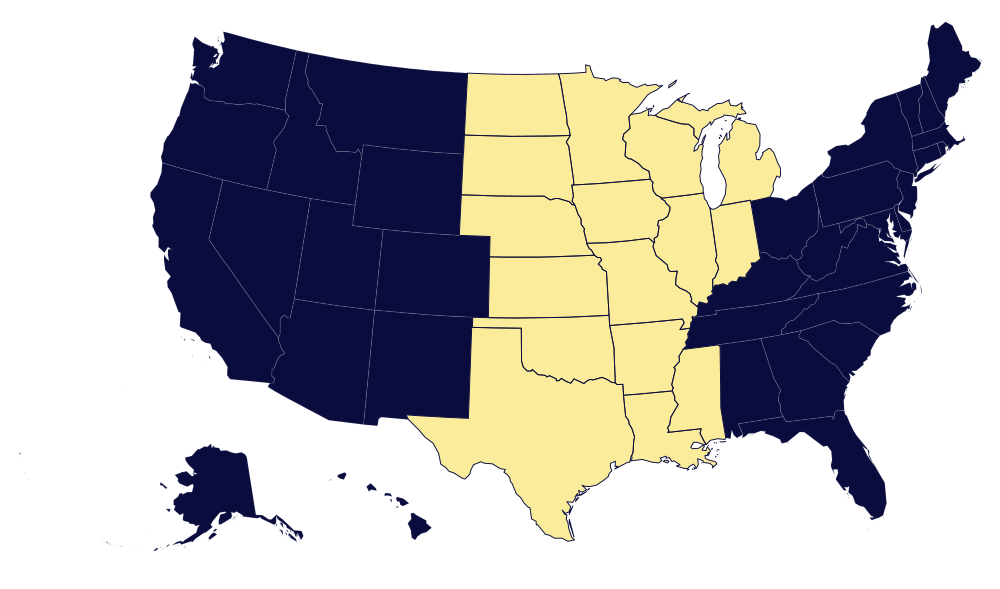
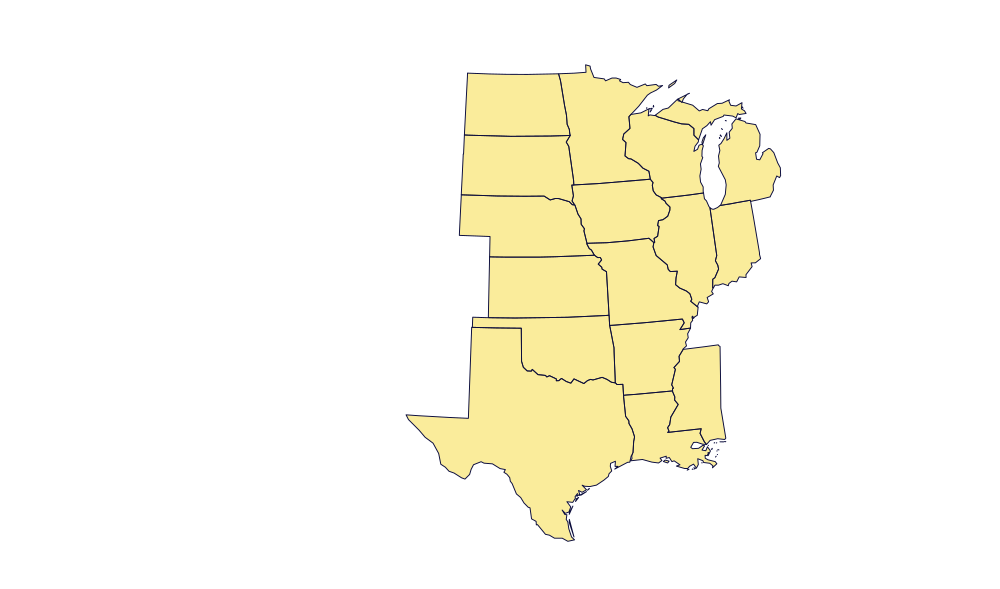
Central States
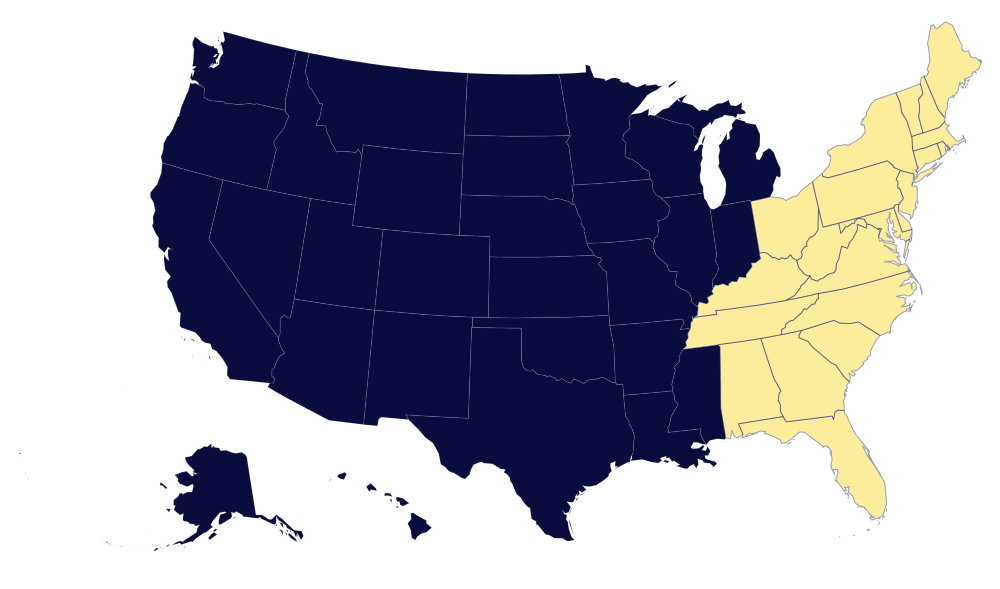
East Coast
*COMING SOON
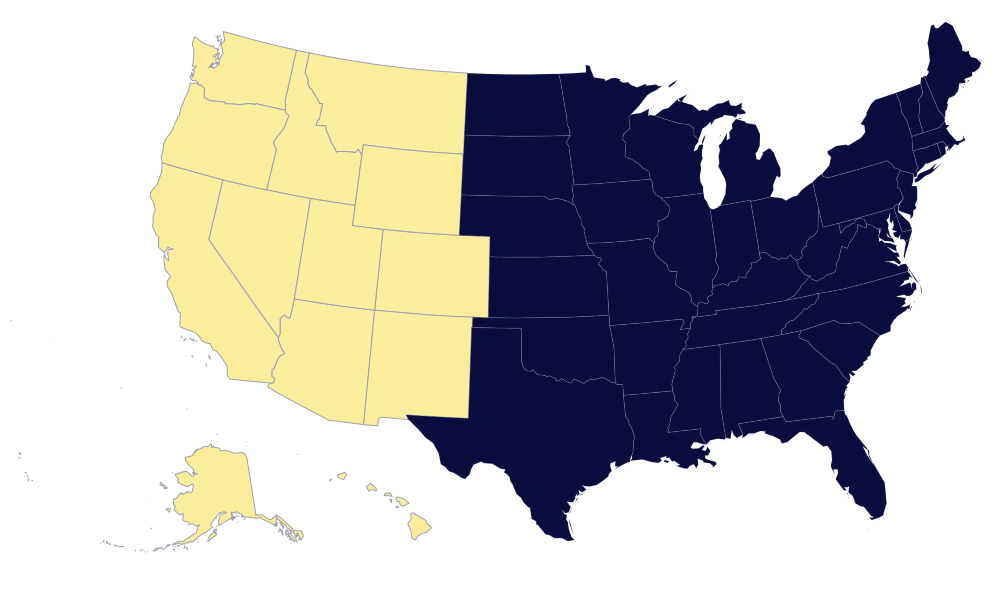
West Coast


*COMING SOON
East Coast
Central States
West Coast
AVLS Nationwide Services
CONTACT US
When your event matters, trust your audio visual labor needs to AV Labor Source.
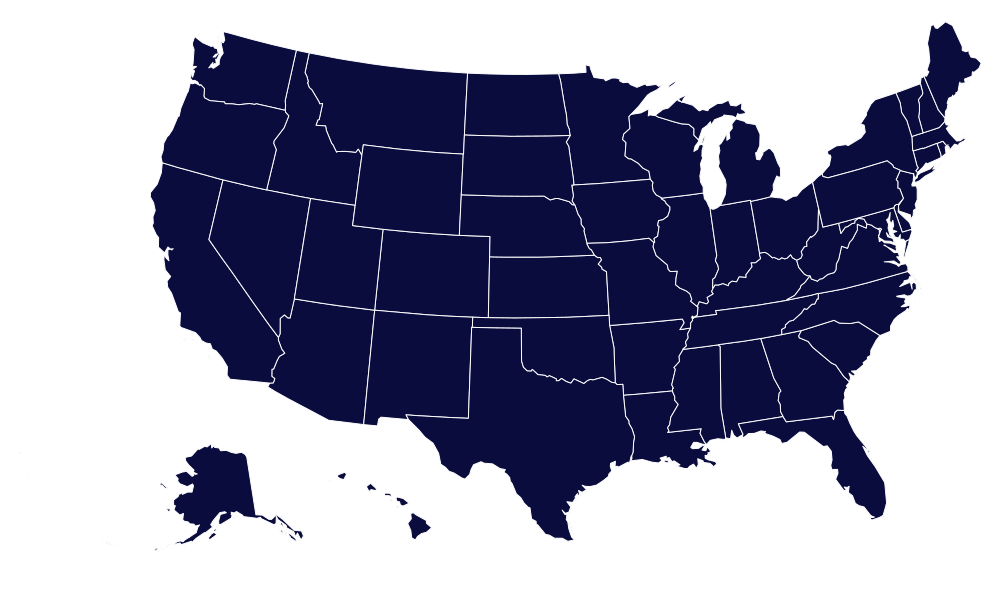
AVLS operate and has proven pool of AV technicians in major cities US Nationwide, such as Las Vegas, Los Angeles, Orlando, Dallas, San Antonio, Austin, Houston, Washington DC, Atlanta, New Orleans, Tennessee and more.
Please complete the form below and we will respond to you as soon as possible. We are available 24 hours a day to assist with your needs. We look forward to showing you what we can do toward the success of your next event.
AVLS operate and has proven pool of AV technicians in major cities US Nationwide, such as Las Vegas, Los Angeles, Orlando, Dallas, San Antonio, Austin, Houston, Washington DC, Atlanta, New Orleans, Tennessee and more.
Please complete the form below and we will respond to you as soon as possible. We are available 24 hours a day to assist with your needs. We look forward to showing you what we can do toward the success of your next event.
EVENT INFORMATION
