





July 27, 2026
Projectionist vs Video Engineer: Which One Does Your Event Need?
Quick Answer: A projectionist handles projection equipment setup and operation for static content display, while a video engineer manages live video production, switching, and real-time content mixing. Choose a projectionist for simple presentation displays and a video engineer for events requiring live video switching, camera feeds, or complex visual production.
Key Takeaways
What's the Difference Between a Projectionist and a Video Engineer?
A projectionist specializes in projection equipment setup, calibration, and operation to display content on screens, while a video engineer manages live video production including camera feeds, video switching, and real-time content mixing for broadcasts or live events.
Projectionist responsibilities include:
Video engineer responsibilities include:
The key distinction lies in content complexity and real-time production needs. Projectionists work with pre-made content that requires display, while video engineers create and manipulate live video content in real-time.
Common mistake: Assuming one professional can easily substitute for the other. While some overlap exists, each role requires specific technical expertise and equipment knowledge that takes years to develop properly.
When Should I Hire a Projectionist Instead of a Video Engineer?
Hire a projectionist when your event primarily needs static content display like presentations, slideshows, or pre-recorded videos without live switching or camera feeds.
Choose a projectionist for:
Projectionist advantages:
Choose a video engineer when you need:
The decision often comes down to whether your content is pre-made (projectionist) or requires live production (video engineer). For events with both needs, consider hiring both professionals or finding someone with dual expertise in AV production.
What Does a Projectionist Actually Do at an Event?
A projectionist sets up, calibrates, and operates projection equipment to ensure optimal image quality and seamless content display throughout an event.
Pre-event setup tasks:
During event responsibilities:
Technical expertise required:
Most projectionists bring their own calibration tools and backup equipment. They typically arrive 2-4 hours before events for proper setup and testing, ensuring everything works perfectly when guests arrive.
Edge case consideration: Outdoor events require projectionists with specialized high-brightness equipment and weather protection knowledge, which significantly impacts both cost and equipment requirements.
What Skills Does a Video Engineer Need?
Video engineers need technical expertise in live video production, signal routing, and real-time content mixing, plus strong communication skills for coordinating with production teams.
Core technical skills:
Software proficiency requirements:
Communication and coordination abilities:
Industry certifications that help:
Video engineers typically need 2-5 years of hands-on experience before handling complex live productions independently. The role requires both technical precision and creative problem-solving skills.
Common mistake: Underestimating the learning curve for video engineering software. Each platform has unique workflows that require dedicated training time to master properly.
Can One Person Do Both Projectionist and Video Engineer Work?
Yes, many AV professionals can handle both projectionist and video engineer duties, but most specialize in one area due to the distinct skill sets and equipment expertise required for each role.
Professionals who successfully handle both roles typically have:
Advantages of hiring dual-role professionals:
Limitations to consider:
When to choose specialists instead:
For most corporate events and conferences, experienced AV technicians can handle both projection and basic video engineering tasks effectively. However, specialized events benefit from dedicated professionals in each role.
How Much Does a Projectionist Cost vs a Video Engineer?
Projectionists typically cost $200-500 per day, while video engineers range from $400-800 per day, with rates varying by location, experience level, and event complexity.
Factors affecting pricing:
Additional costs to consider:
Money-saving tip: Book AV professionals well in advance and consider bundling services. Many companies offer package deals when you need multiple AV technicians for corporate events.
Do I Need a Projectionist or Video Engineer for My Wedding?
Most weddings need a projectionist for ceremony slideshows and reception displays, while video engineers are only necessary if you want live camera feeds, streaming, or complex video production during the reception.
Wedding ceremony requirements typically include:
Choose a projectionist for:
Consider a video engineer if you want:
Hybrid approach for larger weddings:
Many couples hire a projectionist for the ceremony and basic reception needs, then add video engineering services specifically for live streaming or special video presentations during the reception.
Budget consideration: Wedding projectionists typically cost $300-600 for a full day, while video engineers for wedding streaming can range from $500-1,200 depending on the complexity of camera work and streaming requirements.
Common mistake: Assuming your wedding photographer can handle projection needs. Photography and AV projection require different skill sets and equipment, so it's better to hire specialized professionals for each role.
Projectionist vs Video Engineer for Corporate Events
Corporate events typically need projectionists for standard presentations and meetings, but require video engineers for executive communications, hybrid events, live streaming, or multi-location broadcasts.
Standard corporate meetings need projectionists for:
Corporate events requiring video engineers:
Decision factors for corporate events:
Event size and complexity:
Content type:
Stakeholder expectations:
Many corporate AV production teams include both roles for large events, with projectionists handling breakout rooms and video engineers managing main stage production.
What Equipment Does Each Role Need to Bring?
Projectionists bring projection-specific equipment including calibration tools and display optimization gear, while video engineers bring live production equipment like video mixers, switchers, and signal processing devices.
Essential projectionist equipment:
Professional projectionist toolkit additions:
Core video engineer equipment:
Advanced video engineering gear:
Equipment overlap areas:
Both roles typically bring basic cables, adapters, and connectivity solutions. However, the specialized nature of each profession means most equipment doesn't cross over between roles.
Venue considerations: Some venues provide basic projection equipment but rarely have professional video engineering gear available, making it essential to confirm what's included versus what your hired professional needs to bring.
Do Small Events Need a Video Engineer or Just a Projectionist?
Small events with under 50 attendees typically need only a projectionist unless they require live streaming, multiple camera angles, or real-time video switching capabilities.
Small events that need only projectionists:
When small events need video engineers:
Cost-benefit analysis for small events:
Hybrid solutions for small events:
Some experienced AV technicians can handle both projection and basic video engineering for small events, providing cost-effective solutions without compromising quality.
Decision rule: If your small event content exists before the event starts (slides, videos, photos), hire a projectionist. If you're creating content during the event (live cameras, real-time mixing), hire a video engineer.
Planning tip: Consider future needs when budgeting. Many small events grow over time, and establishing relationships with video engineers early can help scale your production capabilities as events expand.
How Do I Know If My Event Needs Live Video Engineering?
Your event needs live video engineering if it involves real-time video switching, multiple camera feeds, live streaming, or interactive video content that requires professional mixing and production during the event.
Clear indicators you need video engineering:
Questions to determine your needs:
Content creation timing:
Audience reach:
Production complexity:
Technical requirements checklist:
Budget reality check: Live video engineering typically costs 2-3 times more than basic projection but provides significantly more production value and audience engagement capabilities.
What Happens If Your Projectionist Makes a Mistake During an Event?
Professional projectionists carry backup equipment and have troubleshooting protocols to minimize disruptions, but mistakes can still cause brief content display interruptions that typically last 1-3 minutes to resolve.
Common projectionist mistakes and solutions:
Professional mitigation strategies:
Impact on different event types:
Prevention best practices:
When to escalate: If technical issues persist beyond 5 minutes or affect critical event moments, professional projectionists should have contacts for additional technical support or equipment replacement.
Insurance consideration: Experienced projectionists carry professional liability insurance to cover potential damages from equipment failures or mistakes during events.
Common Mistakes When Hiring Projection or Video Staff
The most common mistake is hiring based solely on price rather than experience level and equipment quality, which often leads to technical problems during critical event moments.
Hiring mistakes that cause problems:
Inadequate experience vetting:
Poor communication about requirements:
Budget-related errors:
Logistical oversights:
How to avoid these mistakes:
Red flags when hiring:
Video Engineer Salary vs Projectionist Pay
Video engineers typically earn $45,000-75,000 annually as full-time employees, while projectionists earn $35,000-55,000, though many professionals in both roles work freelance with daily rates varying significantly by market and experience.
Annual salary ranges by experience:
Projectionist salaries:
Video engineer salaries:
Freelance daily rate comparison:
Factors affecting compensation:
Career progression opportunities:
Video engineering typically offers more advancement potential into technical director, broadcast engineering, or production management roles, while projectionist careers often expand into general AV management or specialized display technology roles.
Freelance vs employee considerations: Many professionals prefer freelance work for higher daily rates and schedule flexibility, while others choose employment for steady income and benefits. The choice often depends on local market conditions and personal preferences.
FAQ
Q: Can a wedding photographer handle projection needs during our ceremony?
A: No, wedding photographers lack the specialized equipment and technical expertise for professional projection setup. Hire a dedicated projectionist for reliable ceremony displays.
Q: How far in advance should I book a projectionist or video engineer?
A: Book 4-6 weeks in advance for standard events, 8-12 weeks for peak wedding season or major corporate events to ensure availability of experienced professionals.
Q: What's the minimum event duration that justifies hiring a video engineer?
A: Any event requiring live streaming, multiple cameras, or real-time video switching justifies video engineering regardless of duration. For display-only needs, events under 2 hours may not need professional projection services.
Q: Do I need both roles for a hybrid corporate event with remote participants?
A: Yes, hybrid events typically need projectionists for in-room displays and video engineers for streaming and remote participant integration. Some experienced professionals can handle both roles for smaller hybrid events.
Q: What happens if the projectionist's equipment fails during my event?
A: Professional projectionists carry backup equipment and should have replacement projectors, cables, and power systems ready for immediate deployment. Failures should be resolved within 2-3 minutes.
Q: Can video engineers handle audio mixing as well?
A: Some video engineers have basic audio skills, but complex audio mixing requires specialized audio engineers. Discuss audio requirements separately during hiring.
Q: How do I know if my venue's built-in projection system is sufficient?
A: Venue systems often lack professional calibration and backup options. Have your projectionist inspect the venue system in advance and bring backup equipment regardless.
Q: What's the difference between a video engineer and a broadcast engineer?
A: Video engineers focus on live event production and switching, while broadcast engineers specialize in television and radio transmission systems. Some skills overlap but they're distinct specializations.
Q: Do outdoor events require different types of projectionists or video engineers?
A: Yes, outdoor events need professionals with high-brightness projection equipment and weather protection expertise. Costs are typically 30-50% higher for outdoor specialists.
Q: How do I verify a projectionist's or video engineer's experience level?
A: Request references from recent similar events, ask about specific equipment they own or operate, and discuss their backup plans for common technical problems.
Q: Can I hire projection and video services from the same company?
A: Yes, many AV companies provide both services and can coordinate between roles more effectively than hiring separate vendors. This often reduces costs and improves communication.
Q: What insurance should professional projectionists and video engineers carry?
A: Look for professionals with general liability insurance ($1-2 million coverage) and professional liability insurance to cover potential equipment damage or event disruptions.
Need Professional AV Support for Your Event?
Whether you need an experienced projectionist for flawless presentations or a skilled video engineer for live production, choosing the right professional makes all the difference in your event's success. Our network of certified AV technicians and specialists can handle everything from simple projection setups to complex multi-camera productions.
Ready to ensure your event runs smoothly? Contact our team to discuss your specific requirements and get matched with the right professionals for your project.
Conclusion
Understanding the difference between projectionists and video engineers is crucial for event success. Projectionists excel at display optimization and presentation management, while video engineers specialize in live production and real-time content creation. Your choice depends on whether you need static content display or dynamic video production.
For most corporate presentations, weddings, and small events, a qualified projectionist provides the expertise needed for professional results. However, events requiring live streaming, multiple cameras, or real-time video switching demand video engineering expertise.
Consider your content type, audience size, and production complexity when making your decision. When in doubt, consult with experienced AV professionals who can assess your specific needs and recommend the right solution for your budget and objectives.
Key Takeaways
- Projectionists focus on projection equipment setup, calibration, and operation for presentations and static content
- Video engineers handle live video production, camera switching, and real-time content management
- Small events with basic presentations typically need only a projectionist
- Large corporate events with live cameras and multiple video sources require video engineers
- Hybrid events and live streaming always need video engineering expertise
- Cost difference ranges from $200-500/day for projectionists to $400-800/day for video engineers
- Equipment complexity determines which professional your event requires
- Many professionals can handle both roles but specialize in one area
- Wedding ceremonies usually need projectionists, while receptions may require video engineers
- Corporate presentations need projectionists, but executive broadcasts need video engineers
What's the Difference Between a Projectionist and a Video Engineer?
A projectionist specializes in projection equipment setup, calibration, and operation to display content on screens, while a video engineer manages live video production including camera feeds, video switching, and real-time content mixing for broadcasts or live events.
Projectionist responsibilities include:
- Setting up and aligning projection equipment
- Calibrating display brightness and color balance
- Operating presentation software and slide advancement
- Troubleshooting projection hardware issues
- Managing static content display timing
Video engineer responsibilities include:
- Operating video mixing consoles and switchers
- Managing multiple camera feeds and sources
- Creating live video compositions and transitions
- Handling video recording and streaming
- Coordinating with camera operators and directors
The key distinction lies in content complexity and real-time production needs. Projectionists work with pre-made content that requires display, while video engineers create and manipulate live video content in real-time.
Common mistake: Assuming one professional can easily substitute for the other. While some overlap exists, each role requires specific technical expertise and equipment knowledge that takes years to develop properly.
When Should I Hire a Projectionist Instead of a Video Engineer?
Hire a projectionist when your event primarily needs static content display like presentations, slideshows, or pre-recorded videos without live switching or camera feeds.
Choose a projectionist for:
- Corporate presentations and meetings
- Educational seminars and workshops
- Wedding ceremony slideshows
- Static menu displays at restaurants
- Art gallery installations
- Simple movie screenings
Projectionist advantages:
- Lower cost than video engineers
- Specialized expertise in projection technology
- Better understanding of venue lighting challenges
- Focused skill set for display quality optimization
Choose a video engineer when you need:
- Live camera feeds and switching
- Multiple video sources simultaneously
- Real-time video effects or graphics overlay
- Live streaming or broadcast production
- Interactive video displays
The decision often comes down to whether your content is pre-made (projectionist) or requires live production (video engineer). For events with both needs, consider hiring both professionals or finding someone with dual expertise in AV production.
What Does a Projectionist Actually Do at an Event?
A projectionist sets up, calibrates, and operates projection equipment to ensure optimal image quality and seamless content display throughout an event.
Pre-event setup tasks:
- Install and position projectors for optimal viewing angles
- Connect video sources and test signal paths
- Calibrate brightness, contrast, and color settings
- Align projection geometry and focus
- Test backup equipment and signal redundancy
During event responsibilities:
- Monitor image quality and make real-time adjustments
- Advance slides or cue video content on schedule
- Switch between different content sources
- Troubleshoot technical issues quickly and quietly
- Coordinate with presenters and event coordinators
Technical expertise required:
- Understanding of projection lamp types and maintenance
- Knowledge of video signal formats and resolutions
- Experience with venue lighting interaction
- Familiarity with presentation software platforms
- Problem-solving skills for equipment malfunctions
Most projectionists bring their own calibration tools and backup equipment. They typically arrive 2-4 hours before events for proper setup and testing, ensuring everything works perfectly when guests arrive.
Edge case consideration: Outdoor events require projectionists with specialized high-brightness equipment and weather protection knowledge, which significantly impacts both cost and equipment requirements.
What Skills Does a Video Engineer Need?
Video engineers need technical expertise in live video production, signal routing, and real-time content mixing, plus strong communication skills for coordinating with production teams.
Core technical skills:
- Video switcher and mixing console operation
- Understanding of video signal standards (4K, HD, SDI)
- Live streaming platform configuration
- Camera coordination and shot composition
- Audio-video synchronization management
Software proficiency requirements:
- Video mixing software (ATEM, TriCaster, etc.)
- Streaming platforms (OBS, Wirecast, vMix)
- Graphics and overlay systems
- Recording and playback systems
- Remote production tools
Communication and coordination abilities:
- Working with camera operators and directors
- Managing multiple video sources simultaneously
- Making split-second technical decisions
- Troubleshooting under pressure during live events
- Coordinating with lighting and audio engineers
Industry certifications that help:
- Blackmagic Design certification
- NewTek TriCaster certification
- Streaming platform certifications
- Broadcast engineering credentials
Video engineers typically need 2-5 years of hands-on experience before handling complex live productions independently. The role requires both technical precision and creative problem-solving skills.
Common mistake: Underestimating the learning curve for video engineering software. Each platform has unique workflows that require dedicated training time to master properly.
Can One Person Do Both Projectionist and Video Engineer Work?
Yes, many AV professionals can handle both projectionist and video engineer duties, but most specialize in one area due to the distinct skill sets and equipment expertise required for each role.
Professionals who successfully handle both roles typically have:
- 5+ years of AV industry experience
- Training on multiple equipment platforms
- Strong troubleshooting and multitasking abilities
- Experience with various event types and venues
Advantages of hiring dual-role professionals:
- Cost savings for medium-sized events
- Simplified coordination with fewer vendors
- Broader technical problem-solving capabilities
- Better understanding of integrated AV systems
Limitations to consider:
- May lack deep specialization in either area
- Could be overwhelmed during complex productions
- Equipment requirements may exceed single-person capacity
- Backup support becomes more critical
When to choose specialists instead:
- High-stakes corporate events or broadcasts
- Events requiring simultaneous projection and live video
- Complex multi-screen or multi-camera productions
- Venues with challenging technical requirements
For most corporate events and conferences, experienced AV technicians can handle both projection and basic video engineering tasks effectively. However, specialized events benefit from dedicated professionals in each role.
How Much Does a Projectionist Cost vs a Video Engineer?
Projectionists typically cost $200-500 per day, while video engineers range from $400-800 per day, with rates varying by location, experience level, and event complexity.
Role | Day Rate Range | Equipment Included | Typical Event Types |
Entry-Level Projectionist | $200-300 | Basic tools only | Small meetings, workshops |
Experienced Projectionist | $350-500 | Calibration tools, backup gear | Corporate events, conferences |
Junior Video Engineer | $400-550 | Basic switching equipment | Simple live productions |
Senior Video Engineer | $600-800 | Advanced mixing consoles | Broadcast, streaming events |
Factors affecting pricing:
- Geographic location - Major cities typically cost 20-40% more
- Event duration - Multi-day events often get discounted daily rates
- Equipment complexity - Specialized gear increases costs
- Travel requirements - Distance from technician's base location
- Event timing - Weekend and holiday rates are typically higher
Additional costs to consider:
- Equipment rental if not included
- Travel and accommodation expenses
- Overtime rates for events exceeding 10-12 hours
- Rush booking fees for last-minute requests
Money-saving tip: Book AV professionals well in advance and consider bundling services. Many companies offer package deals when you need multiple AV technicians for corporate events.
Do I Need a Projectionist or Video Engineer for My Wedding?
Most weddings need a projectionist for ceremony slideshows and reception displays, while video engineers are only necessary if you want live camera feeds, streaming, or complex video production during the reception.
Wedding ceremony requirements typically include:
- Photo slideshow projection during processional
- Static display of vows or readings
- Simple background video loops
- Basic presentation advancement
Choose a projectionist for:
- Traditional ceremony and reception setups
- Photo displays and memorial tributes
- Simple background video or graphics
- Budget-conscious couples
Consider a video engineer if you want:
- Live streaming for remote guests
- Multiple camera angles during ceremony
- Live video mixing during reception
- Interactive video displays or games
- Professional video recording coordination
Hybrid approach for larger weddings:
Many couples hire a projectionist for the ceremony and basic reception needs, then add video engineering services specifically for live streaming or special video presentations during the reception.
Budget consideration: Wedding projectionists typically cost $300-600 for a full day, while video engineers for wedding streaming can range from $500-1,200 depending on the complexity of camera work and streaming requirements.
Common mistake: Assuming your wedding photographer can handle projection needs. Photography and AV projection require different skill sets and equipment, so it's better to hire specialized professionals for each role.
Projectionist vs Video Engineer for Corporate Events
Corporate events typically need projectionists for standard presentations and meetings, but require video engineers for executive communications, hybrid events, live streaming, or multi-location broadcasts.
Standard corporate meetings need projectionists for:
- Quarterly business reviews and board meetings
- Training sessions and workshops
- Product launch presentations
- Sales meetings and conferences
Corporate events requiring video engineers:
- CEO town halls with live streaming
- Hybrid events connecting remote participants
- Multi-location conference calls with video
- Corporate broadcasts and webcasts
- Executive interviews and panel discussions
Decision factors for corporate events:
Event size and complexity:
- Under 100 attendees with basic presentations: Projectionist
- Over 200 attendees with multiple screens: Consider video engineer
- Multiple locations or streaming: Video engineer required
Content type:
- Static slides and pre-recorded videos: Projectionist sufficient
- Live camera feeds and switching: Video engineer necessary
- Interactive content and real-time graphics: Video engineer preferred
Stakeholder expectations:
- Internal team meetings: Projectionist typically adequate
- Client-facing events: Video engineer for professional polish
- Executive-level presentations: Video engineer for reliability
Many corporate AV production teams include both roles for large events, with projectionists handling breakout rooms and video engineers managing main stage production.
What Equipment Does Each Role Need to Bring?
Projectionists bring projection-specific equipment including calibration tools and display optimization gear, while video engineers bring live production equipment like video mixers, switchers, and signal processing devices.
Essential projectionist equipment:
- Color calibration meters and software
- Video signal converters and scalers
- Projection lamps and backup bulbs
- Screen alignment and geometry tools
- Cable testers and signal analyzers
- Laptop with presentation software
- Wireless presentation adapters
Professional projectionist toolkit additions:
- Ambient light meters for brightness calculations
- Lens cleaning kits and maintenance tools
- Power conditioning and surge protection
- Backup projection equipment
- Remote control devices for projector operation
Core video engineer equipment:
- Video mixing console or switcher
- Signal distribution amplifiers
- Video recording devices
- Streaming encoders and software
- Multiple format converters
- Professional monitoring displays
- Audio embedding/de-embedding tools
Advanced video engineering gear:
- Multi-camera switching systems
- Graphics and overlay generators
- Video delay and synchronization devices
- Professional streaming hardware
- Backup recording systems
- Remote production tools
Equipment overlap areas:
Both roles typically bring basic cables, adapters, and connectivity solutions. However, the specialized nature of each profession means most equipment doesn't cross over between roles.
Venue considerations: Some venues provide basic projection equipment but rarely have professional video engineering gear available, making it essential to confirm what's included versus what your hired professional needs to bring.
Do Small Events Need a Video Engineer or Just a Projectionist?
Small events with under 50 attendees typically need only a projectionist unless they require live streaming, multiple camera angles, or real-time video switching capabilities.
Small events that need only projectionists:
- Team meetings and departmental presentations
- Small wedding ceremonies
- Workshop training sessions
- Gallery openings and art shows
- Restaurant private dining presentations
- Small conference breakout sessions
When small events need video engineers:
- Live streaming to remote participants
- Recording with multiple camera angles
- Interactive video displays or gaming
- Live social media broadcasting
- Multi-location video conferencing
- Professional video production for later use
Cost-benefit analysis for small events:
- Projectionist cost: $200-400 for basic display needs
- Video engineer cost: $400-600 for live production
- ROI consideration: Only justified if live production adds significant value
Hybrid solutions for small events:
Some experienced AV technicians can handle both projection and basic video engineering for small events, providing cost-effective solutions without compromising quality.
Decision rule: If your small event content exists before the event starts (slides, videos, photos), hire a projectionist. If you're creating content during the event (live cameras, real-time mixing), hire a video engineer.
Planning tip: Consider future needs when budgeting. Many small events grow over time, and establishing relationships with video engineers early can help scale your production capabilities as events expand.
How Do I Know If My Event Needs Live Video Engineering?
Your event needs live video engineering if it involves real-time video switching, multiple camera feeds, live streaming, or interactive video content that requires professional mixing and production during the event.
Clear indicators you need video engineering:
- Multiple cameras capturing different angles simultaneously
- Live streaming to online audiences
- Real-time graphics or overlay integration
- Video content creation during the event
- Interactive video displays or audience participation
- Multi-location video connections
- Professional recording with switching between sources
Questions to determine your needs:
Content creation timing:
- Is video content being made during your event? (Video engineer needed)
- Are you only displaying pre-made content? (Projectionist sufficient)
Audience reach:
- Do remote participants need to see live video? (Video engineer required)
- Is the audience only physically present? (Projectionist may suffice)
Production complexity:
- Do you need multiple video sources shown simultaneously?
- Will someone be switching between different cameras or content live?
- Are graphics or overlays being added in real-time?
Technical requirements checklist:
- Camera switching or multi-camera production
- Live streaming platforms (YouTube, Facebook, Zoom)
- Real-time video effects or transitions
- Audio-video synchronization across multiple sources
- Recording with professional switching
- Interactive video elements
Budget reality check: Live video engineering typically costs 2-3 times more than basic projection but provides significantly more production value and audience engagement capabilities.
What Happens If Your Projectionist Makes a Mistake During an Event?
Professional projectionists carry backup equipment and have troubleshooting protocols to minimize disruptions, but mistakes can still cause brief content display interruptions that typically last 1-3 minutes to resolve.
Common projectionist mistakes and solutions:
- Wrong aspect ratio or resolution: Quick adjustment through projector settings
- Color calibration errors: Real-time correction using calibration tools
- Signal loss or connection issues: Switch to backup cables or signal paths
- Overheating or lamp failure: Activate backup projector or replace components
- Content timing errors: Coordinate with presenter to resync
Professional mitigation strategies:
- Redundant equipment setup with instant failover capability
- Pre-event testing of all content and transitions
- Direct communication channels with event coordinators
- Backup power systems and surge protection
- Emergency troubleshooting protocols
Impact on different event types:
- Corporate presentations: Brief delays are usually manageable with presenter flexibility
- Wedding ceremonies: Timing disruptions can affect emotional moments significantly
- Live broadcasts: Mistakes may be visible to large audiences and harder to recover from
Prevention best practices:
- Arrive early for thorough setup and testing
- Test all content formats and transitions beforehand
- Maintain direct communication with presenters
- Have backup plans for common failure scenarios
When to escalate: If technical issues persist beyond 5 minutes or affect critical event moments, professional projectionists should have contacts for additional technical support or equipment replacement.
Insurance consideration: Experienced projectionists carry professional liability insurance to cover potential damages from equipment failures or mistakes during events.
Common Mistakes When Hiring Projection or Video Staff
The most common mistake is hiring based solely on price rather than experience level and equipment quality, which often leads to technical problems during critical event moments.
Hiring mistakes that cause problems:
Inadequate experience vetting:
- Not checking references from similar event types
- Assuming all AV professionals have identical skills
- Failing to verify specific equipment expertise
- Not confirming backup equipment availability
Poor communication about requirements:
- Unclear about event timeline and setup needs
- Not specifying content formats and sources
- Failing to discuss venue limitations and challenges
- Inadequate briefing on event importance and expectations
Budget-related errors:
- Choosing cheapest option without considering experience
- Not budgeting for backup equipment or extended setup time
- Failing to account for travel and accommodation costs
- Underestimating complexity and required skill level
Logistical oversights:
- Not confirming arrival time and setup requirements
- Failing to coordinate with other vendors and venue staff
- Not providing venue technical specifications in advance
- Inadequate planning for equipment loading and power needs
How to avoid these mistakes:
- Request detailed portfolios and references from similar events
- Clearly communicate all technical requirements and expectations
- Budget appropriately for experience level and backup systems
- Plan logistics and coordination well in advance
- Consider hiring through established AV labor companies for accountability
Red flags when hiring:
- Significantly lower prices than other qualified candidates
- Inability to explain technical specifications or backup plans
- No references from recent, similar events
- Reluctance to visit venue or discuss technical requirements
Video Engineer Salary vs Projectionist Pay
Video engineers typically earn $45,000-75,000 annually as full-time employees, while projectionists earn $35,000-55,000, though many professionals in both roles work freelance with daily rates varying significantly by market and experience.
Annual salary ranges by experience:
Projectionist salaries:
- Entry level (0-2 years): $35,000-42,000
- Mid-level (3-5 years): $42,000-50,000
- Senior level (5+ years): $50,000-55,000
- Specialized/freelance: $55,000-70,000
Video engineer salaries:
- Entry level (0-2 years): $45,000-55,000
- Mid-level (3-5 years): $55,000-65,000
- Senior level (5+ years): $65,000-75,000
- Specialized/freelance: $75,000-95,000
Freelance daily rate comparison:
- Projectionists: $200-500 per day
- Video engineers: $400-800 per day
- Market variations: 20-40% higher in major metropolitan areas
Factors affecting compensation:
- Geographic location and cost of living
- Industry specialization (corporate, entertainment, broadcast)
- Equipment ownership and specialization
- Client relationship quality and repeat business
- Technical certifications and continuing education
Career progression opportunities:
Video engineering typically offers more advancement potential into technical director, broadcast engineering, or production management roles, while projectionist careers often expand into general AV management or specialized display technology roles.
Freelance vs employee considerations: Many professionals prefer freelance work for higher daily rates and schedule flexibility, while others choose employment for steady income and benefits. The choice often depends on local market conditions and personal preferences.
FAQ
Q: Can a wedding photographer handle projection needs during our ceremony?
A: No, wedding photographers lack the specialized equipment and technical expertise for professional projection setup. Hire a dedicated projectionist for reliable ceremony displays.
Q: How far in advance should I book a projectionist or video engineer?
A: Book 4-6 weeks in advance for standard events, 8-12 weeks for peak wedding season or major corporate events to ensure availability of experienced professionals.
Q: What's the minimum event duration that justifies hiring a video engineer?
A: Any event requiring live streaming, multiple cameras, or real-time video switching justifies video engineering regardless of duration. For display-only needs, events under 2 hours may not need professional projection services.
Q: Do I need both roles for a hybrid corporate event with remote participants?
A: Yes, hybrid events typically need projectionists for in-room displays and video engineers for streaming and remote participant integration. Some experienced professionals can handle both roles for smaller hybrid events.
Q: What happens if the projectionist's equipment fails during my event?
A: Professional projectionists carry backup equipment and should have replacement projectors, cables, and power systems ready for immediate deployment. Failures should be resolved within 2-3 minutes.
Q: Can video engineers handle audio mixing as well?
A: Some video engineers have basic audio skills, but complex audio mixing requires specialized audio engineers. Discuss audio requirements separately during hiring.
Q: How do I know if my venue's built-in projection system is sufficient?
A: Venue systems often lack professional calibration and backup options. Have your projectionist inspect the venue system in advance and bring backup equipment regardless.
Q: What's the difference between a video engineer and a broadcast engineer?
A: Video engineers focus on live event production and switching, while broadcast engineers specialize in television and radio transmission systems. Some skills overlap but they're distinct specializations.
Q: Do outdoor events require different types of projectionists or video engineers?
A: Yes, outdoor events need professionals with high-brightness projection equipment and weather protection expertise. Costs are typically 30-50% higher for outdoor specialists.
Q: How do I verify a projectionist's or video engineer's experience level?
A: Request references from recent similar events, ask about specific equipment they own or operate, and discuss their backup plans for common technical problems.
Q: Can I hire projection and video services from the same company?
A: Yes, many AV companies provide both services and can coordinate between roles more effectively than hiring separate vendors. This often reduces costs and improves communication.
Q: What insurance should professional projectionists and video engineers carry?
A: Look for professionals with general liability insurance ($1-2 million coverage) and professional liability insurance to cover potential equipment damage or event disruptions.
Need Professional AV Support for Your Event?
Whether you need an experienced projectionist for flawless presentations or a skilled video engineer for live production, choosing the right professional makes all the difference in your event's success. Our network of certified AV technicians and specialists can handle everything from simple projection setups to complex multi-camera productions.
Ready to ensure your event runs smoothly? Contact our team to discuss your specific requirements and get matched with the right professionals for your project.
Conclusion
Understanding the difference between projectionists and video engineers is crucial for event success. Projectionists excel at display optimization and presentation management, while video engineers specialize in live production and real-time content creation. Your choice depends on whether you need static content display or dynamic video production.
For most corporate presentations, weddings, and small events, a qualified projectionist provides the expertise needed for professional results. However, events requiring live streaming, multiple cameras, or real-time video switching demand video engineering expertise.
Consider your content type, audience size, and production complexity when making your decision. When in doubt, consult with experienced AV professionals who can assess your specific needs and recommend the right solution for your budget and objectives.
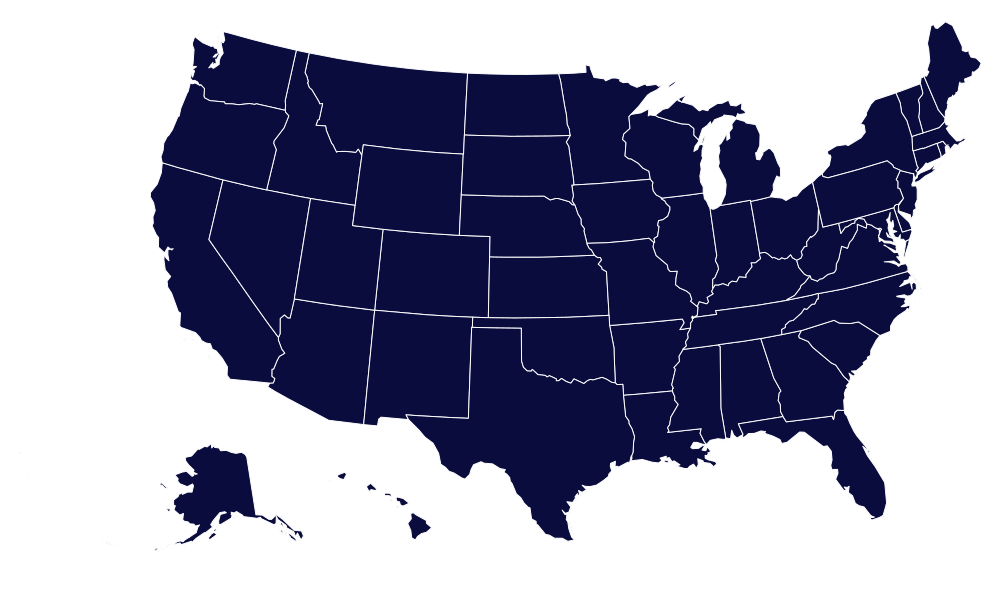
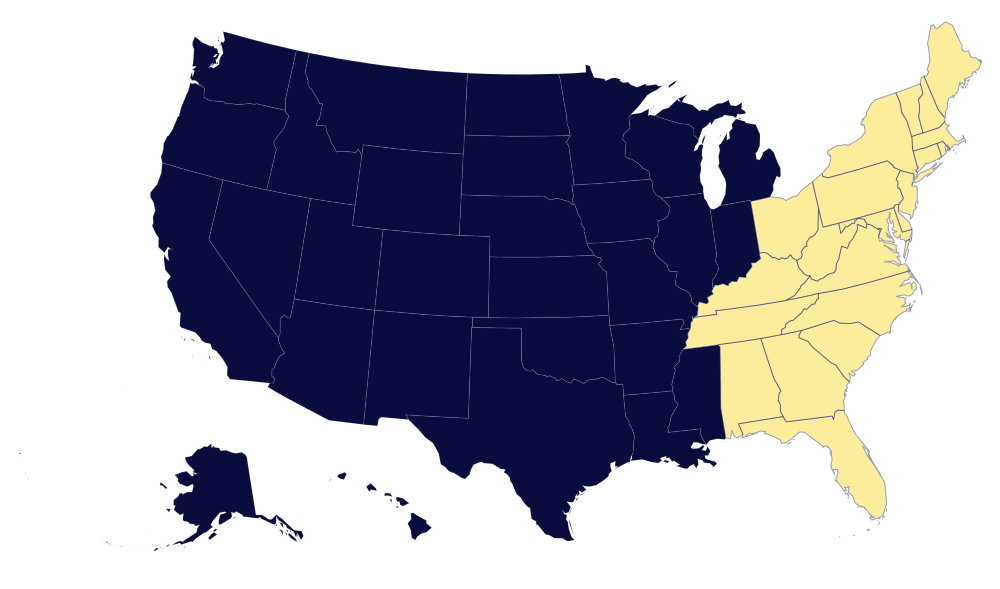
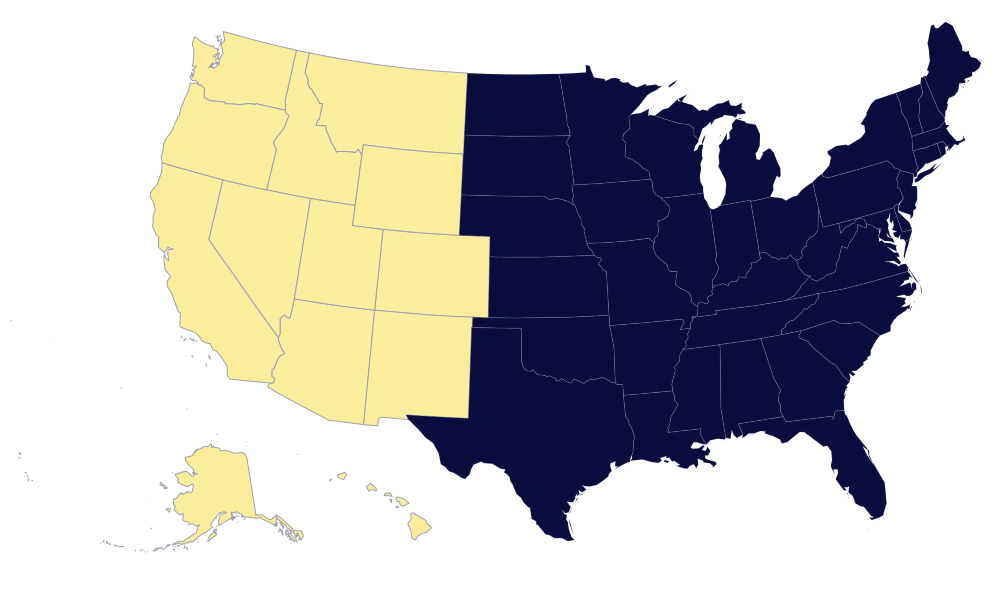
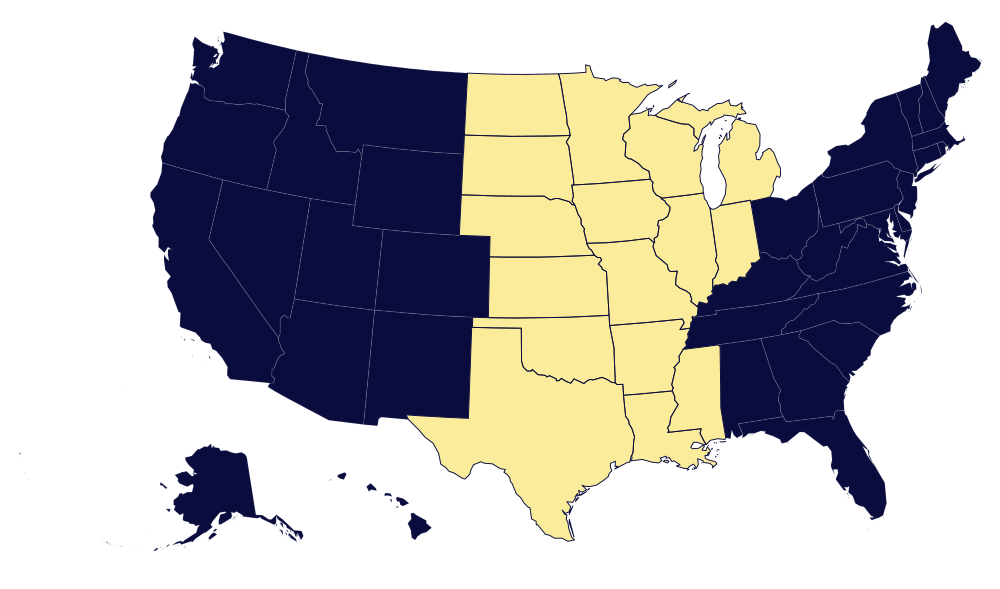
AVLS Nationwide Services
Central States
East Coast
*COMING SOON
West Coast


*COMING SOON
East Coast
Central States
West Coast
AVLS Nationwide Services
CONTACT US
When your event matters, trust your audio visual labor needs to AV Labor Source.
AVLS operate and has proven pool of AV technicians in major cities US Nationwide, such as Las Vegas, Los Angeles, Orlando, Dallas, San Antonio, Austin, Houston, Washington DC, Atlanta, New Orleans, Tennessee and more.
Please complete the form below and we will respond to you as soon as possible. We are available 24 hours a day to assist with your needs. We look forward to showing you what we can do toward the success of your next event.
AVLS operate and has proven pool of AV technicians in major cities US Nationwide, such as Las Vegas, Los Angeles, Orlando, Dallas, San Antonio, Austin, Houston, Washington DC, Atlanta, New Orleans, Tennessee and more.
Please complete the form below and we will respond to you as soon as possible. We are available 24 hours a day to assist with your needs. We look forward to showing you what we can do toward the success of your next event.
EVENT INFORMATION
