





July 18, 2026
Spotlight Operator Guide for Live Events
A single misplaced spotlight beam can ruin a performer's entrance, yet 73% of live event lighting failures stem from operator error rather than equipment malfunction. This comprehensive Spotlight Operator Guide for Live Events covers everything from basic equipment operation to advanced tracking techniques, helping both newcomers and experienced operators master the art of precision lighting control.
Key Takeaways
What Does a Spotlight Operator Do at Live Events
A spotlight operator controls powerful, focused lighting fixtures that illuminate performers and create dramatic visual effects during live productions. The role involves operating manual or automated spotlight equipment from designated positions within the venue, following detailed cue sheets, and maintaining constant communication with the lighting director or stage manager.
Primary responsibilities include:
Spotlight operators work in various venues including theaters, concert halls, arenas, convention centers, and outdoor festival stages. The position requires physical stamina since operators often stand for hours while maintaining steady hand control of heavy equipment.
Key performance metrics that separate professional operators from amateurs include reaction time to cues (under 2 seconds), tracking smoothness (no visible jerking), and accuracy in hitting predetermined positions within 6 inches of the target.
Spotlight Operator vs Other Lighting Roles: Understanding the Differences
Spotlight operators fill a specialized niche within the broader lighting crew hierarchy, distinct from lighting designers, board operators, and general lighting technicians. Unlike lighting board operators who control multiple fixtures from a central console, spotlight operators manage individual fixtures requiring manual tracking and real-time adjustments.
Spotlight Operator responsibilities:
Lighting Board Operator differences:
Lighting Designer distinctions:
The spotlight operator role offers more hands-on, performance-focused work compared to other lighting positions. Many professional AV specialists start as spotlight operators before advancing to more complex lighting roles.
How to Become a Spotlight Operator: Requirements and Training
Becoming a spotlight operator requires minimal formal education but demands specific technical skills and physical capabilities. Most operators learn through on-the-job training, apprenticeships, or short-term technical courses offered by community colleges and trade schools.
Basic requirements include:
Training pathways:
Most operators gain proficiency within 3-6 months of regular practice, though mastering advanced techniques for complex productions takes 1-2 years of consistent work. AV technician roles often provide stepping stones into specialized lighting positions.
Spotlight Operator Salary and Career Outlook
Spotlight operator compensation varies significantly based on venue type, geographic location, union membership, and experience level. The role offers both full-time positions with established venues and freelance opportunities for special events and touring productions.
Salary ranges by venue type:
Factors affecting compensation:
Career advancement opportunities include lighting designer positions, technical director roles, and venue management. Many operators transition into related fields like event production services or specialize in specific event types requiring advanced lighting expertise.
The job outlook remains stable with consistent demand from entertainment venues, corporate events, and live streaming productions. However, automation technology is gradually reducing demand for manual spotlight operators in some venue types.
Best Spotlight Equipment for Theaters and Concerts
Professional spotlight equipment selection depends on venue size, throw distance, and specific production requirements. Modern spotlights range from compact LED units for small theaters to powerful arc-source fixtures for large arenas and outdoor venues.
Essential equipment categories:
Follow Spots for Theater Productions:
Concert and Arena Spotlights:
Key selection criteria include:
Professional operators should familiarize themselves with multiple equipment types since different venues utilize various manufacturers and models. Understanding AV equipment and technology helps operators adapt quickly to new assignments.
Spotlight Operator Training and Professional Development
Professional spotlight operator training combines hands-on equipment experience with theoretical knowledge of lighting principles, safety protocols, and show production workflows. Training programs range from weekend workshops to comprehensive certification courses.
Professional training options:
Manufacturer-Sponsored Programs:
Industry Organizations:
Skills development areas:
Many AV technician training programs include spotlight operation modules, providing broader technical knowledge that enhances operator versatility and career advancement opportunities.
Continuing education remains important as equipment technology evolves and new techniques emerge. Operators should budget 2-3 training days annually to maintain competitive skills and learn new equipment platforms.
Common Mistakes Spotlight Operators Make
Even experienced spotlight operators can fall into habits that compromise show quality and professional reputation. Understanding common pitfalls helps operators maintain high performance standards and avoid costly errors during live productions.
Technical operation mistakes:
Communication and coordination errors:
Equipment handling mistakes:
The most critical mistake involves losing focus during long productions, leading to missed cues or poor tracking quality. Professional operators develop concentration techniques and physical positioning strategies to maintain performance throughout extended shows.
How to Follow a Performer with a Spotlight Smoothly
Smooth performer tracking represents the core skill that separates amateur from professional spotlight operators. The technique requires coordinating multiple control inputs while predicting performer movement patterns and maintaining consistent illumination quality.
Fundamental tracking techniques:
Body positioning and stance:
Movement prediction strategies:
Control input methods:
Advanced tracking considerations:
Professional operators practice tracking exercises regularly, using moving targets or video references to maintain sharp skills between productions. The goal is creating invisible lighting that enhances rather than distracts from the performance.
Spotlight Operator Tips for Large Venues
Operating spotlights in large venues presents unique challenges including extended throw distances, increased ambient lighting, and complex sightline management. Large venue operators must adapt techniques and equipment settings to maintain effective illumination across greater distances.
Large venue considerations:
Equipment adjustments:
Operational techniques:
Positioning strategies:
Safety considerations:
Large venue work often requires specialized AV crew members with experience in complex productions and advanced equipment systems. Operators should gain experience in smaller venues before advancing to major facilities.
Essential Skills for Professional Spotlight Operators
Professional spotlight operation demands a combination of technical skills, physical capabilities, and performance awareness that develops through consistent practice and diverse production experience. The most successful operators cultivate both mechanical proficiency and artistic sensitivity.
Technical proficiency requirements:
Performance skills:
Communication abilities:
Physical requirements:
Developing these skills requires consistent practice and exposure to different production types. Many operators benefit from cross-training in related AV technician roles to broaden their technical knowledge and career opportunities.
Spotlight Operation for Different Event Types
Different event categories require distinct spotlight techniques, equipment configurations, and operational approaches. Professional operators must adapt their methods to match specific event requirements and audience expectations.
Theater productions:
Concert and music events:
Corporate events and presentations:
Wedding and social events:
Each event type demands specific preparation approaches and equipment configurations. Operators should specialize in particular event categories while maintaining versatility for diverse assignments.
Spotlight Operator Hiring: Costs and Considerations
Event planners and venue managers must understand spotlight operator hiring considerations including cost factors, skill requirements, and booking procedures. Professional operators command varying rates based on experience, equipment requirements, and event complexity.
Hiring cost factors:
Hourly rates by experience level:
Additional cost considerations:
Hiring best practices:
When to hire spotlight operators:
Many event production companies maintain rosters of qualified operators, simplifying the hiring process for event planners. Professional AV specialists often provide comprehensive staffing solutions including spotlight operators.
Troubleshooting Common Spotlight Problems
Professional spotlight operators must quickly diagnose and resolve equipment problems to maintain show continuity. Common issues range from simple control problems to complex electrical failures requiring immediate solutions.
Mechanical control problems:
Jerky or binding movement:
Inconsistent beam quality:
Electrical system issues:
Lamp problems:
Control system failures:
Emergency procedures:
Professional operators carry basic tools and spare parts for common repairs, including lamps, fuses, and cleaning supplies. Understanding equipment limitations helps prevent problems and extends fixture lifespan.
Is Spotlight Operation a Good Career Choice
Spotlight operation offers entry into the live entertainment industry with opportunities for career advancement and specialization. The role provides hands-on technical experience while contributing directly to audience entertainment and performer success.
Career advantages:
Career challenges:
Long-term prospects:
Spotlight operation serves as an excellent foundation for careers in lighting design, technical direction, and venue management. Many operators transition to related fields including event production, broadcast lighting, and corporate AV services.
Career development strategies:
The role suits individuals who enjoy live performance environments, appreciate technical precision, and want direct involvement in entertainment production without extensive formal education requirements.
Frequently Asked Questions
How long does it take to learn spotlight operation?
Most operators achieve basic proficiency within 3-6 months of regular practice, though mastering advanced techniques for complex productions typically requires 1-2 years of consistent work across different venue types and production styles.
Do spotlight operators need special licenses or certifications?
No special licenses are required, though some venues prefer operators with OSHA safety training or manufacturer-specific equipment certifications. Union membership may be required for certain theaters and major venues.
What physical requirements do spotlight operators need to meet?
Operators must stand for 4-8 hours, maintain steady hand control of equipment, have good color vision for lighting adjustments, and possess adequate hearing for cue communication in noisy environments.
Can spotlight operators work part-time or freelance?
Yes, many operators work freelance for multiple venues and production companies. Part-time opportunities are common, especially for community theaters, corporate events, and seasonal productions.
What's the difference between manual and automated spotlights?
Manual spotlights require continuous operator control for all movements and adjustments. Automated spotlights can be pre-programmed for some functions but still need operators for real-time tracking and adjustments during performances.
How much does spotlight equipment cost to purchase?
Professional follow spots range from $3,000-15,000 for new equipment, with LED models typically more expensive than traditional lamp-based fixtures. Most operators start by working with venue-provided equipment.
Do spotlight operators work alone or in teams?
Both scenarios are common. Small productions may use single operators, while major concerts and theatrical productions often employ multiple operators working in coordination with lighting directors and board operators.
What happens if spotlight equipment fails during a show?
Professional operators maintain backup equipment when possible and coordinate with lighting directors to redistribute coverage among remaining fixtures. Quick troubleshooting skills help resolve minor problems without stopping productions.
Are there opportunities for spotlight operators to advance their careers?
Yes, many operators advance to lighting designer positions, technical director roles, or venue management. The experience provides excellent foundation for broader careers in live event production and entertainment technology.
How do spotlight operators coordinate with other lighting crew members?
Operators use headset communication systems to receive cues from lighting directors and coordinate with board operators. Clear communication protocols and professional terminology ensure smooth production execution.
What should someone expect on their first day as a spotlight operator?
Expect equipment orientation, safety briefing, review of cue sheets and show requirements, practice time with the specific equipment, and close supervision during initial performances until proficiency is demonstrated.
Do spotlight operators need to understand music or theater to be effective?
While not required, understanding performance styles and timing helps operators anticipate cues and provide more effective lighting support. Many operators develop appreciation for different art forms through their work experience.
Conclusion
Professional spotlight operation combines technical precision with artistic sensitivity, creating opportunities for rewarding careers in live entertainment and event production. Success requires dedication to skill development, attention to safety protocols, and commitment to supporting performer and audience experiences through expert lighting control.
The field offers multiple entry paths from on-the-job training to formal education programs, with advancement opportunities in lighting design, technical direction, and venue management. As live events continue growing in complexity and scale, skilled spotlight operators remain essential for creating memorable audience experiences.
Whether pursuing spotlight operation as a primary career or stepping stone to broader entertainment industry roles, operators who master both technical skills and performance awareness will find consistent opportunities across theaters, concert venues, corporate events, and specialized productions.
Need Professional Spotlight Operators for Your Next Event?
AV Labor Source connects you with experienced spotlight operators and complete lighting crews for events nationwide. Our certified professionals bring the technical expertise and performance experience needed to make your production shine.
Contact us today to discuss your spotlight operator requirements and event staffing needs: https://avlaborsourceinc.com/#contacts
Key Takeaways
- Spotlight operators control focused lighting that follows performers and highlights key moments during live events
- Entry-level positions require minimal formal training but demand excellent hand-eye coordination and attention to detail
- Average spotlight operator salaries range from $15-45 per hour depending on venue size and experience level
- Professional operators must master smooth tracking, precise cueing, and quick troubleshooting skills
- Different event types (theater, concerts, weddings) require distinct spotlight techniques and equipment
- Common mistakes include jerky movements, incorrect beam angles, and poor communication with lighting directors
- Career advancement opportunities exist in lighting design, technical direction, and venue management
What Does a Spotlight Operator Do at Live Events
A spotlight operator controls powerful, focused lighting fixtures that illuminate performers and create dramatic visual effects during live productions. The role involves operating manual or automated spotlight equipment from designated positions within the venue, following detailed cue sheets, and maintaining constant communication with the lighting director or stage manager.
Primary responsibilities include:
- Tracking performers smoothly across the stage without jerky movements
- Following lighting cues precisely according to the show's technical script
- Adjusting beam size and intensity based on scene requirements
- Maintaining equipment and performing basic troubleshooting
- Coordinating with other operators for multi-spotlight productions
Spotlight operators work in various venues including theaters, concert halls, arenas, convention centers, and outdoor festival stages. The position requires physical stamina since operators often stand for hours while maintaining steady hand control of heavy equipment.
Key performance metrics that separate professional operators from amateurs include reaction time to cues (under 2 seconds), tracking smoothness (no visible jerking), and accuracy in hitting predetermined positions within 6 inches of the target.
Spotlight Operator vs Other Lighting Roles: Understanding the Differences
Spotlight operators fill a specialized niche within the broader lighting crew hierarchy, distinct from lighting designers, board operators, and general lighting technicians. Unlike lighting board operators who control multiple fixtures from a central console, spotlight operators manage individual fixtures requiring manual tracking and real-time adjustments.
Spotlight Operator responsibilities:
- Manual control of individual spotlight fixtures
- Real-time performer tracking during shows
- Physical operation from venue positions
- Focus on precision and timing
Lighting Board Operator differences:
- Controls entire lighting systems from computerized consoles
- Programs automated sequences and effects
- Works primarily with pre-programmed cues
- Manages hundreds of fixtures simultaneously
Lighting Designer distinctions:
- Creates overall lighting concepts and designs
- Develops technical specifications and cue sheets
- Supervises all lighting department personnel
- Requires extensive technical and artistic training
The spotlight operator role offers more hands-on, performance-focused work compared to other lighting positions. Many professional AV specialists start as spotlight operators before advancing to more complex lighting roles.
How to Become a Spotlight Operator: Requirements and Training
Becoming a spotlight operator requires minimal formal education but demands specific technical skills and physical capabilities. Most operators learn through on-the-job training, apprenticeships, or short-term technical courses offered by community colleges and trade schools.
Basic requirements include:
- Physical stamina for standing 4-8 hours per show
- Excellent hand-eye coordination for smooth tracking
- Good communication skills for cue coordination
- Basic electrical safety knowledge for equipment handling
- Flexible schedule availability including nights and weekends
Training pathways:
- Apprenticeship programs with local theaters or production companies
- Community college courses in theatrical lighting or live event production
- On-the-job training starting as lighting crew assistants
- Professional workshops offered by equipment manufacturers
- Union training programs through IATSE local chapters
Most operators gain proficiency within 3-6 months of regular practice, though mastering advanced techniques for complex productions takes 1-2 years of consistent work. AV technician roles often provide stepping stones into specialized lighting positions.
Spotlight Operator Salary and Career Outlook
Spotlight operator compensation varies significantly based on venue type, geographic location, union membership, and experience level. The role offers both full-time positions with established venues and freelance opportunities for special events and touring productions.
Salary ranges by venue type:
- Community theaters: $12-18 per hour
- Regional theaters: $18-28 per hour
- Major concert venues: $25-40 per hour
- Broadway and touring productions: $35-55 per hour
- Corporate events and conventions: $20-35 per hour
Factors affecting compensation:
- Union membership can increase wages by 20-40%
- Specialized skills (automated lighting, rigging) command premium rates
- Geographic location significantly impacts base pay scales
- Venue prestige and production budgets influence compensation
Career advancement opportunities include lighting designer positions, technical director roles, and venue management. Many operators transition into related fields like event production services or specialize in specific event types requiring advanced lighting expertise.
The job outlook remains stable with consistent demand from entertainment venues, corporate events, and live streaming productions. However, automation technology is gradually reducing demand for manual spotlight operators in some venue types.
Best Spotlight Equipment for Theaters and Concerts
Professional spotlight equipment selection depends on venue size, throw distance, and specific production requirements. Modern spotlights range from compact LED units for small theaters to powerful arc-source fixtures for large arenas and outdoor venues.
Essential equipment categories:
Follow Spots for Theater Productions:
- ETC Source Four Followspot: Industry standard for mid-size theaters
- Lycian 1272 Super Arc: High-output option for large venues
- Robert Juliat Cyrano 2500W: Premium European fixture with superior optics
- Chauvet Professional EVE F-50Z: LED alternative with color mixing
Concert and Arena Spotlights:
- Strong Super Trouper: Classic xenon arc spotlight for major venues
- Robert Juliat Arthur 4000W: Long-throw fixture for stadium applications
- ETC Source Four LED Followspot: Energy-efficient with instant-on capability
Key selection criteria include:
- Throw distance requirements (near: 50-100 feet, far: 200+ feet)
- Beam intensity needed for venue ambient lighting conditions
- Color mixing capabilities for creative lighting effects
- Noise levels critical for theater applications
- Power consumption and heat generation considerations
Professional operators should familiarize themselves with multiple equipment types since different venues utilize various manufacturers and models. Understanding AV equipment and technology helps operators adapt quickly to new assignments.
Spotlight Operator Training and Professional Development
Professional spotlight operator training combines hands-on equipment experience with theoretical knowledge of lighting principles, safety protocols, and show production workflows. Training programs range from weekend workshops to comprehensive certification courses.
Professional training options:
Manufacturer-Sponsored Programs:
- ETC (Electronic Theatre Controls) training workshops
- Robert Juliat technical seminars
- Chauvet Professional certification courses
- Strong Lighting hands-on training sessions
Industry Organizations:
- PLSN (Projection, Lights & Staging News) workshops
- LDI (Live Design International) conference sessions
- USITT (United States Institute for Theatre Technology) courses
- IATSE union training programs
Skills development areas:
- Equipment operation across multiple manufacturer platforms
- Safety protocols for electrical and mechanical systems
- Show cueing and communication procedures
- Troubleshooting common equipment problems
- Advanced techniques for complex tracking scenarios
Many AV technician training programs include spotlight operation modules, providing broader technical knowledge that enhances operator versatility and career advancement opportunities.
Continuing education remains important as equipment technology evolves and new techniques emerge. Operators should budget 2-3 training days annually to maintain competitive skills and learn new equipment platforms.
Common Mistakes Spotlight Operators Make
Even experienced spotlight operators can fall into habits that compromise show quality and professional reputation. Understanding common pitfalls helps operators maintain high performance standards and avoid costly errors during live productions.
Technical operation mistakes:
- Jerky tracking movements that distract audiences from performances
- Incorrect beam sizing that either under-illuminates or creates harsh shadows
- Poor timing on cues causing late or early lighting changes
- Inadequate pre-show preparation leading to missed positions or settings
- Ignoring safety protocols when operating high-powered equipment
Communication and coordination errors:
- Missing radio cues due to poor headset positioning or volume levels
- Failing to confirm cue reception with lighting directors
- Not reporting equipment problems promptly to technical staff
- Poor coordination with other spotlight operators during multi-spot shows
Equipment handling mistakes:
- Forcing mechanical controls when encountering resistance
- Neglecting routine maintenance checks before shows
- Improper cable management creating trip hazards or connection problems
- Inadequate equipment securing in temporary or outdoor installations
The most critical mistake involves losing focus during long productions, leading to missed cues or poor tracking quality. Professional operators develop concentration techniques and physical positioning strategies to maintain performance throughout extended shows.
How to Follow a Performer with a Spotlight Smoothly
Smooth performer tracking represents the core skill that separates amateur from professional spotlight operators. The technique requires coordinating multiple control inputs while predicting performer movement patterns and maintaining consistent illumination quality.
Fundamental tracking techniques:
Body positioning and stance:
- Stand with feet shoulder-width apart for stability
- Keep dominant hand on pan control, support hand on tilt
- Maintain relaxed grip pressure to prevent overcorrection
- Position body to allow full range of motion without strain
Movement prediction strategies:
- Study performer blocking during rehearsals
- Anticipate direction changes based on choreography
- Lead fast-moving performers by 6-12 inches
- Maintain center-body tracking rather than following head movements
Control input methods:
- Use smooth, continuous movements rather than jerky corrections
- Apply consistent pressure for steady tracking speed
- Practice figure-eight patterns for coordination development
- Develop muscle memory for common stage positions
Advanced tracking considerations:
- Adjust tracking speed for different performance styles (dance vs. theater)
- Compensate for performer height differences during group scenes
- Maintain proper beam size as performers move closer or farther
- Coordinate with other operators during multi-spotlight sequences
Professional operators practice tracking exercises regularly, using moving targets or video references to maintain sharp skills between productions. The goal is creating invisible lighting that enhances rather than distracts from the performance.
Spotlight Operator Tips for Large Venues
Operating spotlights in large venues presents unique challenges including extended throw distances, increased ambient lighting, and complex sightline management. Large venue operators must adapt techniques and equipment settings to maintain effective illumination across greater distances.
Large venue considerations:
Equipment adjustments:
- Increase beam intensity for longer throw distances
- Use narrower beam angles to maintain adequate illumination
- Adjust color temperature to cut through ambient lighting
- Employ barn doors or iris controls for precise beam shaping
Operational techniques:
- Allow longer lead times for cue execution due to equipment inertia
- Use broader tracking movements to compensate for distance compression
- Coordinate with multiple operators for venue coverage
- Establish clear communication protocols for complex cue sequences
Positioning strategies:
- Identify optimal operator positions for stage coverage
- Plan equipment placement to avoid structural obstructions
- Consider audience sightlines when positioning follow spots
- Establish backup positions for equipment failures
Safety considerations:
- Verify structural mounting points for heavy equipment
- Implement fall protection for elevated operator positions
- Maintain clear egress paths from operator locations
- Establish emergency communication procedures
Large venue work often requires specialized AV crew members with experience in complex productions and advanced equipment systems. Operators should gain experience in smaller venues before advancing to major facilities.
Essential Skills for Professional Spotlight Operators
Professional spotlight operation demands a combination of technical skills, physical capabilities, and performance awareness that develops through consistent practice and diverse production experience. The most successful operators cultivate both mechanical proficiency and artistic sensitivity.
Technical proficiency requirements:
- Equipment mastery across multiple manufacturer platforms
- Electrical safety knowledge for high-powered lighting systems
- Troubleshooting skills for common mechanical and electrical problems
- Maintenance procedures to keep equipment operating reliably
- Setup and strike efficiency for touring and temporary installations
Performance skills:
- Cue timing accuracy within 1-2 second windows
- Smooth tracking without visible jerking or hesitation
- Beam control for consistent illumination quality
- Multi-tasking ability to manage multiple controls simultaneously
- Adaptation to unexpected performer movements or script changes
Communication abilities:
- Clear radio communication with lighting directors and stage managers
- Team coordination with other lighting crew members
- Problem reporting using proper technical terminology
- Professional demeanor during high-stress production situations
Physical requirements:
- Stamina for 4-8 hour standing positions
- Hand-eye coordination for precise control input
- Color vision accuracy for proper color mixing
- Hearing acuity for cue communication in noisy environments
Developing these skills requires consistent practice and exposure to different production types. Many operators benefit from cross-training in related AV technician roles to broaden their technical knowledge and career opportunities.
Spotlight Operation for Different Event Types
Different event categories require distinct spotlight techniques, equipment configurations, and operational approaches. Professional operators must adapt their methods to match specific event requirements and audience expectations.
Theater productions:
- Emphasize smooth, invisible tracking that doesn't distract from performances
- Use precise cueing to support dramatic moments and scene transitions
- Coordinate with complex lighting plots and automated systems
- Maintain consistent color temperature and beam quality
- Follow detailed cue sheets with exact timing requirements
Concert and music events:
- Employ dynamic tracking for energetic performer movement
- Integrate with automated lighting systems and special effects
- Use color mixing and intensity changes for creative enhancement
- Adapt to improvised performer actions and extended solos
- Coordinate with video production and broadcast requirements
Corporate events and presentations:
- Focus on speaker illumination during presentations and speeches
- Provide smooth transitions between multiple speakers
- Maintain professional, understated lighting approach
- Coordinate with corporate event AV systems and presentation technology
- Ensure consistent illumination for video recording
Wedding and social events:
- Highlight key moments like entrances, ceremonies, and speeches
- Adapt to non-professional performers and spontaneous moments
- Balance dramatic effect with guest comfort and visibility
- Work within limited setup time and budget constraints
- Coordinate with photography and videography requirements
Each event type demands specific preparation approaches and equipment configurations. Operators should specialize in particular event categories while maintaining versatility for diverse assignments.
Spotlight Operator Hiring: Costs and Considerations
Event planners and venue managers must understand spotlight operator hiring considerations including cost factors, skill requirements, and booking procedures. Professional operators command varying rates based on experience, equipment requirements, and event complexity.
Hiring cost factors:
Hourly rates by experience level:
- Entry-level operators: $15-25 per hour
- Experienced professionals: $25-40 per hour
- Specialist operators: $40-60 per hour for complex productions
- Union operators: Premium rates with specific work rules
Additional cost considerations:
- Equipment rental if operators don't provide fixtures
- Setup and strike time beyond performance hours
- Travel expenses for out-of-town events
- Overtime rates for extended productions
- Insurance requirements for equipment and liability coverage
Hiring best practices:
- Book operators 4-6 weeks in advance for major events
- Provide detailed technical specifications and venue information
- Confirm equipment compatibility and power requirements
- Establish clear communication protocols and emergency contacts
- Review operator credentials and previous production experience
When to hire spotlight operators:
- Theatrical productions requiring performer tracking
- Corporate events with keynote speakers and presentations
- Concerts and music events needing dynamic lighting
- Award ceremonies and formal events with structured programming
- Any production where focused lighting enhances audience experience
Many event production companies maintain rosters of qualified operators, simplifying the hiring process for event planners. Professional AV specialists often provide comprehensive staffing solutions including spotlight operators.
Troubleshooting Common Spotlight Problems
Professional spotlight operators must quickly diagnose and resolve equipment problems to maintain show continuity. Common issues range from simple control problems to complex electrical failures requiring immediate solutions.
Mechanical control problems:
Jerky or binding movement:
- Check for cable tension and routing problems
- Lubricate mechanical joints and pivot points
- Verify proper counterweight adjustment
- Inspect for damaged or worn control components
Inconsistent beam quality:
- Clean optical elements including lenses and reflectors
- Check lamp alignment and mounting security
- Verify proper focus mechanism operation
- Replace worn or damaged optical components
Electrical system issues:
Lamp problems:
- Verify proper lamp installation and connection
- Check power supply voltage and current ratings
- Inspect electrical connections for corrosion or damage
- Replace lamps according to manufacturer specifications
Control system failures:
- Test all electrical connections and cable integrity
- Verify proper grounding and electrical safety
- Check fuse and circuit breaker status
- Isolate problems using systematic troubleshooting procedures
Emergency procedures:
- Maintain backup equipment for critical productions
- Establish communication protocols for equipment failures
- Document problems for post-show repair and maintenance
- Coordinate with technical staff for complex repairs
Professional operators carry basic tools and spare parts for common repairs, including lamps, fuses, and cleaning supplies. Understanding equipment limitations helps prevent problems and extends fixture lifespan.
Is Spotlight Operation a Good Career Choice
Spotlight operation offers entry into the live entertainment industry with opportunities for career advancement and specialization. The role provides hands-on technical experience while contributing directly to audience entertainment and performer success.
Career advantages:
- Low barrier to entry with minimal formal education requirements
- Immediate employment opportunities in most metropolitan areas
- Diverse work environments from theaters to corporate events
- Skill transferability to other lighting and AV technical roles
- Creative satisfaction from contributing to live performance success
Career challenges:
- Irregular work schedules including nights, weekends, and holidays
- Physical demands requiring stamina and coordination
- Income variability especially for freelance operators
- Technology changes requiring ongoing training and adaptation
- Limited advancement without additional skills development
Long-term prospects:
Spotlight operation serves as an excellent foundation for careers in lighting design, technical direction, and venue management. Many operators transition to related fields including event production, broadcast lighting, and corporate AV services.
Career development strategies:
- Gain experience across multiple venue types and production styles
- Develop additional technical skills in automated lighting and control systems
- Build professional networks within the entertainment industry
- Pursue formal training in lighting design and electrical systems
- Consider specialization in high-demand areas like corporate events or touring productions
The role suits individuals who enjoy live performance environments, appreciate technical precision, and want direct involvement in entertainment production without extensive formal education requirements.
Frequently Asked Questions
How long does it take to learn spotlight operation?
Most operators achieve basic proficiency within 3-6 months of regular practice, though mastering advanced techniques for complex productions typically requires 1-2 years of consistent work across different venue types and production styles.
Do spotlight operators need special licenses or certifications?
No special licenses are required, though some venues prefer operators with OSHA safety training or manufacturer-specific equipment certifications. Union membership may be required for certain theaters and major venues.
What physical requirements do spotlight operators need to meet?
Operators must stand for 4-8 hours, maintain steady hand control of equipment, have good color vision for lighting adjustments, and possess adequate hearing for cue communication in noisy environments.
Can spotlight operators work part-time or freelance?
Yes, many operators work freelance for multiple venues and production companies. Part-time opportunities are common, especially for community theaters, corporate events, and seasonal productions.
What's the difference between manual and automated spotlights?
Manual spotlights require continuous operator control for all movements and adjustments. Automated spotlights can be pre-programmed for some functions but still need operators for real-time tracking and adjustments during performances.
How much does spotlight equipment cost to purchase?
Professional follow spots range from $3,000-15,000 for new equipment, with LED models typically more expensive than traditional lamp-based fixtures. Most operators start by working with venue-provided equipment.
Do spotlight operators work alone or in teams?
Both scenarios are common. Small productions may use single operators, while major concerts and theatrical productions often employ multiple operators working in coordination with lighting directors and board operators.
What happens if spotlight equipment fails during a show?
Professional operators maintain backup equipment when possible and coordinate with lighting directors to redistribute coverage among remaining fixtures. Quick troubleshooting skills help resolve minor problems without stopping productions.
Are there opportunities for spotlight operators to advance their careers?
Yes, many operators advance to lighting designer positions, technical director roles, or venue management. The experience provides excellent foundation for broader careers in live event production and entertainment technology.
How do spotlight operators coordinate with other lighting crew members?
Operators use headset communication systems to receive cues from lighting directors and coordinate with board operators. Clear communication protocols and professional terminology ensure smooth production execution.
What should someone expect on their first day as a spotlight operator?
Expect equipment orientation, safety briefing, review of cue sheets and show requirements, practice time with the specific equipment, and close supervision during initial performances until proficiency is demonstrated.
Do spotlight operators need to understand music or theater to be effective?
While not required, understanding performance styles and timing helps operators anticipate cues and provide more effective lighting support. Many operators develop appreciation for different art forms through their work experience.
Conclusion
Professional spotlight operation combines technical precision with artistic sensitivity, creating opportunities for rewarding careers in live entertainment and event production. Success requires dedication to skill development, attention to safety protocols, and commitment to supporting performer and audience experiences through expert lighting control.
The field offers multiple entry paths from on-the-job training to formal education programs, with advancement opportunities in lighting design, technical direction, and venue management. As live events continue growing in complexity and scale, skilled spotlight operators remain essential for creating memorable audience experiences.
Whether pursuing spotlight operation as a primary career or stepping stone to broader entertainment industry roles, operators who master both technical skills and performance awareness will find consistent opportunities across theaters, concert venues, corporate events, and specialized productions.
Need Professional Spotlight Operators for Your Next Event?
AV Labor Source connects you with experienced spotlight operators and complete lighting crews for events nationwide. Our certified professionals bring the technical expertise and performance experience needed to make your production shine.
Contact us today to discuss your spotlight operator requirements and event staffing needs: https://avlaborsourceinc.com/#contacts
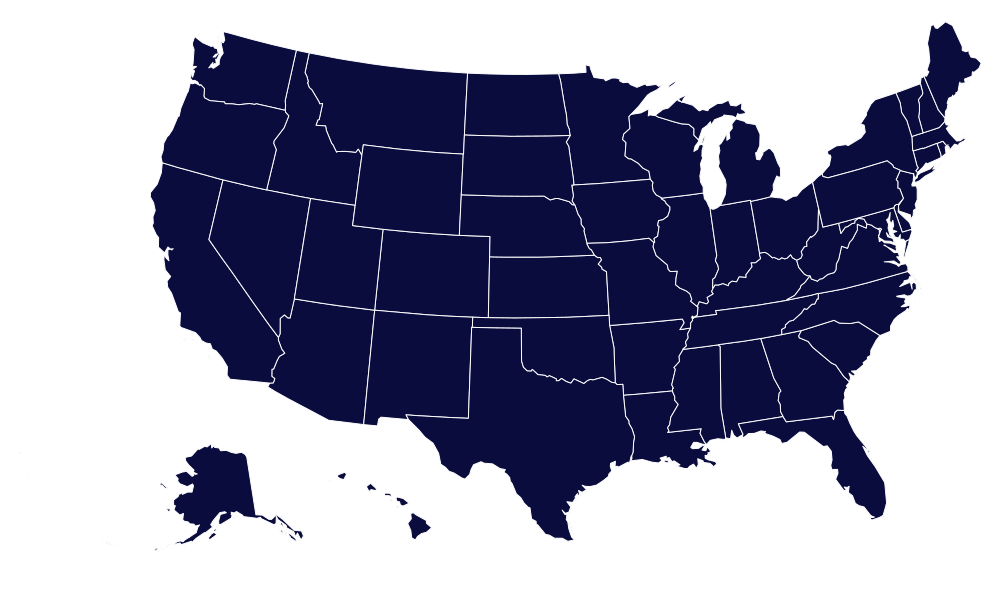
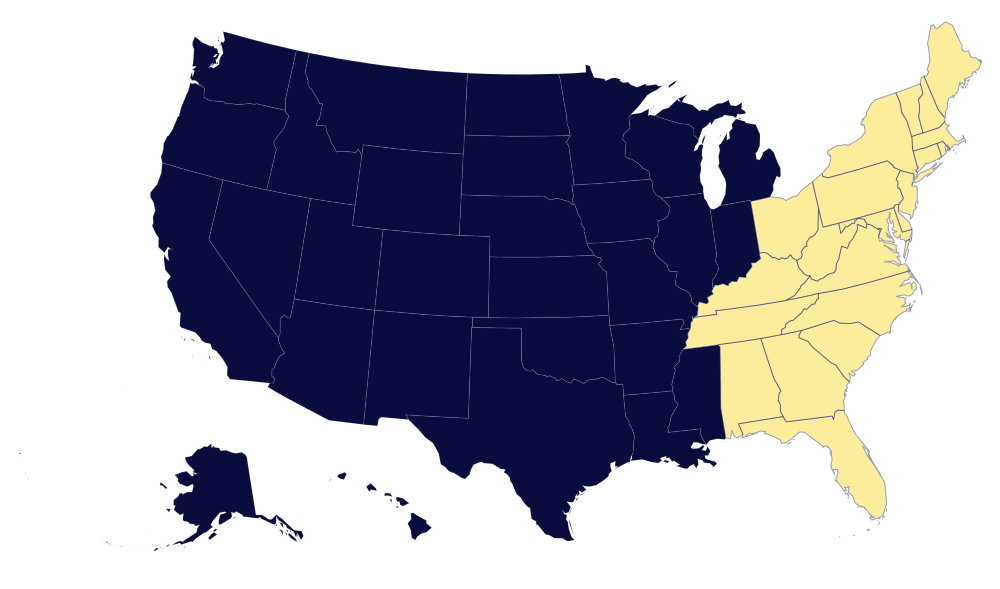
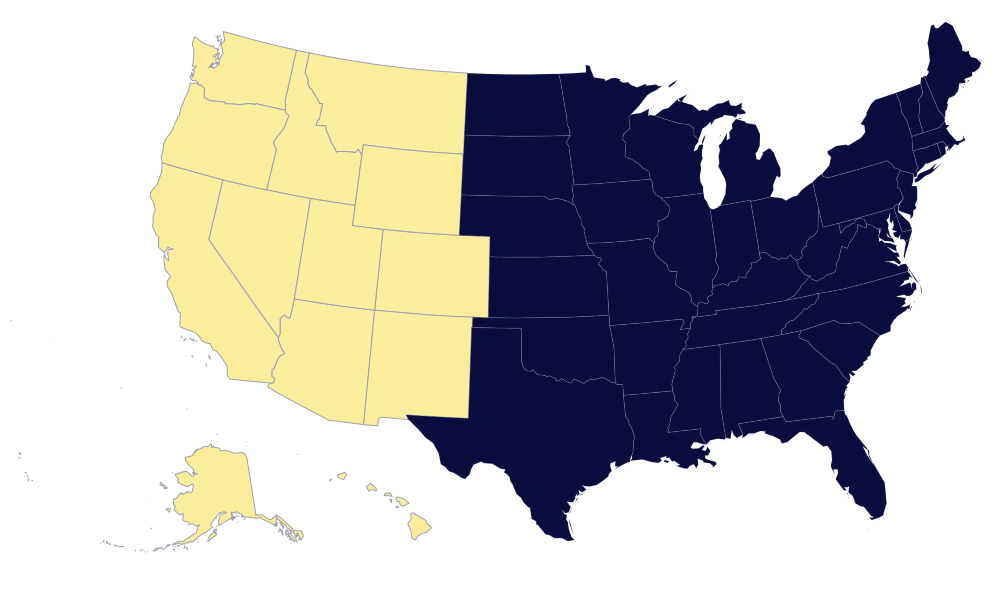
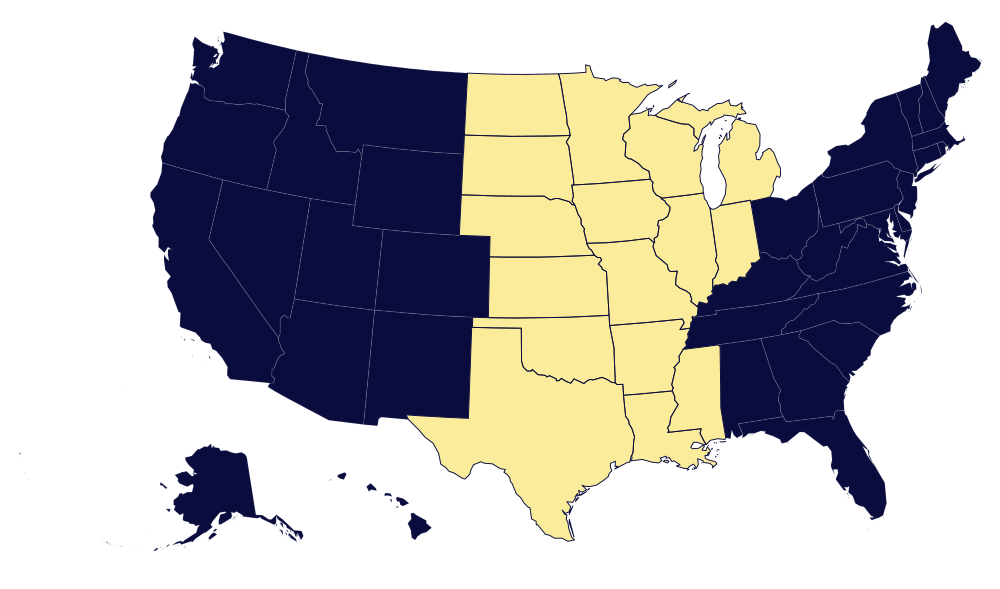
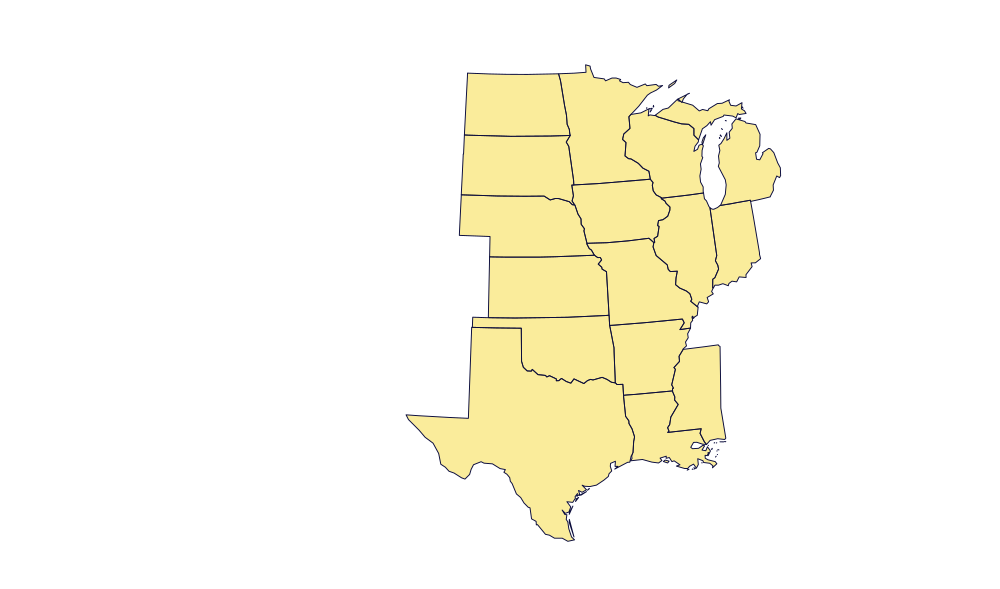
AVLS Nationwide Services
Central States
East Coast
*COMING SOON
West Coast


*COMING SOON
East Coast
Central States
West Coast
AVLS Nationwide Services
CONTACT US
When your event matters, trust your audio visual labor needs to AV Labor Source.
AVLS operate and has proven pool of AV technicians in major cities US Nationwide, such as Las Vegas, Los Angeles, Orlando, Dallas, San Antonio, Austin, Houston, Washington DC, Atlanta, New Orleans, Tennessee and more.
Please complete the form below and we will respond to you as soon as possible. We are available 24 hours a day to assist with your needs. We look forward to showing you what we can do toward the success of your next event.
AVLS operate and has proven pool of AV technicians in major cities US Nationwide, such as Las Vegas, Los Angeles, Orlando, Dallas, San Antonio, Austin, Houston, Washington DC, Atlanta, New Orleans, Tennessee and more.
Please complete the form below and we will respond to you as soon as possible. We are available 24 hours a day to assist with your needs. We look forward to showing you what we can do toward the success of your next event.
EVENT INFORMATION
