





July 22, 2026
How Video Engineers Support General Sessions: Complete Guide for Event Production
Video engineers serve as the technical backbone of general sessions, managing multi-camera setups, live streaming, and real-time video production to ensure seamless visual experiences for both in-person and remote audiences. They coordinate complex equipment configurations, troubleshoot technical issues during live broadcasts, and maintain broadcast-quality video standards throughout corporate events and conferences.
Key Takeaways
What Does a Video Engineer Do During a General Session
Video engineers orchestrate the visual elements of general sessions by operating cameras, managing live video feeds, and ensuring consistent broadcast quality throughout the event. Their primary responsibilities include real-time video switching between multiple camera angles, integrating presentation slides with live footage, and monitoring audio-visual synchronization.
During active sessions, video engineers work from control rooms or designated technical areas where they can oversee all video inputs simultaneously. They make split-second decisions about which camera angles to display, when to cut to presentation slides, and how to frame speakers for optimal visual impact.
Core responsibilities during live sessions:
Video engineers must maintain constant vigilance throughout general sessions, as technical issues can arise without warning and require immediate resolution to avoid disrupting the audience experience.
How Video Engineers Set Up Equipment for Large Conferences
Equipment setup for large conferences begins 4-8 hours before the event starts, depending on the venue size and technical complexity required. Video engineers arrive early to position cameras, run cables, configure switching equipment, and conduct comprehensive system tests before attendees arrive.
The setup process follows a systematic approach that prioritizes critical equipment first, then builds supporting systems around the primary video infrastructure. Engineers work closely with venue technical staff to understand power requirements, internet bandwidth, and any venue-specific limitations.
Standard equipment setup sequence:
Large conferences often require fiber optic cable runs for distances exceeding 300 feet, which demands specialized knowledge of signal conversion and bandwidth management. Engineers must also coordinate with lighting technicians to ensure proper illumination for camera operations.
Video Engineer vs Live Stream Technician: Key Differences
Video engineers focus on comprehensive video production including multi-camera coordination, while live stream technicians specialize specifically in broadcasting content to online platforms. Video engineers typically have broader technical skills covering broadcast equipment, camera operation, and live switching, whereas stream technicians concentrate on encoding, platform management, and internet delivery optimization.
The role distinction becomes important when planning technical staffing for events. Video engineers can usually handle streaming responsibilities, but dedicated stream technicians may be necessary for complex multi-platform broadcasts or events with large online audiences.
Video Engineer responsibilities:
Live Stream Technician focus areas:
Choose video engineers when you need comprehensive on-site video production capabilities. Opt for dedicated stream technicians when online audience engagement and platform-specific features are priorities.
Essential Video Engineer Tools and Software for General Sessions
Professional video engineers rely on broadcast-grade switching consoles, multi-camera systems, and specialized software platforms to deliver high-quality general session coverage. The equipment selection depends on venue size, audience capacity, and whether the event includes live streaming or recording requirements.
Hardware essentials:
Software platforms:
The total equipment investment for a complete video engineering setup ranges from $15,000-50,000 depending on camera count and broadcast quality requirements. Many event production companies rent equipment rather than purchasing, which allows access to the latest technology without significant capital investment.
Cost to Hire Video Engineers for Corporate Events
Video engineer rates vary significantly based on experience level, geographic location, and event complexity, with daily rates typically ranging from $800-2,500 per engineer. Major metropolitan markets like Los Angeles, New York, and Las Vegas command premium rates, while smaller markets offer more competitive pricing.
Rate structure by experience level:
Additional cost factors include equipment rental, travel expenses for out-of-market engineers, and setup time requirements. Multi-day events often qualify for discounted daily rates, especially when booking multiple engineers simultaneously.
Budget considerations:
For accurate pricing in your specific market, contact professional AV staffing services that can provide detailed quotes based on your event requirements and location.
Common Video Engineering Mistakes During Live Events
The most frequent video engineering errors during general sessions involve inadequate backup planning, poor camera positioning, and insufficient pre-event testing. These mistakes can result in missed shots, technical failures during critical moments, and compromised video quality that detracts from the overall event experience.
Critical mistakes to avoid:
Prevention strategies:
The most damaging mistakes occur when engineers assume equipment will work perfectly without testing, or when they fail to communicate effectively with other production team members during the event. Experienced engineers build redundancy into every system and maintain constant communication throughout the production.
How Video Engineers Handle Technical Issues During Broadcasts
Video engineers manage technical failures through immediate backup activation, rapid troubleshooting protocols, and seamless transitions that minimize audience disruption. Professional engineers prepare for common failure scenarios by maintaining redundant systems and establishing clear escalation procedures for different types of technical problems.
When equipment failures occur during live broadcasts, engineers follow established protocols that prioritize audience experience over perfect technical execution. The goal is maintaining continuous video coverage while resolving issues behind the scenes.
Emergency response procedures:
Common technical issues and solutions:
The key to successful technical issue management is preparation and practice. Experienced video engineers rehearse failure scenarios and maintain detailed troubleshooting checklists for rapid problem resolution.
Essential Skills for Professional Video Engineers
Professional video engineers need technical expertise in broadcast equipment operation, live production workflows, and digital streaming platforms combined with strong problem-solving abilities and communication skills. The role requires both deep technical knowledge and the ability to make quick decisions under pressure during live events.
Technical skill requirements:
Soft skills for success:
Entry-level video engineers typically start with AV technician positions and advance through hands-on experience with increasingly complex productions. Professional certification programs and manufacturer training courses provide structured learning paths for career advancement.
Video Engineering for Hybrid Events vs In-Person Only Productions
Hybrid events require significantly more complex video engineering setups compared to in-person only productions, as engineers must simultaneously manage on-site video production and remote audience streaming with interactive features. The technical complexity increases exponentially when accommodating both physical and virtual attendees with equal experience quality.
In-person only events allow video engineers to focus exclusively on room cameras, presentation displays, and optional recording systems. Hybrid events demand additional expertise in streaming platforms, remote interaction tools, and multi-destination broadcasting capabilities.
In-person event requirements:
Hybrid event additional complexity:
Technical considerations for hybrid events:
Choose experienced engineers with hybrid event expertise when planning events with significant remote attendance. The technical complexity and potential failure points increase substantially compared to traditional in-person productions.
Optimal Video Engineer Staffing for General Sessions
Most general sessions require 2-4 video engineers for comprehensive coverage, with staffing levels determined by venue size, camera count, and production complexity. Single-engineer setups work for small meetings under 100 attendees, while large conferences with multiple stages may need 6+ engineers for complete coverage.
Staffing guidelines by event size:
Role distribution for multi-engineer teams:
The optimal team size balances comprehensive coverage with budget constraints. Experienced engineers can handle multiple responsibilities simultaneously, while complex productions benefit from specialized role assignments. Consider venue layout, camera positions, and streaming requirements when determining final staffing levels.
Best Practices for Video Quality in Large Auditoriums
Large auditoriums present unique challenges for video engineers including long cable runs, lighting variations, and acoustic considerations that affect camera positioning and video quality. Professional engineers adapt their approach based on venue-specific characteristics and audience size requirements.
Technical considerations for large venues:
Quality optimization strategies:
Common large venue challenges:
Success in large auditoriums requires advance venue visits, detailed technical surveys, and coordination with venue management to understand infrastructure limitations and opportunities.
Video Engineer Coordination with Multi-Camera Setups
Multi-camera productions require precise coordination between camera operators, video engineers, and production directors to deliver seamless visual coverage of general sessions. The complexity increases exponentially with each additional camera, as engineers must monitor multiple feeds simultaneously while making real-time switching decisions.
Standard multi-camera configurations:
Coordination protocols:
Technical workflow management:
The lead video engineer serves as the central coordination point, making final decisions about camera selection while managing overall production flow. Clear communication and advance planning are essential for successful multi-camera coordination.
Video Engineer Responsibilities for Production Team Coordination
Video engineers coordinate extensively with audio engineers, lighting technicians, and event producers to ensure synchronized technical execution during general sessions. This collaboration requires clear communication protocols, shared technical standards, and coordinated troubleshooting procedures when issues arise.
Key coordination relationships:
Communication protocols:
Shared responsibilities:
Successful coordination requires understanding how video engineering decisions affect other technical disciplines. For example, camera position changes may require lighting adjustments, while audio cue timing affects video switching decisions.
Emergency Procedures When Video Equipment Fails
Equipment failures during general sessions require immediate response protocols that maintain audience engagement while technical teams resolve underlying issues. Professional video engineers prepare comprehensive backup systems and practice failure scenarios to minimize disruption during critical event moments.
Immediate response priorities:
Common failure scenarios and responses:
Prevention strategies:
The most successful video engineers anticipate potential failures and prepare multiple response options for each critical system component. This preparation allows rapid recovery without significant audience impact.
Frequently Asked Questions
What qualifications do video engineers need for general sessions?
Video engineers typically need 2-5 years of experience with broadcast equipment, professional camera operation skills, and familiarity with live streaming platforms. Many start as AV technicians and advance through hands-on training with increasingly complex productions.
How far in advance should you book video engineers for major events?
Book video engineers 4-8 weeks in advance for major conferences and general sessions. Popular engineers in high-demand markets like Las Vegas and Orlando may require 3+ months advance booking during peak conference seasons.
Do video engineers handle both recording and live streaming simultaneously?
Yes, experienced video engineers can manage both recording and streaming simultaneously using modern equipment that supports multiple output destinations. However, complex productions may benefit from dedicated specialists for each function.
What backup equipment do professional video engineers typically bring?
Professional video engineers bring backup cameras, switching consoles, cables, streaming encoders, and power supplies for all critical systems. The backup equipment typically matches 80-100% of primary system capabilities to ensure seamless transitions.
How do video engineers coordinate with speakers during general sessions?
Video engineers coordinate with speakers through pre-event briefings, confidence monitors showing camera angles, and discrete hand signals during presentations. They work with event producers to understand presentation flow and timing requirements.
What internet bandwidth do video engineers need for live streaming?
Live streaming typically requires 5-15 Mbps upload bandwidth per stream destination, depending on video quality settings. Professional productions use dedicated internet connections with guaranteed bandwidth rather than shared venue WiFi.
Can video engineers work with existing venue AV equipment?
Experienced video engineers can integrate with most venue AV systems, but they typically bring their own cameras, switching equipment, and streaming gear to ensure consistent quality and reliability standards.
What happens if internet connectivity fails during a live stream?
Professional video engineers maintain cellular backup connections, secondary internet sources, and local recording systems to continue coverage even if primary internet fails. The recorded content can be uploaded immediately after connectivity is restored.
How do video engineers handle multiple presentation formats during events?
Video engineers use switching consoles that accept various input formats including HDMI, VGA, and wireless presentation systems. They configure format converters and scalers to ensure compatibility with all presenter devices.
What's the difference between broadcast quality and standard video production?
Broadcast quality video production uses professional cameras, color correction, multiple camera angles, and broadcast-grade switching equipment. Standard production may use consumer cameras and basic switching, resulting in lower image quality and fewer production options.
Do video engineers provide post-production editing services?
Most video engineers focus on live production rather than post-production editing. However, they can provide raw recorded footage in formats suitable for professional editing, and some offer basic editing services for simple highlight reels.
How do video engineers ensure consistent audio-video synchronization?
Video engineers work closely with audio engineers to configure delay compensation, monitor sync throughout the production, and use professional equipment that maintains frame-accurate synchronization across all video and audio channels.
Conclusion
Video engineers serve as the technical foundation for successful general sessions, managing complex multi-camera setups, live streaming, and real-time production decisions that directly impact audience experience. Their expertise in broadcast equipment, streaming platforms, and live production workflows ensures professional-quality video coverage for both in-person and remote attendees.
The investment in professional video engineering pays dividends through improved audience engagement, successful live streaming, and high-quality recorded content for post-event distribution. As hybrid events become increasingly common in 2026, the demand for skilled video engineers continues to grow across corporate conferences, trade shows, and major general sessions.
When planning your next general session, prioritize experienced video engineers who understand your specific requirements, venue constraints, and audience expectations. Their technical expertise and problem-solving abilities will ensure your event delivers the professional visual experience your attendees expect.
Ready to hire professional video engineers for your next general session? AV Labor Source connects you with experienced video production specialists nationwide. Our skilled engineers handle everything from multi-camera setups to live streaming and can scale teams based on your event size and complexity requirements. Contact us today to discuss your video engineering needs and receive a customized staffing proposal for your upcoming event.
Key Takeaways
- Video engineers handle multi-camera coordination, live streaming setup, and real-time video switching during general sessions
- Equipment setup typically requires 4-8 hours before the event, depending on venue size and complexity
- Most general sessions need 2-4 video engineers for optimal coverage and redundancy
- Costs range from $800-2,500 per day per engineer, varying by experience level and market location
- Common responsibilities include camera operation, video switching, graphics integration, and live stream management
- Technical failures require immediate backup solutions and clear communication protocols
- Hybrid events demand additional expertise in streaming platforms and remote audience engagement
- Professional video engineers need skills in broadcast equipment, streaming software, and live production workflows
What Does a Video Engineer Do During a General Session
Video engineers orchestrate the visual elements of general sessions by operating cameras, managing live video feeds, and ensuring consistent broadcast quality throughout the event. Their primary responsibilities include real-time video switching between multiple camera angles, integrating presentation slides with live footage, and monitoring audio-visual synchronization.
During active sessions, video engineers work from control rooms or designated technical areas where they can oversee all video inputs simultaneously. They make split-second decisions about which camera angles to display, when to cut to presentation slides, and how to frame speakers for optimal visual impact.
Core responsibilities during live sessions:
- Operating broadcast cameras and adjusting shots in real-time
- Managing video switching consoles to transition between camera feeds
- Integrating PowerPoint presentations and graphics overlays
- Monitoring video quality and making immediate adjustments
- Coordinating with audio engineers for synchronized production
- Managing live stream feeds for remote audiences
- Recording sessions for post-event distribution
Video engineers must maintain constant vigilance throughout general sessions, as technical issues can arise without warning and require immediate resolution to avoid disrupting the audience experience.
How Video Engineers Set Up Equipment for Large Conferences
Equipment setup for large conferences begins 4-8 hours before the event starts, depending on the venue size and technical complexity required. Video engineers arrive early to position cameras, run cables, configure switching equipment, and conduct comprehensive system tests before attendees arrive.
The setup process follows a systematic approach that prioritizes critical equipment first, then builds supporting systems around the primary video infrastructure. Engineers work closely with venue technical staff to understand power requirements, internet bandwidth, and any venue-specific limitations.
Standard equipment setup sequence:
- Camera positioning - Install primary cameras at strategic locations for optimal speaker coverage
- Cable management - Run video cables, power lines, and data connections between cameras and control stations
- Switching console setup - Configure video mixing boards and test all input sources
- Streaming equipment - Set up encoders, streaming software, and internet connections
- Graphics integration - Test presentation computers, confidence monitors, and overlay systems
- Recording systems - Configure backup recording devices and storage solutions
- System testing - Conduct full run-throughs with all equipment operating simultaneously
Large conferences often require fiber optic cable runs for distances exceeding 300 feet, which demands specialized knowledge of signal conversion and bandwidth management. Engineers must also coordinate with lighting technicians to ensure proper illumination for camera operations.
Video Engineer vs Live Stream Technician: Key Differences
Video engineers focus on comprehensive video production including multi-camera coordination, while live stream technicians specialize specifically in broadcasting content to online platforms. Video engineers typically have broader technical skills covering broadcast equipment, camera operation, and live switching, whereas stream technicians concentrate on encoding, platform management, and internet delivery optimization.
The role distinction becomes important when planning technical staffing for events. Video engineers can usually handle streaming responsibilities, but dedicated stream technicians may be necessary for complex multi-platform broadcasts or events with large online audiences.
Video Engineer responsibilities:
- Multi-camera setup and operation
- Live video switching and mixing
- Broadcast equipment configuration
- On-site technical troubleshooting
- Graphics and presentation integration
Live Stream Technician focus areas:
- Streaming platform configuration
- Encoding and compression optimization
- Internet bandwidth management
- Chat moderation and audience interaction
- Multi-platform simultaneous broadcasting
Choose video engineers when you need comprehensive on-site video production capabilities. Opt for dedicated stream technicians when online audience engagement and platform-specific features are priorities.
Essential Video Engineer Tools and Software for General Sessions
Professional video engineers rely on broadcast-grade switching consoles, multi-camera systems, and specialized software platforms to deliver high-quality general session coverage. The equipment selection depends on venue size, audience capacity, and whether the event includes live streaming or recording requirements.
Hardware essentials:
- Video switching consoles - ATEM Mini Pro, Roland V-1HD, or Blackmagic ATEM Television Studio
- Professional cameras - Sony PXW-Z150, Canon XF405, or Panasonic AG-CX10
- Streaming encoders - Teradek VidiU Pro, LiveU Solo, or hardware-based solutions
- Confidence monitors - For camera operators and technical crew positioning
- Cable infrastructure - SDI cables, HDMI connections, and fiber optic runs for long distances
Software platforms:
- OBS Studio - Open-source streaming and recording software
- Wirecast - Professional live streaming production software
- vMix - Live video mixing and streaming platform
- Blackmagic ATEM Software Control - Hardware-specific switching control
- Zoom, Teams, or WebEx - For hybrid event integration
The total equipment investment for a complete video engineering setup ranges from $15,000-50,000 depending on camera count and broadcast quality requirements. Many event production companies rent equipment rather than purchasing, which allows access to the latest technology without significant capital investment.
Cost to Hire Video Engineers for Corporate Events
Video engineer rates vary significantly based on experience level, geographic location, and event complexity, with daily rates typically ranging from $800-2,500 per engineer. Major metropolitan markets like Los Angeles, New York, and Las Vegas command premium rates, while smaller markets offer more competitive pricing.
Rate structure by experience level:
- Junior video engineers - $800-1,200 per day
- Experienced engineers - $1,200-1,800 per day
- Senior/lead engineers - $1,800-2,500 per day
- Overtime rates - 1.5x standard rate after 10-12 hours
Additional cost factors include equipment rental, travel expenses for out-of-market engineers, and setup time requirements. Multi-day events often qualify for discounted daily rates, especially when booking multiple engineers simultaneously.
Budget considerations:
- Equipment rental adds $500-2,000 per day depending on complexity
- Travel and accommodation costs for specialized engineers
- Union requirements in certain markets may increase base rates
- Rush bookings (less than 2 weeks notice) typically carry 25-50% premium pricing
For accurate pricing in your specific market, contact professional AV staffing services that can provide detailed quotes based on your event requirements and location.
Common Video Engineering Mistakes During Live Events
The most frequent video engineering errors during general sessions involve inadequate backup planning, poor camera positioning, and insufficient pre-event testing. These mistakes can result in missed shots, technical failures during critical moments, and compromised video quality that detracts from the overall event experience.
Critical mistakes to avoid:
- Insufficient backup systems - Not having redundant equipment for critical components
- Poor camera angles - Positioning cameras where speakers block each other or create awkward shots
- Inadequate testing - Skipping comprehensive system checks before the event begins
- Weak internet connections - Underestimating bandwidth requirements for live streaming
- No communication protocols - Failing to establish clear coordination with other technical crew members
Prevention strategies:
- Always bring backup cameras, cables, and switching equipment
- Conduct full dress rehearsals with speakers to identify potential shot problems
- Test all systems under load conditions similar to the actual event
- Have dedicated internet connections with guaranteed bandwidth for streaming
- Establish clear hand signals and communication channels with camera operators
The most damaging mistakes occur when engineers assume equipment will work perfectly without testing, or when they fail to communicate effectively with other production team members during the event. Experienced engineers build redundancy into every system and maintain constant communication throughout the production.
How Video Engineers Handle Technical Issues During Broadcasts
Video engineers manage technical failures through immediate backup activation, rapid troubleshooting protocols, and seamless transitions that minimize audience disruption. Professional engineers prepare for common failure scenarios by maintaining redundant systems and establishing clear escalation procedures for different types of technical problems.
When equipment failures occur during live broadcasts, engineers follow established protocols that prioritize audience experience over perfect technical execution. The goal is maintaining continuous video coverage while resolving issues behind the scenes.
Emergency response procedures:
- Immediate assessment - Quickly identify whether the issue affects live output or just backup systems
- Backup activation - Switch to redundant equipment without interrupting the broadcast
- Isolation and diagnosis - Determine root cause while maintaining live coverage
- Communication - Alert production team about status and estimated resolution time
- Resolution implementation - Fix the primary issue and restore full redundancy
Common technical issues and solutions:
- Camera failures - Switch to backup camera angles or adjust remaining cameras to compensate
- Streaming interruptions - Activate secondary internet connections or switch to cellular backup
- Audio sync problems - Adjust delay settings or restart affected video channels
- Graphics system crashes - Use backup presentation computers or manual slide advancement
The key to successful technical issue management is preparation and practice. Experienced video engineers rehearse failure scenarios and maintain detailed troubleshooting checklists for rapid problem resolution.
Essential Skills for Professional Video Engineers
Professional video engineers need technical expertise in broadcast equipment operation, live production workflows, and digital streaming platforms combined with strong problem-solving abilities and communication skills. The role requires both deep technical knowledge and the ability to make quick decisions under pressure during live events.
Technical skill requirements:
- Broadcast equipment operation - Cameras, switching consoles, streaming encoders
- Signal flow understanding - Video routing, conversion, and distribution systems
- Streaming platform expertise - YouTube Live, Facebook Live, Zoom, Teams integration
- Graphics integration - PowerPoint, Keynote, and professional graphics software
- Network configuration - Internet connectivity, bandwidth management, firewall navigation
Soft skills for success:
- Communication - Clear coordination with production teams and venue staff
- Problem-solving - Rapid troubleshooting under time pressure
- Attention to detail - Monitoring multiple video feeds simultaneously
- Adaptability - Adjusting to different venues, equipment, and client requirements
- Stress management - Maintaining performance quality during high-pressure situations
Entry-level video engineers typically start with AV technician positions and advance through hands-on experience with increasingly complex productions. Professional certification programs and manufacturer training courses provide structured learning paths for career advancement.
Video Engineering for Hybrid Events vs In-Person Only Productions
Hybrid events require significantly more complex video engineering setups compared to in-person only productions, as engineers must simultaneously manage on-site video production and remote audience streaming with interactive features. The technical complexity increases exponentially when accommodating both physical and virtual attendees with equal experience quality.
In-person only events allow video engineers to focus exclusively on room cameras, presentation displays, and optional recording systems. Hybrid events demand additional expertise in streaming platforms, remote interaction tools, and multi-destination broadcasting capabilities.
In-person event requirements:
- Room cameras for presentation recording
- Confidence monitors for speakers
- Presentation display management
- Optional recording for later distribution
Hybrid event additional complexity:
- Live streaming to multiple platforms simultaneously
- Interactive features for remote attendees (chat, Q&A, polls)
- Remote speaker integration and management
- Bandwidth optimization for various connection speeds
- Platform-specific feature configuration
Technical considerations for hybrid events:
- Dedicated internet connections with guaranteed bandwidth
- Redundant streaming equipment and backup internet sources
- Additional staff for remote audience interaction management
- Extended setup time for platform testing and configuration
Choose experienced engineers with hybrid event expertise when planning events with significant remote attendance. The technical complexity and potential failure points increase substantially compared to traditional in-person productions.
Optimal Video Engineer Staffing for General Sessions
Most general sessions require 2-4 video engineers for comprehensive coverage, with staffing levels determined by venue size, camera count, and production complexity. Single-engineer setups work for small meetings under 100 attendees, while large conferences with multiple stages may need 6+ engineers for complete coverage.
Staffing guidelines by event size:
- Small meetings (under 100 people) - 1 video engineer
- Medium conferences (100-500 people) - 2-3 video engineers
- Large general sessions (500-2000 people) - 3-4 video engineers
- Major conferences (2000+ people) - 4-6+ video engineers
Role distribution for multi-engineer teams:
- Lead video engineer - Overall coordination and primary switching console operation
- Camera operators - Dedicated operators for roaming and fixed cameras
- Streaming specialist - Focused on online audience and platform management
- Technical support - Equipment monitoring and troubleshooting backup
The optimal team size balances comprehensive coverage with budget constraints. Experienced engineers can handle multiple responsibilities simultaneously, while complex productions benefit from specialized role assignments. Consider venue layout, camera positions, and streaming requirements when determining final staffing levels.
Best Practices for Video Quality in Large Auditoriums
Large auditoriums present unique challenges for video engineers including long cable runs, lighting variations, and acoustic considerations that affect camera positioning and video quality. Professional engineers adapt their approach based on venue-specific characteristics and audience size requirements.
Technical considerations for large venues:
- Signal degradation - Use fiber optic cables for runs exceeding 300 feet
- Lighting coordination - Work with lighting engineers to ensure adequate camera illumination
- Camera positioning - Account for audience sight lines and venue architecture
- Audio synchronization - Manage delay compensation for long signal paths
Quality optimization strategies:
- Position cameras at multiple heights to avoid audience obstruction
- Use telephoto lenses to maintain image quality from distant positions
- Implement color correction for varying lighting conditions throughout the venue
- Configure multiple camera angles to provide dynamic visual coverage
- Establish redundant signal paths for critical camera positions
Common large venue challenges:
- Power distribution - Coordinate with venue electrical systems for adequate power
- Internet connectivity - Ensure sufficient bandwidth for streaming from large venues
- Crowd noise - Position equipment to minimize audience noise interference
- Emergency protocols - Establish evacuation procedures for technical equipment
Success in large auditoriums requires advance venue visits, detailed technical surveys, and coordination with venue management to understand infrastructure limitations and opportunities.
Video Engineer Coordination with Multi-Camera Setups
Multi-camera productions require precise coordination between camera operators, video engineers, and production directors to deliver seamless visual coverage of general sessions. The complexity increases exponentially with each additional camera, as engineers must monitor multiple feeds simultaneously while making real-time switching decisions.
Standard multi-camera configurations:
- 3-camera setup - Wide audience shot, medium speaker shot, tight speaker close-up
- 4-camera setup - Adds roaming camera for audience interaction and alternate angles
- 5+ camera setup - Includes stage-left/stage-right positions and presentation capture cameras
Coordination protocols:
- Pre-production meetings - Review shot lists, camera positions, and switching cues
- Communication systems - Headset networks for real-time coordination during production
- Shot standardization - Establish consistent framing and movement protocols
- Backup procedures - Define coverage strategies if individual cameras fail
Technical workflow management:
- Assign specific responsibilities to each camera operator
- Establish clear switching cues and timing protocols
- Monitor all feeds continuously for technical quality
- Coordinate with audio engineers for synchronized production
The lead video engineer serves as the central coordination point, making final decisions about camera selection while managing overall production flow. Clear communication and advance planning are essential for successful multi-camera coordination.
Video Engineer Responsibilities for Production Team Coordination
Video engineers coordinate extensively with audio engineers, lighting technicians, and event producers to ensure synchronized technical execution during general sessions. This collaboration requires clear communication protocols, shared technical standards, and coordinated troubleshooting procedures when issues arise.
Key coordination relationships:
- Audio engineers - Synchronize video switching with audio cues and microphone management
- Lighting technicians - Coordinate camera positions with lighting design and changes
- Event producers - Align technical execution with program timing and content flow
- Venue staff - Manage power, internet, and facility access requirements
Communication protocols:
- Pre-event meetings - Review technical requirements and coordination procedures
- Headset networks - Maintain real-time communication during live production
- Backup procedures - Establish cross-training for critical technical functions
- Emergency protocols - Define escalation procedures for technical failures
Shared responsibilities:
- Equipment load-in and setup coordination
- Power and connectivity requirements planning
- Technical rehearsal scheduling and execution
- Strike and load-out procedures
Successful coordination requires understanding how video engineering decisions affect other technical disciplines. For example, camera position changes may require lighting adjustments, while audio cue timing affects video switching decisions.
Emergency Procedures When Video Equipment Fails
Equipment failures during general sessions require immediate response protocols that maintain audience engagement while technical teams resolve underlying issues. Professional video engineers prepare comprehensive backup systems and practice failure scenarios to minimize disruption during critical event moments.
Immediate response priorities:
- Maintain live coverage - Switch to backup cameras or alternative angles immediately
- Assess impact - Determine whether failure affects live output or just redundant systems
- Communicate status - Alert production team about issue severity and estimated resolution time
- Implement workarounds - Use remaining equipment to provide acceptable coverage
- Resolve root cause - Fix primary issue while maintaining backup coverage
Common failure scenarios and responses:
- Primary camera failure - Switch to backup camera positions and adjust remaining cameras
- Switching console problems - Use manual camera selection or backup switching equipment
- Streaming encoder failure - Activate secondary streaming systems or cellular backup
- Total power loss - Implement battery backup systems and emergency lighting protocols
Prevention strategies:
- Maintain 100% backup equipment for all critical systems
- Test all backup systems under load conditions before events
- Establish clear communication channels between all technical team members
- Practice failure scenarios during technical rehearsals
- Keep detailed troubleshooting documentation readily accessible
The most successful video engineers anticipate potential failures and prepare multiple response options for each critical system component. This preparation allows rapid recovery without significant audience impact.
Frequently Asked Questions
What qualifications do video engineers need for general sessions?
Video engineers typically need 2-5 years of experience with broadcast equipment, professional camera operation skills, and familiarity with live streaming platforms. Many start as AV technicians and advance through hands-on training with increasingly complex productions.
How far in advance should you book video engineers for major events?
Book video engineers 4-8 weeks in advance for major conferences and general sessions. Popular engineers in high-demand markets like Las Vegas and Orlando may require 3+ months advance booking during peak conference seasons.
Do video engineers handle both recording and live streaming simultaneously?
Yes, experienced video engineers can manage both recording and streaming simultaneously using modern equipment that supports multiple output destinations. However, complex productions may benefit from dedicated specialists for each function.
What backup equipment do professional video engineers typically bring?
Professional video engineers bring backup cameras, switching consoles, cables, streaming encoders, and power supplies for all critical systems. The backup equipment typically matches 80-100% of primary system capabilities to ensure seamless transitions.
How do video engineers coordinate with speakers during general sessions?
Video engineers coordinate with speakers through pre-event briefings, confidence monitors showing camera angles, and discrete hand signals during presentations. They work with event producers to understand presentation flow and timing requirements.
What internet bandwidth do video engineers need for live streaming?
Live streaming typically requires 5-15 Mbps upload bandwidth per stream destination, depending on video quality settings. Professional productions use dedicated internet connections with guaranteed bandwidth rather than shared venue WiFi.
Can video engineers work with existing venue AV equipment?
Experienced video engineers can integrate with most venue AV systems, but they typically bring their own cameras, switching equipment, and streaming gear to ensure consistent quality and reliability standards.
What happens if internet connectivity fails during a live stream?
Professional video engineers maintain cellular backup connections, secondary internet sources, and local recording systems to continue coverage even if primary internet fails. The recorded content can be uploaded immediately after connectivity is restored.
How do video engineers handle multiple presentation formats during events?
Video engineers use switching consoles that accept various input formats including HDMI, VGA, and wireless presentation systems. They configure format converters and scalers to ensure compatibility with all presenter devices.
What's the difference between broadcast quality and standard video production?
Broadcast quality video production uses professional cameras, color correction, multiple camera angles, and broadcast-grade switching equipment. Standard production may use consumer cameras and basic switching, resulting in lower image quality and fewer production options.
Do video engineers provide post-production editing services?
Most video engineers focus on live production rather than post-production editing. However, they can provide raw recorded footage in formats suitable for professional editing, and some offer basic editing services for simple highlight reels.
How do video engineers ensure consistent audio-video synchronization?
Video engineers work closely with audio engineers to configure delay compensation, monitor sync throughout the production, and use professional equipment that maintains frame-accurate synchronization across all video and audio channels.
Conclusion
Video engineers serve as the technical foundation for successful general sessions, managing complex multi-camera setups, live streaming, and real-time production decisions that directly impact audience experience. Their expertise in broadcast equipment, streaming platforms, and live production workflows ensures professional-quality video coverage for both in-person and remote attendees.
The investment in professional video engineering pays dividends through improved audience engagement, successful live streaming, and high-quality recorded content for post-event distribution. As hybrid events become increasingly common in 2026, the demand for skilled video engineers continues to grow across corporate conferences, trade shows, and major general sessions.
When planning your next general session, prioritize experienced video engineers who understand your specific requirements, venue constraints, and audience expectations. Their technical expertise and problem-solving abilities will ensure your event delivers the professional visual experience your attendees expect.
Ready to hire professional video engineers for your next general session? AV Labor Source connects you with experienced video production specialists nationwide. Our skilled engineers handle everything from multi-camera setups to live streaming and can scale teams based on your event size and complexity requirements. Contact us today to discuss your video engineering needs and receive a customized staffing proposal for your upcoming event.
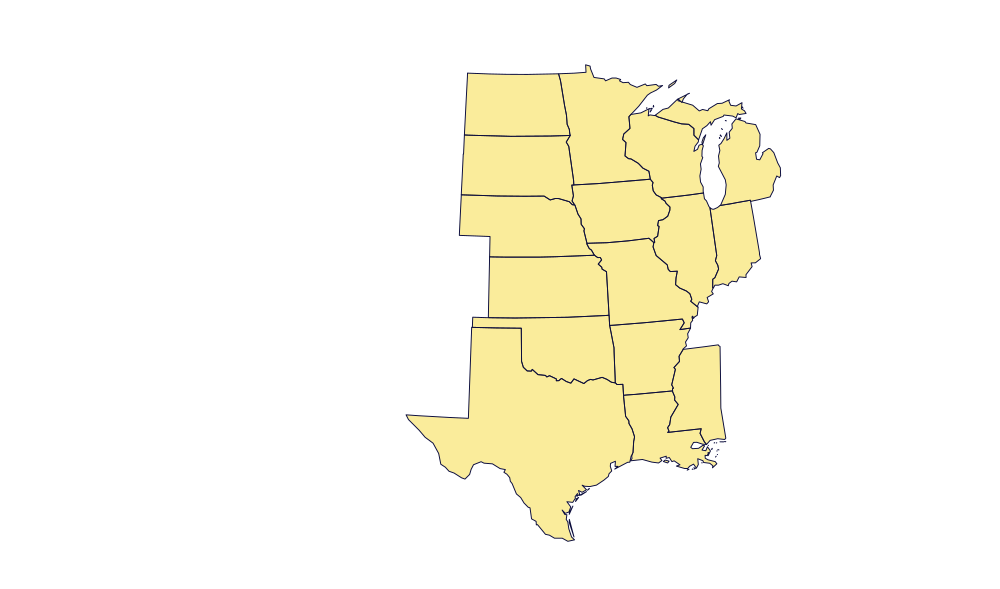
AVLS Nationwide Services
Central States
East Coast
*COMING SOON
West Coast


*COMING SOON
East Coast
Central States
West Coast
AVLS Nationwide Services
CONTACT US
When your event matters, trust your audio visual labor needs to AV Labor Source.
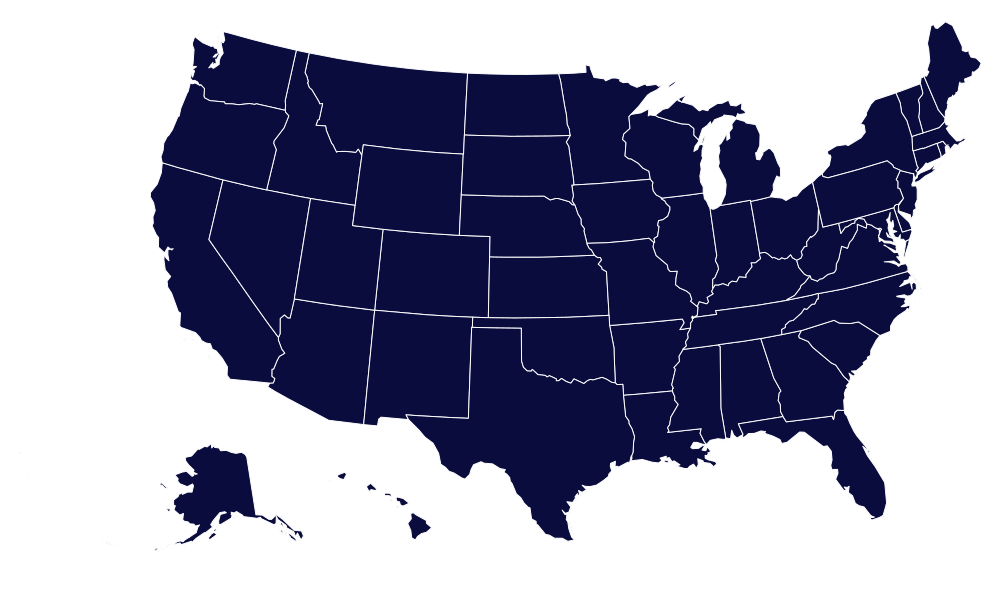
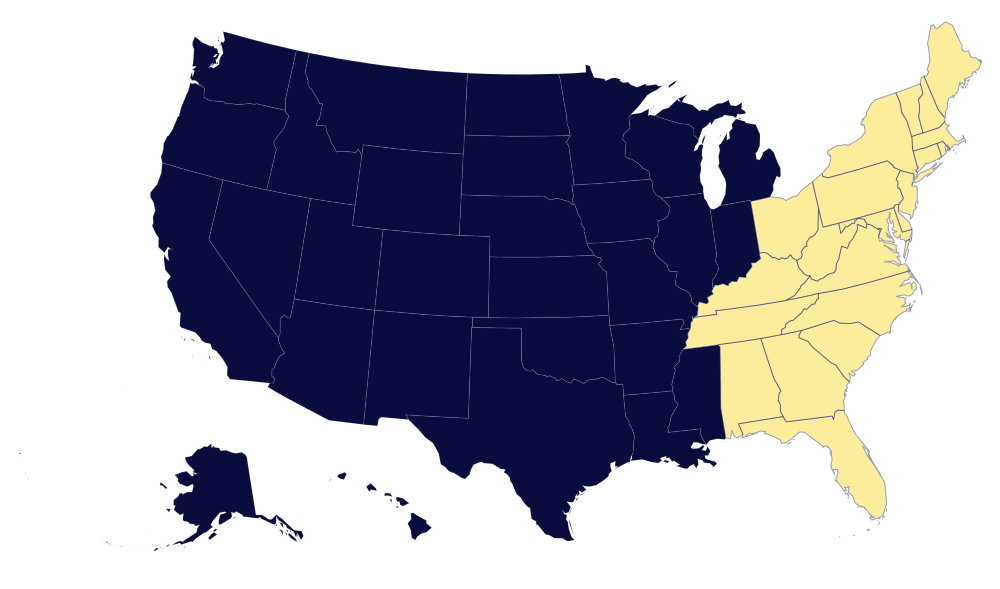
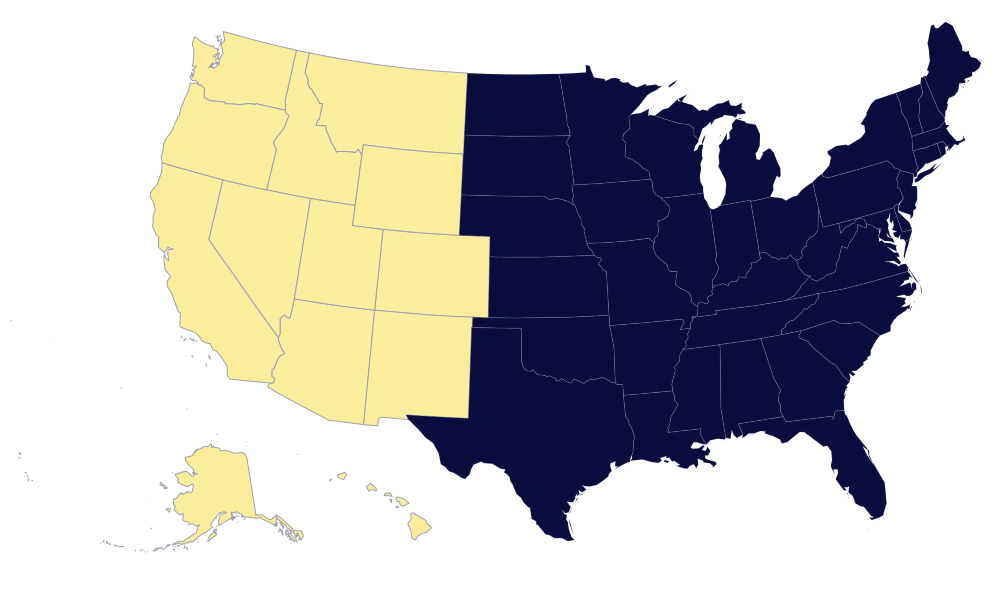
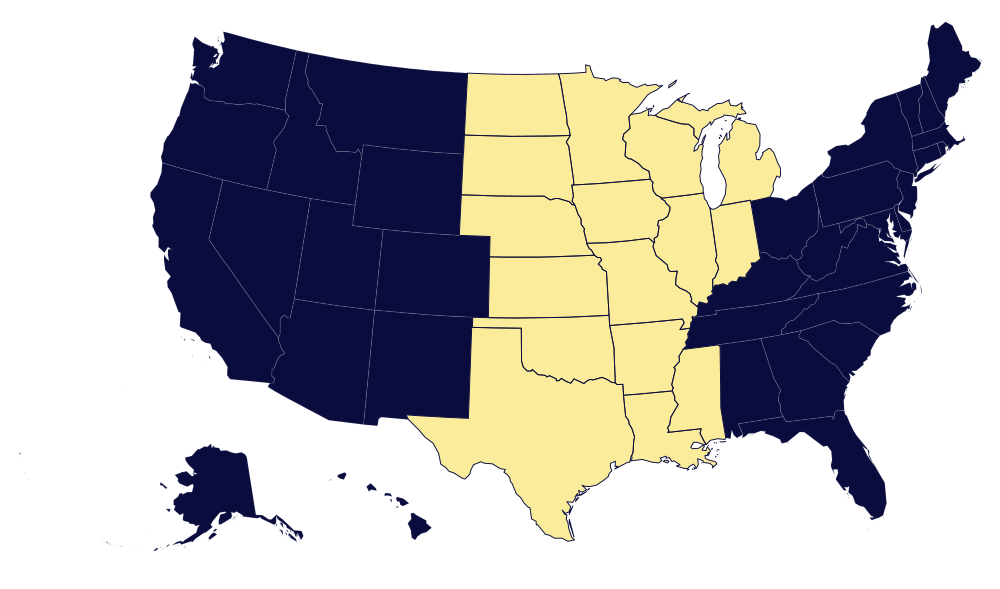
AVLS operate and has proven pool of AV technicians in major cities US Nationwide, such as Las Vegas, Los Angeles, Orlando, Dallas, San Antonio, Austin, Houston, Washington DC, Atlanta, New Orleans, Tennessee and more.
Please complete the form below and we will respond to you as soon as possible. We are available 24 hours a day to assist with your needs. We look forward to showing you what we can do toward the success of your next event.
AVLS operate and has proven pool of AV technicians in major cities US Nationwide, such as Las Vegas, Los Angeles, Orlando, Dallas, San Antonio, Austin, Houston, Washington DC, Atlanta, New Orleans, Tennessee and more.
Please complete the form below and we will respond to you as soon as possible. We are available 24 hours a day to assist with your needs. We look forward to showing you what we can do toward the success of your next event.
EVENT INFORMATION
